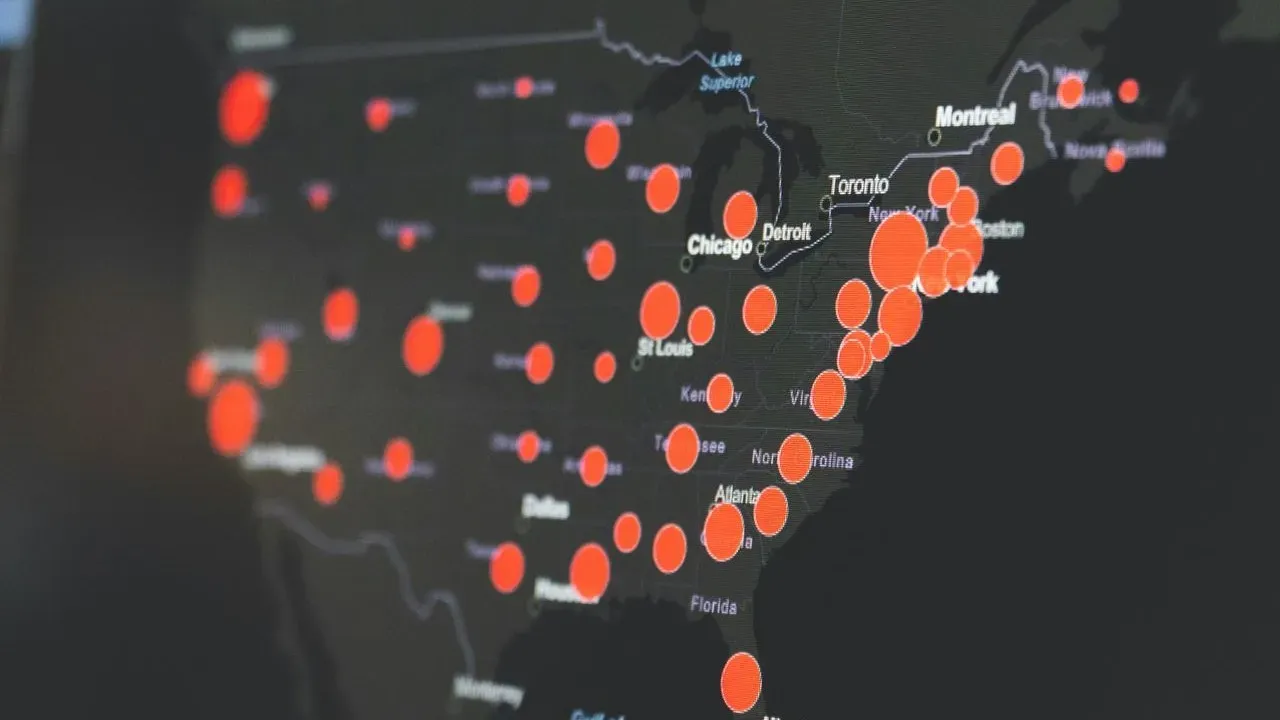

Some families were forced to get creative with their Thanksgiving dinners after storms knocked out power for nearly a million customers across the US. The outages, which hit the Midwest and the East Coast on the holiday, left communities from Virginia to New England dealing with the aftermath. Hundreds of thousands of homes and businesses were left without power after the holiday storms ([1]). ([1])
A holiday disrupted from the Midwest to the Atlantic
A Thanksgiving storm caused record coastal flooding and water rescues from Virginia to New Jersey, cut power to nearly 1 million and postponed Macy’s parade. The storms also delayed or cancelled more than 2,000 flights, and forced a state of emergency in New Jersey and sections of New York.
Outage counts shifted through the day. Outages peaked at approximately 961,000 customers Thursday evening, including communities dealing with a separate heavy snowstorm in the Midwest. By Friday morning, more than 600,000 customers remained without power.
Where the damage was heaviest
Several states carried the bulk of the disruption. Pennsylvania, New Jersey, Maryland and Virginia were among the hardest-hit states. Missouri also stood out, where heavy snow caused lasting problems in the St. Louis area.
- Pennsylvania, where about 146,000 outages were reported in the morning, mostly in the eastern half of the state
- New Jersey, where about 18% of Monmouth County customers were out, along with more than 30,000 in Ocean County
- Maryland and Virginia, where tracking figures showed approximately 173,000 customers in Maryland and 167,000 in Virginia without electricity at the peak
- Missouri, where over 121,000 people were without power in Missouri and over 12,000 people in Illinois at one point early in the storm
Outage totals differ by tracker and by the hour, so these figures reflect different moments rather than a single final count.
Why restoration could take days
Utilities warned early that the work would not be quick. In Missouri, the snow was the central problem. The vast majority of the outages are being caused by the heavy and wet snowflakes that have been falling for hours, both directly onto power lines and onto nearby tree branches, causing them to snap and fall onto electrical infrastructure. Ameren said that “Due to current conditions, this is expected to be a multi-day restoration effort,” and that all available crews are working around the clock to restore power, with additional resources on the way.
Crews faced obstacles beyond the initial damage. The restoration process was complicated by fallen trees, damaged power lines, flooded roadways and continuing hazardous weather conditions. Repairs in those conditions tend to move slowly, and each new wave of weather can undo progress already made.
Water, food and the yard
The effects reached beyond dark kitchens. In Maryland, WSSC Water is asking its 1.9 million customers in Montgomery and Prince George’s counties to use water only for essential needs because storm-related power disruptions affected its Potomac and Patuxent water filtration plants.
Food was another concern. The outages could occur as people are preparing their Thanksgiving meals and could lead to food spoilage afterwards if it’s not restored quickly. Households with medication that requires refrigeration should also check labels, since any medication that needs to be refrigerated should also be thrown out if power is off for more than a day, unless the drug’s label says otherwise.
For gardeners and homeowners, the storm left a different kind of cleanup. Heavy, wet snow clinging to branches caused many of the failures, and the same fallen limbs that pulled down lines also litter yards, driveways and garden beds. Rain was significant as well. Central Park recorded 1.82 inches of rain, its wettest Thanksgiving on record. Saturated ground can make it harder to remove fallen wood safely, so residents should keep clear of downed lines and wait for utilities to confirm that areas are safe.
What comes next
Power was returning in many places by Friday, but the holiday weekend showed how quickly a storm can strain a region’s grid. Forecasters expected conditions to improve gradually, yet residual rain and wind could still slow recovery. For households still waiting on service, the most useful steps are keeping refrigerators closed, checking utility restoration pages, and staying away from fallen lines while crews work through the backlog.
AI Disclaimer: This article was created with the assistance of AI tools and reviewed by a human editor.