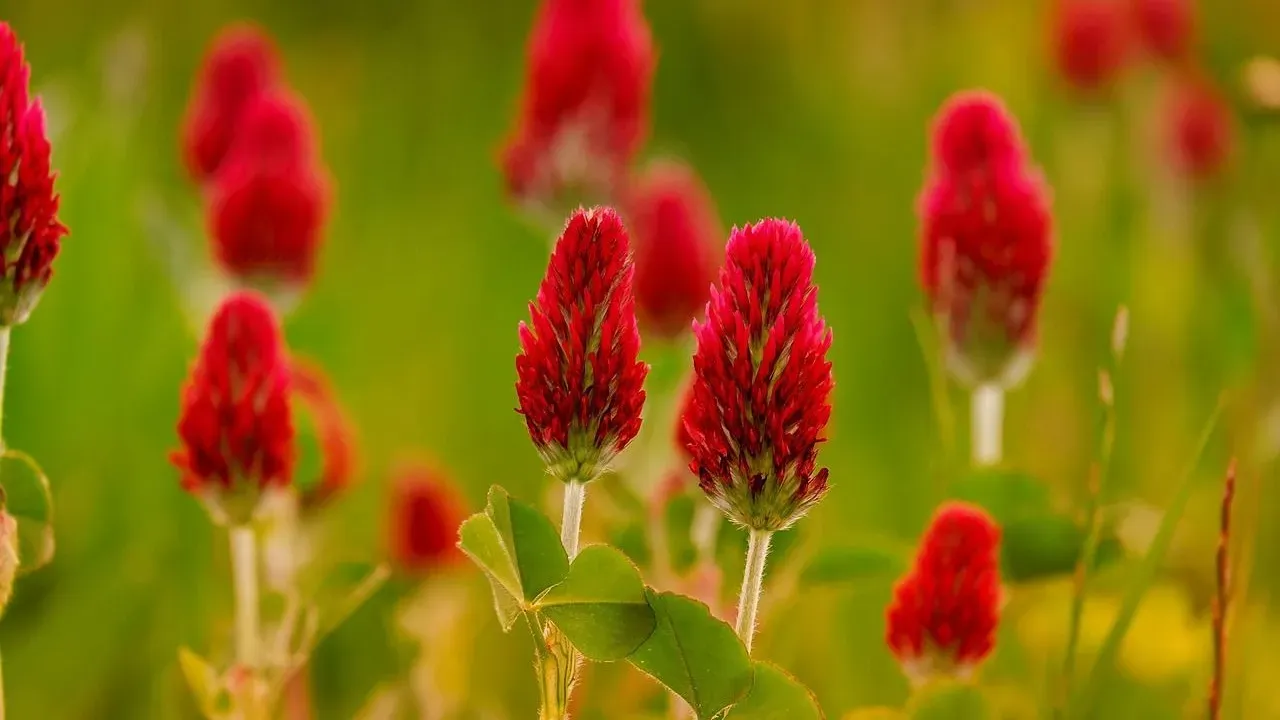

Late autumn is when many gardeners decide what their soil will need before spring, and one farm and garden supply store is testing a clover that promises to help. In a firsthand account, the writer described broadcasting a bag of Balansa Fixation clover across a food forest and apple orchard, then mowing the grass over the seed where possible ([1]). The writer runs the store, and the experiment is still in its early stages, with rain only just arriving to help the seed take hold.
A dry start, then a welcome rain
The timing was not ideal at first. The ground was powder dry when the seed went down on a Monday, and the writer mowed the grass around the trees and shrubs as well as the work allowed. A rain arrived on Wednesday, the first meaningful one in a long stretch, and by the time of the post the soil was soaked.
Moisture is the first hurdle for any new seeding, and the writer is watching to see whether the clover establishes before cold weather arrives. The goals are modest and specific. The writer hopes the clover will add biomass to the food forest over winter and early spring, and that it will give the fruit trees a boost.
What the clover is said to do
The writer describes Balansa clover as highly adaptable, able to grow in high or low pH and in both dry and wet soils. Federal conservation guidance backs up part of that picture. The Natural Resources Conservation Service classifies Balansa as a winter annual legume that adds nitrogen to soil, and it notes that the plant tolerates poorly drained ground that may hold periodic standing water ([2]).
Seed sellers make bolder claims. Territorial Seed calls its version the most cold tolerant of the annual clovers and puts its nitrogen output above 250 pounds per acre ([3]). Another supplier is more conservative, estimating more than 100 pounds of nitrogen per acre when the clover is planted in early fall and terminated the following spring ([4]). Those figures depend heavily on management and conditions, so they work better as a range to keep in mind than as a promise.
What matters now
The seed went down just before a rain that softened the dry ground. Its effect on the fruit trees and the food forest remains unknown. The writer plans to decide on wider use only if the clover performs as advertised.
A backup mix for the watermelon patch
A second trial went down the evening before the rain. On Tuesday, the writer spread daikon, crimson clover, White Egg turnip, mustard and a few Austrian winter pea seeds over part of the watermelon planting area, then tilled them in lightly with a tractor. The shop had run out of Balansa seed, so the writer used the store’s standard blend instead.
The mix serves two purposes. The writer hopes for edible greens and turnips along with nitrogen, though deer could take a larger share than intended. Fresh greens are welcome at a time when little else in the garden is ready to harvest.
Lessons borrowed from deer food plots
The store’s customer base has shaped the trial. Atmore Farm & Garden also supplies hunters, and Wildlife Management Solutions provides much of the seed used in the deer food plot mixes the store sells. That supply chain introduced the writer to seeds never tried before, including chicory, yellow clover, sugar beets and Buck Forage Oats. Balansa itself first appeared on the seed rack last year, shortly after the writer took over the store in the fall.
The writer has never planted a deer food plot but has learned from hunters who buy seed and share their experience. The overlap with the store’s own cover crop work is considerable. Its fall mixes already combine grains and grasses, brassicas and nitrogen fixers, much as hunters do. If Balansa proves as adaptable and dense as advertised, the writer plans to make it a regular part of those mixes.
The test is small, and its verdict is months away. What it offers now is a practical example of how a gardener can try a new crop on a modest scale. Spring will show whether the clover earned a place in the rotation and whether the fruit trees responded.
AI Disclaimer: This article was created with the assistance of AI tools and reviewed by a human editor.