
It Goes Back Farther Than You Think: Norse Mythology

The origins of this tradition can be traced back to ancient Norse mythology, where children would leave food for Odin and his eight-legged horse, Sleipnir, during Yule, a midwinter festival. Odin was believed to fly through the sky, much like our modern Santa Claus, delivering gifts to those who showed generosity and kindness.
To entice Odin to stop at their homes and leave gifts, children supposedly left hay for Sleipnir. Once there, Odin would leave gifts for young ones as gratitude for feeding his beloved horse. The logic of the exchange, food left out in return for a visitor bearing gifts, is essentially the same logic children use today when setting out a plate of Oreos.
To this day, in some parts of Europe, children believe Father Christmas and his sleigh are pulled by horses instead of reindeer, and they often leave out carrots and hay for them.Saint Nicholas and the Christian Connection

Saint Nicholas is said to have dressed in red robes and ridden his horse on December 6th to distribute candy to good children and coal to bad ones. Children left out overnight food for the saint in exchange for gifts for centuries, but when European immigrants moved to the American colonies, Saint Nicholas was slowly replaced with Santa Claus in American culture.
The practice of leaving cookies for Santa has its origins in early acts of gratitude, influenced by Christian customs. The feast day of Saint Nicholas provided a natural occasion for children to participate by offering something in return, a small act of hospitality toward a gift-bringing visitor.
This tradition gradually transformed when Dutch settlers brought their customs to America, where Sinterklaas evolved into Santa Claus. The cultural handoff from Old World saint to New World Santa carried the food-offering ritual along with it.
The Dutch Influence on American Christmas

We can thank the Dutch, along with other Northern Europeans, for bringing cookies to America in the 17th century. Dutch settlers brought not only their baking traditions but also their customs around Sinterklaas, the gift-bringing figure whose name and habits eventually shaped the American Santa Claus.
There is also a theory that the tradition developed from the Dutch. In Dutch practice, children would leave shoes filled with treats near the fireplace, hoping Sinterklaas would replenish them with gifts overnight. The logic evolved over generations, shifting from filled shoes to a plate on the mantle.
The tradition has been going strong in the United States for nearly a century, but it didn’t use to be the case. Older tradition had the ritual reversed, with stockings hung by the chimney stuffed with sweets for Santa, not from him. That reversal is worth pausing on. At one point, children gave to Santa rather than received from him.
One of the Earliest Literary References
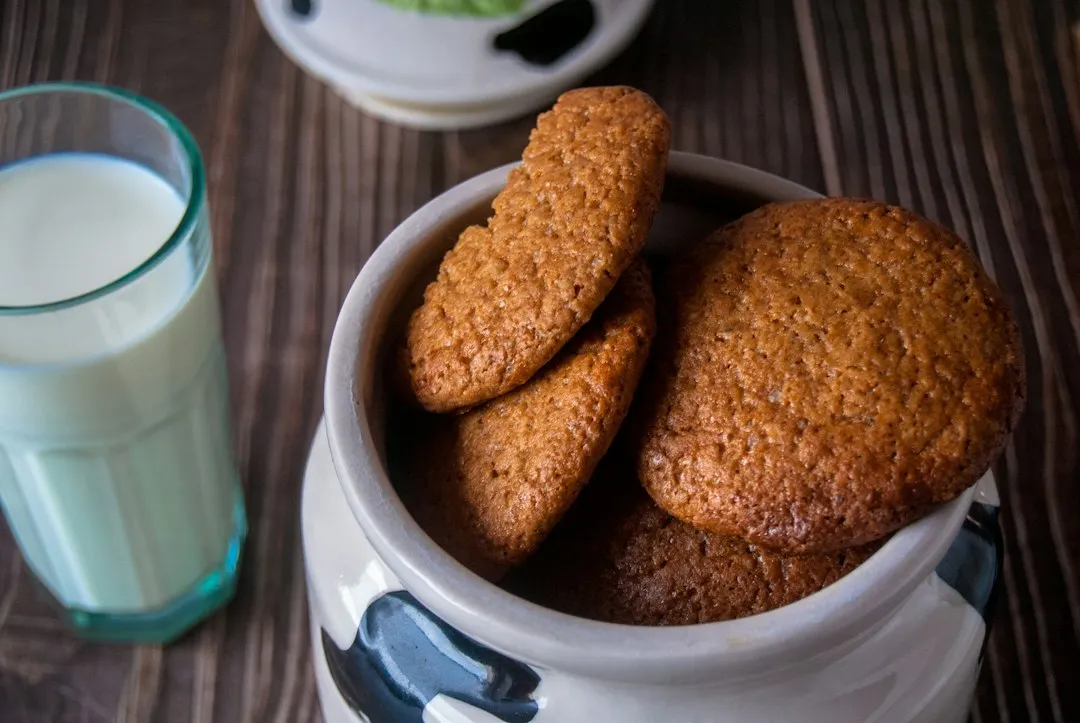
One of the first literary references to milk and cookies for Santa Claus in America appeared in the 1870s in the short story “Polly: A Before-Christmas Story.” A child writes to Santa Claus, explaining that she and her brother wanted to leave food for him “because he will be hungry.” When their father asked what they should leave, they replied, “A glass of milk and some cookies.”
That detail is significant. The choice wasn’t arbitrary. It was a child’s natural instinct toward hospitality, offering something familiar and nourishing to a tired traveler. The idea that Santa must be exhausted after traveling the world in a single night gave children a very concrete reason to leave something out.
The milk-and-cookies tradition might have evolved to be a last-minute exchange children could give Santa to ensure they’d get what they wanted from him. Whether it was pure generosity or a touch of strategic thinking, the gesture became meaningful either way.
The Great Depression Changed Everything
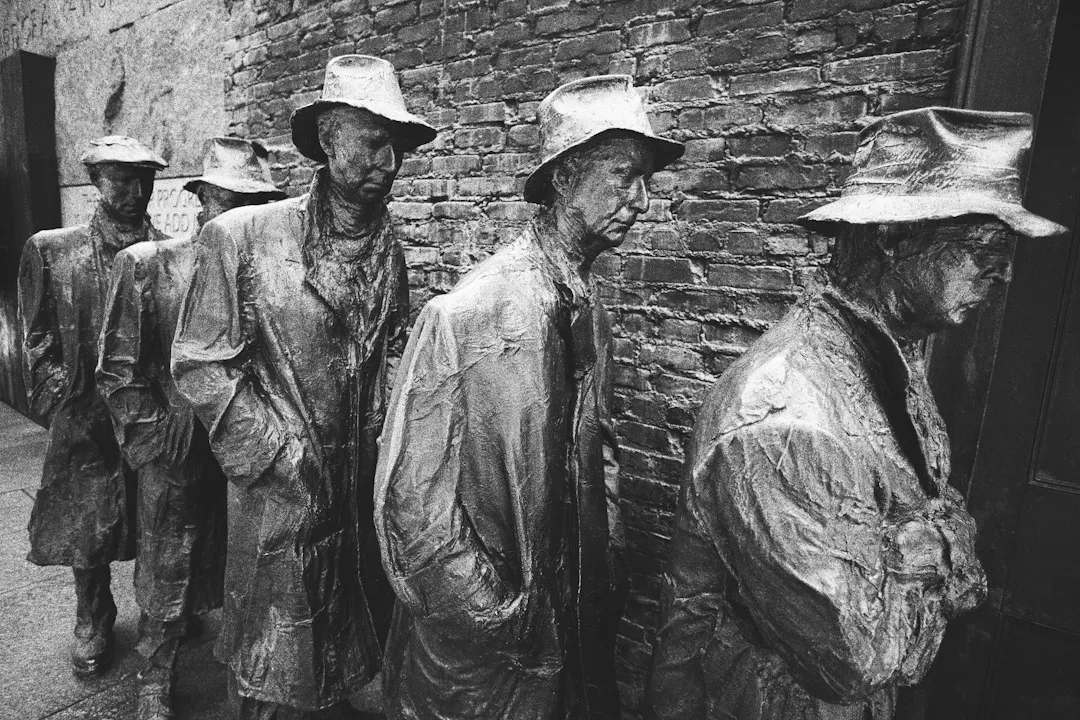
Leaving cookies and milk for Santa, and perhaps a few carrots for his reindeer, took off as an American holiday tradition in the 1930s, during the Great Depression. The economic collapse of that era forced parents to rethink how they taught their children about the holidays.
Leaving cookies and milk for the jolly old elf didn’t become a widespread American Christmas tradition until the Great Depression. With millions facing sudden hardships, parents wanted their children to learn the importance of giving to others. Even in scarcity, families found a way to participate in generosity.
While cookies had long been a staple of Christmas celebrations, the addition of milk became popular during the Great Depression. During this challenging time, families, despite financial struggles, used the tradition of leaving milk and cookies for Santa as an opportunity to teach children about generosity and kindness. Around this period, milk advertisements, spearheaded by dairy farmers and industry groups, promoted the idea of milk being the perfect complement to Santa’s cookies, further cementing the tradition.
Teaching Gratitude Through a Simple Ritual
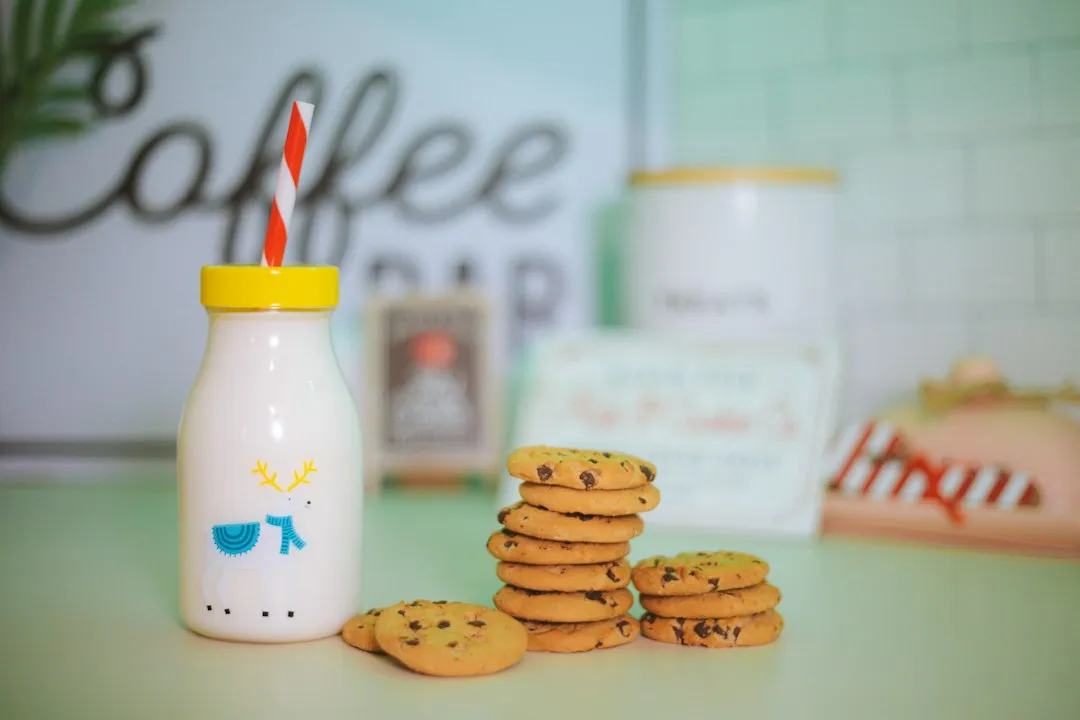
In the United States, it wasn’t until the 1930s when the tradition of leaving out cookies and milk for Santa Claus became commonplace. During the Great Depression, parents wanted to teach their children to be appreciative and thankful, and prompted them to leave milk and cookies out for Santa to show their gratitude for their Christmas gifts.
Families began leaving snacks for a weary Santa Claus and his reindeer. Focusing on the act of giving at Christmas, it also taught young children to be thankful for the gifts they received that year. This is what made the tradition stick so deeply. It wasn’t just fun. It carried a lesson.
American parents started encouraging children to leave out cookies and milk as a way to show gratitude for their blessings, even during difficult times. Over the decades, the tradition took on a life of its own, becoming a staple of Christmas Eve excitement for kids across the country.
How Popular Is It Today? The Numbers Tell the Story
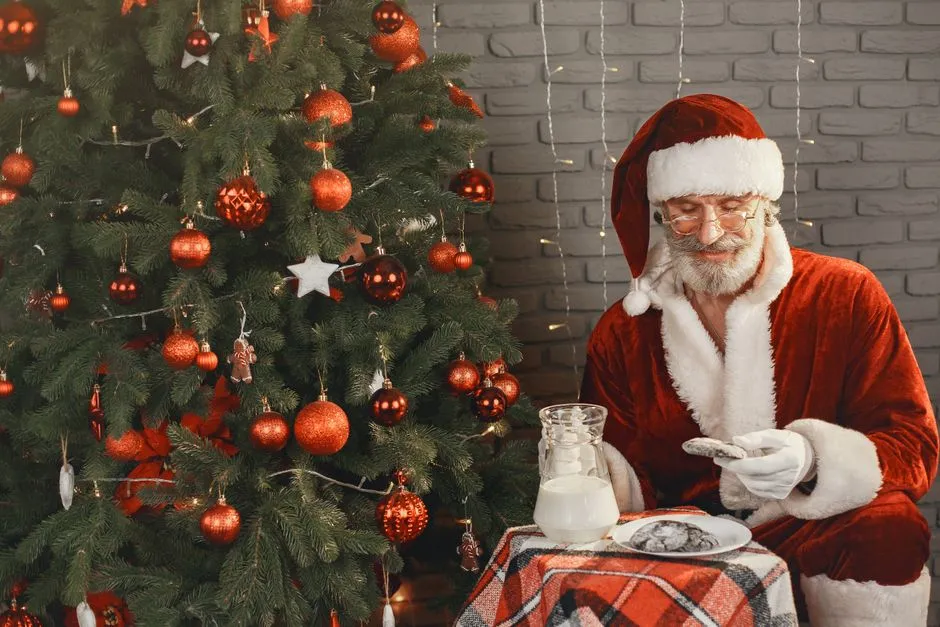
The tradition is far more than a nostalgic memory. It remains one of the most practiced Christmas Eve rituals in America. According to a YouGov survey, roughly 45 percent of parents with children under 18 say their children will be leaving out cookies and milk for Santa.
Majorities of parents with children under 18 say their children will hang up a stocking for Santa to fill and leave out cookies and milk for Santa, with participation rates of 56 and 55 percent respectively. That puts the milk-and-cookies tradition on par with hanging stockings, one of Christmas’s most iconic rituals.
81 percent of Americans say they believed in Santa as a child, and 76 percent say their own parents or guardians pretended that Santa visited their home. 69 percent hung up stockings for him to fill, and 63 percent left out cookies and milk. The tradition is remarkably consistent across generations.
What Cookie Does Santa Actually Prefer?
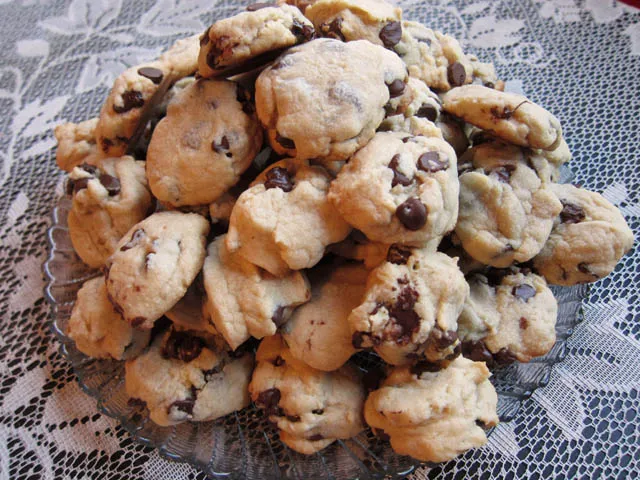
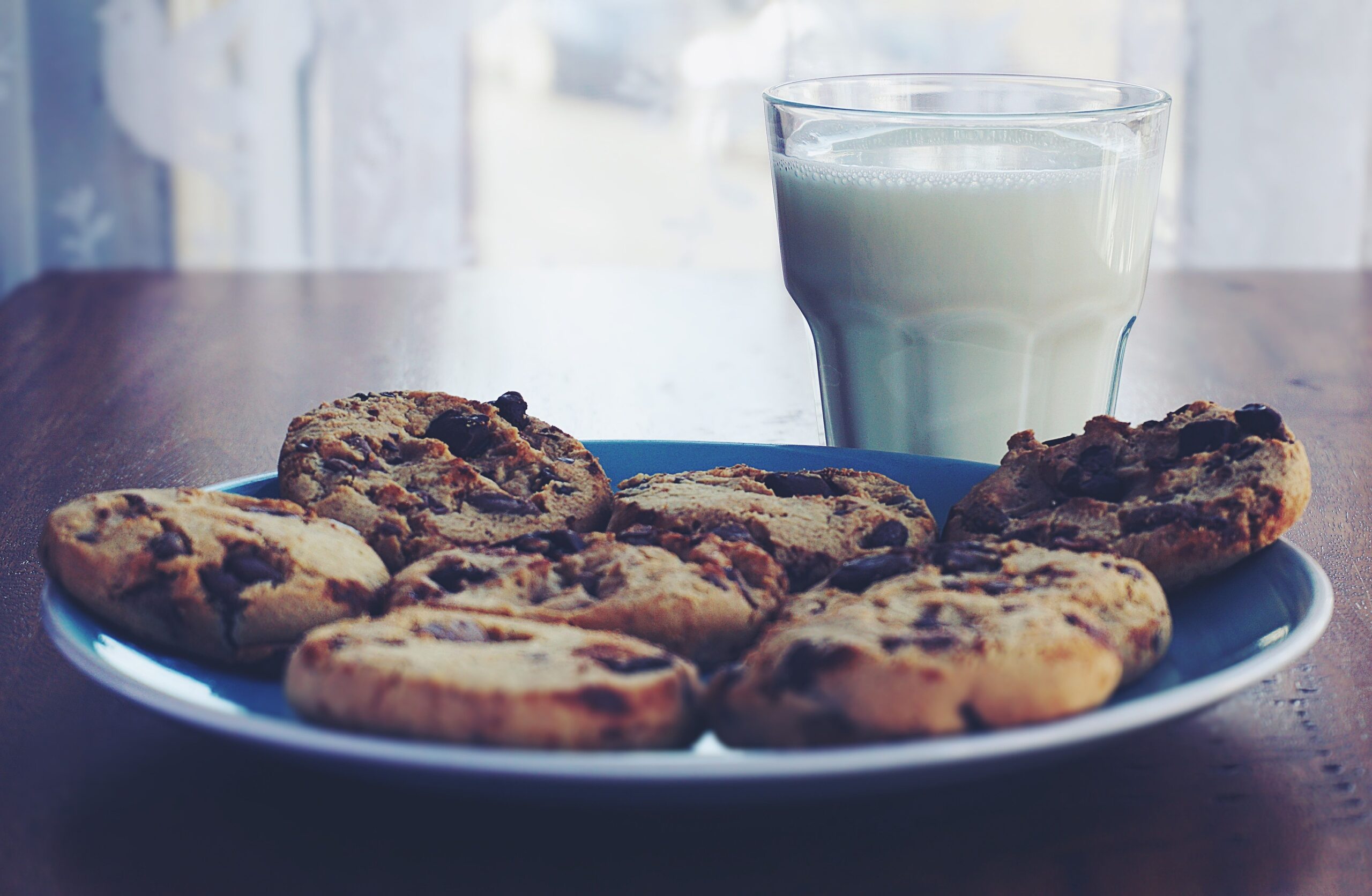
Today in the United States, leaving out a plate of cookies, with Oreos and classic chocolate chip being popular choices, and a glass of milk for Santa Claus on Christmas Eve is a well-established tradition among children. The chocolate chip cookie, in particular, has become closely associated with Santa in popular culture.
According to data compiled from surveys of professional Santas across the country, the average Santa’s favorite cookie is chocolate chip, which tops the list at 42 percent, with oatmeal raisin coming in second at 19 percent. Even Santa, it seems, has a sweet spot for a classic.
In America, it’s estimated that Santa eats more than 300 million cookies on Christmas Eve each year. That figure offers a vivid sense of just how widespread the ritual truly is, even if it comes with a playful caveat about Santa’s waistline.
How Other Countries Do It Differently
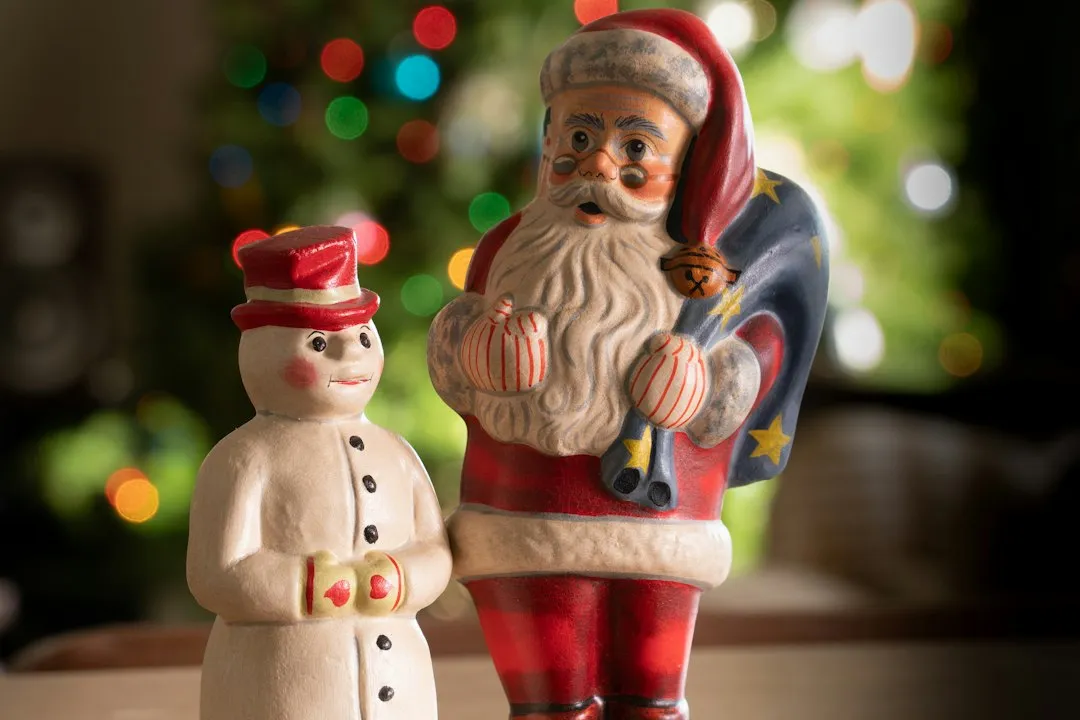
While the true history behind leaving treats for Santa Claus may remain unknown, different countries have spun the practice to create their own Christmas Eve traditions. What unites them is the same underlying impulse: offering something to a gift-bringer in hopes of a warm exchange.
Children in the United Kingdom leave the holiday-favorite mince pie, Swedish kids leave a special Christmas-time rice porridge, and in Germany, the gift is instead a letter to Santa. In Ireland, Santa Claus can expect a pint of Guinness alongside his cookies. Each culture adapts the gesture to what feels like a genuine offering from their own table.
Over the years, different countries have developed their own versions of the cookies-and-milk tradition. Some households also leave out water and hay for Santa’s reindeer. The reindeer, after all, are doing most of the heavy lifting.
Why It Still Matters in 2026
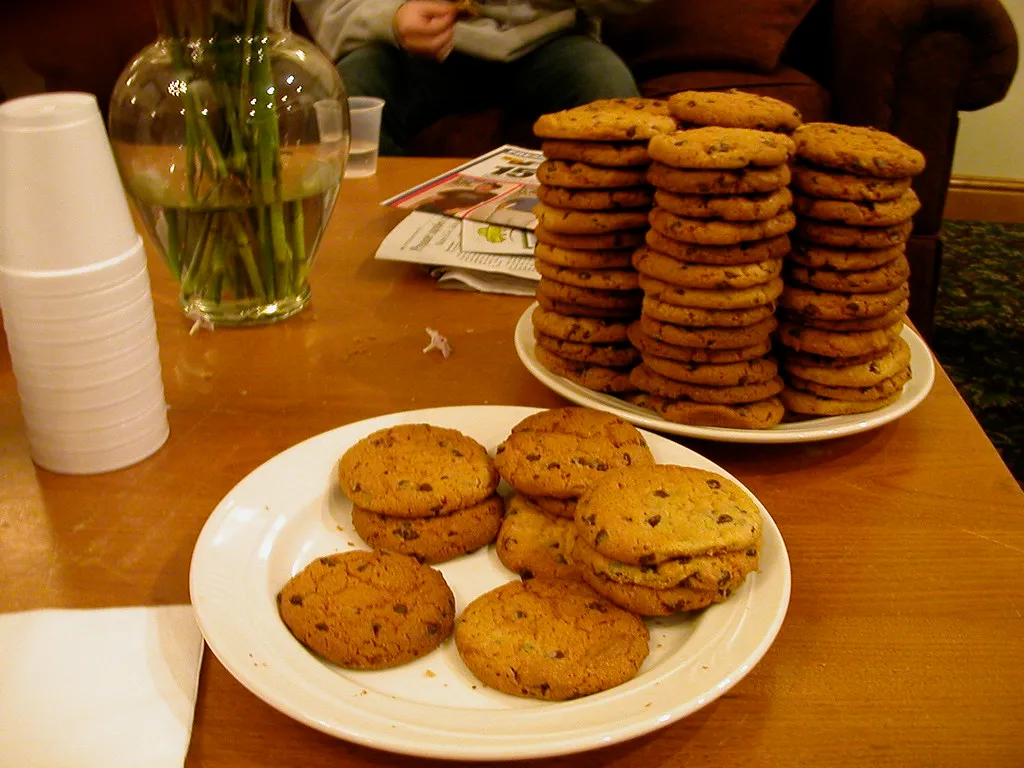
For many families, Santa is a tradition passed down through generations. The milk-and-cookies ritual is one of the few Christmas traditions that children actively participate in creating, rather than simply receiving. They choose the cookies, pour the glass, and place everything just so. That sense of ownership matters.
There is consensus among Americans that milk and cookies are a classic holiday duo, with 84 percent viewing them that way. That near-universal recognition reflects how thoroughly the tradition has embedded itself in American cultural life, not just as a children’s activity, but as a shared symbol of the season.
Today, the practice of leaving both cookies and milk for Santa continues to be a cherished tradition, symbolizing gratitude, generosity, and the spirit of Christmas. In a season that can sometimes feel dominated by consumption, the act of leaving something out for someone else, even a fictional someone, quietly reorients the holiday around giving.
The Takeaway
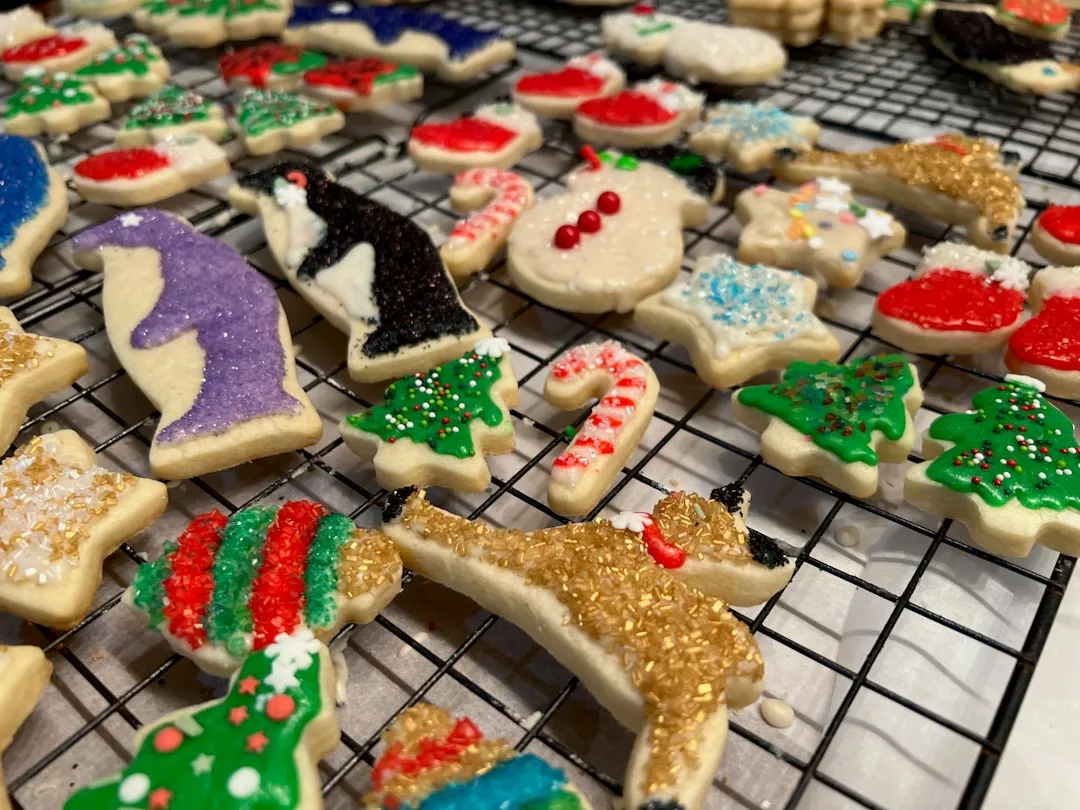
What started as hay left in shoes for a Norse god, traveled through medieval Christian feast days, Dutch immigration patterns, and the economic despair of the 1930s, before landing on kitchen counters across America every December 24th. That’s a remarkable journey for a plate of cookies and a glass of milk.
The tradition endures not because anyone mandates it, but because it works on a human level. It gives children something to do, something to give, and something to believe in. The cookies disappear by morning. The wonder, for most families, lingers a little longer than that.
AI Disclaimer: This article was created with the assistance of AI tools and reviewed by a human editor.