
Born in the Shadow of the Penal Laws
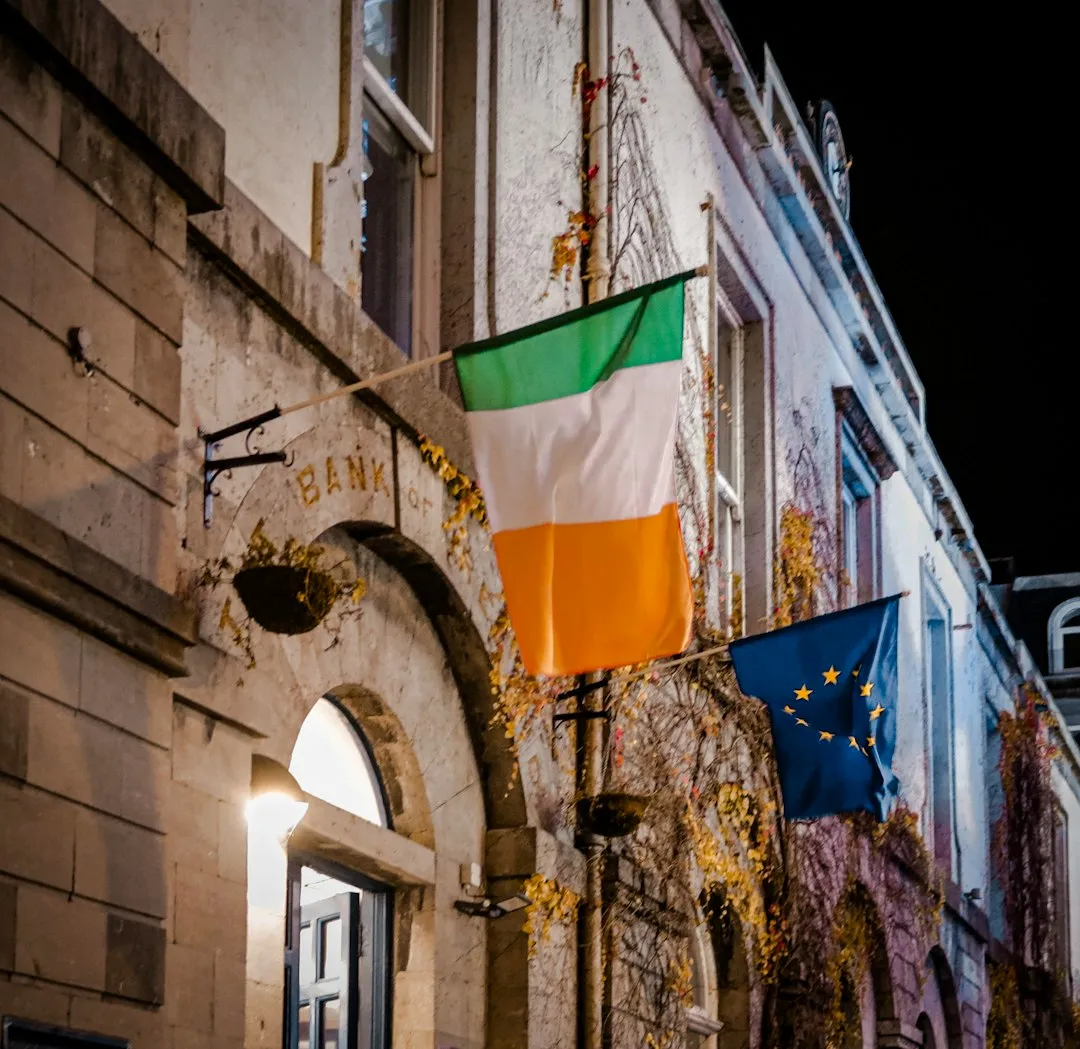
From the mid-17th through the late 18th century, the British government created oppressive laws in an attempt to restrict the practice of Catholicism in Ireland. For Irish Catholic families, practicing their faith openly was not just difficult but dangerous. The window candle became, quietly, a form of resistance.
In the Penal Times, when Catholic worship was outlawed in Ireland, a candle in the window told a priest travelling in secret that this house was safe, that he would be sheltered, and that Mass could be said there. It was a risk, not a decoration. The flame carried genuine stakes.
When questioned by the British authorities about the lighting of the holiday candle in the window on Christmas Eve, a family would explain that the holy night candle was used to signal the spirits of Jesus, Mary, and Joseph to come and stay in the home over the holiday. That clever cover story allowed the tradition to survive, hidden in plain sight.
The Nativity Connection
As the nativity story goes, Mary and Joseph arrived in Bethlehem where there was no room for them at any of the town’s inns. On Christmas Eve, many Irish households place a candle or light in the front window as a symbolic sign of welcome to Mary and Joseph, as well as other travellers who may be passing.
It’s still a favorite traditional Irish Christmas decoration, harkening back to that ancient Christmas Eve when Mary and Joseph could find no shelter. It is a symbol of Irish hospitality, a way of welcoming Mary and Joseph and any travelers who might happen to pass by looking for a warm place to stay.
The nativity meaning and the Penal Law meaning reinforced each other perfectly. Both said the same thing to anyone who understood: you are welcome in this home. That double layer of symbolism made the custom especially durable.
Who Lit the Candle, and When
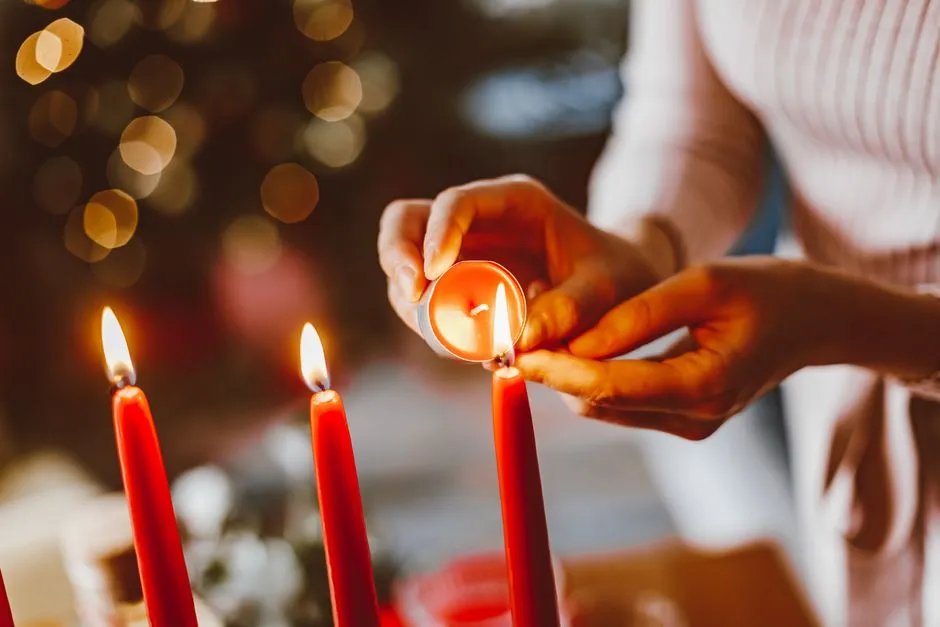
The ritual of lighting the candle is often a family affair, imbued with a sense of tradition and continuity. Typically, the youngest member of the family has the honor of lighting the candle, symbolizing the passing of traditions to the next generation.
Traditionally the youngest child lights the candle on Christmas Eve, and many accounts say only someone named Mary should put it out. That second detail is easy to overlook, but it shows how layered these customs become over generations, absorbing new meaning as they travel through families.
Custom dictates that the light be left glowing throughout the night. In the past, many households took the ritual even further by leaving their front doors unlocked too. An unlocked door on a cold December night said more than any decoration ever could.
A Tradition That Crossed the Atlantic
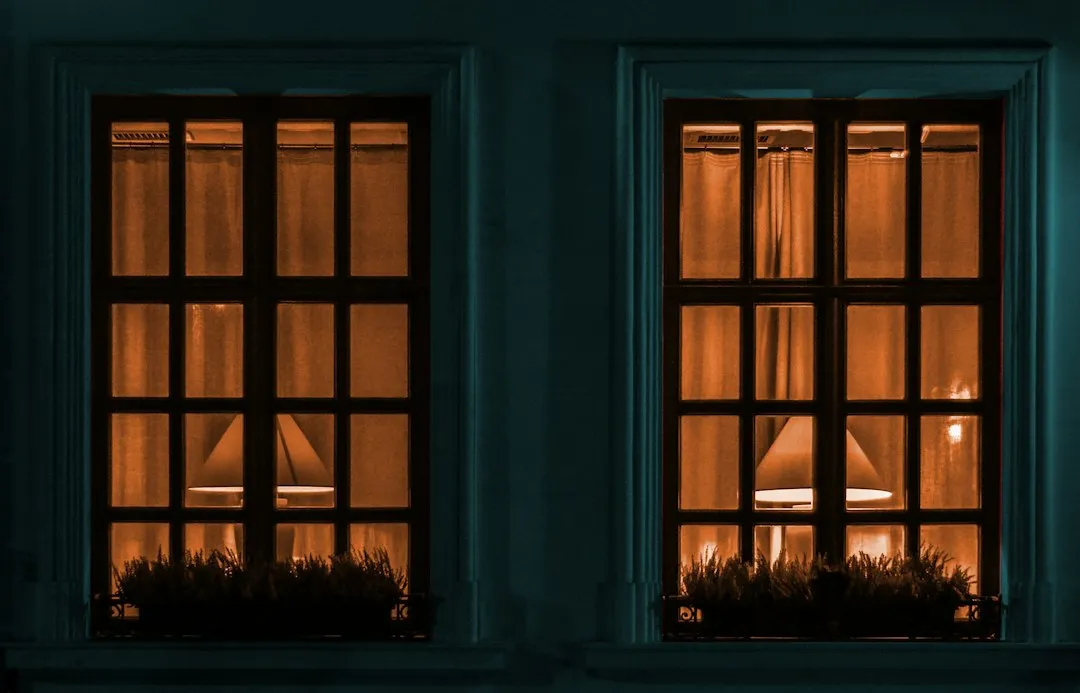
During Christmastime, faithful Irish Catholics would, in darkness, light a candle in the window and leave the door unlocked. On immigrating to the United States, the Irish brought this holiday practice with them.
The Irish who emigrated carried the custom with them across the Atlantic, and in colonial America the window candle became a general sign of welcome to travellers, offering food and shelter on a cold night. Even an inn would light a candle to show that a room was available.
In early America, homes were often miles apart. The sight of a candle in a window from a distance was a sign of welcome to those wishing to visit. The original religious coding softened into something broader: simple human hospitality in a sparsely settled land.
More Than One Layer of Meaning
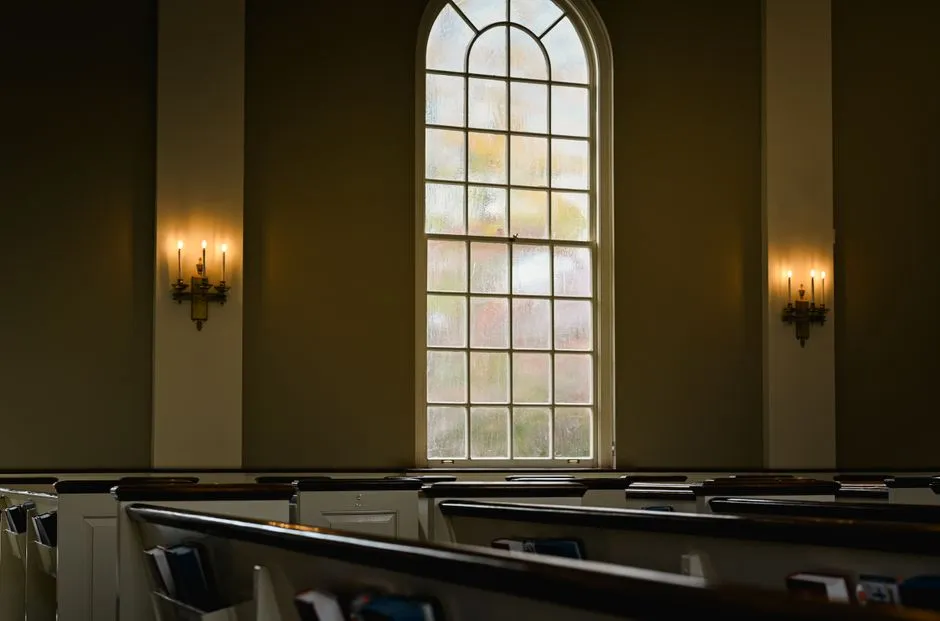
A lit candle was often placed in the window when a family member was away or who had died, to remember them, letting them know they are missed. This is a touching tradition that helps families remember loved ones during the busyness of Christmas.
In Colonial America, candles might be placed in windows for many reasons: to remember a lost loved one, to rejoice in a family member’s safe return, to signify a birth, or in gratitude for a blessing.
For many Irish families, the candle is also a poignant reminder of loved ones who have passed away or emigrated. Ireland’s long history of emigration gives that meaning a particular sharpness. The light in the window was often for someone who could no longer come home.
Colonial Williamsburg and the American Reinvention
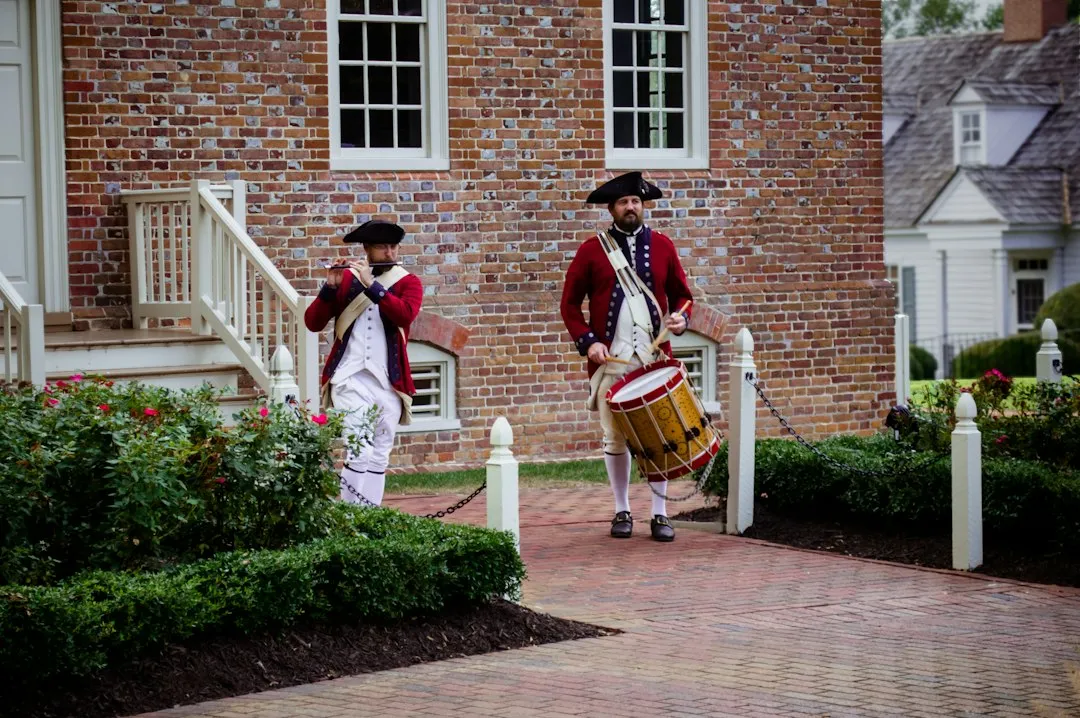
In the early 1930s, curators at Colonial Williamsburg sought a special way to commemorate Christmas. What they landed on was the window candle, borrowing from a practice that Irish immigrants had already carried into American life generations earlier.
The landscape architect remembered his family’s practice of placing a candle in their Boston window in 1893. With that idea, the next year a single lighted candle was placed in the windows of the four buildings open to the public. A personal memory became a national image almost overnight.
The tradition of lighting a single candle in every window is credited to Colonial Williamsburg. Although it is not historically accurate for 18th-century Williamsburg, it was chosen as a way to decorate the Historic Area when it opened for the first Christmas celebration in 1936. With the availability of electric candles, the practice quickly gained popularity in communities across the country, and is still prevalent today.
Electric Candles and the Spread of the Custom
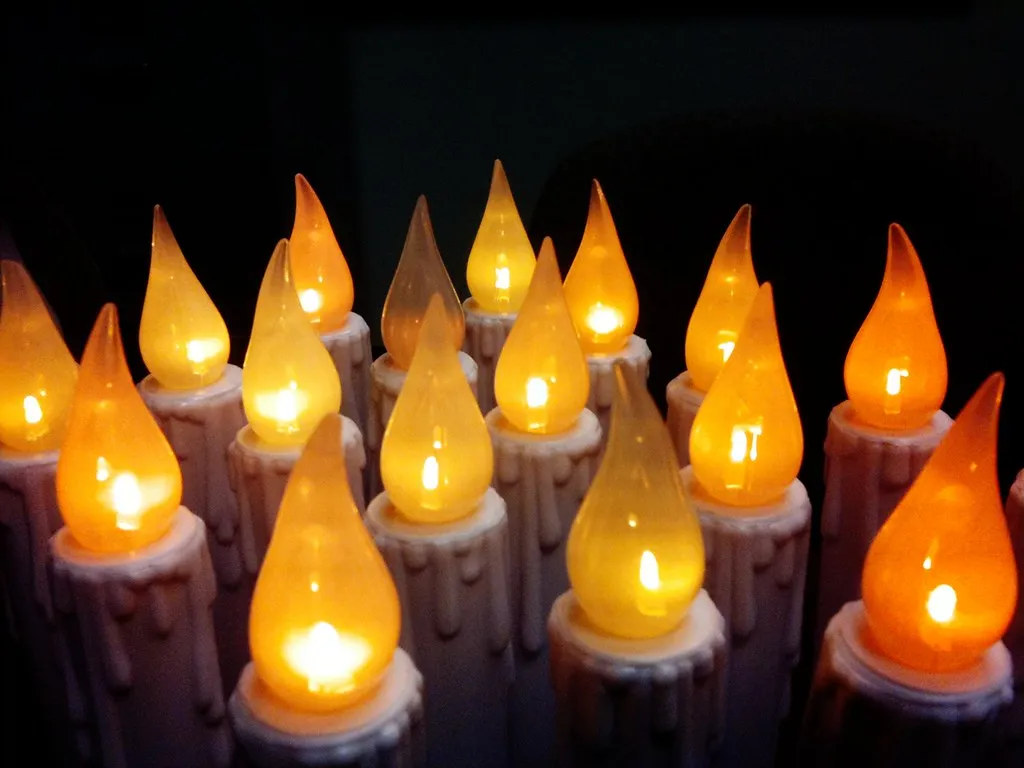
Back in the 1930s, the real lighted candles were placed in dishes of water in Williamsburg historic houses, but fear of fire meant round-the-clock surveillance. Soon, they switched to electric candles. That switch turned a beautiful but hazardous gesture into something millions of homes could safely adopt.
Colonial Williamsburg visitors liked what they saw, and wanted candles to take back home. In 1941, Williamsburg department stores sold their entire stock of 600 electric candles by Christmas Eve. That sold-out moment is a small but telling piece of evidence for how quickly the tradition found an audience.
This tradition was later embraced by Colonial Williamsburg, where electric candles became popular due to their safety and aesthetic appeal. Over time, the practice has evolved, with modern homes now using battery-operated and remotely controlled candles, continuing a tradition that beautifully blends history with contemporary convenience.
Candles in the Window Across Cultures
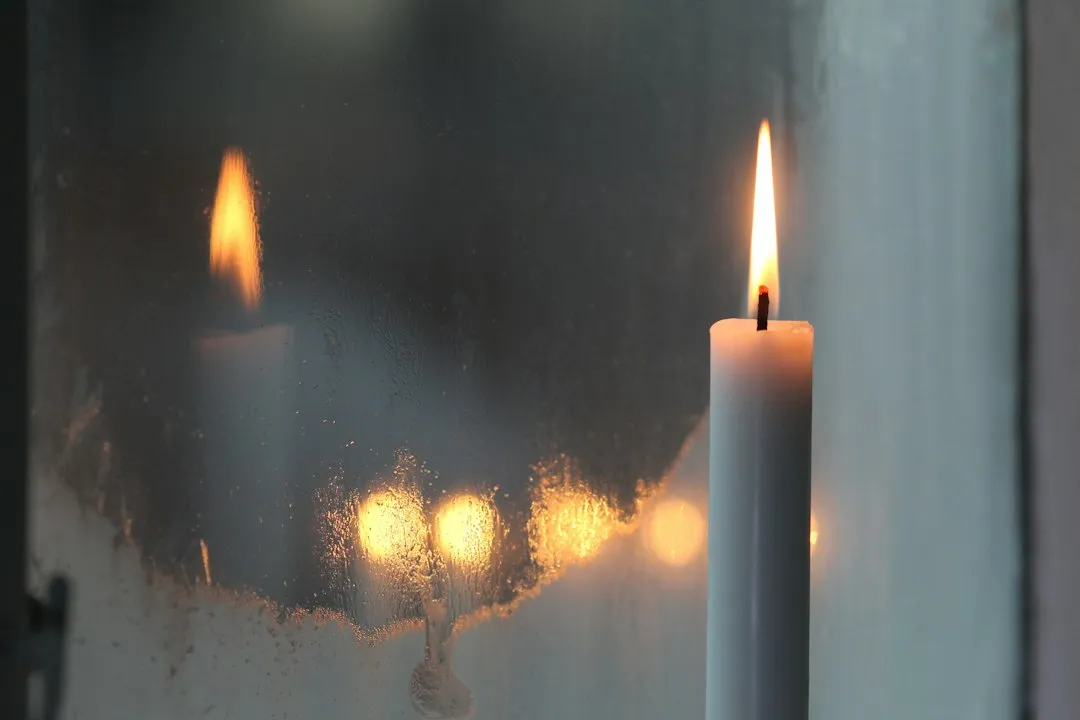
The tradition of having candles in the window during the holidays is different for each culture. The origins differ based on religious beliefs and countries. What unites them is the basic human instinct to put light where it can be seen.
In Germany, the tradition of putting candles in windows is part of Christmas culture. As a tradition, it comes from Saxony, where the miners worked long hours and trudged home well after dark. A candle burning in the window was a way to make sure they came safe home.
In Lyon, France, this tradition dictates that every house place candles along the outsides of all the windows to produce a spectacular effect throughout the streets. Tradition now mandates that many families keep a collection of stained or clear glass in which candles are burnt on windowsills. Different reasons, different centuries, but the same warm light in the dark.
The Candle Lives on in Modern Ireland
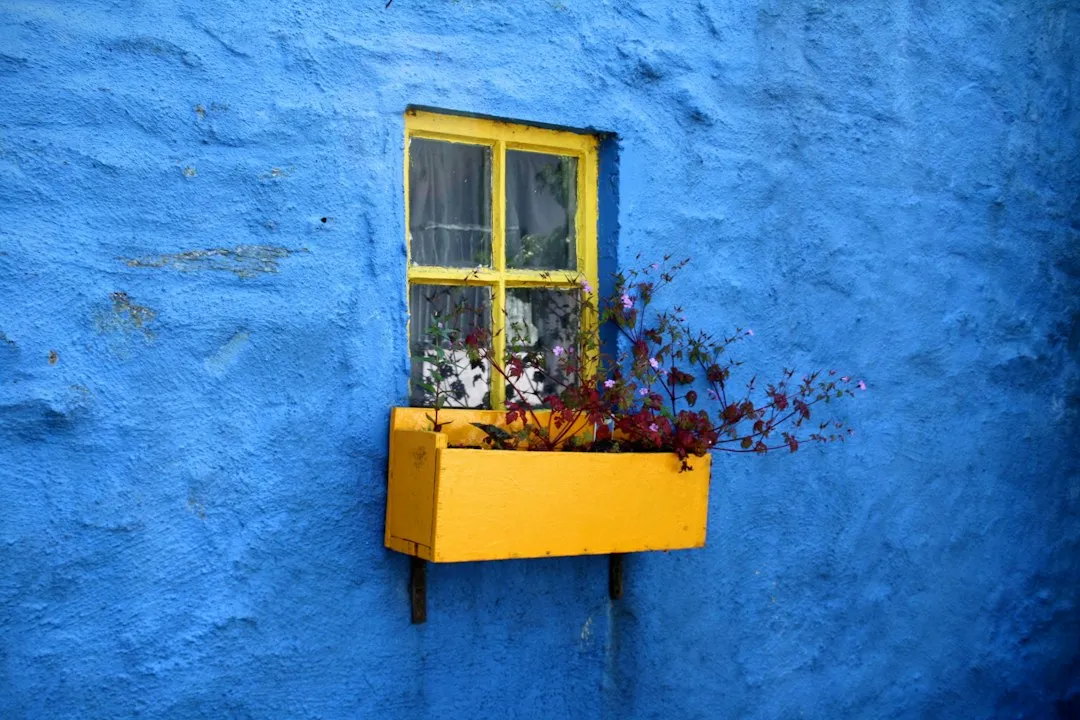
On Christmas Eve, homes across Ireland light a single candle and leave it burning in the front window. The practice has never needed a revival because it never really stopped. Continuity, in this case, is the story.
As the practice continued into modern times, one writer noted that for New Year’s Eve at the turn of the millennium, the Irish government sent an electric candle to every home in the country. That is a remarkable institutional gesture, the state affirming a folk tradition by putting it in every household’s hands.
The placing of a lighted candle in the window of a house on Christmas Eve is still practised throughout Ireland today. It has absorbed new meanings along the way, but the core gesture remains unchanged: a small light, made visible to anyone passing by in the dark.
What the Flame Still Says Today
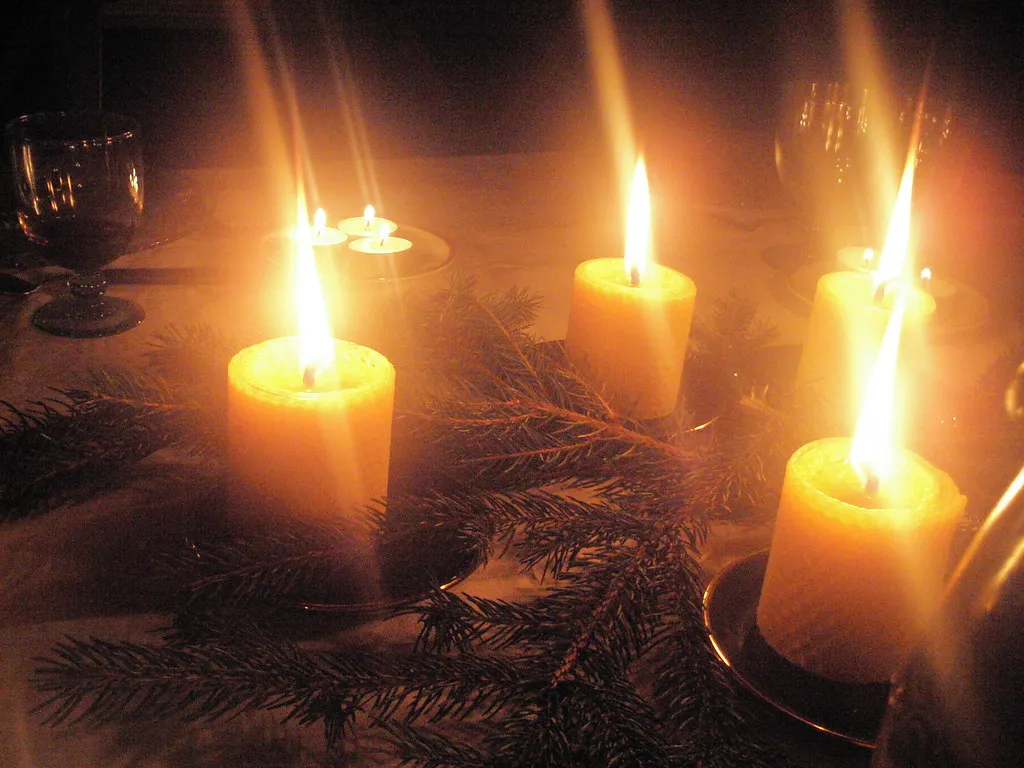
Nowadays, lighting a candle in the window on Christmas Eve is still a symbol of faith for new blessings, a way of not only welcoming Jesus into the world but also an omen of prosperity and new beginnings. For people of faith, the meaning has deepened rather than faded.
For those who do not celebrate Christmas as a religious holiday, the candle in the window can have a more secular meaning. It can represent the warmth and hospitality of the holiday season, and the light that shines in the darkness.
Lighting a candle in the window has traveled from secret Irish-American inns to modern front porches, and each era adds a new layer of meaning. Today, families keep the tradition alive, echoing hospitality while honoring centuries of faith and community.
The Takeaway
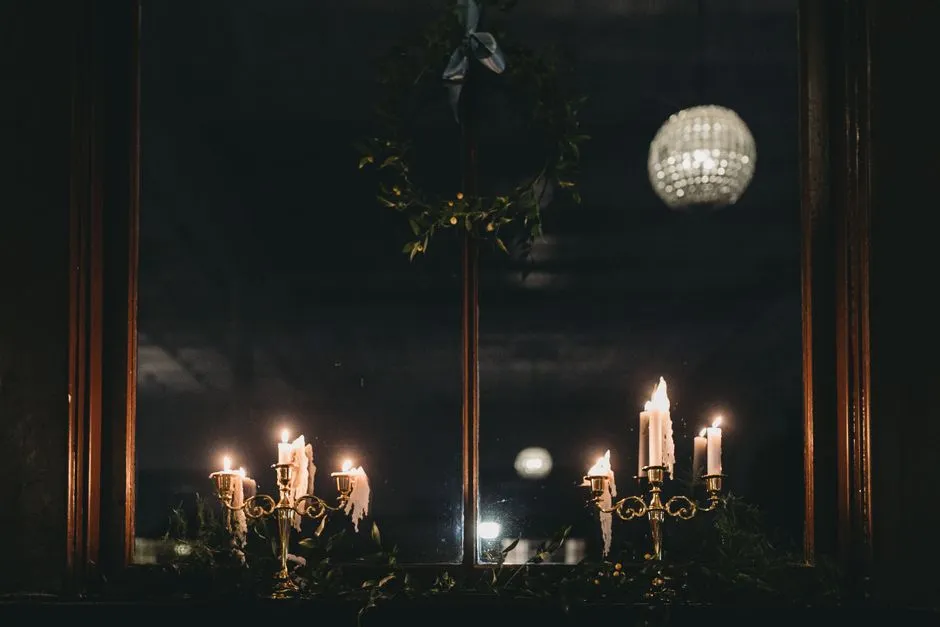
What’s striking about the candle-in-the-window tradition is how little it requires and how much it has carried. It started as a coded signal in a dangerous time, became a symbol of hospitality on frontier roads, got reinvented by a living history museum, and is now sold as a battery-operated LED on a holiday shopping website. Through all of that, the meaning kept surviving.
Traditions rarely last because they are mandated. They last because they still say something true. The candle in the window still says what it always said: you are welcome, and you are remembered.
That is a small sentence to carry across four centuries. It turns out to be enough.
AI Disclaimer: This article was created with the assistance of AI tools and reviewed by a human editor.