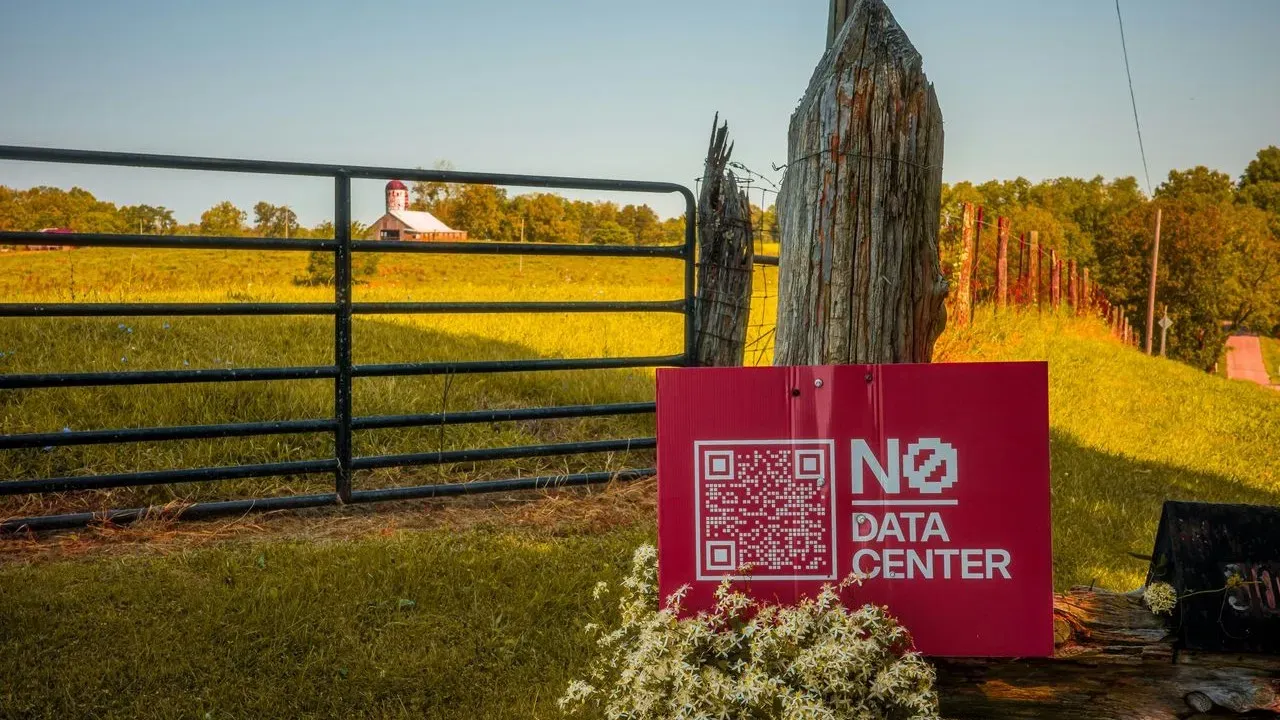

Across the country, a growing number of communities are deciding whether a data center belongs in their backyard. A Newsweek map ranks each state by its attitude toward data center development, sorting places that are rolling out the welcome mat from those pushing back ([1]). The divide reflects a broader debate over electricity, water, and what these facilities give back to the places that host them.
Where the Welcome Mat Is Still Out
Not every state has turned cold on the industry. Several states have continued to aggressively recruit data center investment through tax incentives, infrastructure support and economic development programs, even as public opposition has intensified. Those states include Arizona, Iowa, Ohio, Nevada, North Carolina, Utah and Nebraska, which remain among the jurisdictions most actively competing for new projects ([3]).
Some states, however, are reconsidering the financial terms that once drew developers in. States that once competed aggressively to attract data centers with lucrative tax incentives are increasingly reconsidering those policies as the AI boom drives unprecedented growth in the industry. Minnesota moved first, trimming part of its break in 2025, while Washington scaled back its incentives in 2026 ([4]).
Opposition Moves to the Ballot Box
Local resistance has grown quickly. One tracker of grassroots groups identified 430 local data center opposition groups organizing through Facebook, compared with 268 in April ([2]). Public opinion appears to reflect that energy. A recent Gallup Poll found that seven in 10 Americans object to building artificial intelligence data centers in their community. ([6])
The clearest test came at the polls. Data centers hit a stumbling block at the ballot box during the midterm elections on Tuesday after being featured in 41 measures across the country. Voters across 10 states largely rejected data center expansion, approving restrictions and bans in all but one ballot question. ([5])
Key points from the divide
- Some states still court data center investment with incentives and infrastructure support.
- Several states are reviewing or scaling back tax breaks tied to the facilities.
- Local opposition groups and ballot measures have grown noticeably in recent months.
- Concerns center on electricity demand, water use, noise, and grid reliability.
Lawmakers Look for Middle Ground
Between outright opposition and open invitations, many state leaders are trying to set conditions. Pennsylvania Governor Josh Shapiro released details on standards that data center developers must meet to receive state support, including demonstrating how projects will benefit local communities, address or offset impacts, and be developed responsibly. The approach signals that the question for many states is less about whether data centers arrive and more about the terms under which they operate.
Pressure is also coming from unexpected quarters. Nearly 500 New York businesses have urged Governor Kathy Hochul and state lawmakers to back legislation imposing a temporary statewide moratorium on permitting and building new data centers, warning the “explosive growth” of the sector could hit small firms hardest. Texas has also moved to slow its own expansion. Even as Texas pauses new projects, the broader U.S. continues to see development in other regions ([7]).
What the Map Means for Your State
A state-by-state ranking can show where a region stands, but it cannot capture every local decision. A state that welcomes investment may still face fierce resistance in a single county, and a state that pushes back may still host projects already in progress. Readers who want to know where their own state falls can check the full map, then look closer at how their state treats incentives, permitting, and the energy and water demands that data centers bring.
For residents, the most useful question may be what each side is willing to trade. Data centers promise construction jobs and tax revenue, while critics point to the strain on power grids and local resources. Where your state lands on that trade-off will likely shape the next wave of projects in your area.
AI Disclaimer: This article was created with the assistance of AI tools and reviewed by a human editor.