

A Candy That Never Contained Fruit
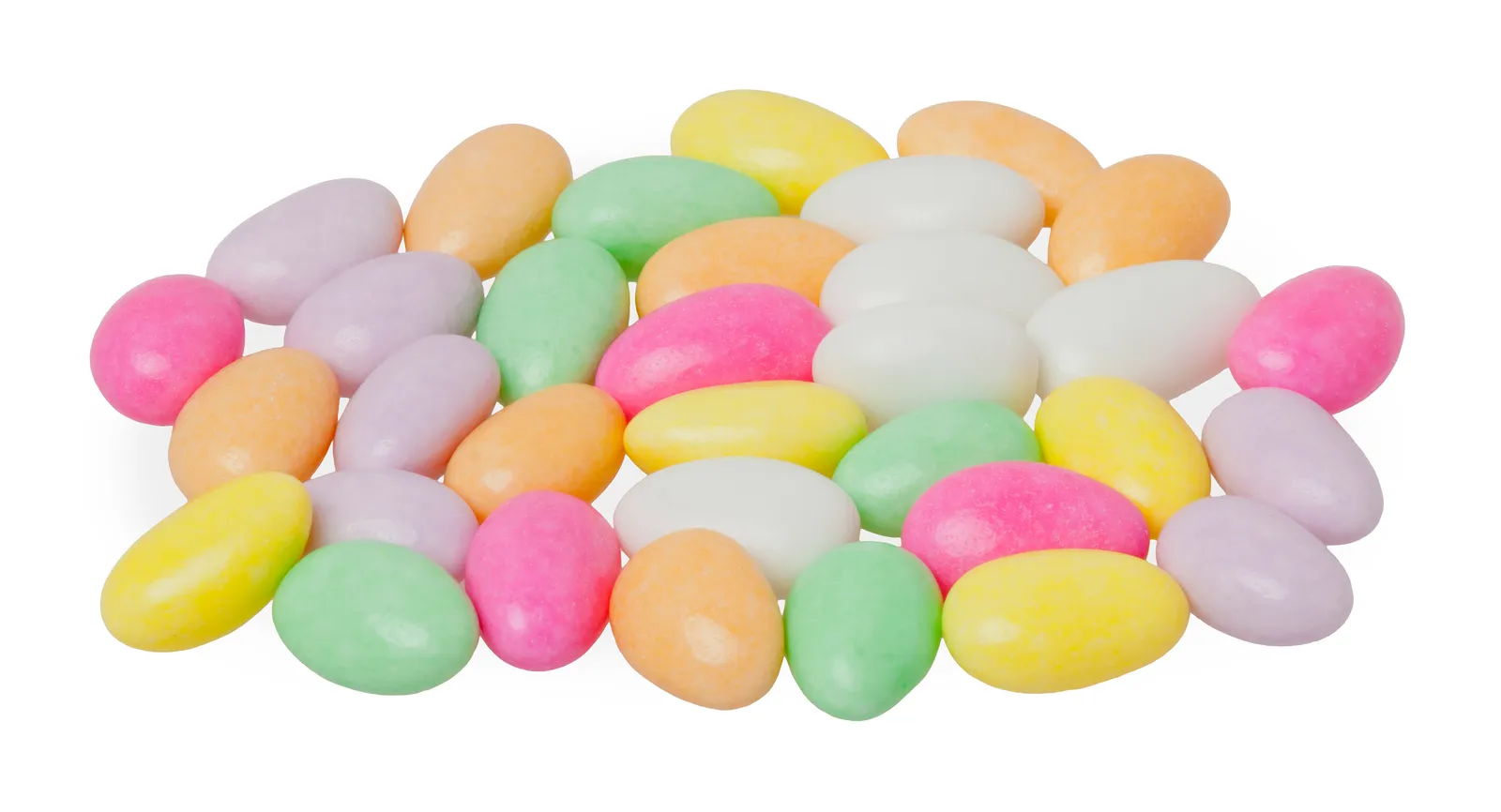
From the 1600s to the 1800s or so, the sugar plum, also known as a “comfit” or “dragée,” was a popular candy made from just two key ingredients: sugar and a center of either seed, nut, or spice. There was no plum involved. Usually, these centers were almonds, caraway seeds, or cardamom seeds, but they could also be coriander, fennel, walnut, aniseed, cinnamon, or ginger.
The Oxford English Dictionary notes that “sugar plum” was used interchangeably with “comfit,” so it could refer to any sweet involving a seed, nut, piece of spice, or other edible bit coated in hard sugar. The fruit was never the point. The sugar was.
The Word “Plum” Did Not Mean What You Think
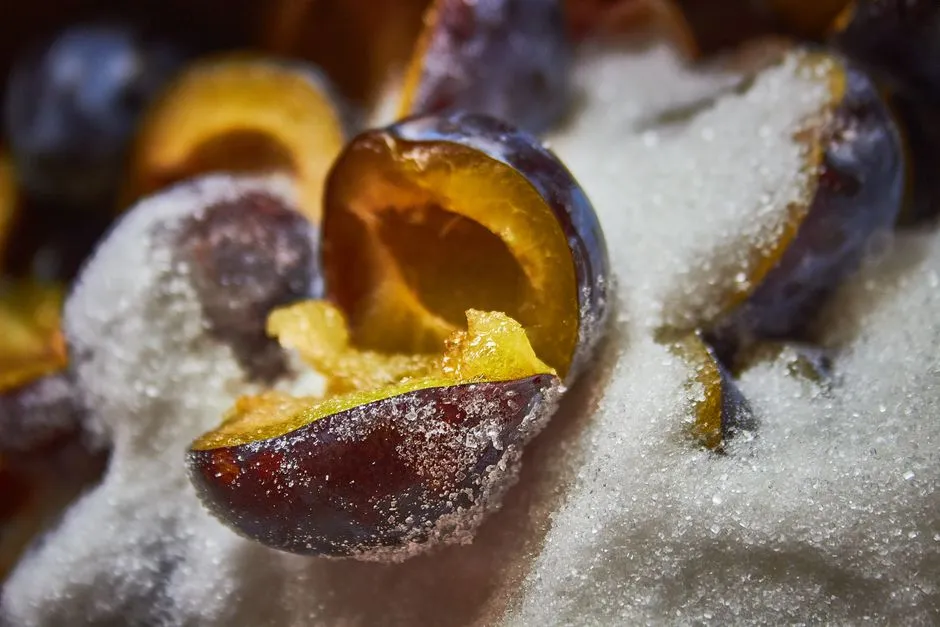
Around 1600, “sugar-plum” was used figuratively to mean “something sweet or agreeable.” As a type of small, round, flavored candy made of boiled sugar shaped into a ball or flat disk, the word appeared by the 1660s. The connection to the actual fruit was more about shape and desirability than ingredients.
“Plum” at the time referred to the word “good.” So “sugar plum” effectively meant “good sugar.” The word “plum” was also recorded in 1780 as meaning “something desirable.” These older definitions help explain why the name stuck long after real plums were forgotten.
The Craft Behind the Candy
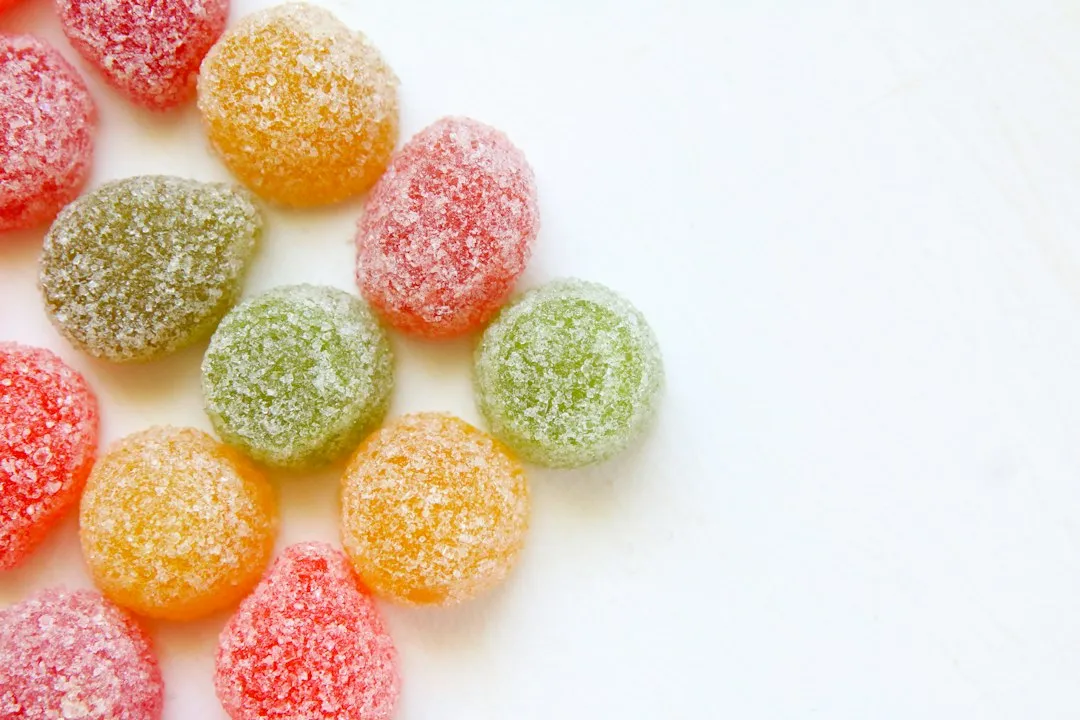
Liquid sugar would be poured repeatedly over the nut or seed center until a hardened confectionary shell formed around it. To ensure the coating developed evenly, the sweets were rolled back and forth continuously in a hot pan over a low fire in a process known as “panning.” Often, the confectioner would stop once there were around 30 layers of the smooth, glass-like candy shell, making it about the size of a plum.
So the name “sugar plum” probably describes the size and shape of the sweet, not any fruity ingredients. That is a subtle but crucial distinction, and it took historians quite some time to establish it clearly. Before mechanization of the process, it often took several days, and thus the sugar plum was largely a luxury product.
Who Was Making These Sweets
In essence, sugar plums are sugar-coated seeds or nuts first made in the 17th century. They were made by skilled craftsmen who apprenticed for years, absorbing the nuances of a highly demanding trade. These were not home kitchen confections. Making them well required real expertise and patience.
Although some nineteenth century English cookery books described how to make them, the majority of sugar plums enjoyed by dreamers and holiday revelers were made by professional confectioners. They must have been expensive given the painstaking process. Thus, sugar plums were a pricey indulgence generally reserved for those with money and status.
The First Time the Name Appeared in Print
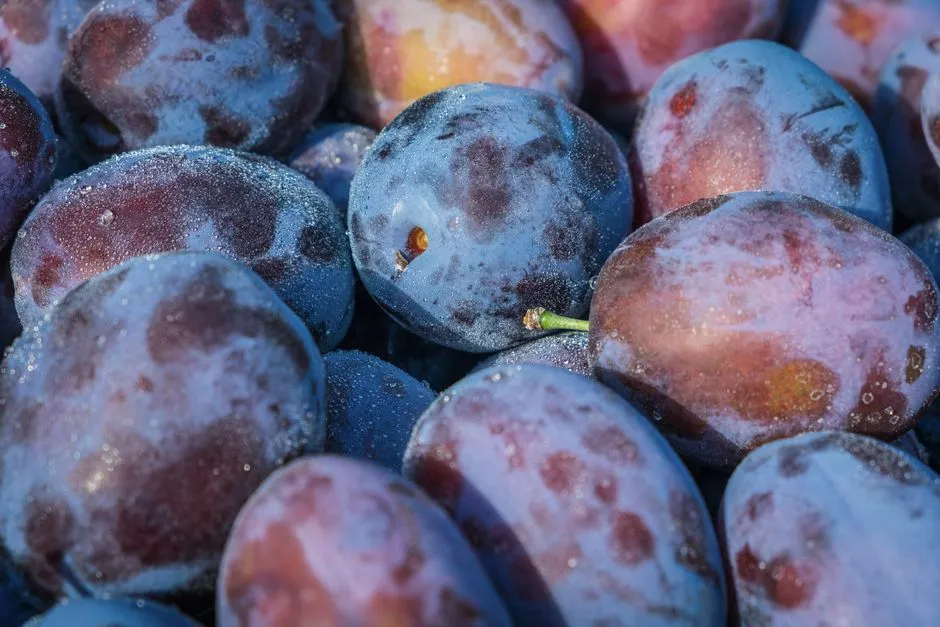
The name “sugar plum” appeared in Thomas Dekker’s “Lanthorne and Candlelight” in 1608, but had nothing to do with plums, prunes, or any sort of poached fruit. It was used in a figurative sense, referring to something pleasing used to win someone over. Given the cost and time involved in producing them, the sugar plum became associated with bribes. If someone was giving a bribe, they were said to be stuffing that person’s mouth with sugar plums.
The Oxford English Dictionary traces the term to mean “something very pleasing or agreeable, especially when given as a sop or bribe.” It is a telling detail that the first documented use of “sugar plum” in English referred not to a recipe but to a social transaction.
How Sugar Made Them Affordable Over Time
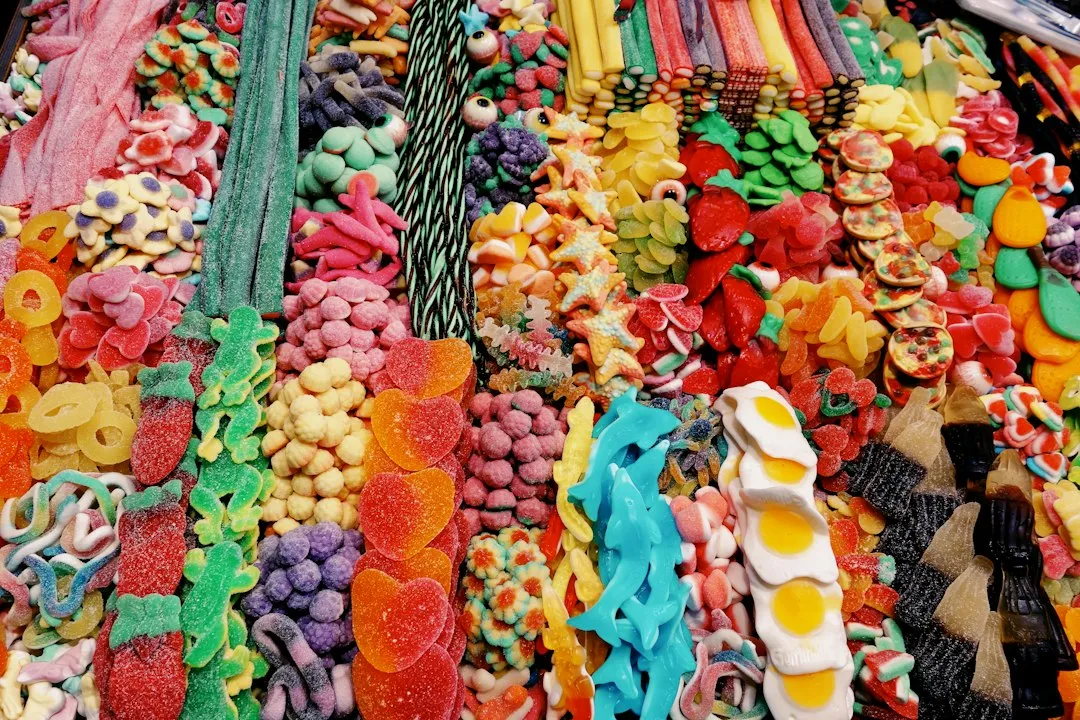
In the 1700s, sugar plums were often sold in paper cones. As sugar became cheaper in the 1800s, sugar plums became a popular sweet that most people could afford. What was once a luxury for the wealthy gradually spread down the social ladder as global sugar trade expanded and prices fell.
Sugar plums often appeared in colors such as red from saunders or cochineal, green from spinach juice, blue from indigo, or yellow from saffron, all derived from natural dyes added during coating. The visual appeal was part of the product. A handful of them glittering in a paper cone must have looked almost like jewels.
The Poem That Cemented the Myth
Sugar plums are mentioned in the poem “A Visit from St Nicholas” (commonly known as “‘Twas the Night Before Christmas”), which includes the line about children with “visions of sugar-plums dancing in their heads,” and there is also the Sugar Plum Fairy in The Nutcracker Ballet. These two cultural touchstones did more to preserve the word than any confectionery tradition could have managed on its own.
Wikipedia informs readers that sugar plums are candies made from any number of dried fruits, but as one Atlantic article points out, this interpretation is entirely contemporary. While candy manufacturers today create sugar plum products with artificial plum flavoring, these treats were dreamed up after, and perhaps because of, Moore’s poem. The myth, in other words, eventually created the product it originally had nothing to do with.
The Sugar Plum Fairy and Tchaikovsky’s Celesta
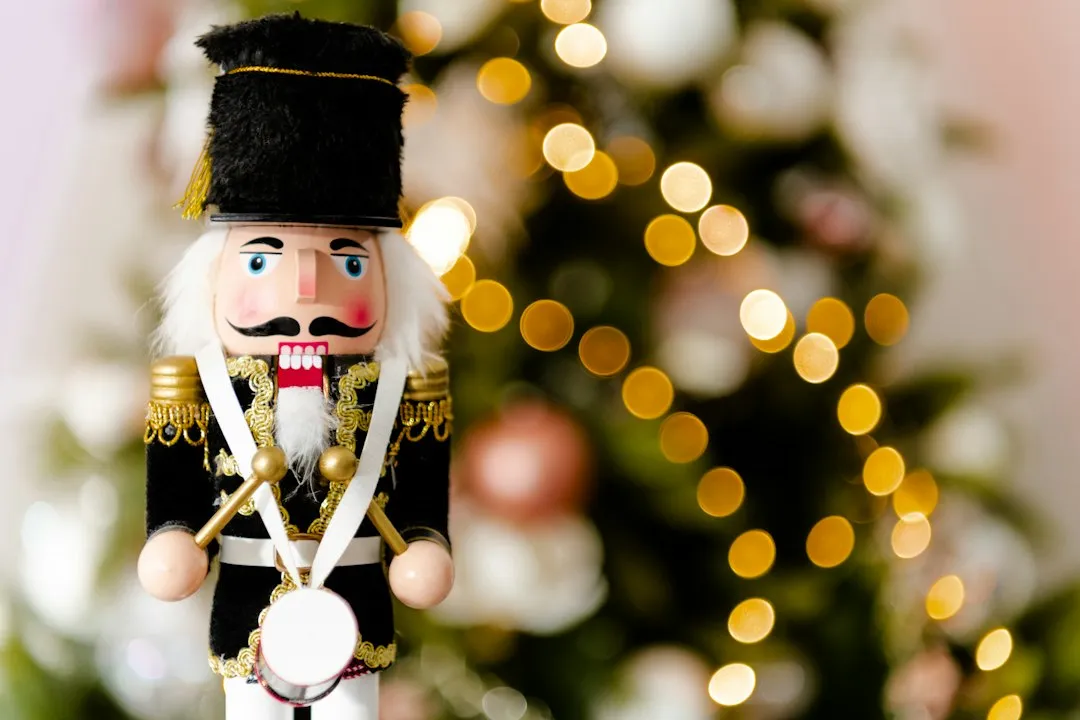
The Nutcracker was created as a ballet in 1892, with music by Pyotr Ilyich Tchaikovsky and choreography by Marius Petipa and Lev Ivanov. One of the ballet’s central characters, the Sugar Plum Fairy, is associated with one of the most recognisable pieces of Tchaikovsky’s music, which has since become associated with Christmas festivities throughout Europe and beyond.
Choreographer Marius Petipa wanted the Sugar Plum Fairy’s music to sound like “drops of water shooting from a fountain.” Tchaikovsky found the ideal instrument to do this in Paris in 1891. He used an instrument he discovered in Paris, the celesta, which produces a sound of ringing glass bells, to create the iconic sound we now associate with the Sugar Plum Fairy today.
Victorian Reinvention and the Shift in Meaning
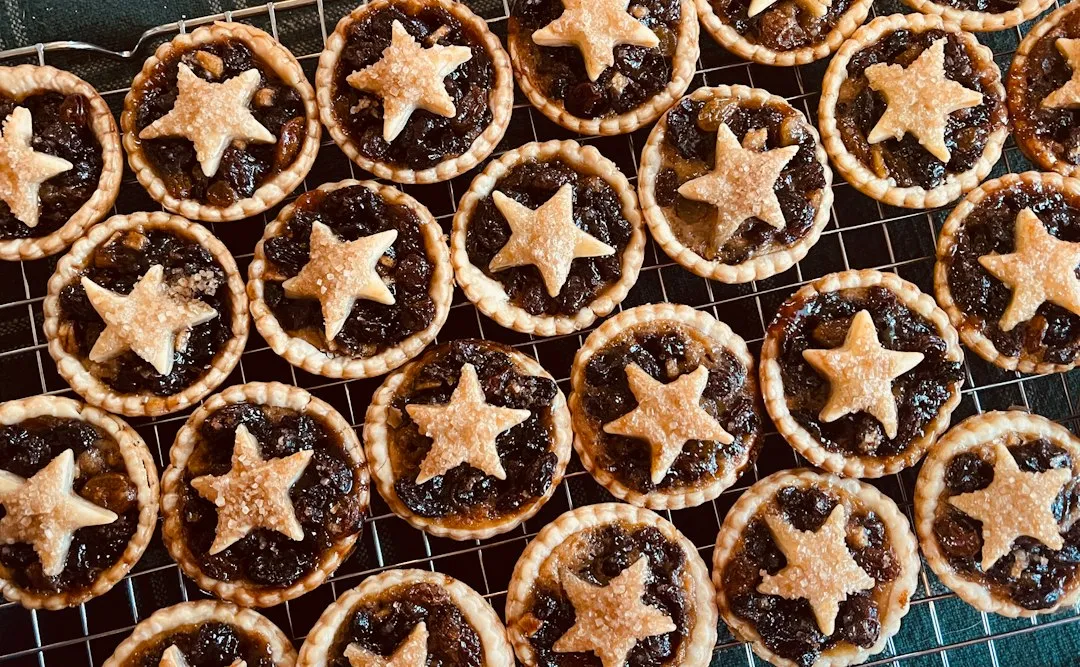
By the Victorian period, the term “sugar plum” was used to describe almost any sweetmeat, including small plum-shaped confections made from a mixture of chopped dried fruits, nuts, powdered sugar, and brandy, which served as a preservative. This is where the fruit connection finally crept in, though even then it was not specifically the plum fruit.
In the Victorian period, some medications, especially for worms, were sold as “sugar plums,” as the unpleasant medicine was coated in sugar to help children take them. The candy’s function as a disguise, whether for a bribe, a medicine, or an absence of plums, runs like a thread through its entire history.
The Modern Descendants of Sugar Plums
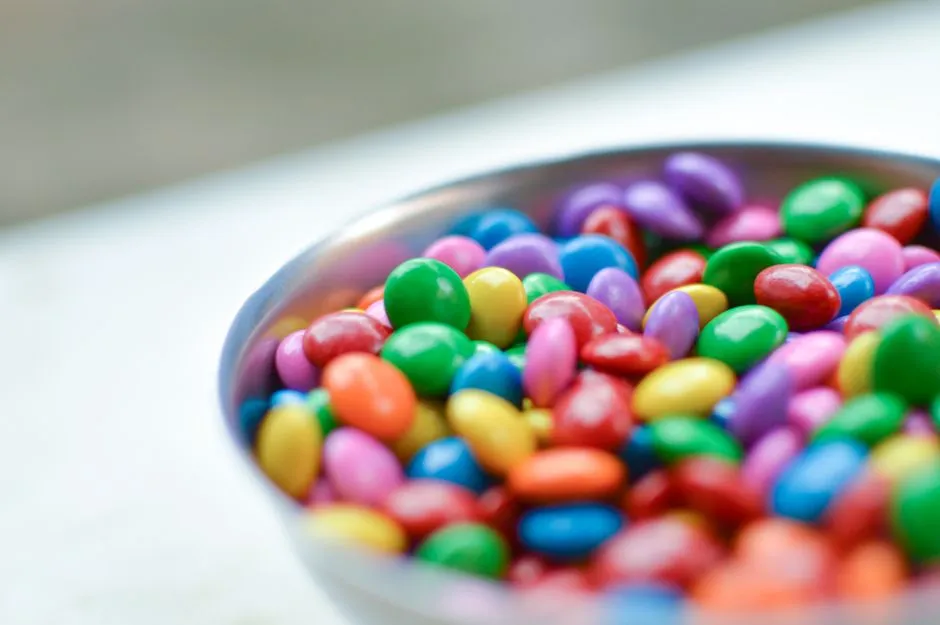
The closest candy to sugar plums today are sugared, or Jordan, almonds. The sugar-panning technique that produced those glossy shells centuries ago is very much alive, just mechanized and scaled up enormously. Today the process of sugar-coating a seed, nut, or sugar crystal is dubbed “panning” and it is a huge industry, encompassing the Jawbreaker, Boston Baked Beans, M&Ms, jelly beans, and Skittles.
In the 20th century, the labor-intensive panning process for traditional sugar plums, which involved manually layering sugar coats over nuts or seeds for hours or days, gave way to mechanization that reduced costs and made similar confections more accessible, though the original craft largely declined as modern candies dominated markets. The sugar plum’s legacy lives on in every candy-coated shell, even if the name itself has been forgotten.
The Takeaway
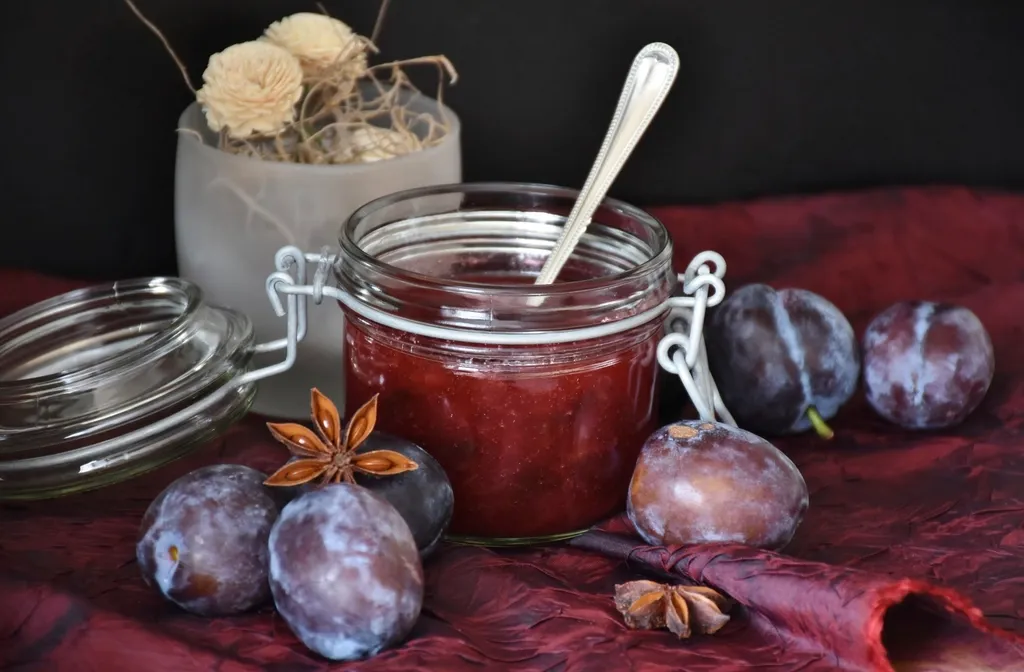
The sugar plum is, in its own quiet way, a perfect example of how names outlast their meanings. A word borrowed from shape, shaded by notions of desirability, adopted by poets and ballet composers, and eventually handed off to candy manufacturers who finally made the plum-flavor connection literal. None of it was ever really about plums.
What the history actually shows is a confection built on craft, expense, and cultural aspiration. First recorded between 1600 and 1610, the word “sugarplum” always pointed to a small, rounded mass of hardened sugar approximately the size of a plum, not a fruit at all. The dancing visions in the poem were always just sugar, shaped into something that resembled something else, which is perhaps more poetic than the original version of the story.
AI Disclaimer: This article was created with the assistance of AI tools and reviewed by a human editor.