

Moss Is Not Like Other Plants
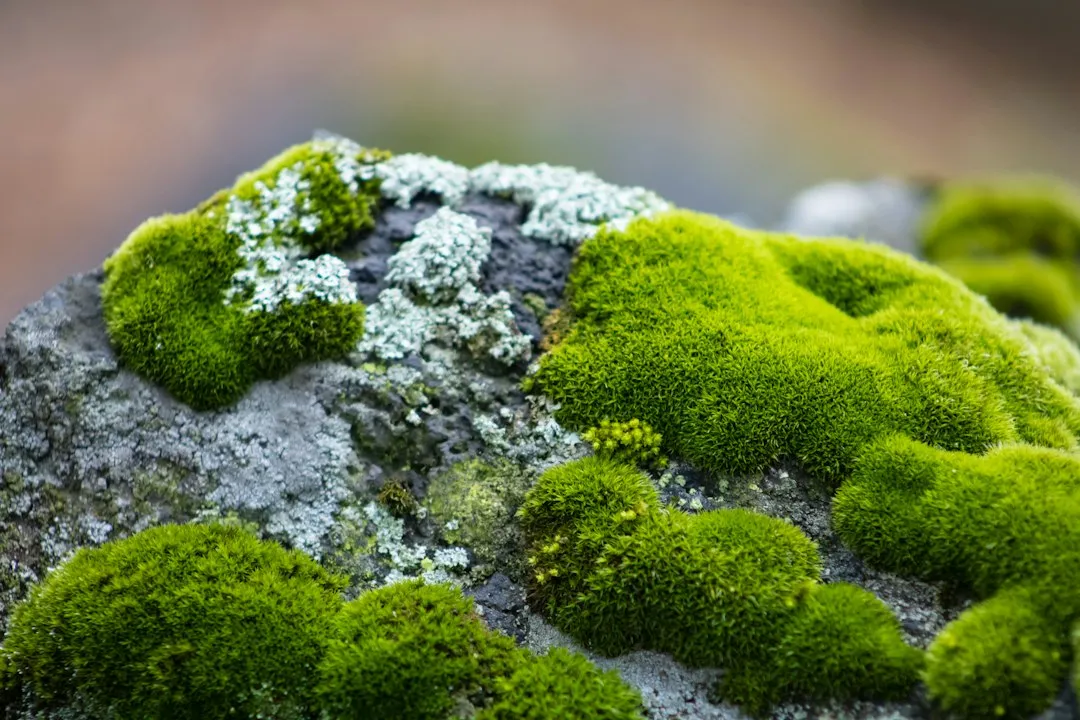
To understand why moss keeps its color through winter, it helps to start with what moss actually is. Moss is an evergreen ground cover that obtains all its nutrients from the air and from rainfall, and it has no true roots. That rootlessness is not a weakness. It’s part of what makes moss so resilient in cold conditions when frozen ground renders deep roots useless.
Moss has no water-carrying tubes inside it that could burst when water freezes. Vascular plants move water through internal channels, and those channels become dangerous liabilities in a hard freeze. Moss sidesteps the problem entirely by having no such system to protect.
The Role of Chlorophyll Retention
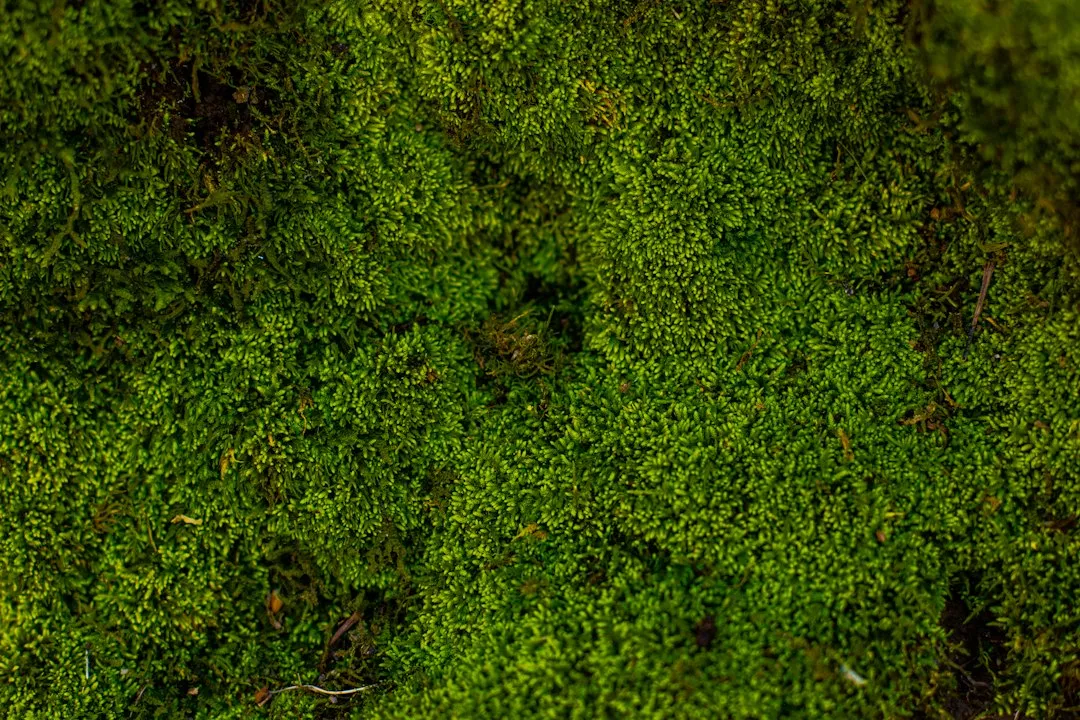
The green color in plants comes from chlorophyll, the pigment responsible for capturing light during photosynthesis. Most deciduous plants break down their chlorophyll in autumn as days shorten, which is why leaves turn red, orange, and yellow before falling. Moss, however, retains its chlorophyll through winter.
The cell tissue of sphagnum moss consists of a network of living cells, which appear green due to chlorophyll. Holding on to that pigment costs the plant a small amount of energy, but it also means moss can respond immediately the moment light and water return, rather than rebuilding its photosynthetic machinery from scratch each spring.
Poikilohydry: The Art of Going with the Flow
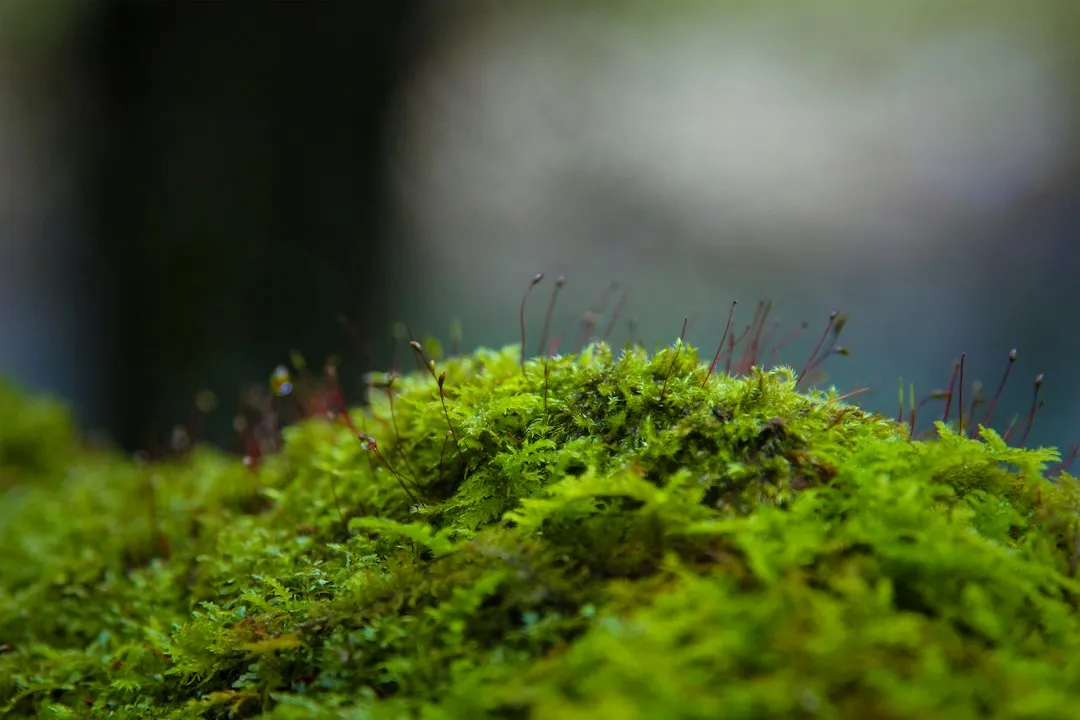
One of the reasons moss is able to survive in the winter is through a process called poikilohydry, a term used to describe the ability of certain plants, such as mosses, liverworts, and some ferns, to survive in a dormant state when conditions are unfavorable for growth, allowing these plants to survive in environments where water is scarce or temperatures are extreme.
Unlike most plants that maintain a stable internal water content, poikilohydric mosses can equilibrate their water content with that of their environment, surviving the loss of free water from their cells. Think of it as moss simply mirroring whatever the environment gives it, rather than fighting against it. When water becomes available, even in small amounts, they can rapidly rehydrate and resume metabolic activity.
Dormancy Without Death
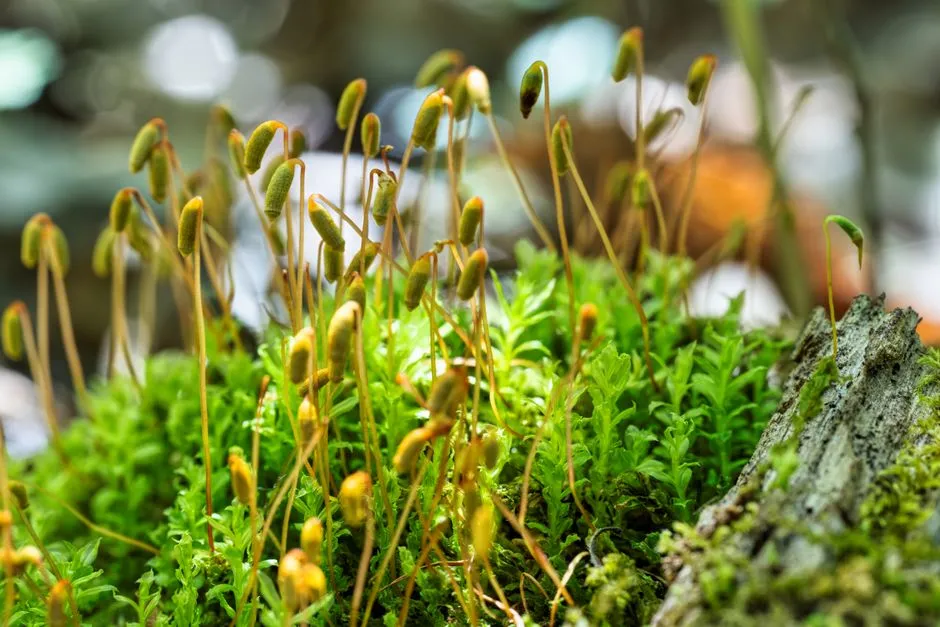
Moss goes dormant in the cold, it does not die. This is a distinction worth sitting with for a moment, because it explains the visual trick moss performs every winter. Despite being dormant, moss will remain green all winter, waiting for the thaw to come out of dormancy.
This moss remains persistent even under thick layers of snow and freezing conditions during winter by entering an anabiotic state and then resuming normal functions upon the return of favorable conditions. An anabiotic state is essentially suspended animation, a metabolic pause rather than a shutdown. The plant is still structurally intact, still green, just waiting.
Snow as a Winter Blanket
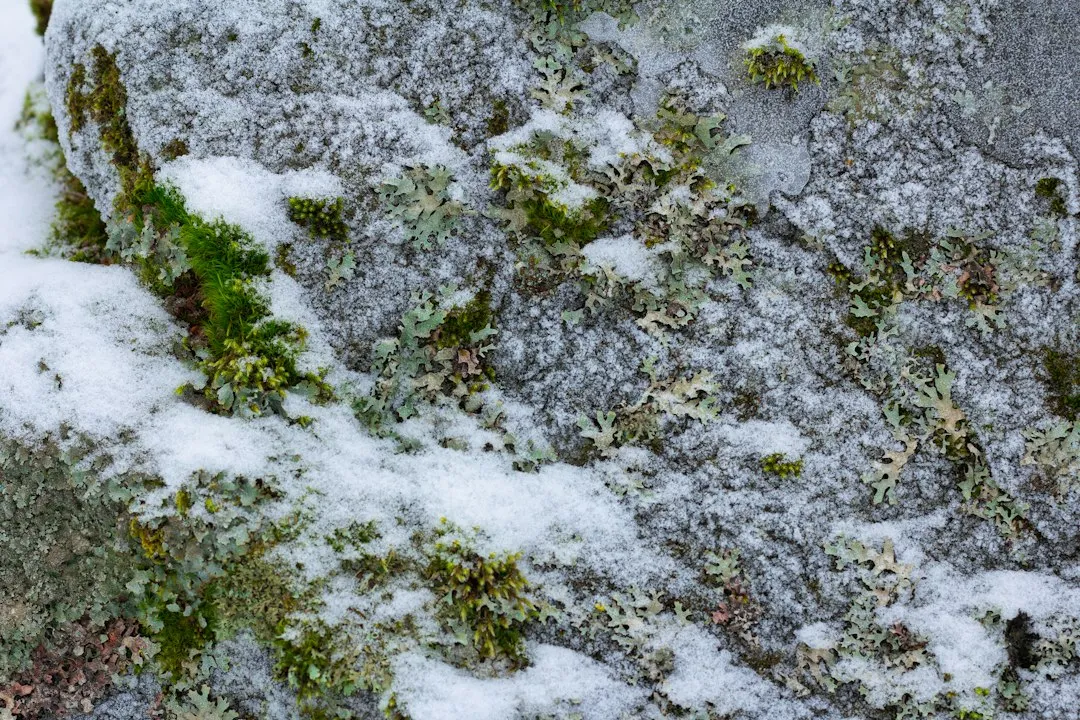
Snow looks like a harsh environment for a plant, but for moss, it can actually be protective. In the darkness of winter when the sun disappears for months, the ice and snow act like a protective blanket buffering the moss from wind damage and extreme cold temperatures, which in some regions can plummet to minus 40 degrees Celsius.
Moss can actually photosynthesize under snow. In mixed forests where some trees have dropped their leaves, sunlight filters more easily through the canopy and can penetrate shallow layers of snow. Snowmelt can occur even while snowpack is still present, providing the moisture necessary for photosynthesis. Because snow insulates, it provides a buffer for higher temperatures that allows photosynthesis to proceed.
Built-In Antifreeze
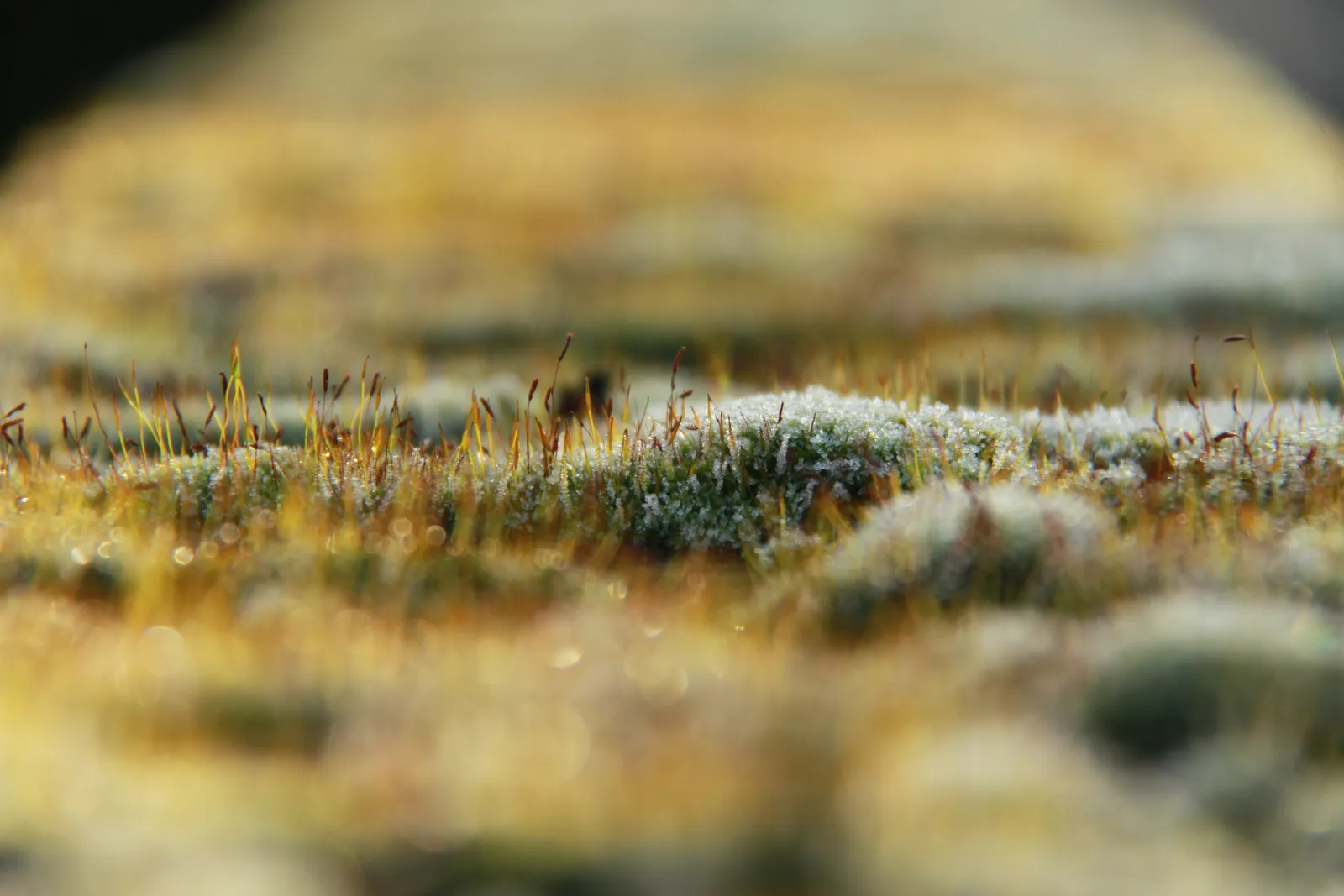
Mosses don’t die off in winter. They have a natural antifreeze which means they can tolerate very low temperatures. This antifreeze capacity comes partly from soluble sugars and other compounds within moss cells that lower the freezing point of cellular water.
Research published in the journal Photosynthesis Research noted that the freezing point of mosses has been shown to range between approximately minus 3 and minus 8 degrees Celsius, differing between species or at different states of moss health related to soluble carbohydrate content. Sphagnum moss pushes this even further. Sphagnum mosses, which are found all over the world in rainy, cold regions, can withstand temperatures as low as minus 80 degrees Celsius.
Photosynthesis on Mild Winter Days
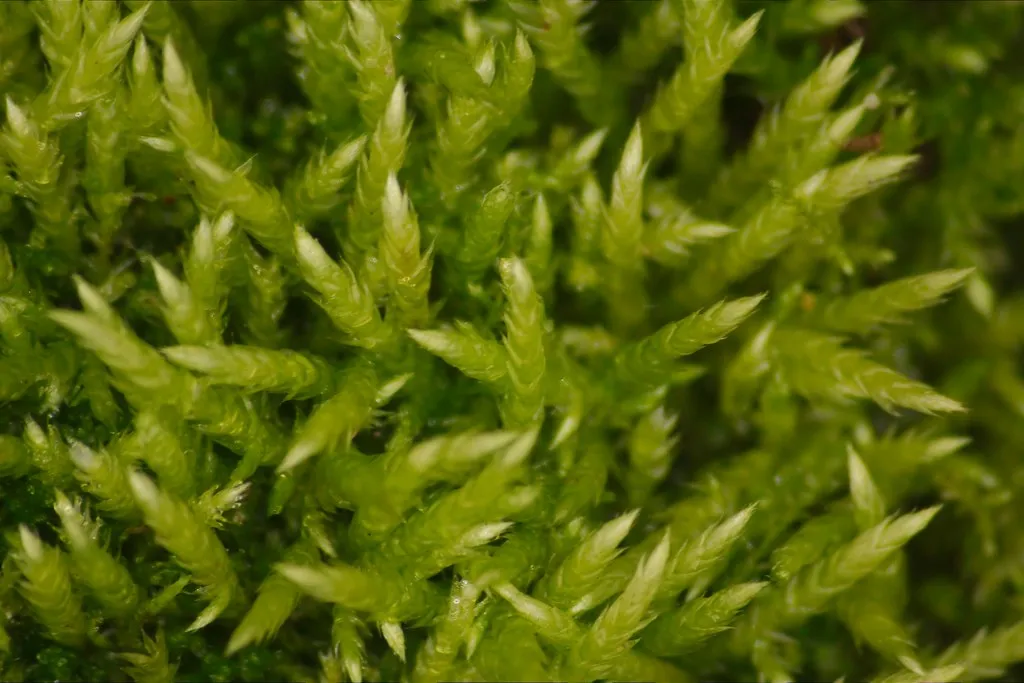
Moss doesn’t simply wait out winter in complete silence. On warmer days, it can quietly get back to work. On mild days above freezing it can wake up and photosynthesize again, even in the middle of winter. That is why you will often see bright green moss on rocks and logs in January while everything around it is brown and grey.
A November 2024 study published in the journal Plants confirmed this responsiveness, finding that peat moss starts photosynthetic activity earlier because it relies on light-dependent energy dissipation through the winter, and peat mosses are able to quickly react on even shorter periods of favorable conditions during winter by increased rates of photochemistry. Even a few hours of mild, bright weather is enough to trigger a brief metabolic pulse.
Fatty Acids That Keep Cells Flexible
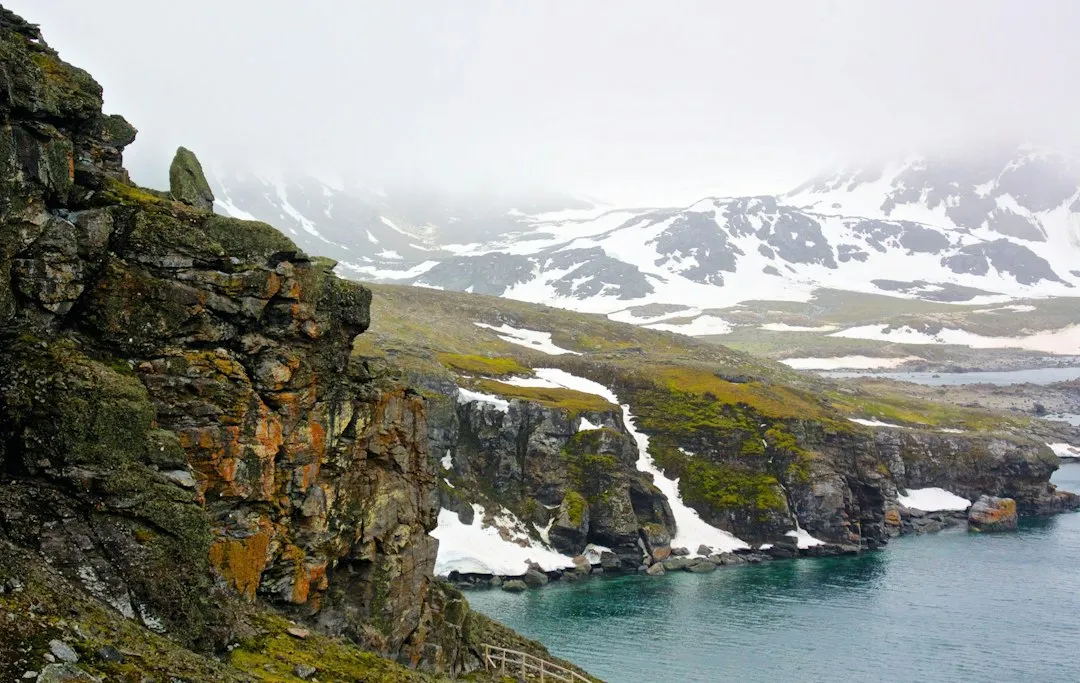
Recent research has revealed another layer to the cold survival story. New research shows Antarctic moss can grow and survive in freezing, harsh conditions by using special fats that keep its cells flexible, helping it cope with extreme cold and other stresses. Cell membranes that become rigid in cold temperatures are a serious problem for most organisms, so keeping them fluid is critical.
A study published in October 2024 in AoB Plants from researchers at Niigata University in Japan found that mosses grown in Antarctic conditions contained elevated levels of fatty acids, particularly alpha-linolenic acid and arachidonic acid, and a higher proportion of unsaturated fatty acids. Unsaturated fats remain flexible at low temperatures, allowing the cell membranes to continue functioning even when it’s bitterly cold.
Pigment Adjustment in Deep Winter
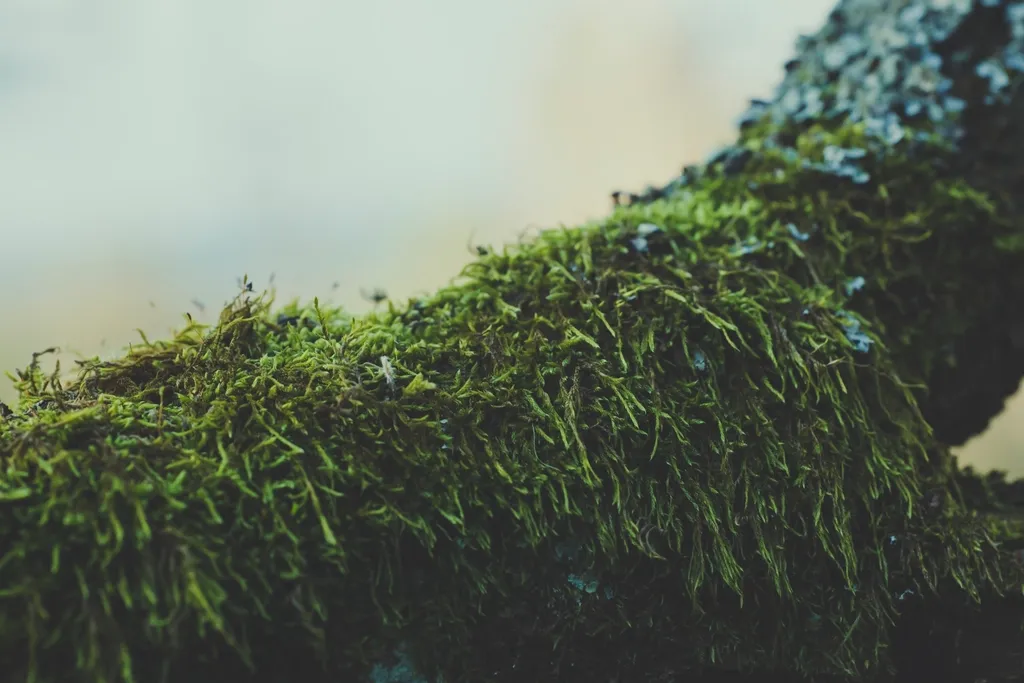
When moss is completely buried under ice and snow and no photosynthesis is possible, it doesn’t just sit still. Its pigment systems adjust to match the reduced light environment. In winter when the mosses are covered by ice and snow, their pigments can adjust to cope with the shaded environment. This kind of fine-tuned self-regulation is rare among plants.
Studies on Antarctic mosses revealed their remarkable resilience to extreme environmental conditions, particularly low temperatures and freeze-thaw cycles. These plants employ photoinhibition as a protective mechanism by down-regulating photosystem II to prevent damage, allowing them to recover under favorable conditions. Essentially, moss knows when to protect its own engine rather than run it into the ground.
Sphagnum: Winter’s Most Resilient Moss
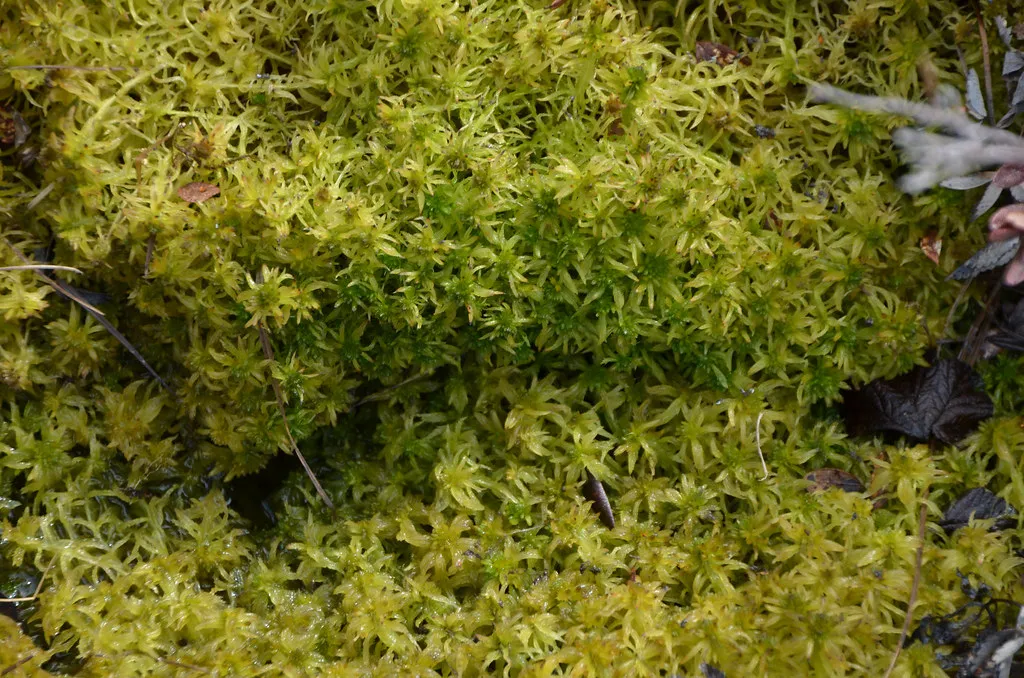
Among moss species, sphagnum stands out as a particularly remarkable winter performer. A walk across a frozen moor reveals that sphagnum mosses remain green beneath the ice. For sphagnum mosses, winter is not a period of dormancy at all, as they continue to grow, albeit much more slowly due to the cold.
A 2024 study in the journal Plants specifically examined sphagnum’s winter behavior and found that peat moss starts photosynthetic activity earlier because it relies on light-dependent energy dissipation through the winter. When the thaw finally comes, as soon as it gets warmer, the peat cushions become saturated with water, which quickly absorbs the sun’s warmth, allowing them to rapidly ramp up their metabolism after the cold winter. This spring reawakening happens faster in moss than in almost any other plant.
The Takeaway
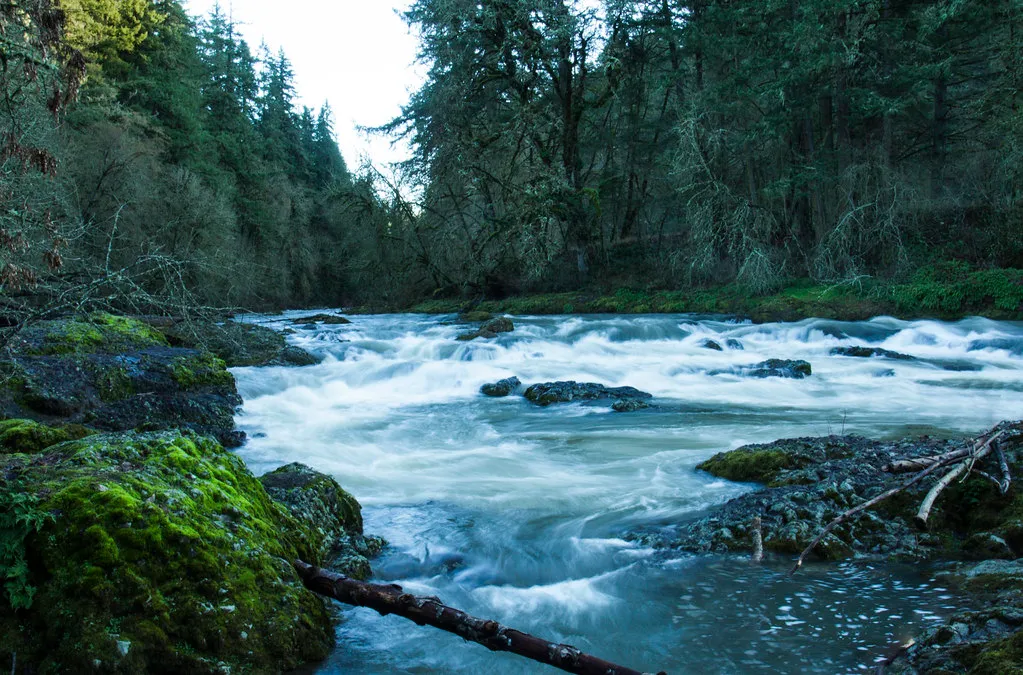
What moss does every winter is not a trick or a fluke. It is the product of roughly 450 million years of evolutionary refinement, a toolkit built for surviving conditions that would permanently damage most plants. No roots to freeze, no rigid membranes, no dependence on internal water transport. Just chlorophyll, clever chemistry, and an ancient patience.
The next time you spot that stubborn patch of green in a grey, frozen landscape, it’s worth pausing for a second. What looks effortless is quietly one of the more sophisticated survival acts in the plant world.
AI Disclaimer: This article was created with the assistance of AI tools and reviewed by a human editor.