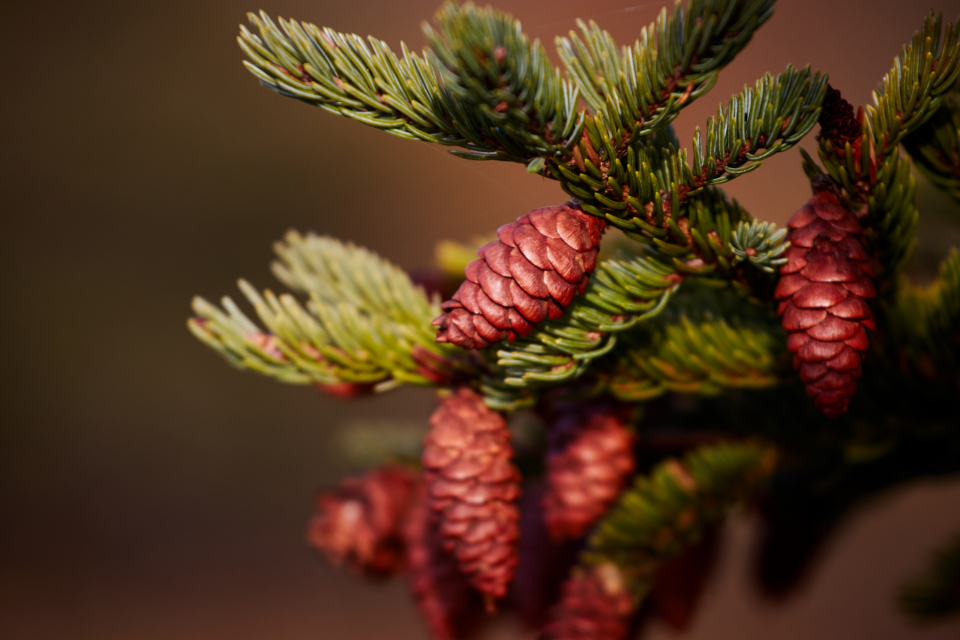

Fraser Fir: The Needle-Retention Benchmark
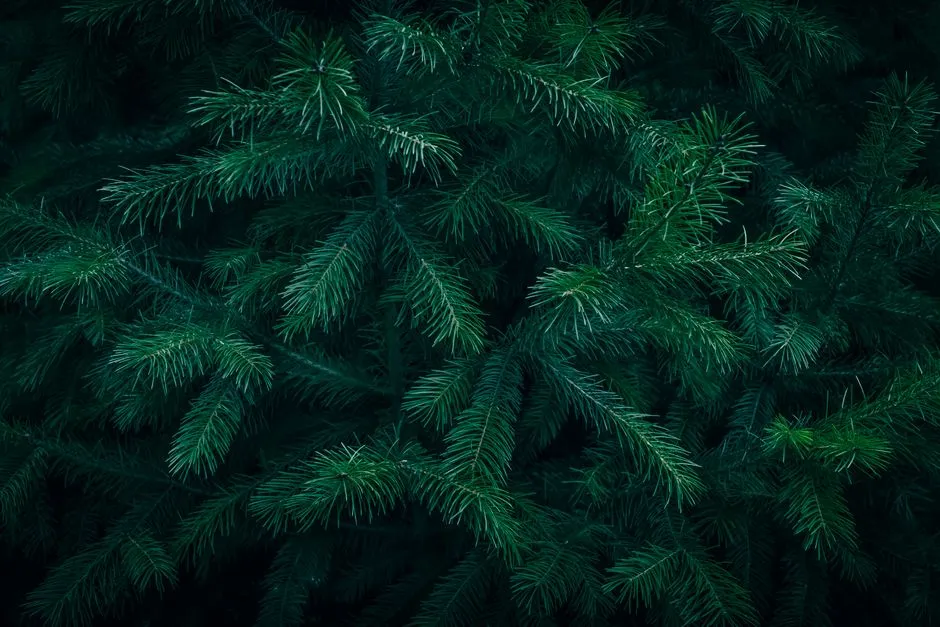
The Fraser fir is identifiable by its needles, which are dark green on top and silver underneath. It’s a tree that earns its reputation rather than just inheriting it. Experimentally, most conifers experience the highest level of needle loss 40 days following harvest, but Fraser firs can hold onto their needles for several months, which is one of the key reasons they’re so popular.
NC State Extension rates the needle retention of Fraser fir as excellent and reports its hold after cutting as better than that of every other species except the Noble fir, which keeps pace. According to a 2004 Penn State study, Fraser firs maintained their needles and color throughout a 40-day indoor display experiment, while Canaan firs showed more variable needle loss.
Fraser fir is America’s most popular Christmas tree variety, followed by Douglas fir in second place and noble fir in third, according to NOAA. Roughly one in three households across the US that get a real tree choose a Fraser fir, according to USDA data.
Noble Fir: The Pacific Northwest Powerhouse

Among all Christmas tree varieties, the Noble fir stands out for longevity, staying fresh for six to eight weeks with proper care. That’s a genuinely impressive window for a cut tree sitting in a heated room. Its dense, symmetrical shape supports heavy ornaments without drooping, and its subtle, woodsy fragrance fills the room with a classic evergreen aroma.
Oregon State describes it as the species least likely to shed needles, and its four-sided needles over an inch long are twisted upward, with stiff branches capable of holding large, heavy ornaments. Native to the high elevations of the Pacific Northwest, the Noble fir thrives in cool, damp conditions that help it retain moisture longer.
Nordmann Fir: The UK and European Favourite
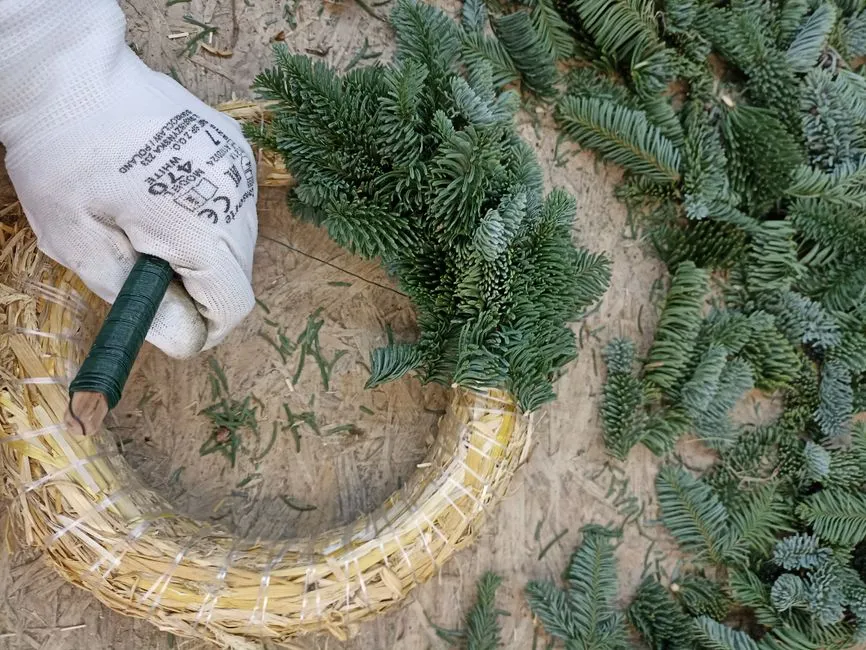
The Nordmann fir’s glossy, dark green needles stay firmly attached even in warm, dry rooms for five to six weeks. This quality has made it the go-to choice across much of Europe for good reason. Increasingly popular in Britain, the Nordmann fir is now the country’s biggest-selling Christmas tree. It’s slightly more expensive than a Norway spruce, but it crucially retains its needles for longer.
Darker than almost any other fir, the Nordmann fir features glossy, dark green needles and excellent needle retention. Oregon State University Extension also notes it keeps well after harvest, though the occasional individual tree may drop early. For anyone who puts their tree up in early December, this is likely the most practical choice available in European markets.
Scotch Pine: The One That Holds Even When Dry
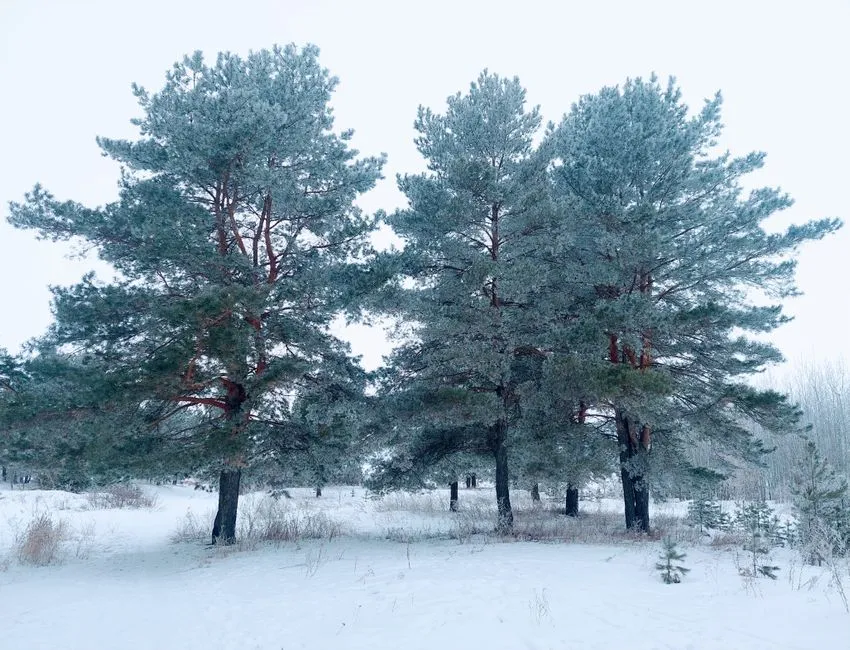
Scots pine, also known as Scotch pine, has particularly strong needle retention. Its needles can remain attached even after they’ve dried out, so a full-looking tree isn’t necessarily a fresh one. That’s a quirky trait worth knowing before you buy. The Scotch pine is one of the most durable Christmas tree species, with strong branches that hold a lot of weight, and it holds onto its needles very well, even as the tree dries out, reducing cleanup time.
Scotch pine rates “excellent” for needle retention, with its needles holding even when the tree is dry, and its stiff branches suit both light and heavy ornaments. Fraser fir, noble fir, and Scotch pine all rate excellent for needle retention, placing these three firmly in the top tier across most comparative guides.
Balsam Fir: Classic Scent, Solid Staying Power

The Balsam fir is renowned for its conical shape and fragrant, long-lasting needles, making it the shape template for countless artificial trees sold worldwide. Its needle retention is genuinely good, though it trails the Fraser and Noble slightly. The Balsam fir rates “good” for needle retention, lasting approximately three to four weeks, and carries the strongest, most classic Christmas scent of any variety.
Balsam fir trails Fraser a little in needle retention, as noted by Illinois Extension, though it remains a reliable performer for the typical holiday display period. If scent is as important to you as longevity, this tree offers the best combination of both. It’s hard to beat in a room where fragrance matters.
Concolor Fir: The Underrated Contender
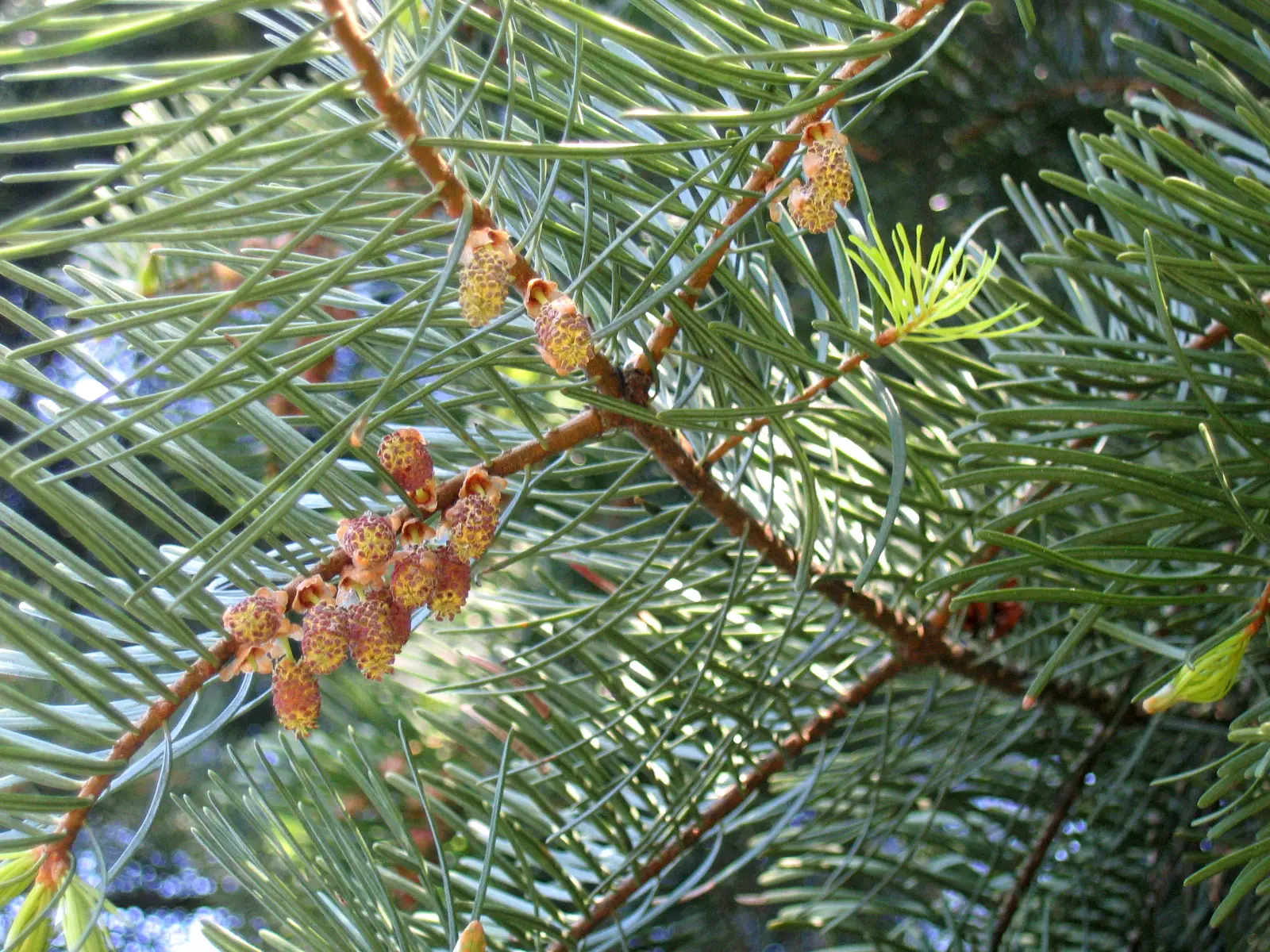
The Concolor fir, sometimes known as the white fir, has a stately and symmetrical form and holds ornaments well. Its needles are longer than most other firs commonly grown for Christmas trees, and they carry a unique pleasant scent usually described as citrusy or orange-like. With bluish-colored needles similar to blue spruce but softer and blunt at the end, it has a pleasing natural shape and good needle retention.
The Concolor fir offers exceptional needle retention and a soft texture, making it family-friendly in homes with curious children or pets. It’s not always easy to find at every lot, but growers in the western United States produce it in solid numbers, and it’s becoming steadily more common.
Douglas Fir: Popular but Needs Good Care
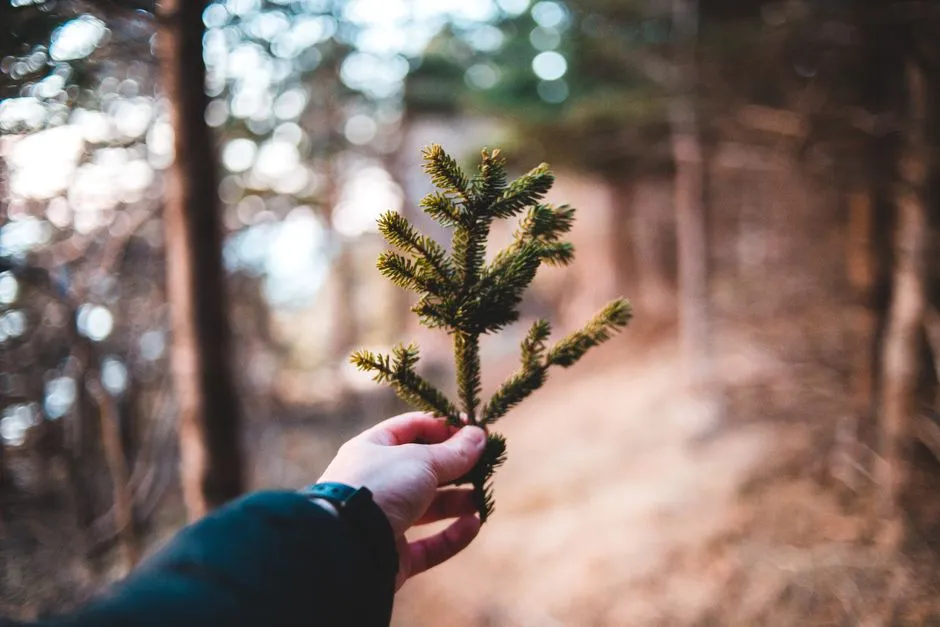
Dense with soft, light green needles and a pleasant scent, the Douglas fir is one of the most popular Christmas tree species. Because the branches are not as stiff as some other species, it’s best decorated with lightweight ornaments. Buying a Douglas fir that has been freshly cut and keeping it well watered gives the best needle retention results.
Very popular in the US since the 1920s, the Douglas fir has soft, dark green or blue-green needles and is known for good needle retention and a lovely citrus fragrance. It’s worth noting that it isn’t technically a true fir at all. Douglas fir carries “fir” in its name, yet it belongs to its own genus, Pseudotsuga. That botanical detail doesn’t change how it performs in your living room, but it explains why it behaves slightly differently from the Abies species above.
Colorado Blue Spruce: Striking but Sharp
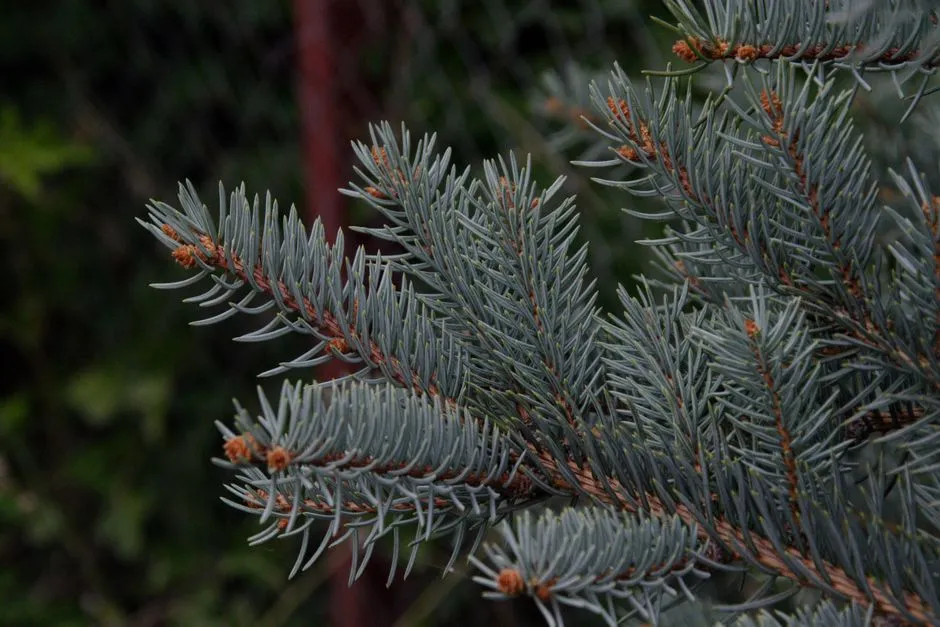
Colorado blue spruce is noted among trees with the best needle retention, alongside Fraser fir and Scotch pine. Its striking silvery-blue color makes it one of the most visually distinctive trees on any lot. Although it has good needle retention, its needles are sharp, so it may not be suitable for families with pets and children.
Wearing gloves when you handle it is advisable, because those needles can be particularly sharp. Douglas fir, pines, and blue spruce are typically reliable for around three weeks, placing Colorado blue spruce solidly in the mid-range for longevity. It’s visually rewarding, but requires some extra handling caution.
White Pine: Soft and Gentle, Decent Retention

White pine also holds its needles well and has soft foliage, though its flexible branches are better suited to lighter decorations. It’s a quieter choice, less dramatic than the deep blue spruce or the dense Noble fir, but pleasant in its own way. The long, soft, and flexible needles of the white pine give the tree a more relaxed, airy look.
White pine is also worth considering for allergy-sensitive households, as it produces comparatively little sap and carries a mild scent. Its needle retention is decent rather than outstanding, sitting comfortably in the middle of the pack. For those who prefer a lighter, less resinous tree with a gentle appearance, it’s a reasonable pick.
Norway Spruce: The Traditional One to Buy Late
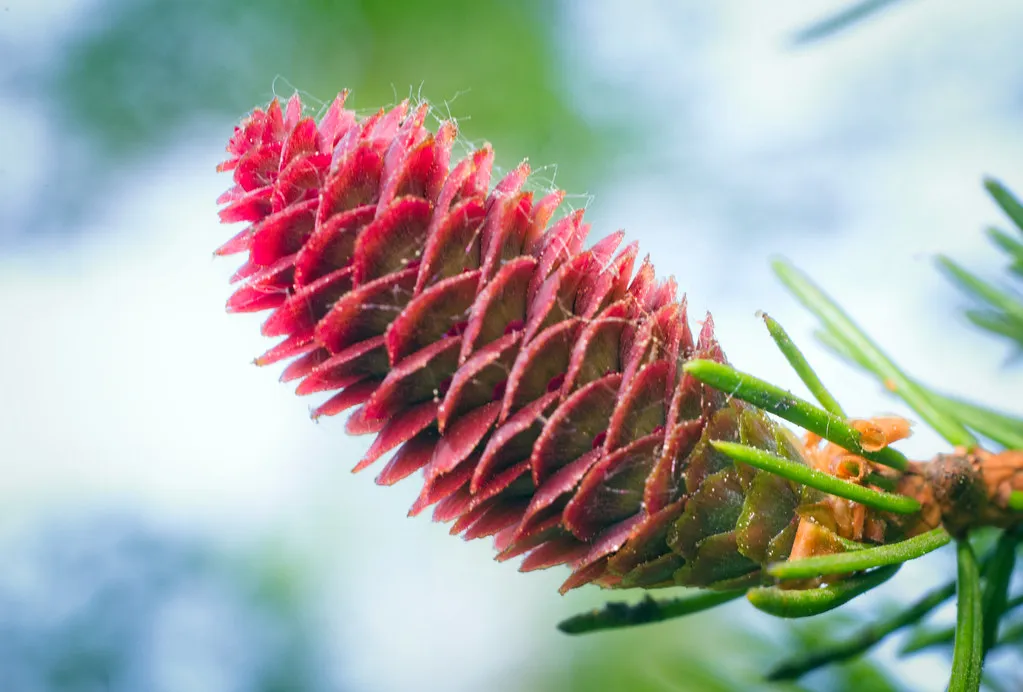
The traditional cut Christmas tree in Britain for many years, the Norway spruce features short, bright green, pointed needles that drop quickly. Its reputation for shedding is well-earned. Norway spruce tends to have a somewhat shorter needle retention period, with two to three weeks being standard.
Norway spruce is less common on American lots, and it does not hold its needles well, so it should be purchased just a week or so before Christmas Day. Avoid Norway spruce if needle drop is a concern, as it has largely been replaced in the UK by Nordmann fir due to its significantly better needle retention indoors. There’s something genuinely charming about its traditional scent and shape, but it demands a shorter display window than almost any other species on this list.
The Science Behind Why Some Trees Hold Longer
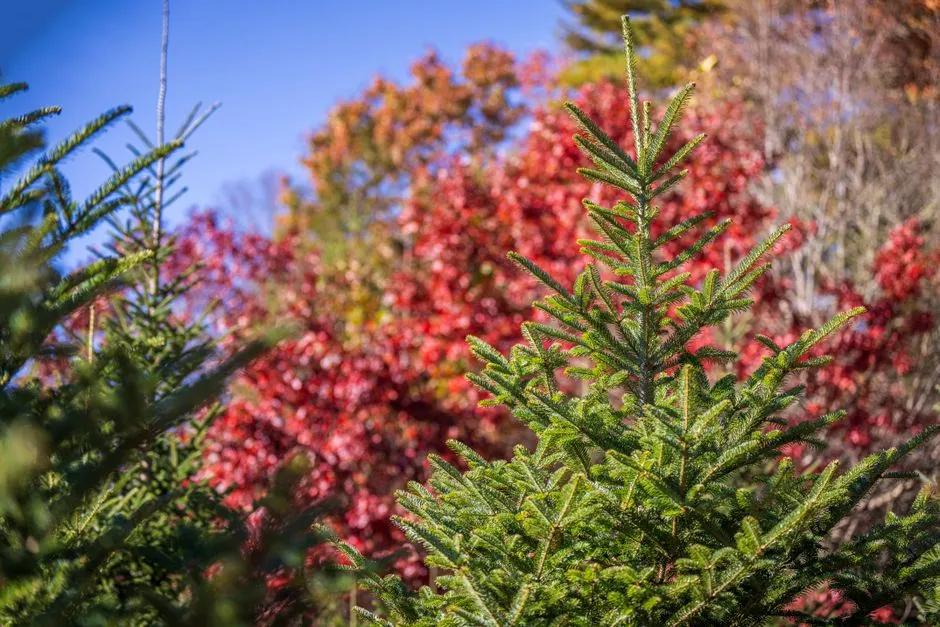
A Fraser fir’s ability to retain its needles after harvest is almost entirely controlled by its genetics, but it can also be affected by environmental conditions. When exposed to freezing temperatures, a Fraser fir will retain upwards of 95 percent of its needles. Christmas tree growers face pressure to produce greenery earlier every year, so they need trees that will retain needles under warmer-than-average temperatures.
NC State researchers are actively working to develop “elite” Fraser fir trees that look better, grow faster, and retain their needles longer. The Fraser firs developed by the Christmas Tree Genetics Program are expected to lose less than one to two percent of their needles, even in the absence of cooler temperatures. This is a genuinely active area of research, and it points toward an interesting future for the Christmas tree industry.
Research has also shown that later harvest dates and lower storage temperatures improve postharvest needle retention in Fraser fir. The Real Christmas Tree Board notes that care counts as much as species, because storage at the lot and watering at home both affect needle retention significantly. Even the best-species tree will underperform if it sat in a warm parking lot for three weeks before you bought it.
The Takeaway
If needle retention is your single biggest priority, the evidence points clearly toward Noble fir and Fraser fir at the top, with Nordmann fir and Scotch pine close behind. Each has its own character, branch strength, and scent profile, so the best choice still depends on what matters most in your home.
What the research consistently confirms is that species sets the ceiling, but freshness and care determine whether you actually reach it. A well-watered Fraser fir cut days before purchase will outlast a neglected Noble fir every time. Buy fresh, cut the base, top up the water daily, and the right tree will stay beautiful well into the new year.
AI Disclaimer: This article was created with the assistance of AI tools and reviewed by a human editor.