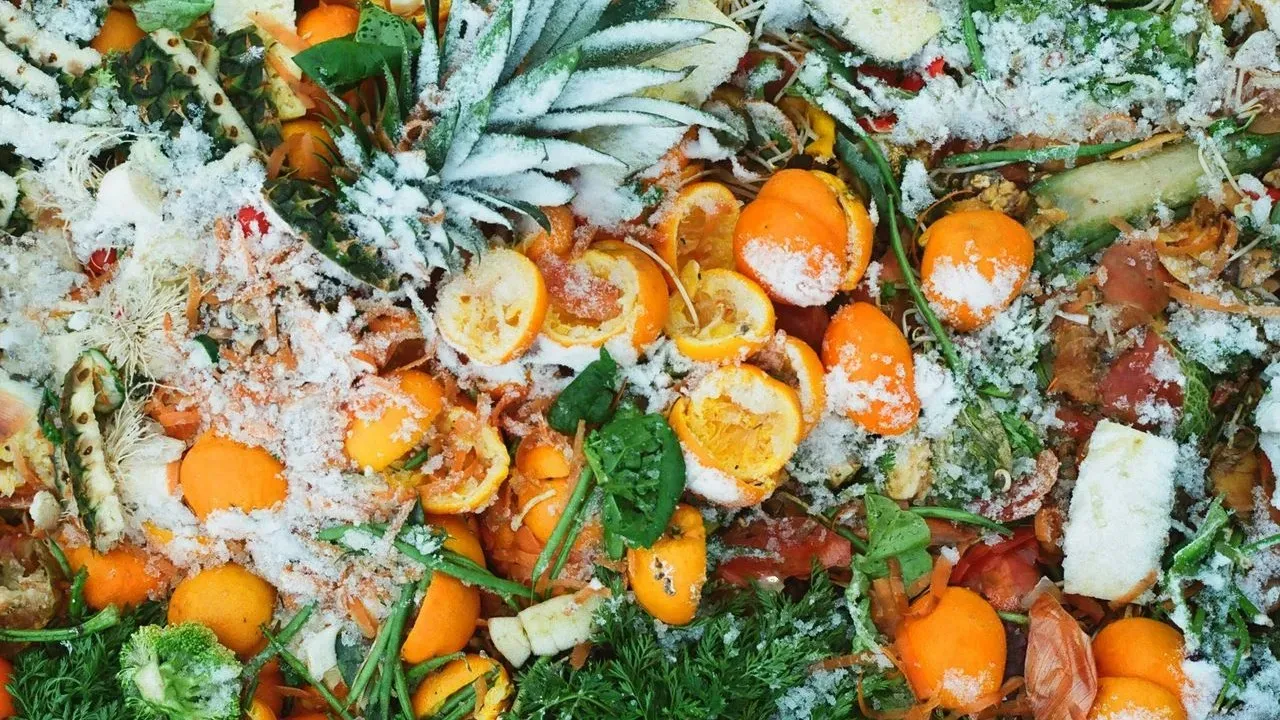

Citrus season and the holidays often leave a pile of peels and pulp in the kitchen. A reader’s account published on The Survival Gardener [1] describes one home gardener’s attempt to turn that waste into fertilizer using a sealed barrel and no oxygen. The results come from a single garden, so they show what one person observed rather than what a controlled study would confirm. ([1])
From a Backyard Tree to a Closed Barrel
The gardener, Linda, wrote to the blog after watching one of its videos. Her orange tree produced sour, seed-filled fruit that she normally threw away. Rather than let the fallen oranges rot on the ground, she decided to try a method the blog’s author has promoted for years.
Last year she fitted a spigot near the bottom of a 55-gallon plastic barrel and filled it with fallen oranges cut in half. She added enough water to cover the fruit. To keep odor under control, she secured 55-gallon trash bags over the top of the barrel.
A Solid Surprise at the Bottom
After a few months of anaerobic fermentation, Linda drained the liquid and used it to feed her garden soil. When she finally opened the barrel, she expected a messy slurry. Instead she found a solid black material, which her research identified as anaerobic digestate.
The blog’s author argues that this residue is not wasted. In their view, the material could become a finished compost once it is combined with wood charcoal and other orange additives. That assessment reflects the author’s judgment, and the post does not include lab testing of the material.
A Second Barrel With a Different Goal
This year, Linda is trying a different approach with the same type of barrel. Her plan includes several steps:
- Layering the digestate with wood charcoal
- Adding fresh fallen oranges and other organic material
- Building compost in a 55-gallon drum without fermenting the contents
- Fermenting any extra oranges in a separate batch
The shift matters because fermentation and composting follow different paths. Linda’s second barrel is meant to produce compost directly, while the first barrel produced a liquid feed and a dense residue. The post does not say how long the new batch will take.
The post reports one gardener’s experience with a barrel of fermenting oranges and a black residue that she considered worth keeping.
No plant growth results are included, and the author says they wrote to Linda to ask how the fertilizer performed in her garden.
The author’s team says the barrel method has worked well for them, and the method is covered in the book Compost Everything.
What the Account Does and Does Not Show
The post does not describe how Linda’s plants responded to the liquid or the solid material. That gap is important, because a single garden with one barrel cannot establish how the fertilizer compares with other amendments. Fermenting citrus also carries practical concerns, including odor and the need for a tightly managed container, which is why the trash bag detail stands out in her description.
Even so, the account offers a clear example of how kitchen and orchard waste can be handled differently from the usual compost pile. For gardeners who already have surplus fruit, the experiment is a reminder that waste can be redirected with a modest setup. Linda’s next barrel will show whether the black residue develops into the kind of compost she hopes for.
AI Disclaimer: This article was created with the assistance of AI tools and reviewed by a human editor.