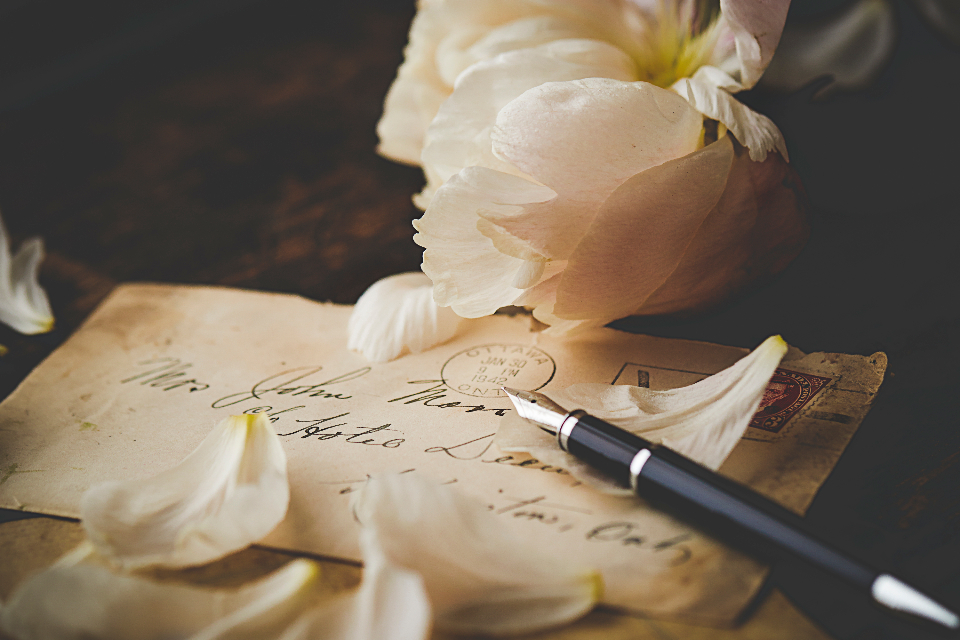

The Weight of Something You Can Hold
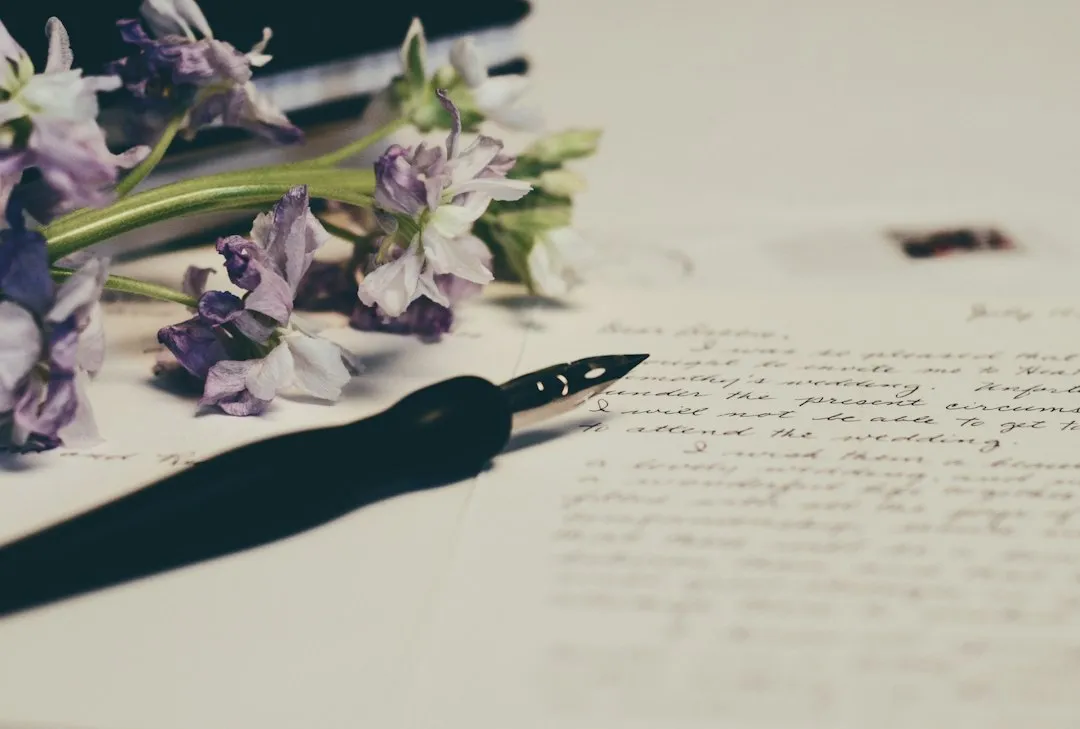
For many older adults, a handwritten letter carries emotional weight that a digital message cannot match. It is tangible. It can be held, saved, reread, and displayed. It becomes a keepsake.
Research in psychology suggests that tangible objects associated with relationships can strengthen emotional memory and attachment. When seniors receive handwritten notes, they are not just reading words. They are holding evidence that someone thought of them.
This physical dimension is not trivial. A text disappears into a scroll of notifications. A letter sits on a dresser for weeks, quietly asserting that someone cared enough to write it.
Sincerity That Comes Through in the Paper
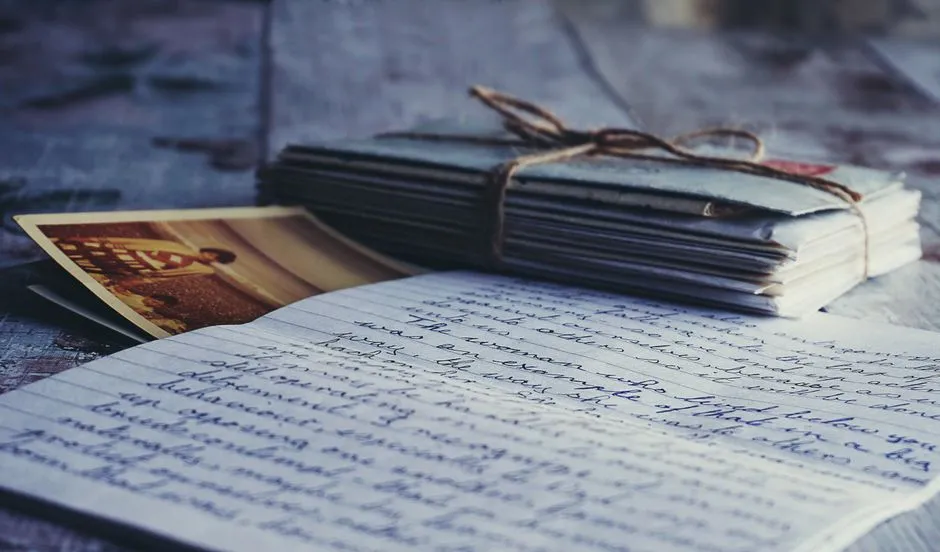
Communication researchers at the University of North Carolina note that handwritten messages often carry greater emotional weight because they reflect deliberate effort and authenticity. When people receive handwritten notes, they perceive them as more sincere and meaningful than digital communication.
News media have covered the tradition of handwritten letters of thanks from a cultural perspective, suggesting that the extra effort represented by handwriting makes these letters more emotionally significant for both sender and recipient.
Older adults who grew up writing letters understand this instinctively. The act of choosing words carefully, by hand, with no delete key, communicates something that no emoji or autocorrected message quite manages.
A Powerful Buffer Against Loneliness

A major meta-analysis covering over 1.25 million older adults found that the prevalence of loneliness among this population was 27.6%. That is roughly one in four older people experiencing regular feelings of isolation.
Loneliness affects up to one in three older adults worldwide and is linked to more than 871,000 deaths a year, according to the WHO in 2025. Against that backdrop, the role of meaningful communication takes on a new urgency.
Research shows that sending handwritten letters can help improve the mental and emotional health of isolated senior citizens. Receiving handwritten letters impacts seniors’ mental health by bringing joy, alleviating loneliness, and providing emotional support through the human touch.
The Brain Benefits of Writing by Hand
New research spotlights the unique cognitive benefits of writing by hand compared to typing. The implications are especially relevant for an aging population dealing with memory loss while surrounded by digital devices.
Research in neuroscience suggests that handwriting activates the brain differently from typing. Writing by hand engages areas of the brain linked to memory formation, learning, and emotional processing. Because of this, handwritten communication often feels more personal and memorable.
Engaging in writing cards or letters stimulates the brain and enhances memory. When seniors sit down to reflect and write, they engage multiple cognitive processes, including focus, recall, and reasoning.
Mood and Mental Health Improvements
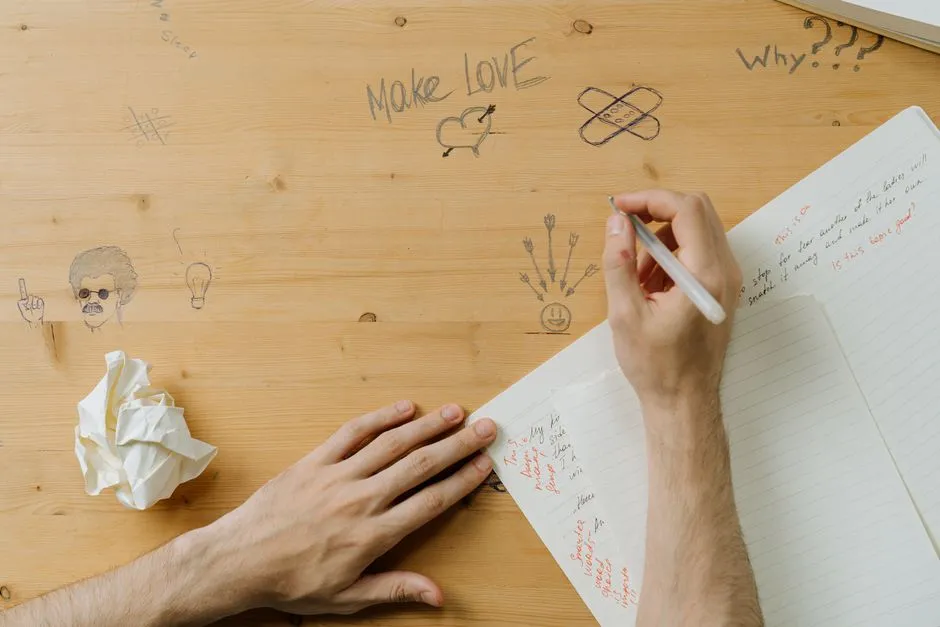
Studies tracking older adults engaged in regular writing activity have found a notable improvement in mood and a measurable reduction in the feeling of isolation. On an emotional level, writing allows elderly people to externalize their feelings and make sense of their experiences. This cathartic function significantly contributes to emotional regulation and the prevention of depressive states, which are common among isolated elderly people.
According to Harvard Health, expressive writing also supports immune health and reduces stress, a meaningful bonus for seniors aiming to live vibrant, fulfilling lives.
A study published in the Journal of Health Psychology found that writing about stressful or traumatic experiences can improve emotional and physical health. Writing about upsetting experiences creates more positive expectations and is linked to reduced emotional impact and fewer physical symptoms.
Letters as a Form of Intentional, Slow Communication
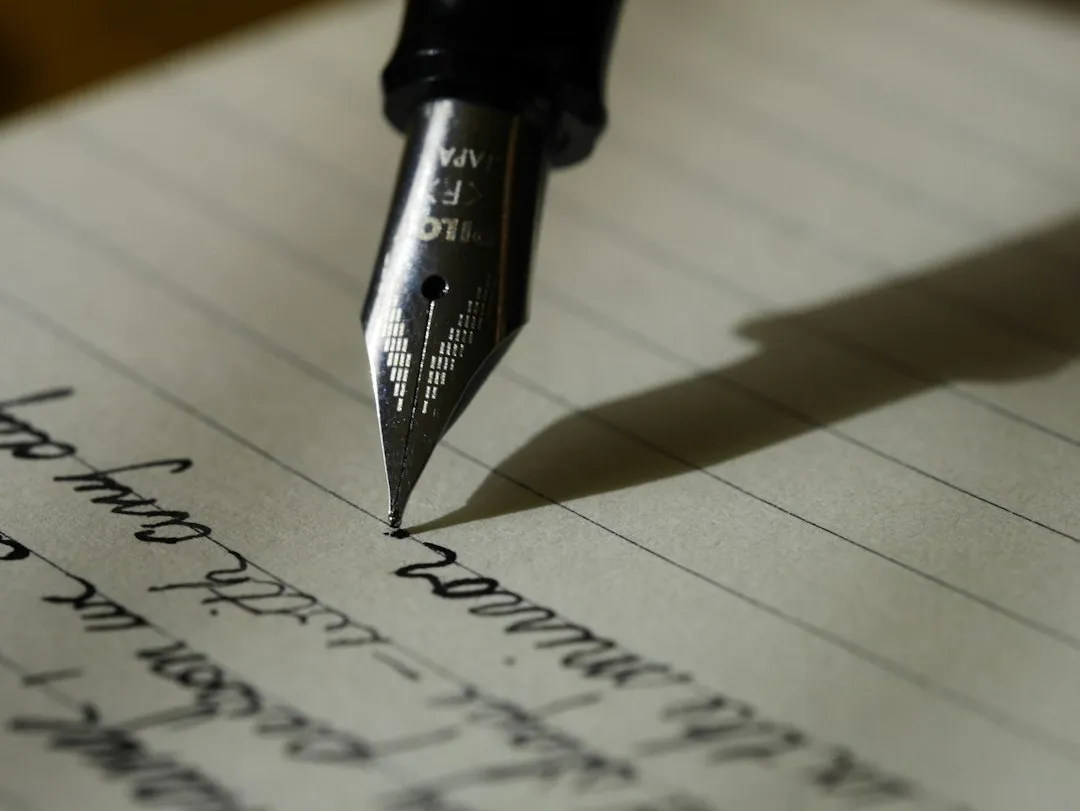
Letters create a form of slow communication, where thoughts are expressed intentionally rather than instantly. For older adults who often feel overwhelmed or excluded by the pace of digital interactions, this slower rhythm is not a limitation. It is precisely the appeal.
For adults, one of the main benefits of writing by hand is that it simply forces us to slow down. That enforced pause encourages reflection, care in word choice, and a genuine sense of presence that a quick text rarely achieves.
Many older adults describe the act of letter writing as meditative. The process of sitting quietly, thinking through what to say, and then committing those thoughts to paper is its own reward, independent of the response.
Letters Are Kept, Texts Are Not
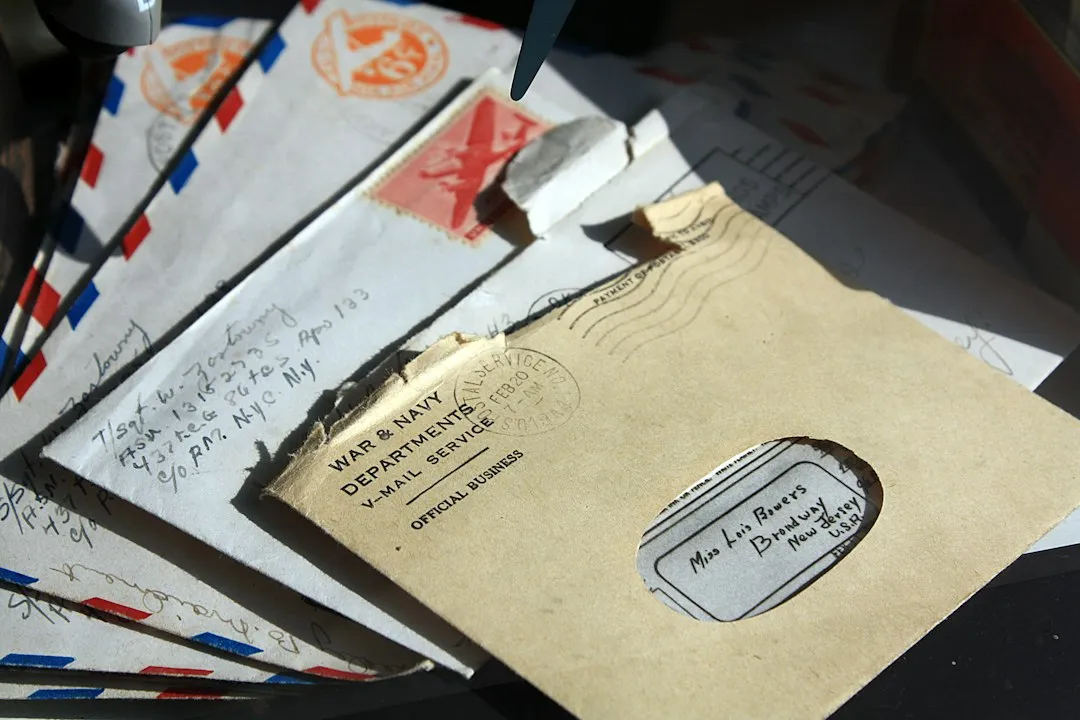
Nearly half of UK adults agree that they still keep letters they have received in the past, while around two in five wish they received more letters and regret not keeping letters from earlier in their lives.
Over half of UK adults have sent at least one letter in the past year, with two in five sending between one and five. The fact that letters are saved and reread adds a dimension of permanence that text conversations entirely lack.
For older adults especially, a box of letters represents a physical record of relationships, of love and friendship across decades. No smartphone photo library or chat archive quite carries the same meaning.
Movements That Prove the Need Is Real
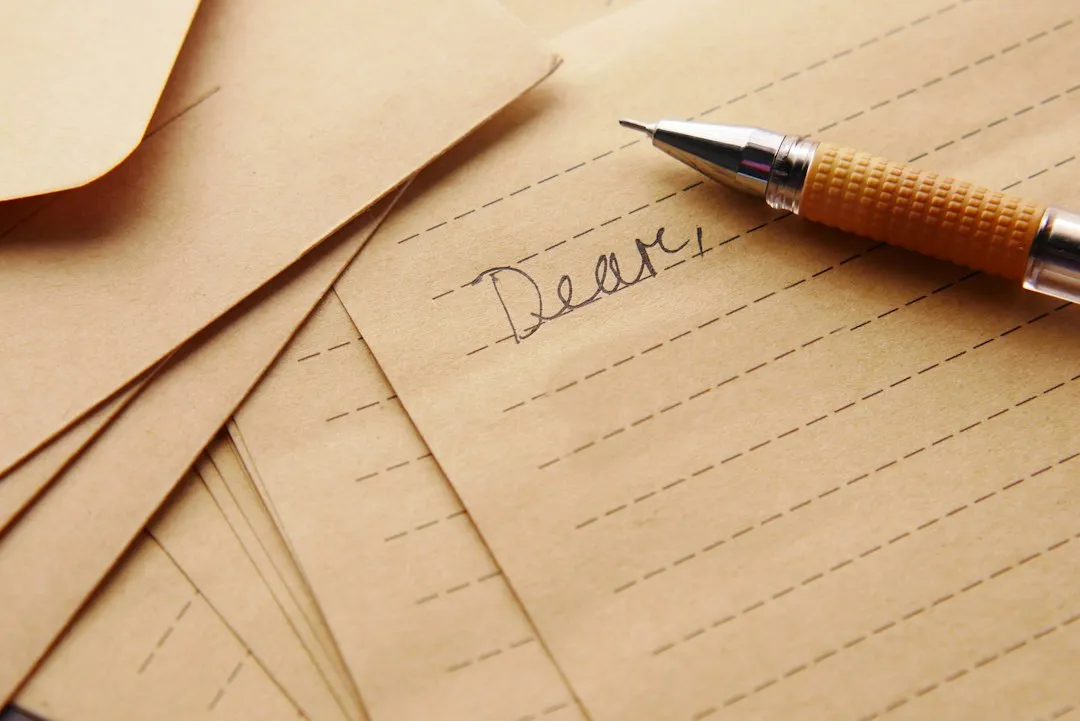
By 2026, volunteers involved in organized letter-writing initiatives had facilitated the sending of more than one million handwritten letters worldwide to isolated seniors.
Perhaps the most powerful therapeutic benefit of letters is their ability to reduce loneliness. Programs such as Letters Against Isolation send handwritten messages to seniors experiencing loneliness, while global projects like More Love Letters encourage people to write uplifting notes to strangers who need encouragement.
The scale of these efforts reflects something the data alone can’t fully capture: there is a hunger among older adults not just for communication, but for communication that feels real, deliberate, and human.
The Interplay Between Trust and Communication Style
According to Age UK in 2024, a small but significant fraction of older users of digital tools exhibit digital fatigue or show signs of unhealthy attachment, suggesting that purely digital communication has real limits when it comes to older adults’ wellbeing.
Older adults often developed their communication habits and preferences long before digital platforms existed. Trust in a letter is built into the form itself. The handwriting is identifiable, the envelope is addressed directly, and there is no algorithm deciding what gets seen or when.
Research shows that seniors engaged in regular correspondence with family members exhibit a significant improvement in their cognitive functions, alongside benefits to emotional memory and episodic recall.
Fine Motor Skills and the Physical Act of Writing
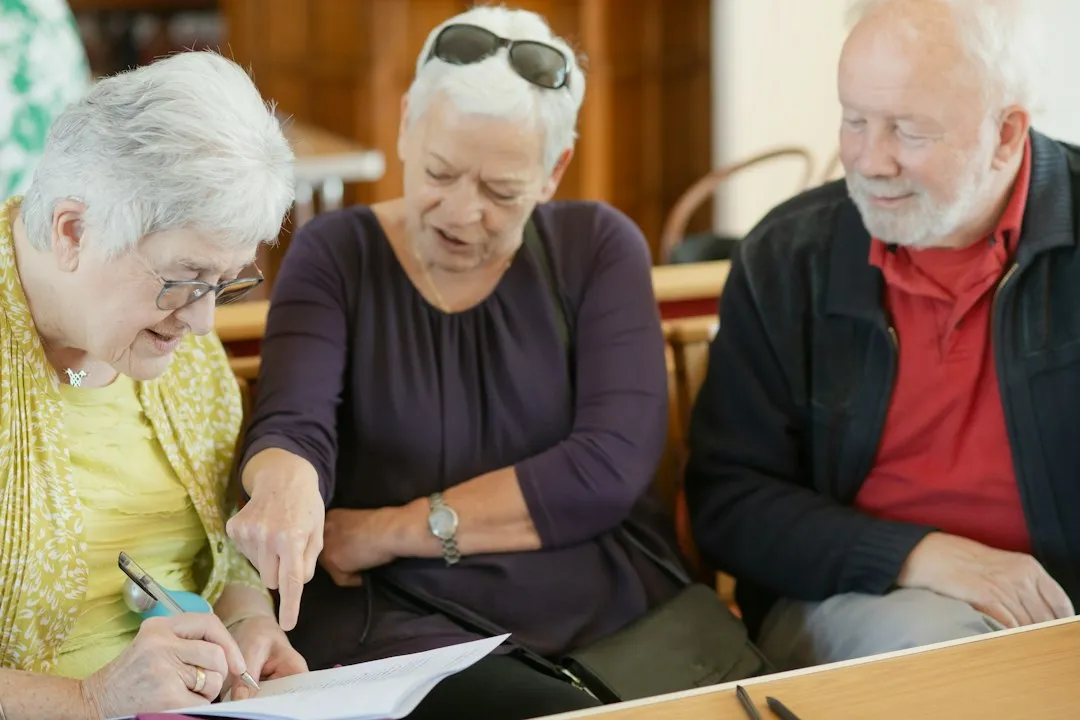
For seniors who write letters back, there are measurable physical benefits too. Holding a pen and forming letters helps keep hands agile and supports the maintenance of fine motor skills.
Experts attribute the cognitive advantages of handwriting to precise visual, motor, and touch feedback loops generated when forming letters on a page. Emerging research highlights handwriting as a cognitively rich activity, activating complex webs of mental processing helpful for learning and memory.
These motor benefits matter more than they might seem. For older adults managing early-stage mobility challenges or early cognitive decline, the gentle discipline of handwriting provides a low-barrier, deeply rewarding form of physical engagement.
Final Thoughts
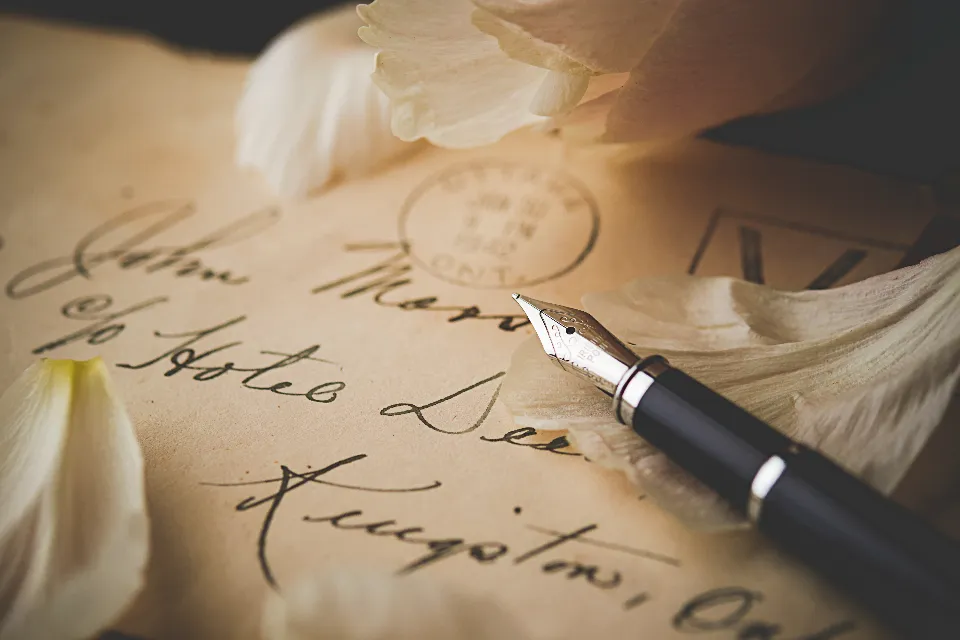
Writing letters fosters social connection, supports mental health, and strengthens identity. For older adults, those three things are not abstract benefits. They are the difference between feeling seen and feeling forgotten.
Research remains ongoing, but findings to date argue we should not abandon old-school pen and paper as obsolete technologies. If anything, the contrast with digital communication has made their value clearer, not murkier.
A letter asks something of the person who writes it. Time, thought, and genuine attention. For many older adults, that ask is exactly why receiving one still matters so much.
AI Disclaimer: This article was created with the assistance of AI tools and reviewed by a human editor.