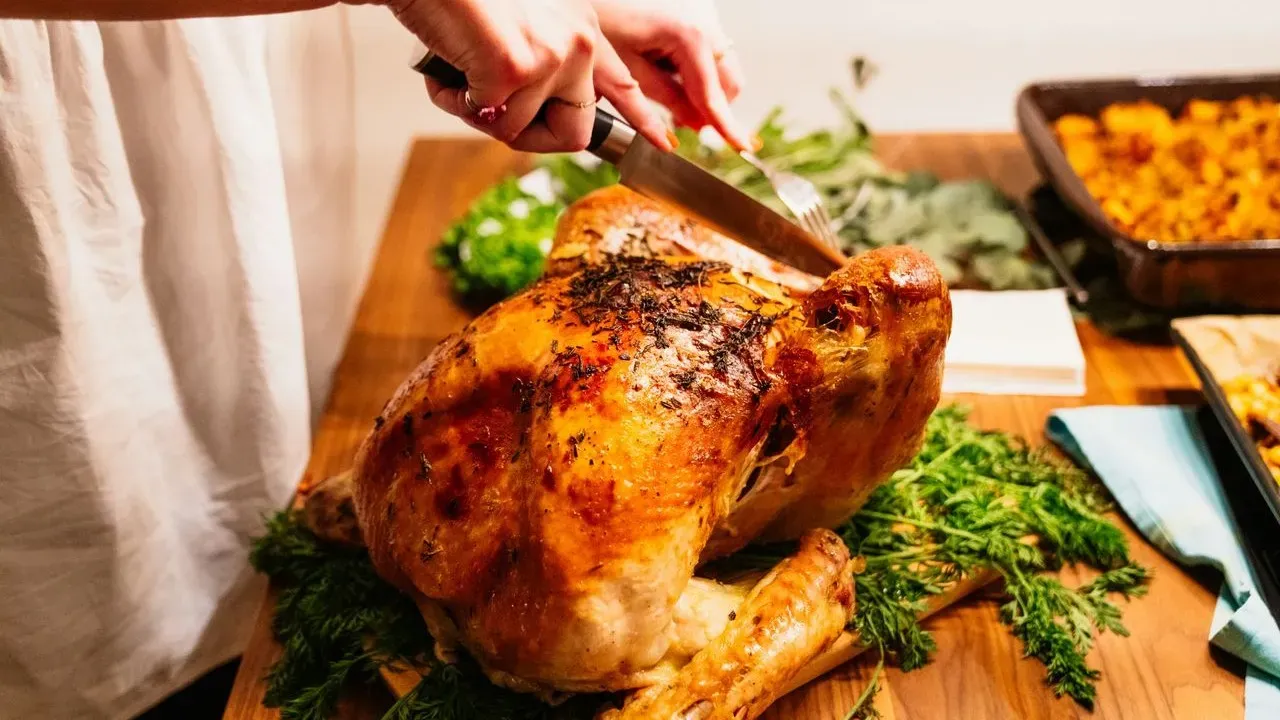

Americans driving north for a holiday meal may want to leave their leftovers behind. Canada has warned Thanksgiving travelers against bringing turkey leftovers across the U.S. border as bird flu continues to affect poultry in North America ([1]). The Canadian Food Inspection Agency is warning the public that raw poultry, including turkey, from restricted areas of the U.S. will not be allowed past the international border due to the ongoing fight with highly pathogenic avian influenza. The timing matters, since the Canada Border Services Agency advised travelers to cross the border early in the morning to avoid wait times during the U.S. Thanksgiving holiday on Nov. 26.
The rule targets leftovers, not every turkey
The restriction is narrower than the phrase “turkey ban” might suggest. Homemade food or leftovers containing poultry cannot be brought into Canada. That covers a casserole made with turkey, a sandwich packed for the drive, or a container of carved meat from the holiday table. Cooked restaurant leftovers are also excluded under the broader poultry rules.
Retail-packaged poultry labelled “Product of the USA” may be brought into Canada. The CFIA allows the importation of clearly labelled, retail-packaged poultry products and by-products for human consumption from any state, regardless of whether or not there is currently an outbreak. In other words, a store-bought, sealed product with the right label stands on different footing than a home-cooked dish.
Why bird flu is shaping the border rules
The concern centers on highly pathogenic avian influenza, which has spread through poultry flocks across parts of the United States and Canada. The CFIA tightened rules around poultry shipments in the face of North America’s woes with the disease. Raw poultry from affected areas faces the strictest treatment. Raw poultry will only be allowed entry into Canada with documentation, such as a receipt, stating it was purchased in a state not currently affected by HPAI outbreaks.
Travelers without that paperwork face practical consequences. Those without proper documentation will have to surrender their poultry to Canada Border Services officers for disposal, or return the item to the grocery store. Because the list of affected states changes as outbreaks are confirmed or resolved, the agency’s current notices are the best reference before a trip. One Canadian customs resource notes that HPAI is not considered a food safety concern for humans. The rules exist to protect Canada’s domestic flocks, not to signal a problem with turkey sold in stores.
What the rules look like at a glance
The following summary reflects how the rules apply to common holiday items. Travelers should confirm the details before crossing, since outbreak zones can change.
| Item | Treatment at the border |
|---|---|
| Homemade dishes or leftovers containing poultry | Not permitted |
| Retail-packaged poultry labelled “Product of the USA” | Permitted |
| Raw turkey from restricted U.S. areas | Requires proof of purchase outside affected areas |
| Cooked restaurant leftovers | Not permitted |
Planning a smooth crossing
Border officials have urged travelers to plan ahead rather than rely on last-minute decisions at the booth. Travelers should review the restricted and prohibited goods to avoid the possibility of penalties, including fines, seizure or prosecution. Declaring every item acquired outside Canada also matters, because undeclared goods can create delays or penalties. Checking wait times ahead of the trip helps as well, especially on a holiday Monday, which the agency has described as one of the busiest days at the border.
For most families, the practical answer is simple. Leave the homemade turkey dishes at home, and bring store-packaged poultry only if it carries the right label. A short review of the rules before departure can prevent a surrendered container and a long wait at the border.
AI Disclaimer: This article was created with the assistance of AI tools and reviewed by a human editor.