
Epiphany: One of the Oldest Feasts in the Christian Calendar
Epiphany is one of the oldest Christian feasts, celebrated since the end of the second century, before the Christmas holiday itself was even established. That age matters. Before Christmas became its own holiday, the early Christian church established the Feast of the Epiphany on January 6 to commemorate several miraculous events that “manifested” Jesus’ divinity, including his virgin birth, the visitation of the Magi, his baptism, and when he turned water into wine at the Wedding of Cana.
By the early fourth century, the church set aside December 25 for the celebration of Jesus’ birth, known as Nativity, and kept Epiphany on January 6. At the Council of Tours in 567, the Church formally set both Christmas Day and Epiphany as feast days on December 25 and January 6 respectively, and named the twelve days between the feasts as the Christmas season.
The Armenian Tradition: Christmas and Epiphany as One
In the earliest centuries of Christianity, the birth and baptism of Jesus Christ were celebrated together on January 6, a feast known as Epiphany. Christmas was later set on December 25, while Epiphany remained on January 6. Armenians preserved the original tradition, continuing to celebrate Christmas and Epiphany as one feast on January 6.
In very ancient Christianity, Nativity and Theophany were celebrated on the same day, January 6. In the Armenian Apostolic tradition, January 6 is still the day both Christmas and Christ’s Baptism are celebrated. For Armenian families worldwide, this is not a secondary observance. It is the central celebration of the entire Christmas season.
The Julian Calendar Explains Much of the Difference
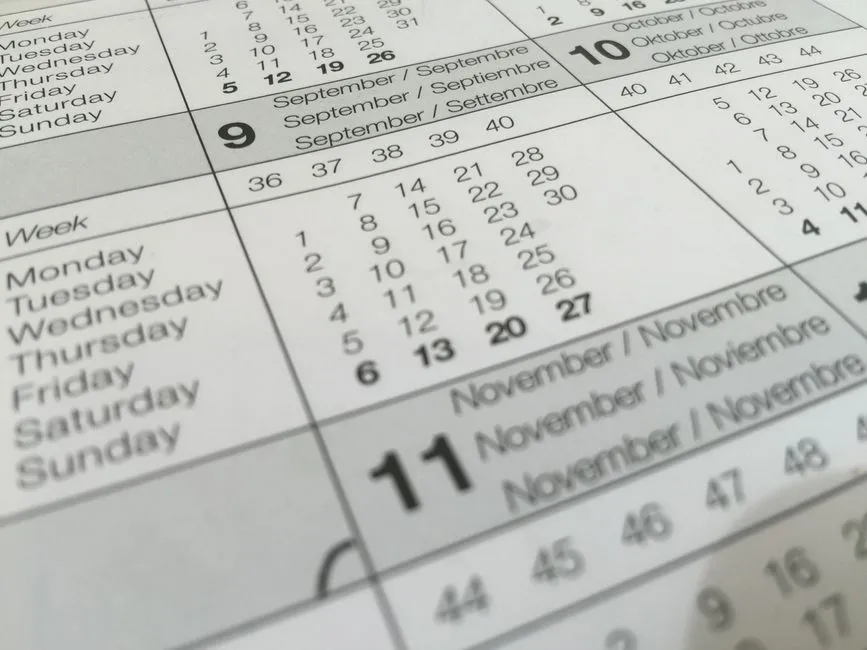
Certain Eastern Orthodox churches, including those in Russian and other traditions, follow the ancient Julian calendar, which runs 13 days later than the Gregorian calendar used by Catholic and Protestant churches as well as much of the secular world. This is the clearest reason so many families celebrate in January rather than in late December.
The change happened in 1582 when Pope Gregory XIII ruled that the Catholic Church should follow a new calendar. The Orthodox Church, however, still followed the Julian calendar, which places Christmas and New Year on January 7 and 14 respectively in the Gregorian calendar. For several countries in Europe, including Ukraine, Serbia, Montenegro, Russia, and Belarus, as well as African countries such as Egypt and Ethiopia, January 6 is Christmas Eve.
How Many People Actually Celebrate in January?
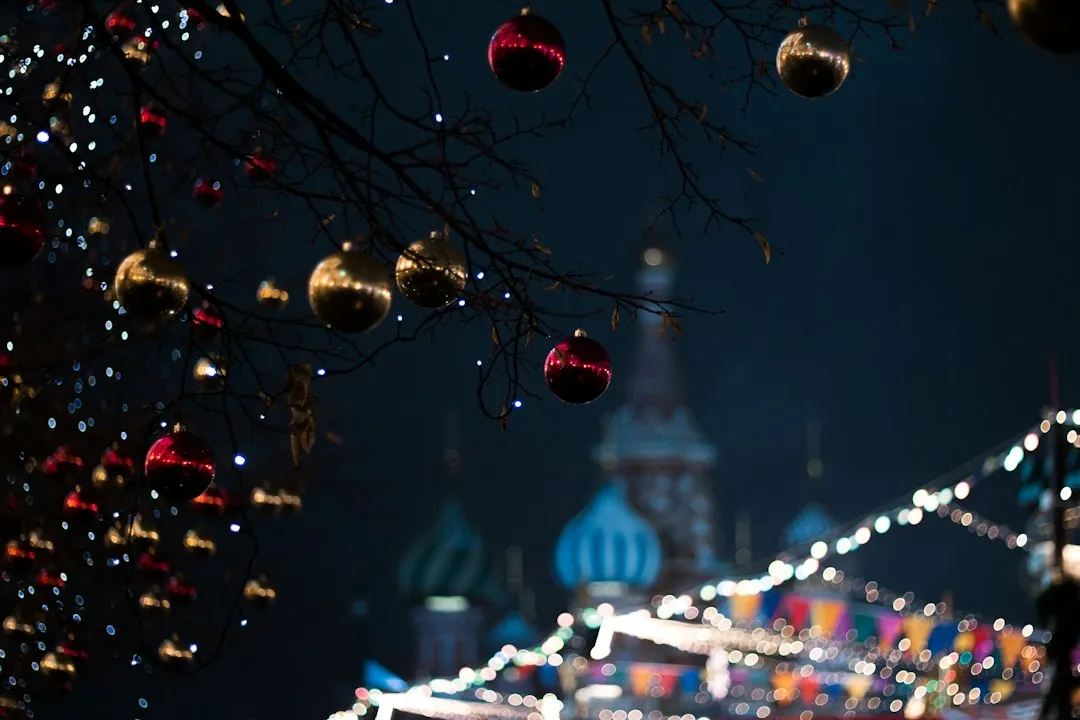
Roughly twelve percent of Christians globally are Orthodox and celebrate the holiday during the first week of January. Orthodox Christians are estimated to number between 250 and 300 million people. That is a substantial portion of the global Christian population observing a December 25 that simply doesn’t fall on December 25 by the standard calendar most of the world uses.
Other subsets of Orthodox Christians, like Armenians, celebrate Christmas on the 6th specifically, while a few Orthodox churches, including those following the Greek tradition and some in Ukraine, have started celebrating Christmas on the same date as Western churches. Many others, like the Russian Orthodox Church, the Serbian, and Georgian churches, have stuck to the old calendar.
Three Kings Day in Spain and Latin America
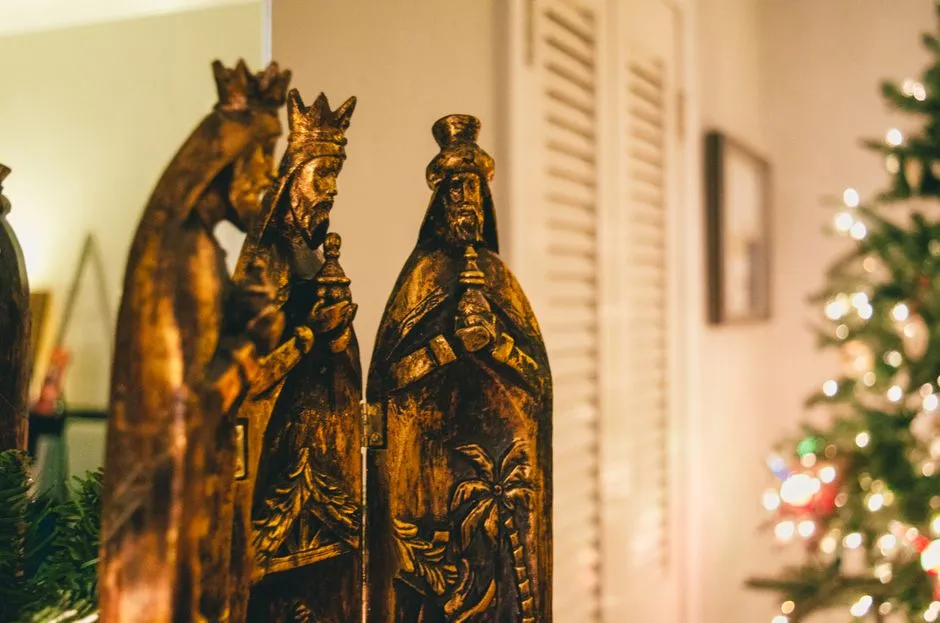
In Spain and most Latin American countries, January 6 is the traditional gift-giving day, not December 25. The Wise Men, known as Reyes Magos, are believed to deliver gifts to children on the night of January 5 to 6. Children leave their shoes by the door, sometimes with straw for the camels, and wake up to find them filled with presents.
Although Santa Claus has gained popularity in recent decades in Spain, especially in urban areas, Three Kings’ Day on January 6 is still the most traditional date for exchanging gifts, and continues to be eagerly awaited, especially by children. Many Spanish and Latin American families now exchange gifts on both dates, December 25 and January 6. January 6 still tends to carry the stronger emotional significance.
The Rosca de Reyes: Food at the Heart of the Celebration
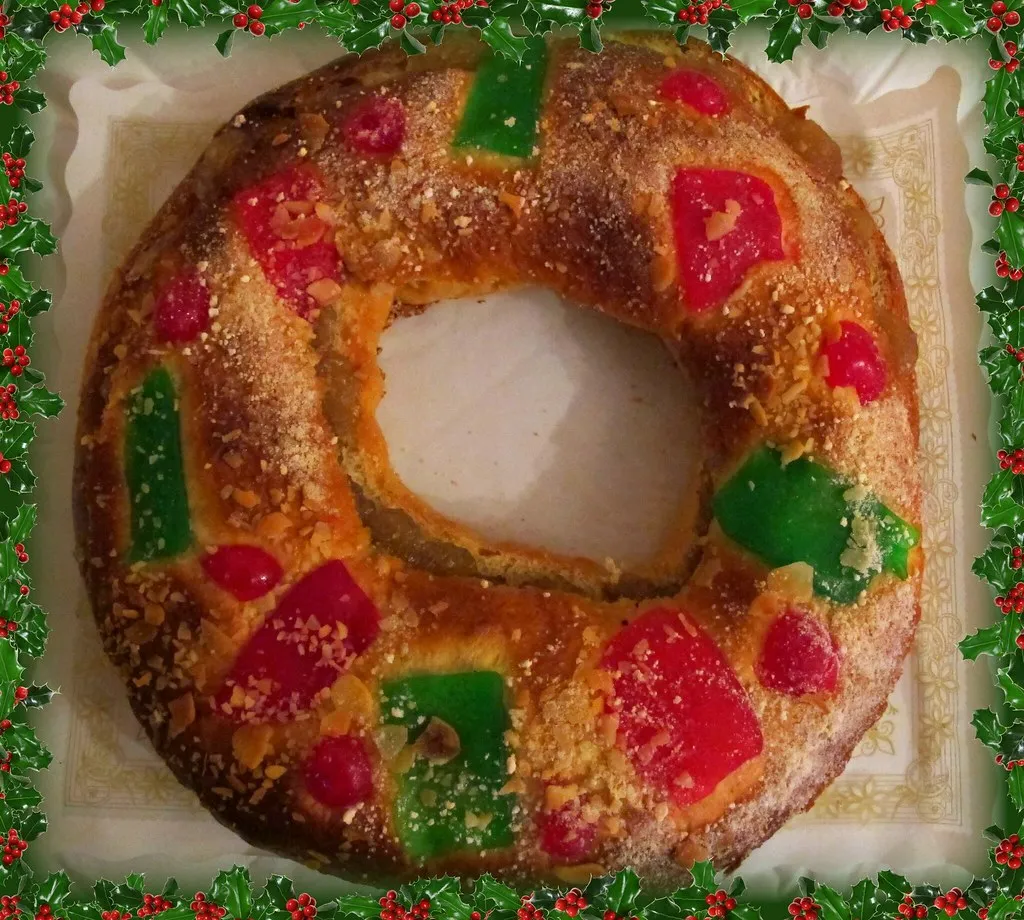
The Rosca de Reyes, or Kings’ Bread, is a sweet, ring-shaped pastry eaten on January 6 across Spain and Latin America. It is not just a dessert. It is a centerpiece of the whole day, shared by families after gifts are opened.
In Spain’s version, the Roscón de Reyes often contains both a small figurine and a dried bean. Finding the figurine is considered good luck, while finding the bean can mean paying for next year’s cake. The family gathers to share Rosca de Reyes with hot chocolate, the centerpiece of the Three Kings Day feast.
Italy’s La Befana: A Witch Who Brings Gifts
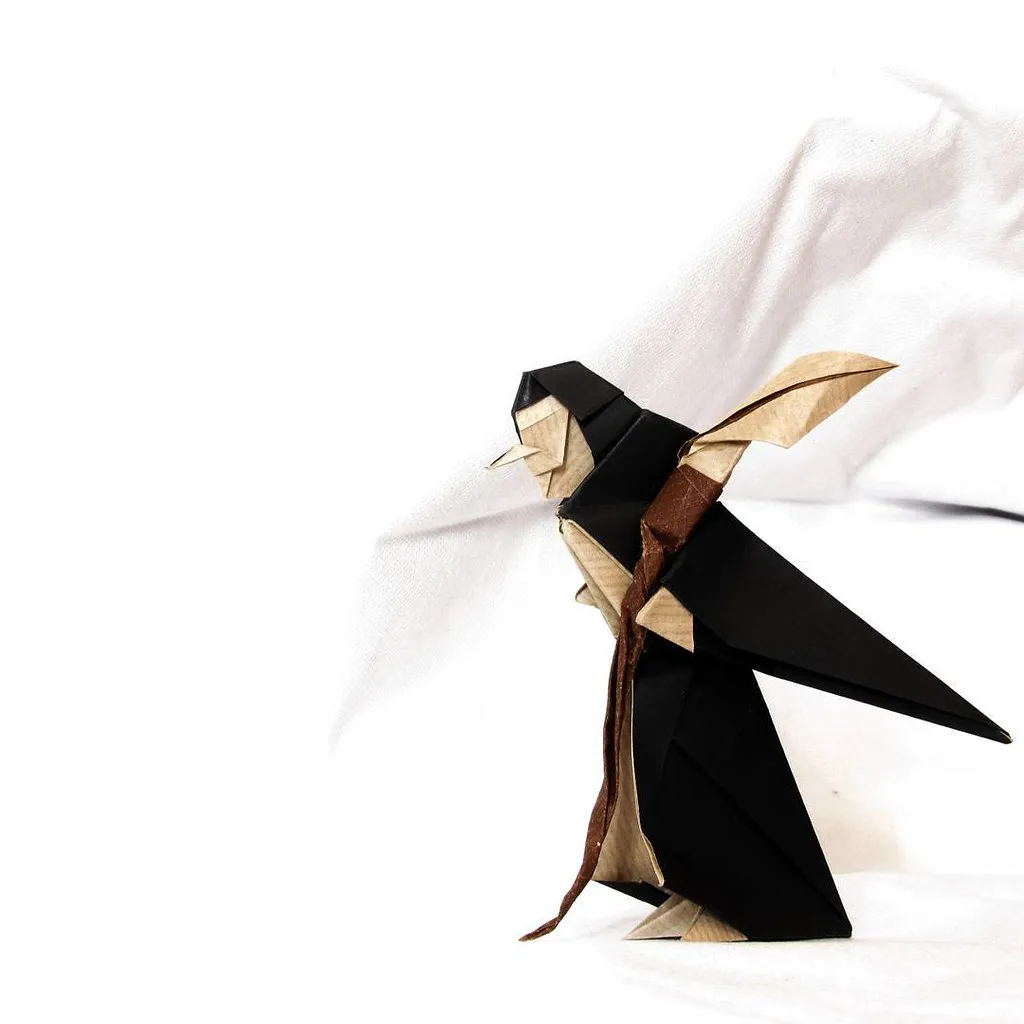
In Italy, La Befana brings sweets and presents to children not on Christmas, but on Epiphany. The character is a friendly, broomstick-riding old woman from Italian folklore who visits homes the night before January 6, filling children’s stockings with candy or coal depending on their behavior during the year.
La Befana predates the widespread influence of Santa Claus in Italy, and her role in Epiphany celebrations runs deep, particularly in central and southern regions. For many Italian families, January 6 is the day children genuinely look forward to most. The tradition is ancient, distinctly regional, and very much alive in 2026.
Ireland’s “Women’s Christmas”: A Different Kind of Celebration
In Ireland, Epiphany is also known as “Women’s Christmas” or “Little Christmas.” Traditionally, it was a day for women to rest after the long, busy holiday season and for the men to take over household duties. That framing sounds dated by today’s standards, but the spirit of the day, as a bookend to the full Christmas season, remains a meaningful observance across many Irish families.
Taking down Christmas decorations before Epiphany is considered bad luck in this tradition. This widespread belief has led to many people across the globe keeping their Christmas trees up until January 6. It’s one of those quiet superstitions that turns out to be rooted in something much older than most people realize.
Lebanon and the Middle East: Epiphany as a Living Celebration
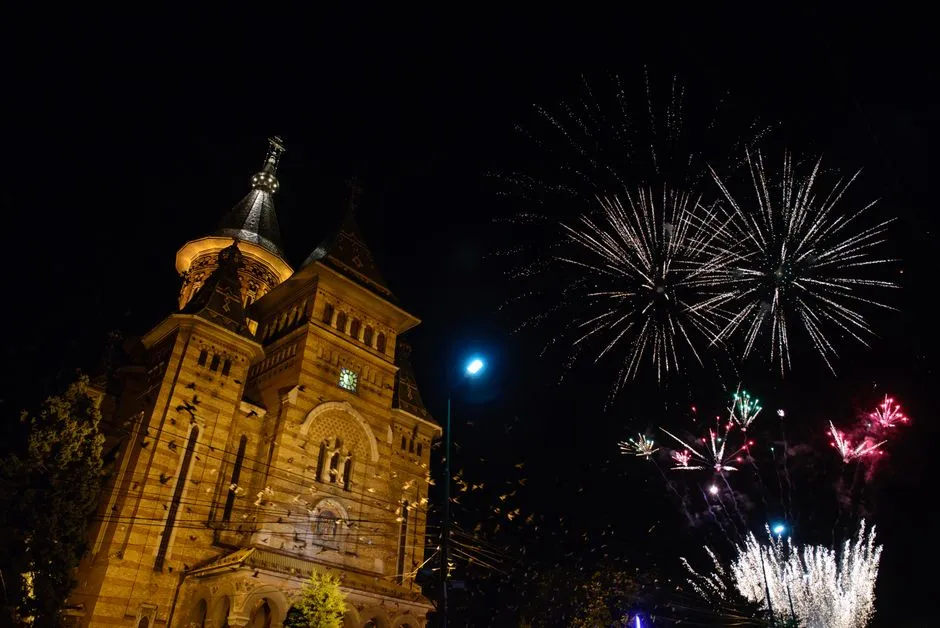
On January 6, churches are still full, bells still ring, and families are still gathering, not out of delay, but tradition. In Lebanon, Christmas does not end on December 25. For Armenians and for many Christian communities observing Epiphany, January 6 remains one of the most meaningful dates of the Christian calendar.
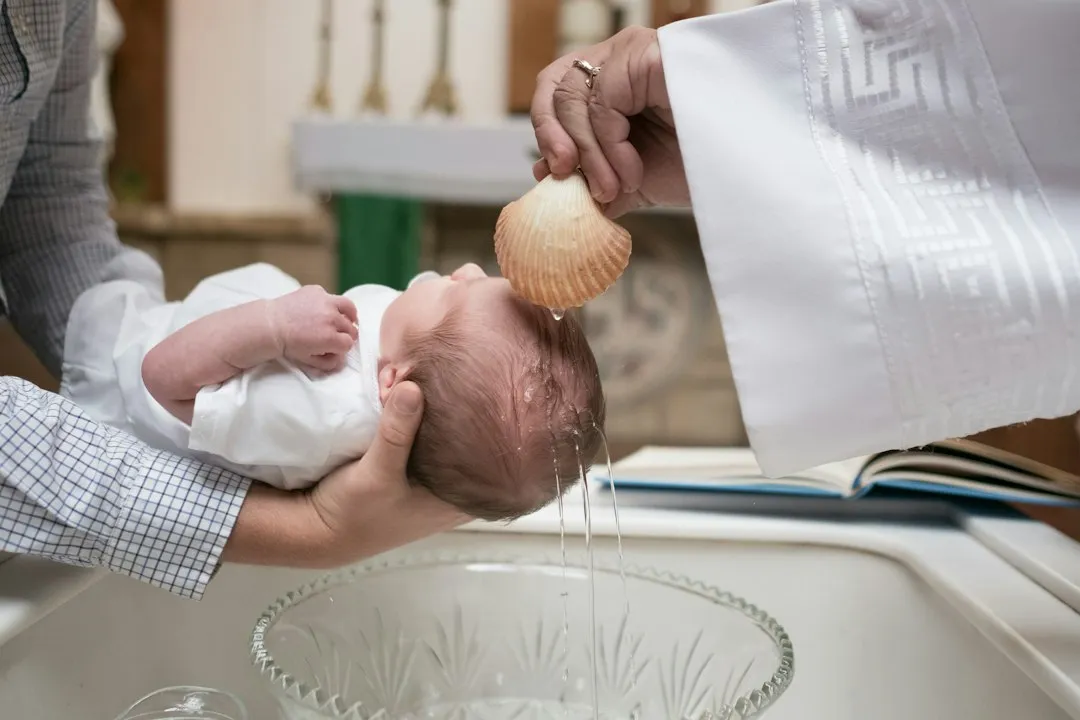
After Epiphany Mass, families carry home blessed water. Many families also choose this day to baptize their children, reinforcing Epiphany as a feast of renewal, protection, and new beginnings. In a country shaped by multiple calendars, confessions, and histories, January 6 reflects something uniquely Lebanese: the ability for different traditions to coexist, overlap, and endure.
Orthodox Christmas Eve Rituals: Fasting, Supper, and Midnight Mass
Many Orthodox Christians observe fasting and culminate in a festive meal on January 6 called the Holy Supper. The Orthodox Christmas Eve meal is traditionally meat and alcohol-free, usually consisting of twelve dishes representing the twelve apostles. The number twelve is intentional. Every course carries a symbolism that traces back centuries.
Christmas Day on January 7 starts with a visit to church, while some Orthodox Christians prefer to go to a midnight mass on Christmas Eve. In Serbian Orthodox churches, worship often begins with a short outdoor ceremony involving the burning of an oak branch or young oak tree, accompanied by a full-throated proclamation of the birth of Christ. These services are rarely quiet affairs.
The Twelve Days of Christmas Are More Than a Song
January 6, which is twelve days after Christmas in the Gregorian calendar, marks not only the end of the Christmas holidays but also the start of the Carnival season, which climaxes with Mardi Gras. The twelve days between December 25 and January 6 are not just a figure of speech from a well-known carol. They represent a formally defined liturgical season with its own structure and purpose.
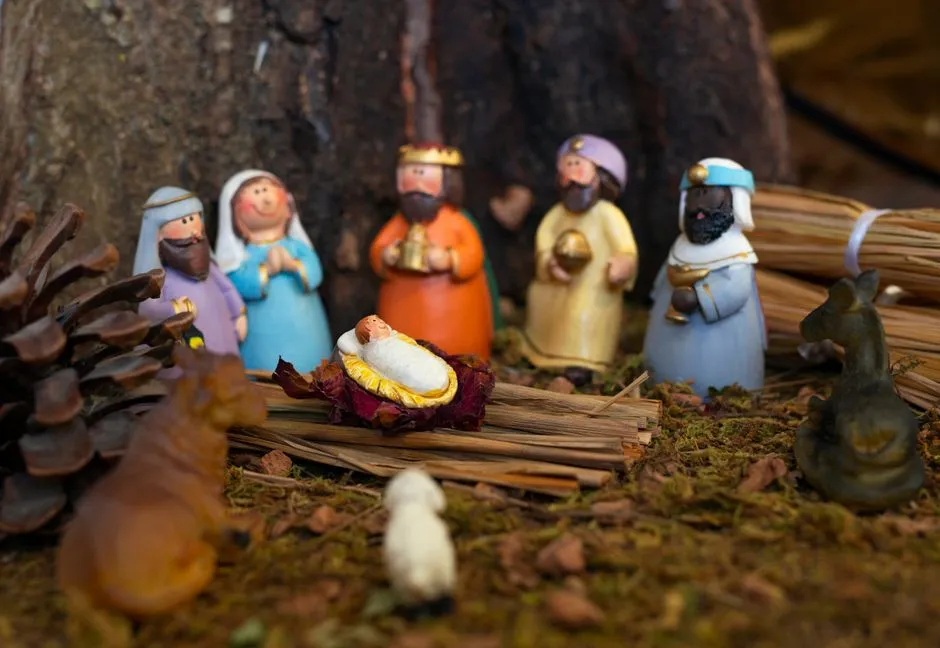
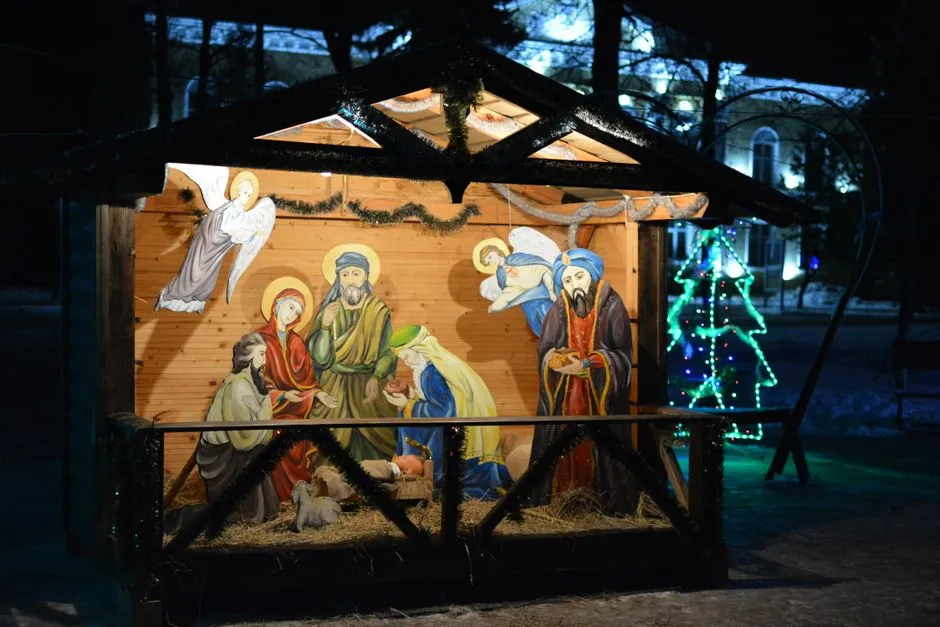
In many households that observe this tradition, the three kings are placed somewhere apart from the manger on Christmas Day and journeyed closer to it over the twelve days between Christmas Day and the traditional date for the Feast of the Epiphany. It’s a small physical ritual that keeps the season moving forward rather than stopping cold on December 26. Some families also make it a tradition to save Christmas gift-giving until Epiphany, giving each person just three gifts.
The Takeaway

January 6 is not an afterthought or a delayed version of December 25. For hundreds of millions of families, it is the real heart of the Christmas season, rooted in church history that stretches back nearly two millennia. The date is observed for different reasons across different cultures, from calendar distinctions in the Orthodox world to centuries-old gift-giving rituals in Spain and Latin America to the quiet Irish custom of leaving the tree up just a few days longer.
What all these traditions share is a sense that Christmas is not a single moment but a season, one that deserves to unfold at its own pace. In a world that tends to rush everything, families who celebrate on January 6 are quietly insisting on taking their time.
AI Disclaimer: This article was created with the assistance of AI tools and reviewed by a human editor.