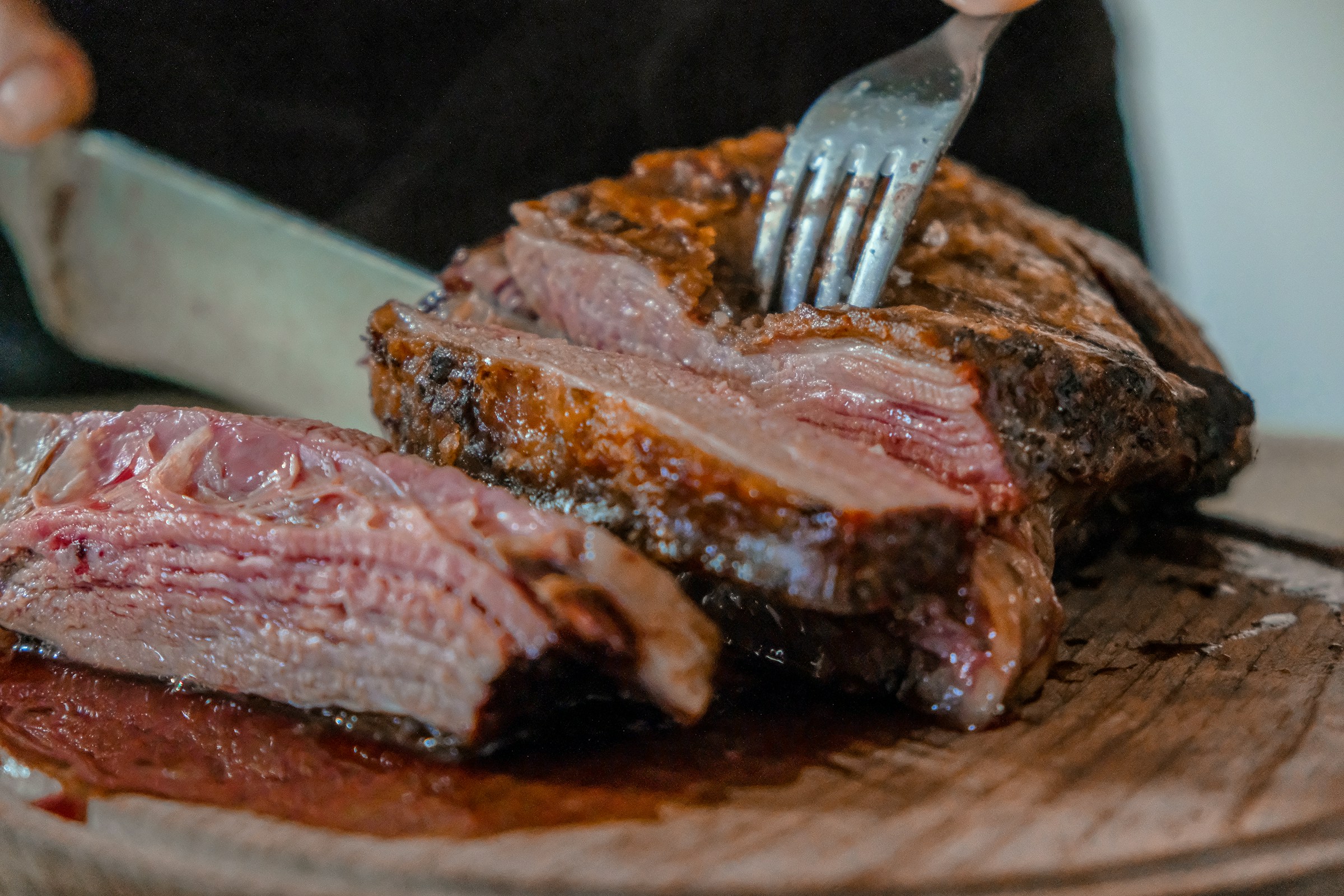

It All Starts With the Muscles the Bird Actually Uses
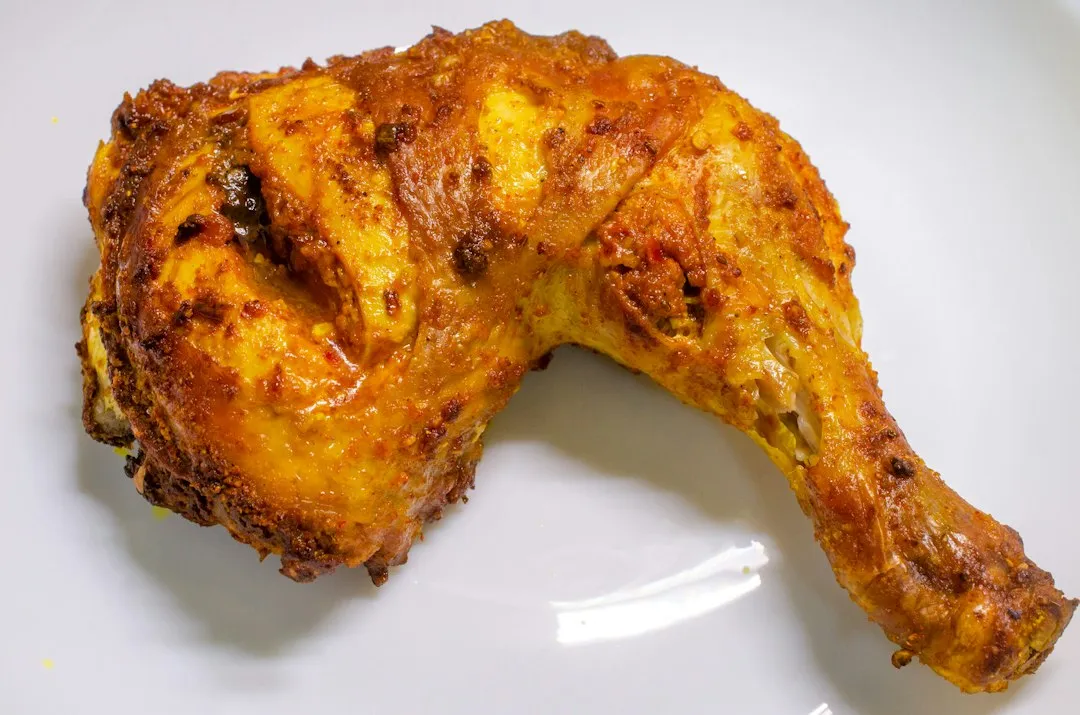
The difference between white meat and dark meat comes down to muscle type and function. Dark meat comes from the legs and thighs, and turkeys and chickens spend a lot of time standing and walking, so those muscles are built for steady, long-lasting work.
The two colors indicate two different types of muscle. Dark meat has muscle fibers called “slow twitch,” and these fibers are useful for long stretches of regular activity, like walking. White meat, on the other hand, comes from the breast and wings, muscles that chickens and turkeys use for quick bursts of activity, like flapping, rather than steady work.
Since chickens are flightless birds, they use their legs and thighs to get around, making those parts darker than the breast or wings. This constant low-level activity shapes everything about how those muscles are built, fueled, and ultimately how they taste on your plate.
Slow-Twitch Fibers Store Fat as Fuel
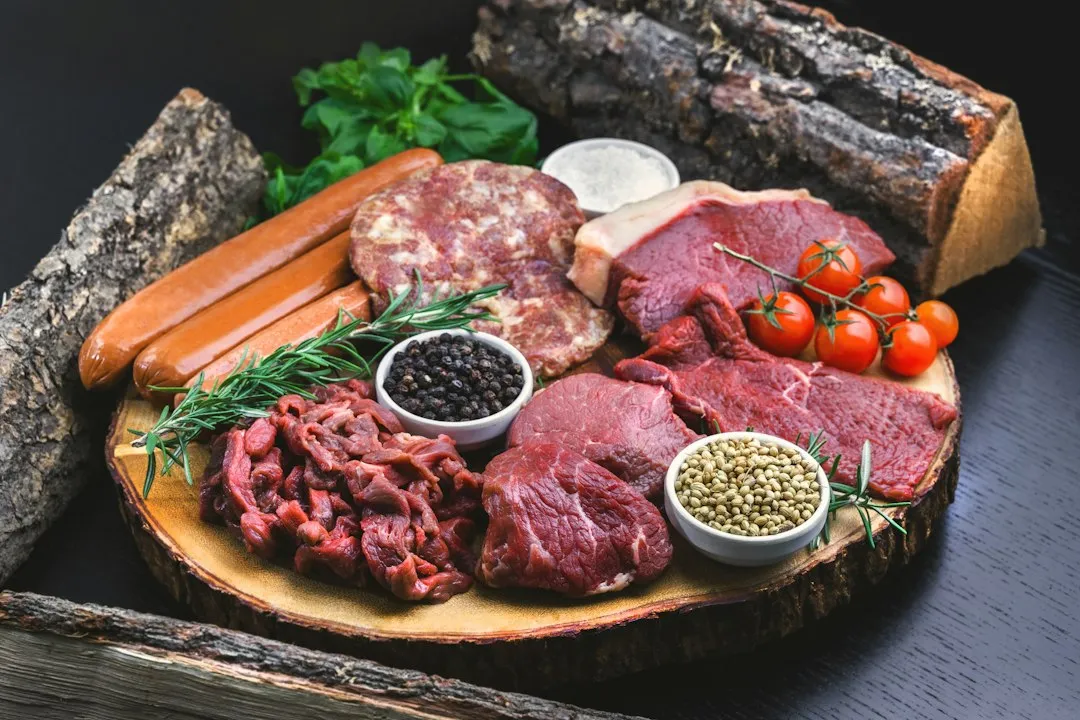
To keep those slow-twitch fibers fueled for such long, sustained movements, two compounds are used to produce energy in dark meat: glycogen and fat, so the muscles shouldn’t ever run out of energy.
Fast-twitch fibers, which make up white meat, only use glycogen to produce energy. No fat. And it’s really the presence of those fat reserves in dark meat that makes it taste juicier, while light meat lacks this extra fat and can be rather dry and flavorless.
Because these muscles can burn fat for fuel, they also store more fat, which adds flavor and keeps the meat juicy. It’s a direct, biological reason. The energy system the muscle uses determines how much fat it holds, and that fat is what you taste as richness and moisture.
The Role of Myoglobin: More Than Just Color
Scientifically speaking, the difference comes down to the amount of myoglobin present in the different cuts of meat. Myoglobin is an oxygen-carrying protein responsible for giving dark meat its reddish colour. The more myoglobin, the darker the meat and the richer the nutrients. Myoglobin provides muscles with the oxygen required for exercise and movement.
A special protein named myoglobin is responsible for bringing oxygen from the bloodstream into the slow-twitch fibers. It’s myoglobin that gives the meat a darker red color, since it contains iron to help carry the oxygen.
The fast-twitch fibers that make up white meat don’t use fat as an energy source, so there’s no need for myoglobin and the muscles remain lighter in color. This is also why white meat becomes so pale and opaque when cooked. Without myoglobin acting as a buffer, the protein structure reacts very differently to heat.
Fat Content: The Numbers Behind the Juiciness
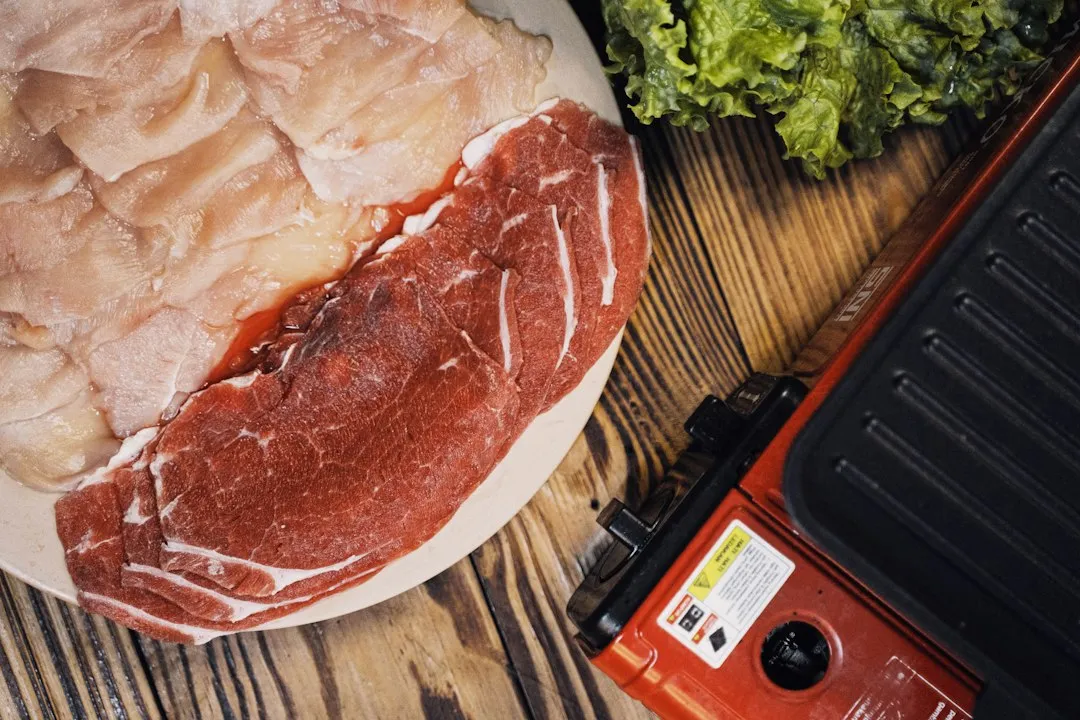
According to the U.S. Department of Agriculture, a 100-gram serving of chicken breast provides 165 calories, 31 grams of protein, and 3.6 grams of fat. In a 100-gram serving of chicken thigh, you get 179 calories, 25 grams of protein, and 8 grams of fat.
Dark meat, such as the thigh, contains a higher concentration of fat, which translates to a slightly greater number of calories per serving compared to the leaner white meat breast. A 100-gram serving of skinless dark meat may contain nearly three extra grams of fat and more than twice the amount of saturated fat than the same portion of white meat.
While dark meat is slightly higher in fat content, the majority of this fat is monounsaturated and polyunsaturated fat, which are considered heart-healthy fats. So the fat gap between the two is real but not dramatic, and the type of fat matters as much as the quantity.
Connective Tissue: The Hidden Moisture Machine
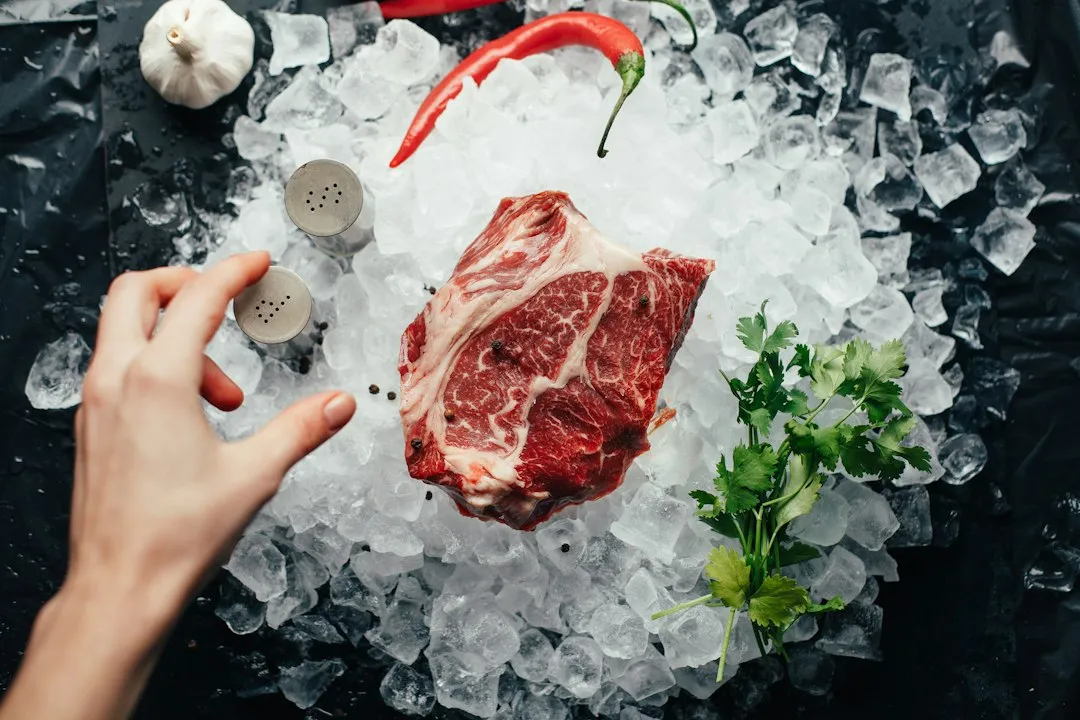
Dark meat has more fat and connective tissue. The fat keeps it moist, and the connective tissue melts into gelatin as it cooks, giving it a juicy, tender texture.
Dark meat has an abundant amount of connective tissue, which dissolves into gelatin as the meat cooks, rendering it juicy and tender. The longer it cooks, the more that connective tissue breaks down.
Once collagen melts, the cooked muscle fibers are no longer bound together. They’re coated with a soft, gelatinous lubricant, and that’s where the silky, juicy mouthfeel comes from. White meat has very little of this connective tissue to begin with, so there’s nothing to transform into that lubricating gelatin.
What Happens to White Meat Under Heat
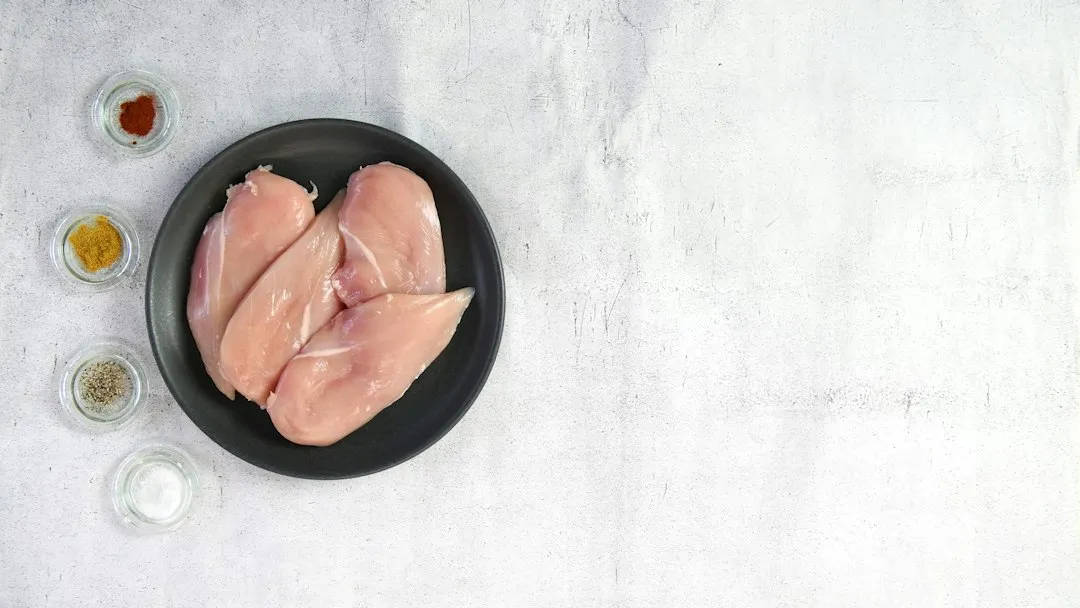
The muscle fibers in white meat uncoil, and water leaks out, making the meat opaque and white. This is why white meat can sometimes be dry.
The lack of myoglobin and lower fat content means the muscle fibers are less insulated, leading to a drier texture when overcooked. Even a few extra minutes in the oven can push a chicken breast from perfectly acceptable to noticeably chalky.
Since white meat muscles don’t need to store oxygen, they have much less myoglobin, so the meat is pale. They also store less fat, which is why white meat is leaner and milder, and why it dries out faster if it’s overcooked. The absence of both fat and connective tissue leaves very little margin for error when cooking.
Dark Meat Is Simply More Forgiving in the Kitchen
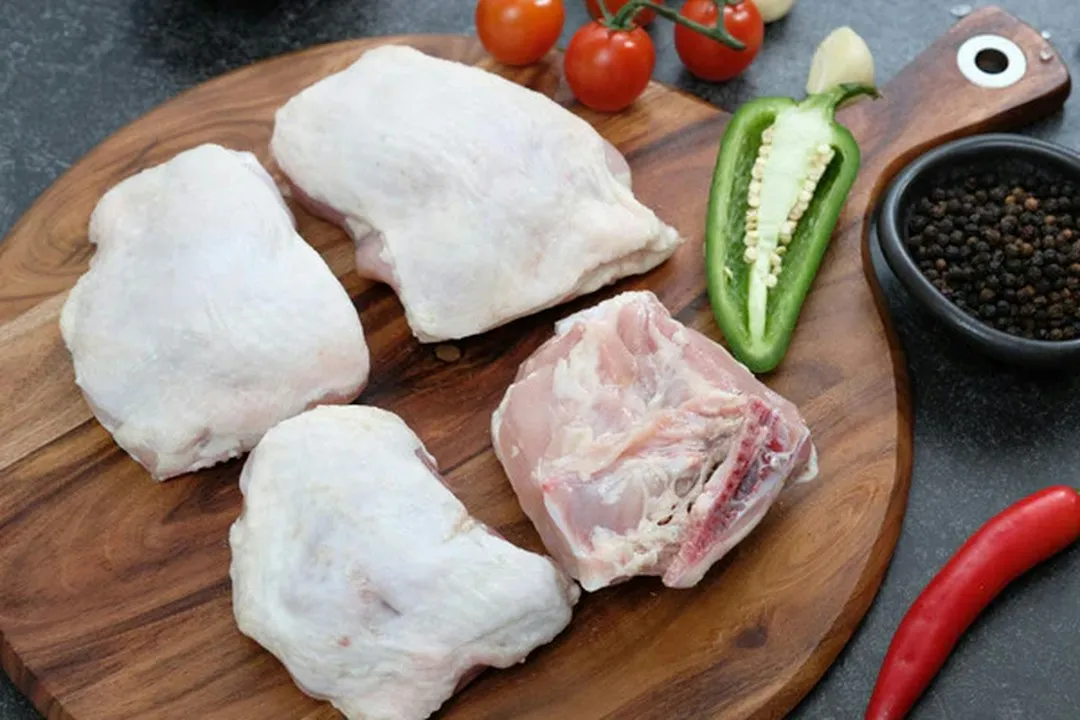
That fat makes the meat juicier, which means it’s harder to overcook. Dark meat, with its higher fat content and connective tissue, is far more forgiving and benefits from longer, slower cooking processes.
From a chemical perspective, the fat and connective tissue in dark meat create a “buffer” during the cooking process. This makes it far more difficult to overcook dark meat, as the melting collagen and fats keep the muscle fibers lubricated and tender.
Dark meat’s fat content means it won’t dry out as easily, so it’s great for grilling, especially when marinated. This practical advantage in the kitchen is one of the reasons experienced cooks often reach for thighs and drumsticks, even when breast meat is available.
Flavor Compounds Dissolve in Fat
Dark cuts like the drumstick and thigh have a little bit stronger flavor, mostly due to increased fat content because many flavor compounds are fat-soluble. Additionally, the dark meat will tend to be juicier, again due to the increased fat content.
The sensory experience of eating dark meat is distinctively richer and more robust than that of white meat. This depth of flavor is directly linked to its higher fat content and the presence of myoglobin, which contributes a more savory, “meaty” taste.
Fat-soluble flavor compounds simply can’t express themselves in a lean, low-fat environment the way they can in dark meat. The fat acts as a carrier for taste, distributing it throughout every bite in a way that lean protein alone cannot replicate.
Nutrient Density Gives Dark Meat Extra Depth
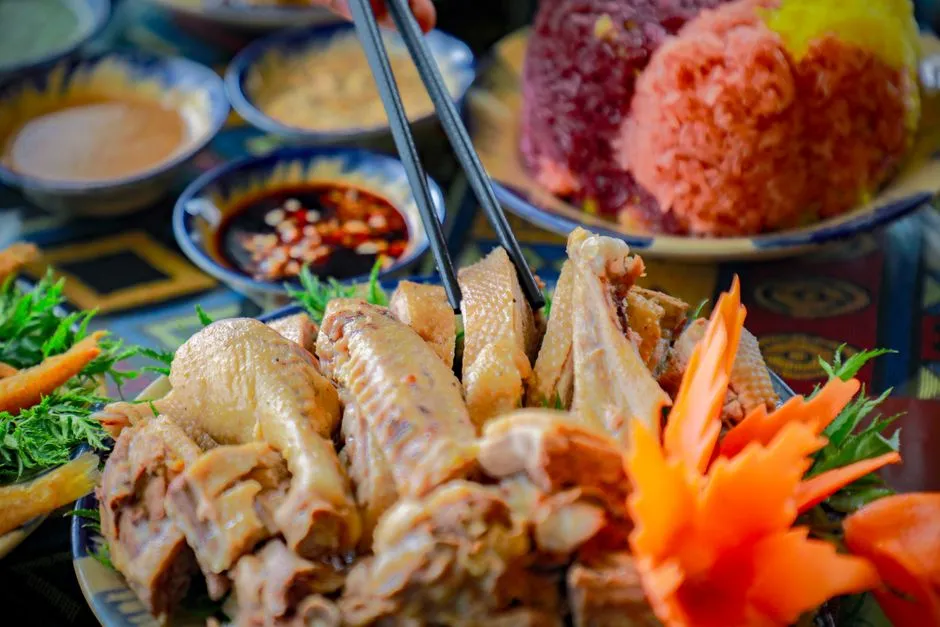
While white meat chicken is lower in fat and calories and slightly higher in protein, dark meat chicken is richer in nutrients like iron, zinc, and vitamin C, making a mix of both types beneficial for a balanced diet.
Dark meat is also richer in nutrients than white meat and contains more iron and zinc. Dark meat is the clear victor in micronutrient density. The same myoglobin that gives the meat its dark color is a rich source of heme iron, which is the most easily absorbed form of iron for the human body.
Red muscle fibers contain more fat and proteins than their white counterparts, so it’s true that chicken legs and thighs are fattier and more caloric, and more nutrient-dense in general. The juiciness, in this sense, is almost a side effect of a nutritionally richer tissue structure.
The Science of Collagen Turning Into Gelatin
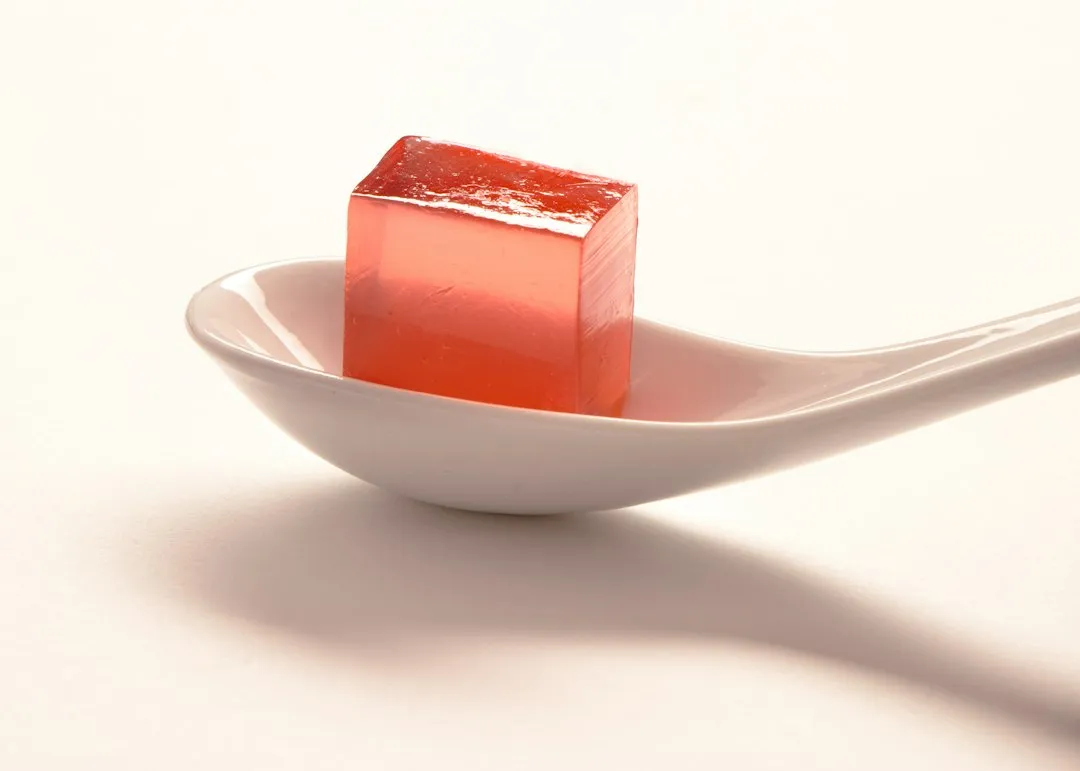
While raw collagen is tough, slow cooking converts it into gelatin, which makes meat tender and juicy. As heat is applied, the structure of meat proteins begins to change around 140°F (60°C), and collagen starts to loosen. True conversion into gelatin happens at higher temperatures over longer cooking times. This gelatin coats the meat fibers, adding a luscious texture and richer flavor.
When cooking low and slow, the connective tissue and collagen melt and become gelatin, which absorbs the meat’s juices, with protein still pushing water directly into that gelatin, creating tender and succulent results.
Gelatin can absorb water, helping to retain moisture within the meat. This helps in preventing the meat from drying out during the cooking process. White meat, lacking this collagen reservoir, simply has no equivalent mechanism for holding onto moisture under heat.
The Takeaway
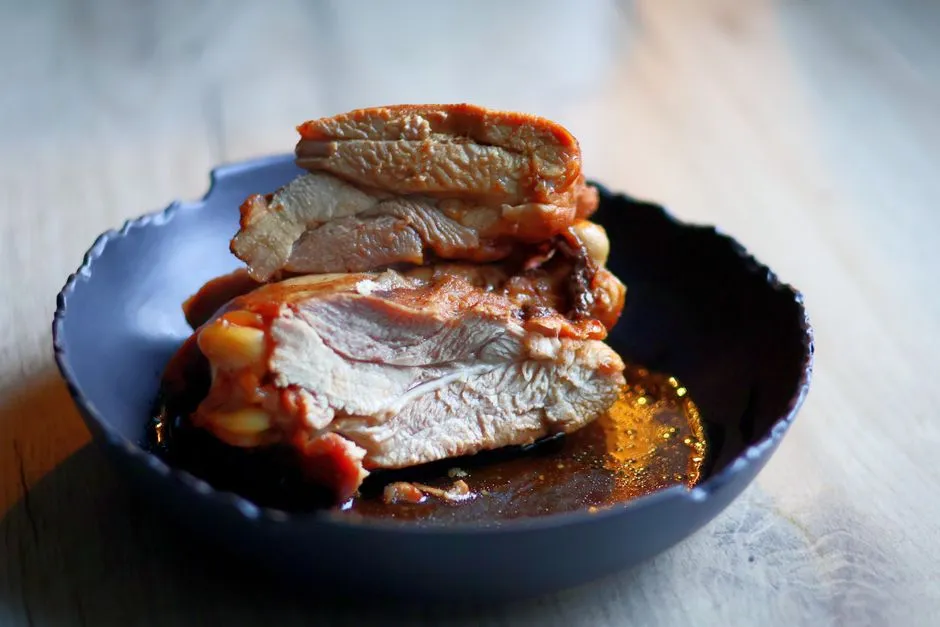
The juiciness of dark meat isn’t a fluke or a matter of personal preference. It’s the direct result of how those muscles function in a living bird. Slow-twitch fibers built for endurance store fat and attract myoglobin. That fat keeps the meat moist. The connective tissue converts to gelatin under heat, locking in moisture and adding silky texture. White meat, built for speed and brief effort, has none of these reserves.
Understanding the biology makes you a better cook, not just a more informed eater. Dark meat rewards patience, tolerates higher heat, and delivers flavor that lean breast meat structurally cannot match. The science is clear, even if the preference is personal.
AI Disclaimer: This article was created with the assistance of AI tools and reviewed by a human editor.