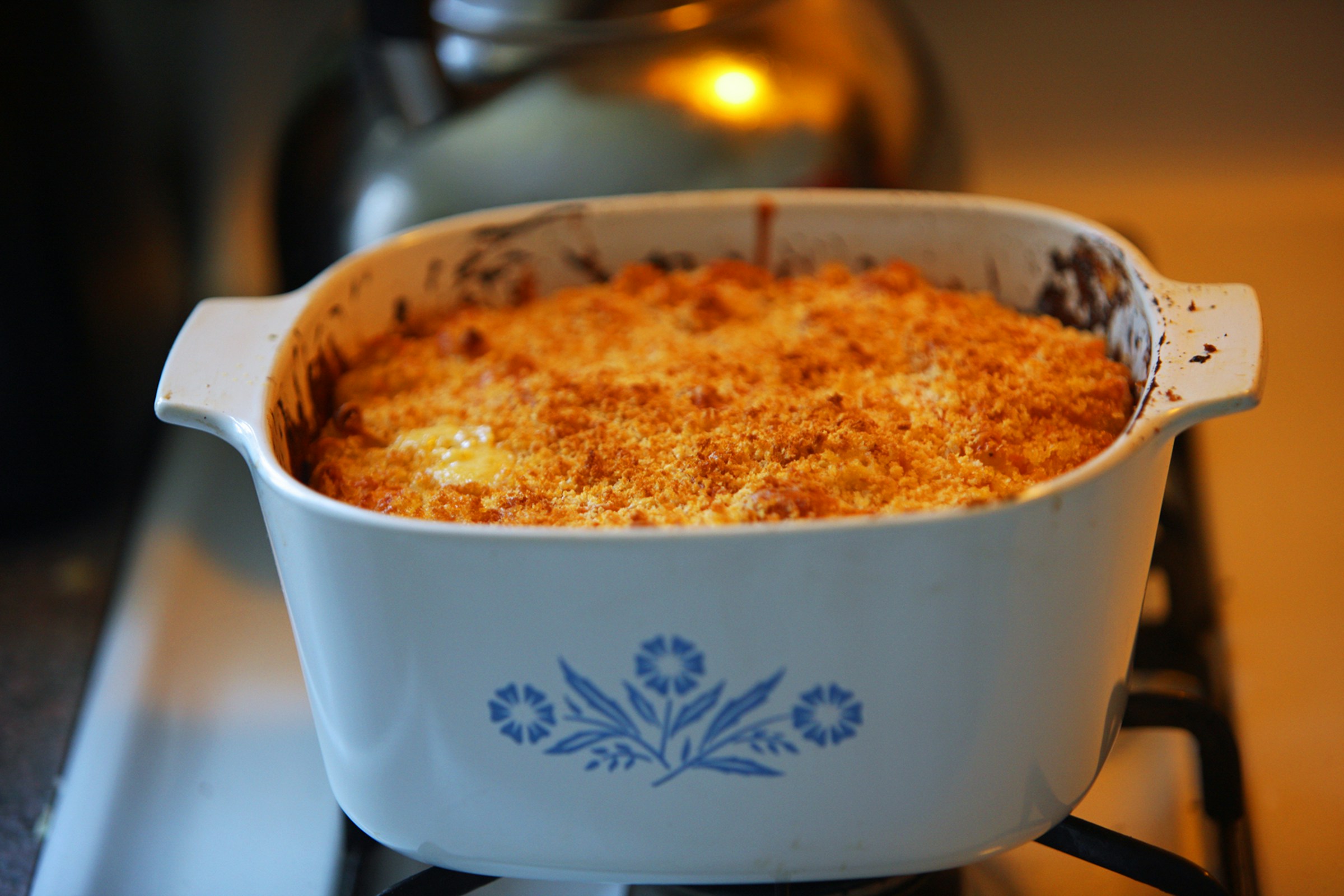

It Was Never Meant for Thanksgiving
Green bean casserole was originally developed as an everyday side dish, not a holiday centerpiece. In 1955, Dorcas Reilly, then a Campbell’s Kitchen employee, wanted to create a quick and easy recipe around two things most Americans always had on hand: green beans and Campbell’s Cream of Mushroom soup.
The Associated Press ran the story nationally, not connected to any holiday. There was no turkey, no pumpkin pie, no November tie-in of any kind. The dish was just meant to be useful on a Tuesday.
The Woman Behind the Recipe
In 1955, Campbell’s recipe developer Dorcas Reilly created Green Bean Casserole at the company’s Test Kitchen in Camden, New Jersey. She was one of the first full-time members of Campbell’s Home Economics department, now known as the Campbell’s Test Kitchen.
It was Reilly who supposedly added the dash of soy sauce that elevated the recipe. She said to a 2005 newspaper that she doesn’t quite remember creating the famous casserole, since in a year the home economists could be testing a thousand recipes. The dish that would define millions of American holidays was, to its creator, more or less routine work.
Six Humble Ingredients That Stuck
The dish they finally submitted called for just six ingredients: a can of Campbell’s condensed cream of mushroom soup, a can of French’s fried onions, canned green beans, plus milk, soy sauce, and black pepper. Nothing complicated, nothing expensive.
In the 1950s, most Americans actually had green beans in their freezers, and Campbell’s Cream of Mushroom Soup had been around since 1934, though it was mostly used as a casserole filler. The recipe worked because it used what people already owned. That made it easy to trust.
A Soup Can Label Changed Everything
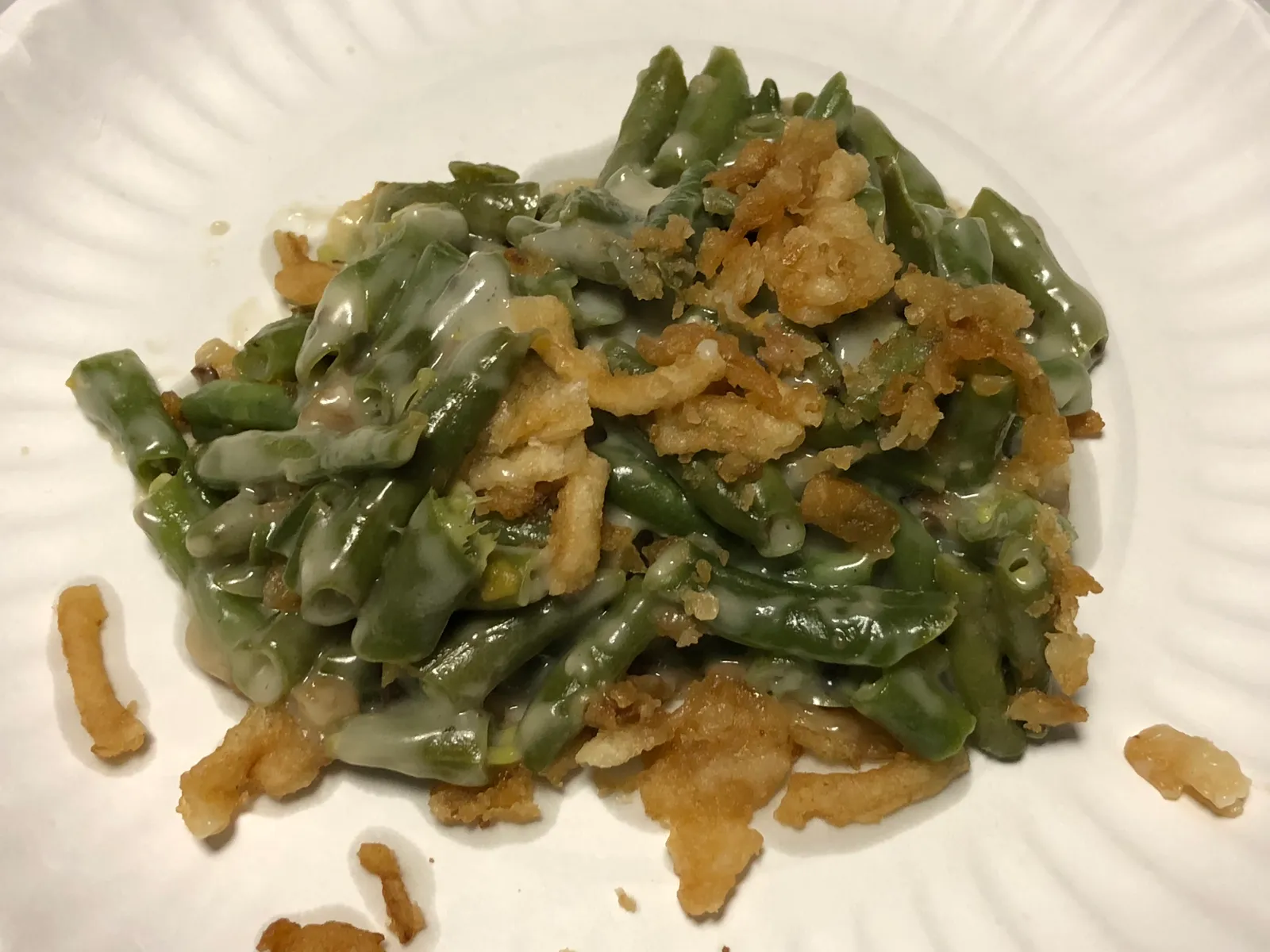
According to Campbell’s, the dish did not take off as a Thanksgiving favorite until the 1960s, when the company put the recipe on the cream of mushroom soup can label. That single decision put it into millions of kitchens without a single advertisement needed.
The breakthrough came in the 1960s, when Campbell’s renamed the dish “green bean casserole” and put the recipe on the cream of mushroom soup label and in promotional pamphlets. Its original name, Green Bean Bake, faded away. The new name sounded more like something you’d bring to a gathering, and people did exactly that.
The Recipe No One Can Explain Becoming a Tradition
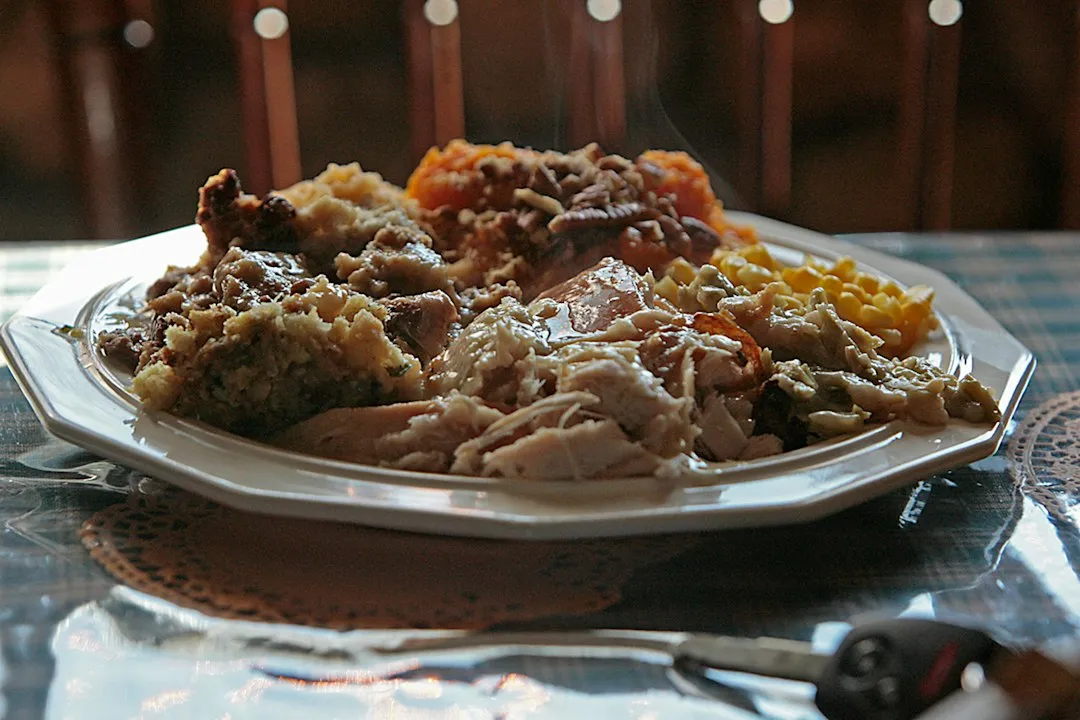
How Reilly’s creation became a Thanksgiving staple, no one really knows, according to the director of the Campbell’s test kitchen. There was no campaign tied to November, no celebrity endorsement, no viral moment. It simply spread, quietly and steadily, through word of mouth and family habit.
A grandmother who prepared green bean casserole every Thanksgiving for 50 years created her own tradition, regardless of where the original recipe came from. That is ultimately how most food traditions take hold. Repetition, done with warmth, becomes ritual.
The Numbers Are Hard to Ignore
Green bean casseroles appear on more than half of Thanksgiving tables nationally. According to Campbell’s 2026 State of the Sides Report, 67% of Americans say green bean casserole reminds them of Thanksgivings past.
Campbell’s estimates that 30 million homes will serve it this Thanksgiving. Campbell’s also reports that roughly half of its cream of mushroom soup sales happen November through January in a typical year, and that its green bean casserole recipe page is viewed more than a million times on Thanksgiving Day alone. That is a remarkable concentration of attention for a single dish on a single day.
The Midwest Claims It Most
Green bean casserole finished fifth nationally in Campbell’s 2026 State of the Sides survey, but Midwestern tables show stronger support. The survey found that it appears on around 60% of holiday tables across that region, highlighting a distinct tradition.
Nebraska reported the highest presence, with 70% serving it, followed by Missouri at 68%. The Midwest is green bean casserole’s home turf, no contest. That regional loyalty likely reflects the dish’s roots in practical, pantry-based cooking, which the Midwest has long valued.
The Recipe Card Now Lives in a Hall of Fame
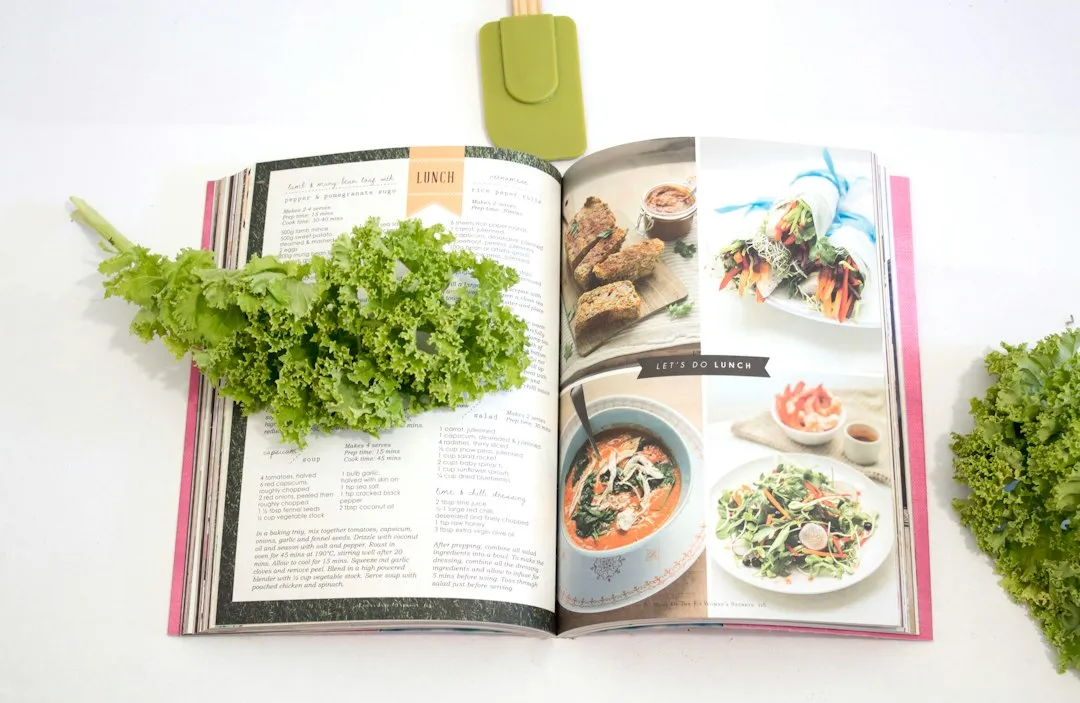
In 2002, Campbell’s and Reilly donated her original recipe card to the National Inventors Hall of Fame for preservation. The hall moved the aged 8-by-11-inch recipe into its archives for long-term preservation.
Dorcas Reilly’s original recipe card for “Green Bean Bake” now belongs to the National Inventors Hall of Fame in Akron, Ohio. That’s the same building where Thomas Edison’s light bulb is on display. Few food items have ever earned that kind of institutional recognition, and the placement says something real about how deep this dish runs in American culture.
It’s the Most Resistant to Change
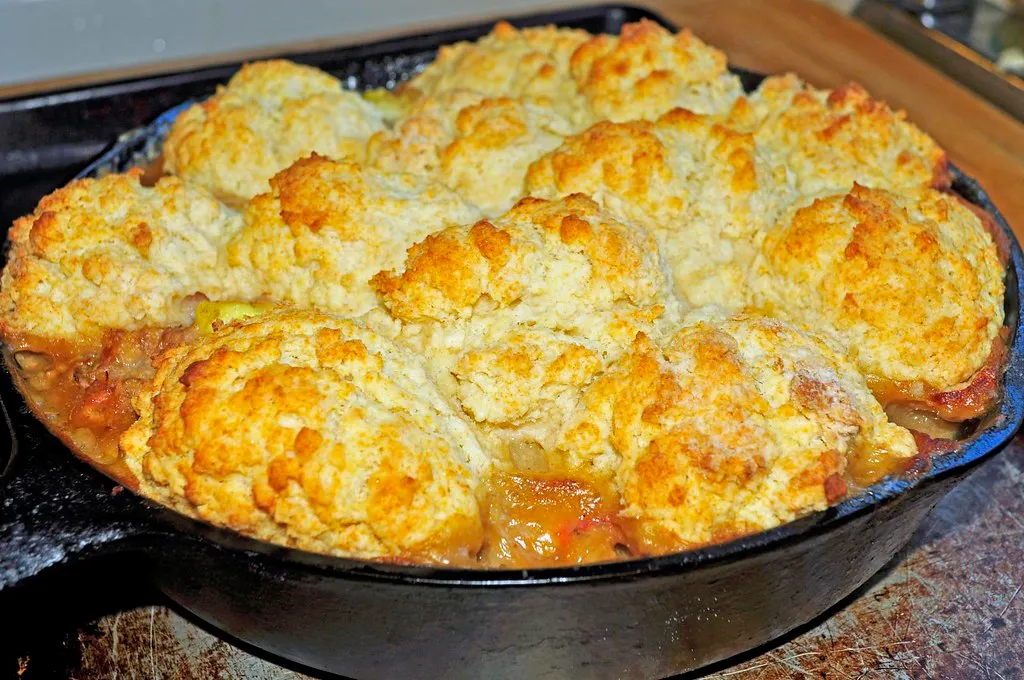
Only 19% of Americans say they would change the recipe, the lowest willingness to change among the top five Thanksgiving sides. That is a striking number. People will freely tinker with mashed potatoes or reinvent stuffing, but green bean casserole tends to stay as is.
Multiple similar recipes were developed to update or upgrade the original recipe to use fresh beans, homemade cream sauce, and fresh mushrooms, as convenience-food based recipes of the 1950s and 1960s became less fashionable. Yet according to culinary historian Shapiro, the green bean casserole remains popular for Thanksgiving because of nostalgia. The original formula, improbably, keeps winning.
It Has Outlasted Food Trends for Over 70 Years
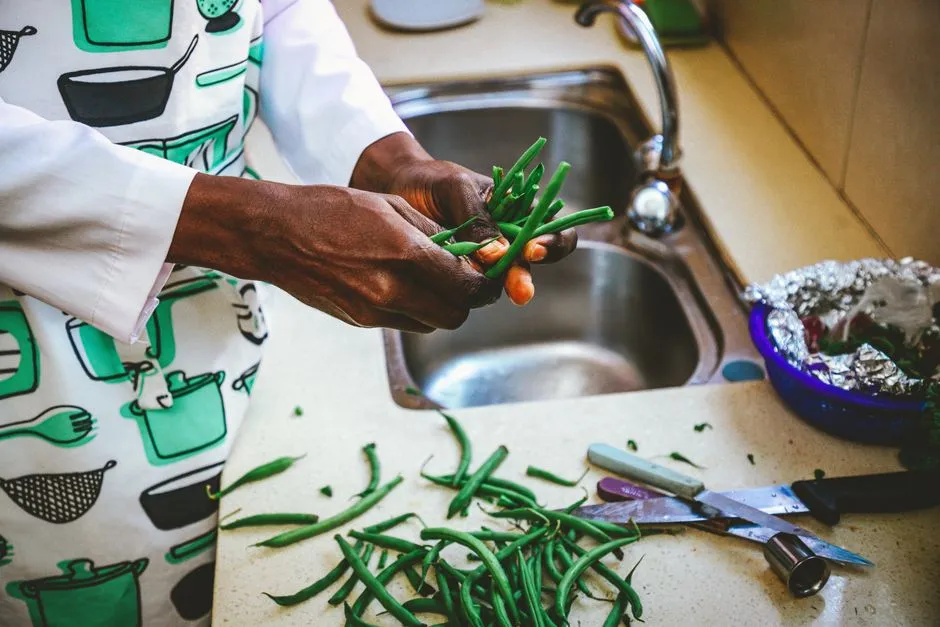
The classic green bean casserole, now celebrating its 70th year, remains the sentimental favorite. According to Campbell’s State of the Sides report, 44% call it the most iconic Thanksgiving side, with more than half of those who always cook the full Thanksgiving meal saying it’s best made the traditional way.
Green bean casserole is still the most requested recipe in company history. Farm-to-table movements, low-carb phases, plant-based trends – none of them have meaningfully dented its presence at the November table. More than 70 years after Reilly set out to get people eating more vegetables, green bean casserole is still on the Thanksgiving table, and the teaspoon of soy sauce is still in it.
The Takeaway
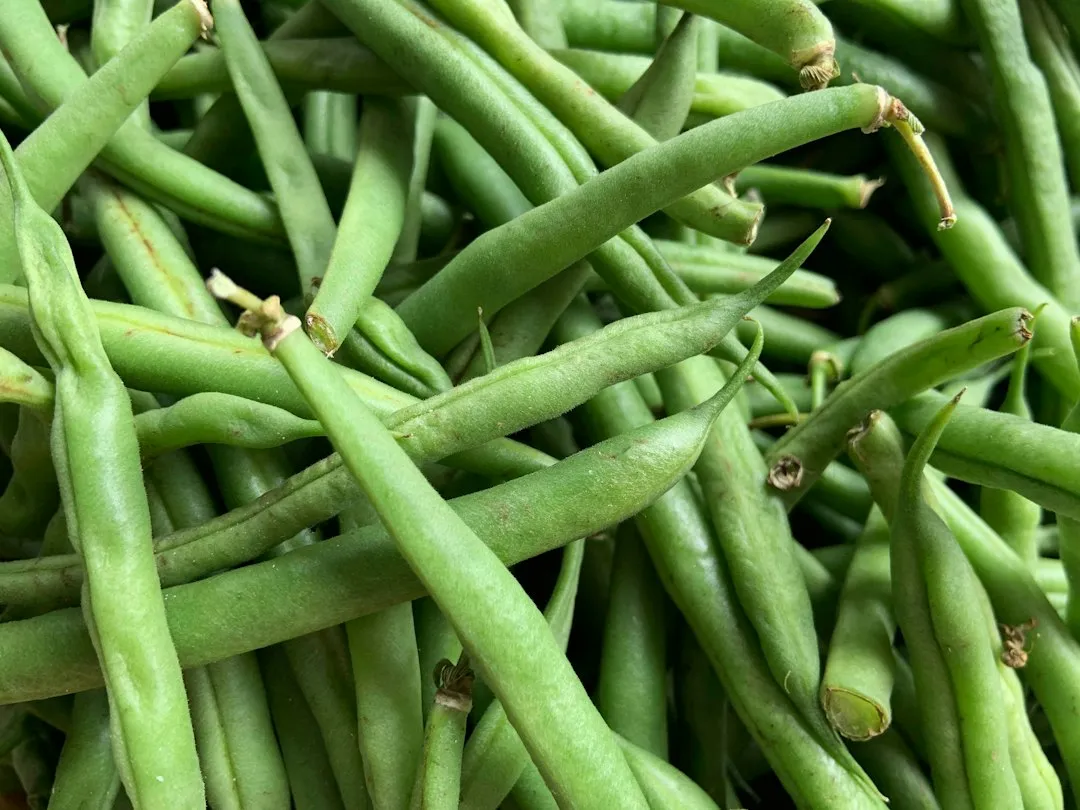
What makes green bean casserole genuinely interesting is what it reveals about how traditions actually form. It was not handed down from some culinary authority. It was not tied to Thanksgiving at the start. Somewhere along the way, a recipe developed to promote canned soup became Grandma’s famous green bean casserole.
Traditions rarely arrive with fanfare. More often, they sneak in through a side door, something practical and unpretentious, repeated enough times that it starts to feel essential. Dorcas Reilly was fine with people not knowing the origins, saying it was “no longer just a Campbell’s recipe. It’s become a family recipe.” That quiet transformation from corporate product to family tradition is, in the end, the whole story.
AI Disclaimer: This article was created with the assistance of AI tools and reviewed by a human editor.