

A Tradition with Deep Nordic Roots

The hidden almond is a unique Christmas tradition found in countries like Denmark, Norway, Sweden, and Iceland. It’s so embedded in those cultures that skipping it would feel like forgetting to put up a tree. It is a common Scandinavian tradition for many families, especially those with children, and in Denmark this custom has been known since the 16th century. The longevity alone says something about how well it works as a family ritual.
What the Dish Actually Is

Danish rice pudding, known as risalamande, is a cold Christmas dessert of rice porridge folded with whipped cream, chopped almonds and vanilla, served with hot cherry sauce. The name risalamande comes from the French riz à l’amande, meaning rice with almond. Despite the French-sounding name, the dish itself is thoroughly Danish in character and execution. By about 1900, the upper classes in Denmark were serving risalamande at Christmas instead of plain rice porridge, and its fancy French-derived name was a reminder that the inspiration came from a sophisticated, almond-flavored French pudding.
The Ancient Roots of Hiding Things in Food

On Epiphany, also known as Three Kings’ Day, families would bake and serve a king cake in which one whole bean was hidden, and whoever got the bean was considered “king” for the night with all the privileges that came with it. The almond present is believed to have come about in Denmark around 1800, where the bean was replaced with an almond and the king cake was replaced with rice pudding. The swap from bean to almond was a small but meaningful shift, moving the tradition from a religious cake to an everyday dessert that felt more domestic and intimate.
Understanding the full origin of the almond means going back to antiquity and to Rome’s Saturnalia, a holiday that turned the world upside down, where a king of Saturnalia was chosen for a day and masters served their slaves. A mock king, known as the Saturnalicius princeps, was designated for the festival, usually by hiding a fava bean or a coin inside a cake.
How the Game Actually Works

In the almond game, one whole almond is hidden in the bowl of risalamande and the person who finds it wins the almond present, known as the mandelgaven. The finder keeps the almond hidden until everyone has finished eating, then shows the almond and receives the present. That concealment is a big part of the fun. The finder will often keep it a secret from everyone else until all the pudding is gone, watching the fun play out before revealing they have the almond.
The Prize: A Marzipan Pig and More

At some point, a tradition of giving a special additional prize to someone who found the whole almond hidden in the pudding, called the mandelgaven or “almond present,” was created, with the prize usually being in the form of a pink marzipan pig. Risalamande is served with a hot cherry sauce, traditionally with a whole almond hidden inside, and the lucky finder of this almond is entitled to a small gift, which is traditionally a marzipan pig. Over time, the gifts have expanded. Traditional gifts now also include some chocolate, a book, or a satirical yearbook.
Different Prizes in Different Eras

The prize for finding the almond changed over time. In the beginning, the finder of the almond in Denmark got to kiss someone of the opposite sex, and later it became a tradition to give a gift to the winner. The shift from a kiss to a wrapped gift reflects a broader social evolution toward family-friendly celebration. Today the pudding is served in a large communal bowl and whoever gets the whole almond in their bowl receives the mandelgave, which is usually a small gift that anyone would enjoy, such as a board game or a movie.
The Superstition Behind Finding It

By tradition, the person finding a hidden almond in the dessert is expected to get married before the next Christmas. Not every family takes this seriously, of course, but it adds a layer of gentle teasing, particularly when a teenager or a single adult pulls the almond out of their bowl. The winner eventually comes forward to claim the prize and a year’s worth of good luck. Good luck and marriage prospects in one spoonful. That’s not a bad return on a single nut.
Variations Across Scandinavia

The classic Scandinavian Christmas rice pudding dessert takes different names across the region: Risalamande in Denmark, Riskrem in Norway, and Ris à la Malta in Sweden, all made by folding cooled rice pudding into lightly sweetened whipped cream and serving it with warm cherry sauce or berry compote. Norwegians have a similar dish called riskrem, meaning rice cream, and as in Denmark, the person finding a hidden almond wins a mandelgave in the form of a marzipan pig or similar gift. The Swedish version carries its own spin. The Swedish almond tradition is closer to the original romantic custom, where the person who gets the almond is said to get married before the next Christmas.
The Wartime Role of Rice Pudding

During the Second World War, risalamande became the go-to Christmas dish as housewives could stretch their rice with whipped cream. Scarcity, it turns out, can cement a tradition just as powerfully as abundance. The dish became associated not just with celebration but with resilience, and that emotional texture has lingered in the culture long after rationing ended. It’s worth remembering that some of the most enduring Christmas foods were born out of necessity rather than luxury.
How the Almond Is Hidden
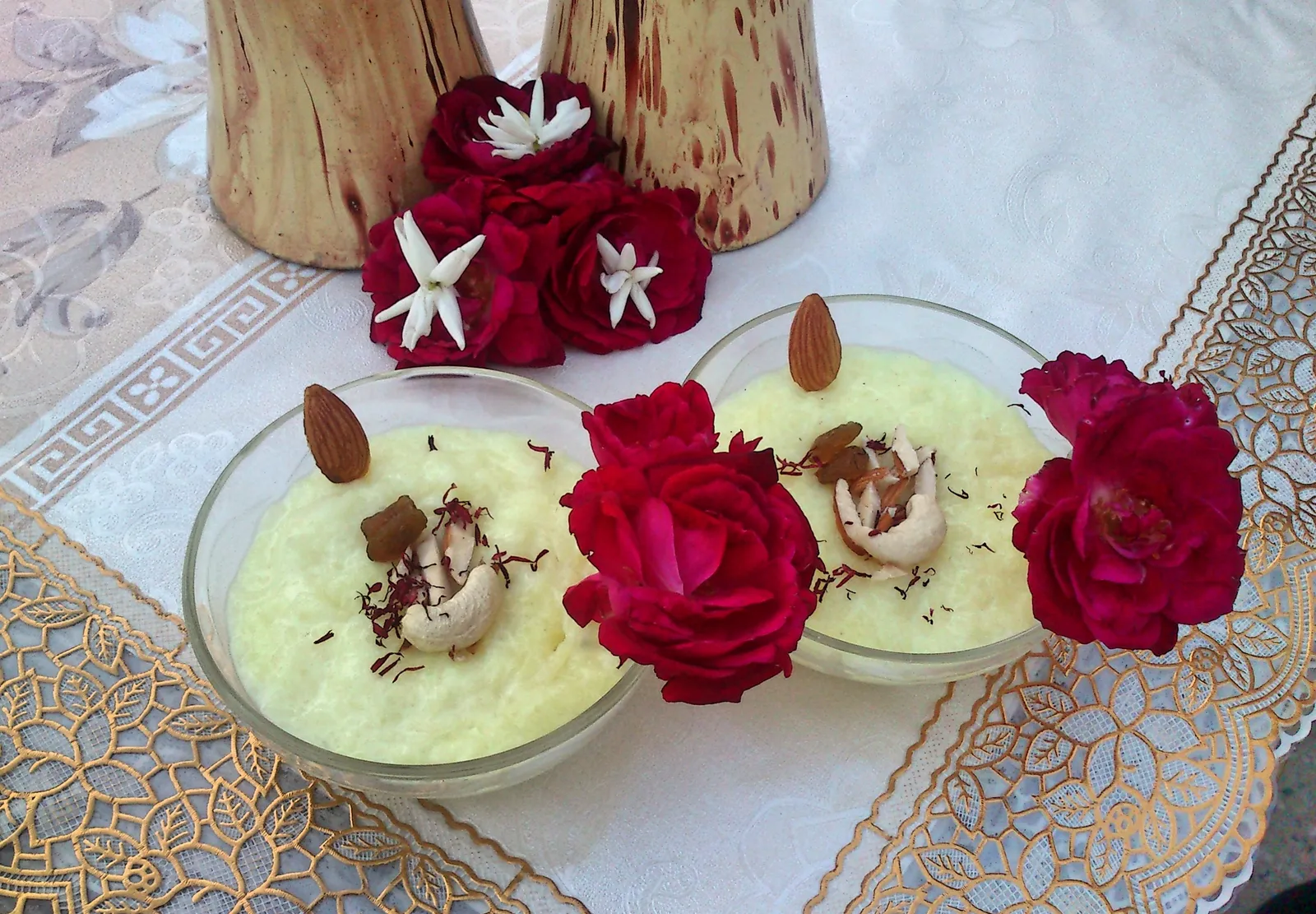
A single, whole almond is mixed into the risalamande and hidden before serving, and the skin of the almond is carefully peeled or shaved off to make it harder to find. That detail matters more than it sounds. A pale, skinless almond blends almost seamlessly into the creamy white pudding, turning what could be an easy find into a genuinely suspenseful game. A single whole almond is blanched and stirred into the risalamande, the dish is served after Christmas dinner, and whoever finds the almond wins a gift.
Why Families Keep the Tradition Alive
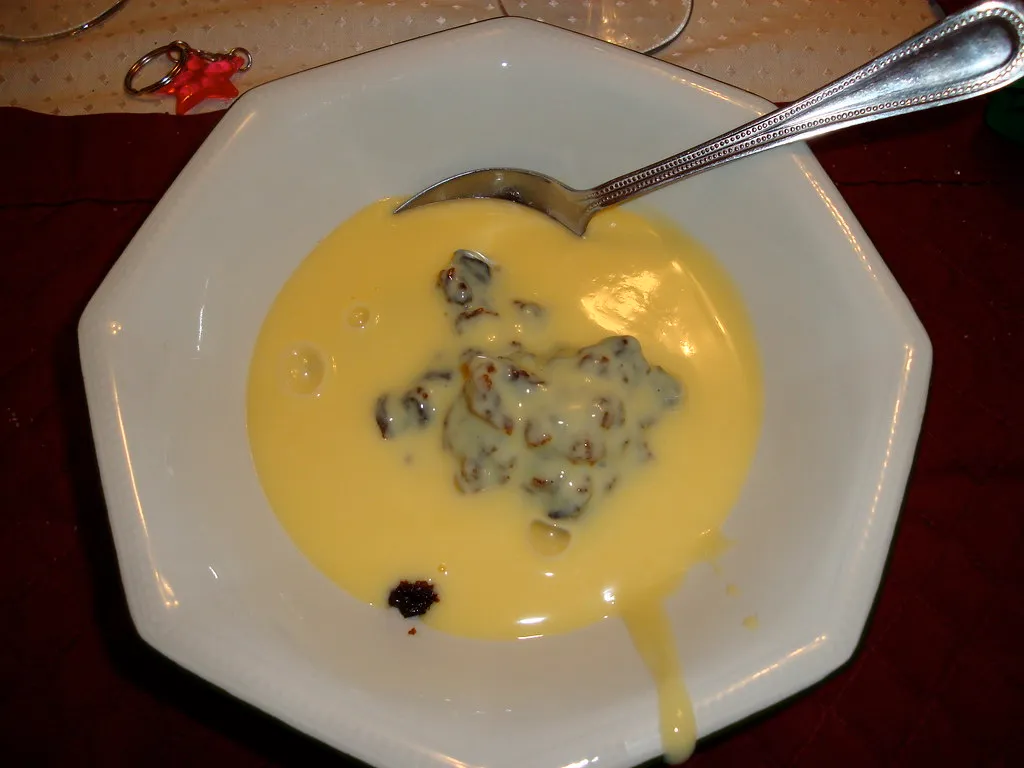
This tradition is a beloved part of the Christmas celebration for many families, and the game creates a lot of laughter and anticipation as everyone eats their pudding, hoping to be the one to find the hidden almond. In an age when screens compete for attention at every meal, a tradition that makes everyone focus on their bowl and each other has real value. While risalamande is delicious, its real purpose is to see who gets the hidden almond and wins the mandelgave, and even people who claim not to like the dish will suffer through a portion in hopes of finding it. That small competitive pull is exactly what keeps the tradition alive across generations.
A Tradition That Has Traveled Far from Scandinavia

The hidden almond has migrated well beyond its Nordic homeland. Scandinavian diaspora communities across North America, Australia, and elsewhere continue the custom in their own households, often blending it with local ingredients while keeping the essential game intact. Hiding an almond in rice pudding is recognized as a Swedish, Norwegian, Danish, and Finnish custom, which means it carries enough cultural weight to survive transplanting. For many families living far from Scandinavia, it remains one of the most direct threads back to their heritage.
The Takeaway

What makes this tradition genuinely interesting is how much it packs into a single gesture. One almond, one bowl, one prize. The ritual connects a modern Christmas table to Roman Saturnalia, medieval king cakes, wartime kitchens, and Norse folklore all at once. It’s proof that the most durable traditions are rarely elaborate. They just need to make people lean forward in their seats.
AI Disclaimer: This article was created with the assistance of AI tools and reviewed by a human editor.