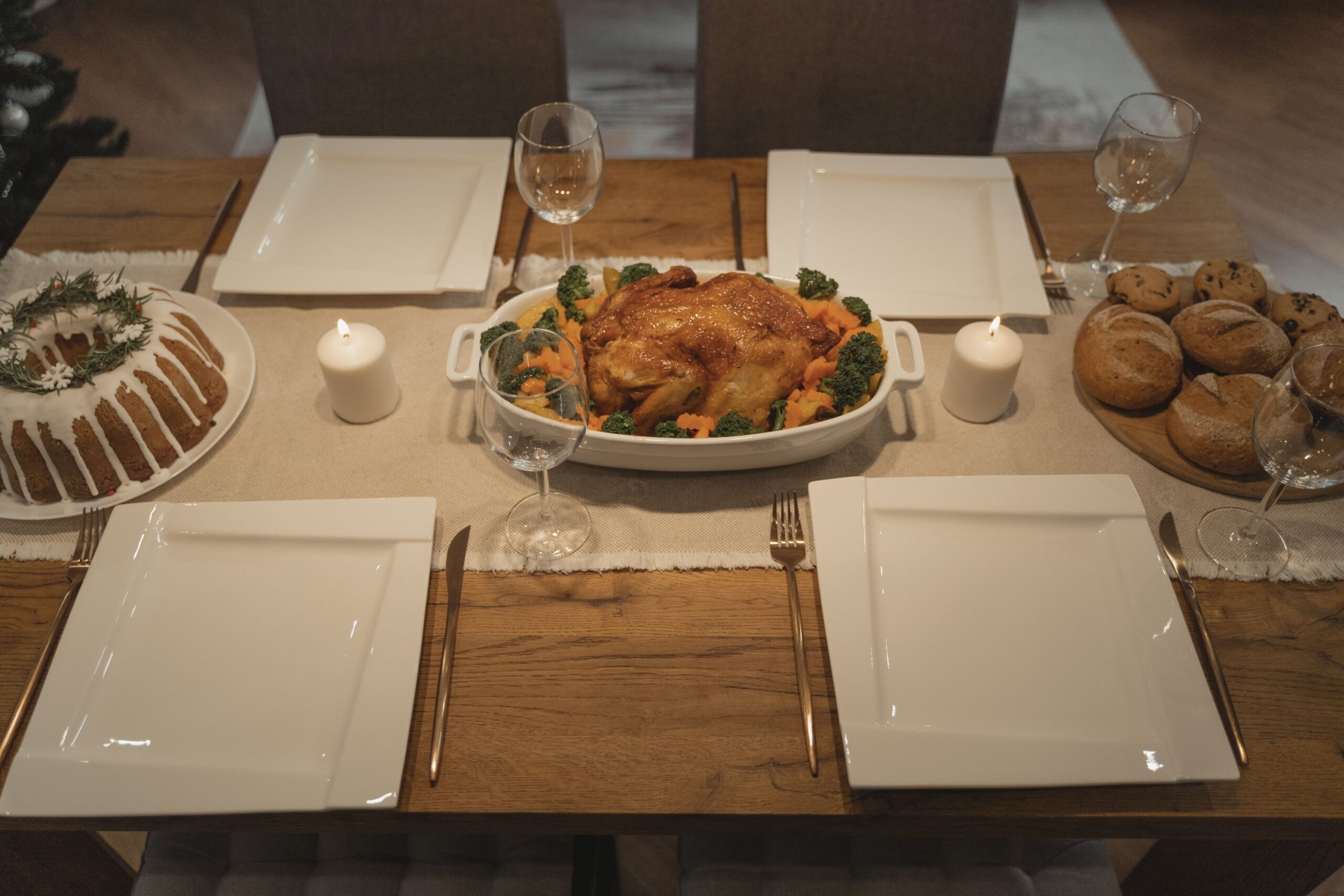

The Window Chefs Agree On
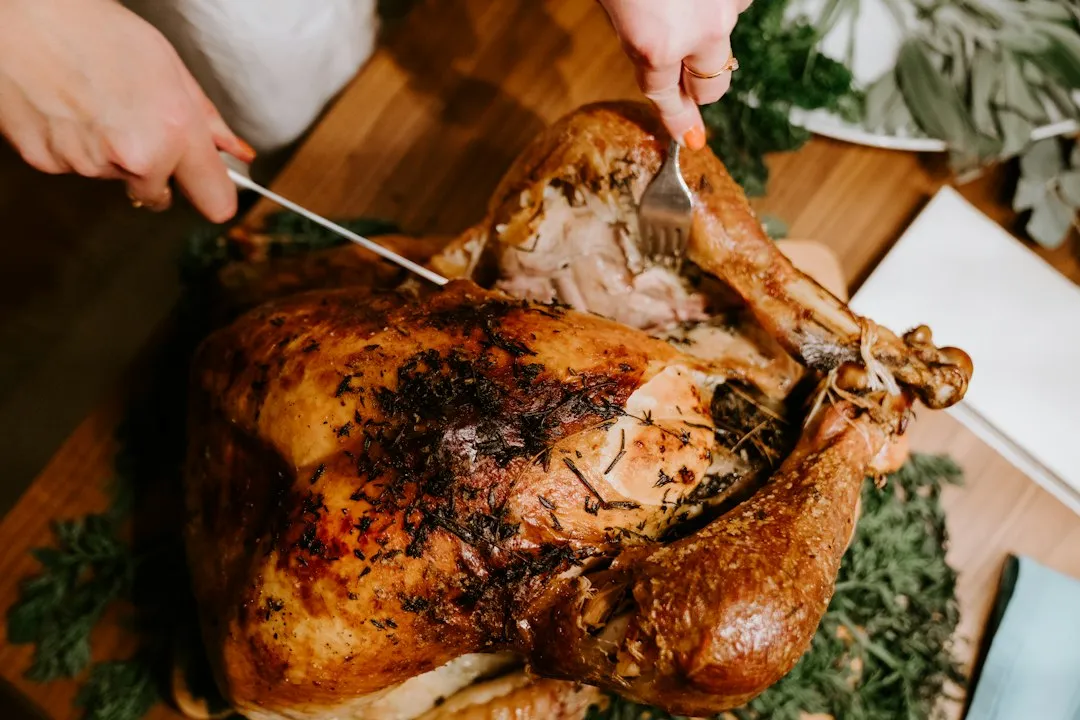
Most experts recommend a minimum resting time of 30 to 45 minutes for an average-sized turkey, which is usually sufficient for the juices to redistribute and for the meat to become easier to carve. That’s not a rough estimate – it’s a consensus backed by both culinary tradition and food science.
When it comes to resting the turkey, professional chefs don’t always see eye to eye on the exact number. Some rest the bird for as little as 10 to 20 minutes, while others let it sit for at least 45 minutes. The USDA recommends resting the turkey for 20 minutes.
Most chefs recommend at least 30 minutes of rest time. Gordon Ramsay lets his turkey rest for a couple of hours. That range tells you something: the floor is firm, the ceiling is flexible.
What’s Actually Happening Inside the Bird
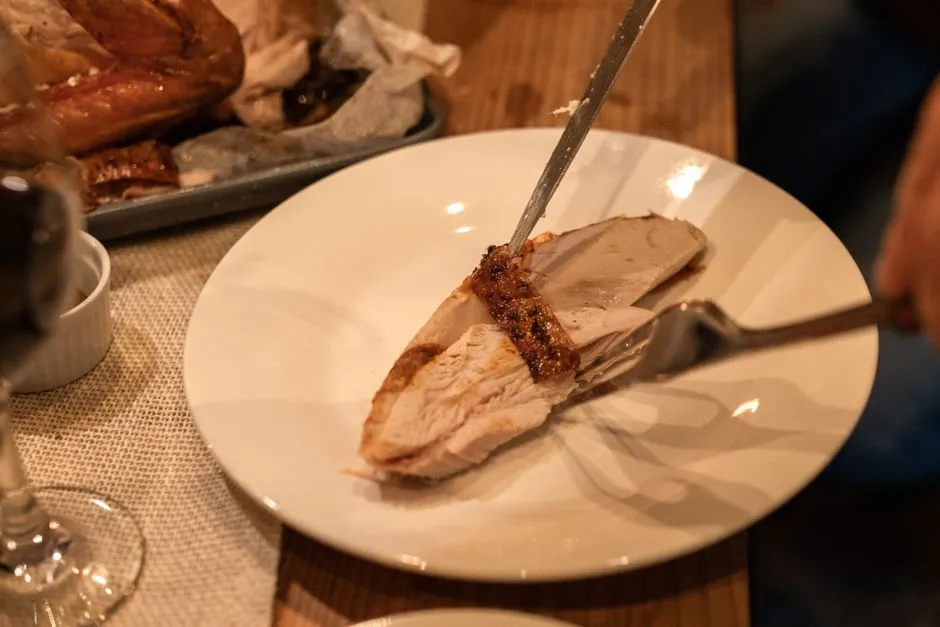
Resting a cooked turkey is not simply about letting it cool down. It’s a crucial step in the cooking process that significantly impacts the final texture and taste, because when a turkey is cooked, the muscle fibers contract and squeeze out moisture.
Proper resting ensures a juicier, more flavorful turkey by allowing the muscle fibers to relax and reabsorb the flavorful juices that were forced out during cooking. Think of the muscle fiber like a wrung-out sponge. Rest gives it time to soften and soak back up.
During cooking, heat pushes juices toward the center of the meat. If you carve the bird immediately, all that precious juice escapes onto the cutting board, leaving you with dry, stringy meat.
Carryover Cooking: The Part Most People Miss
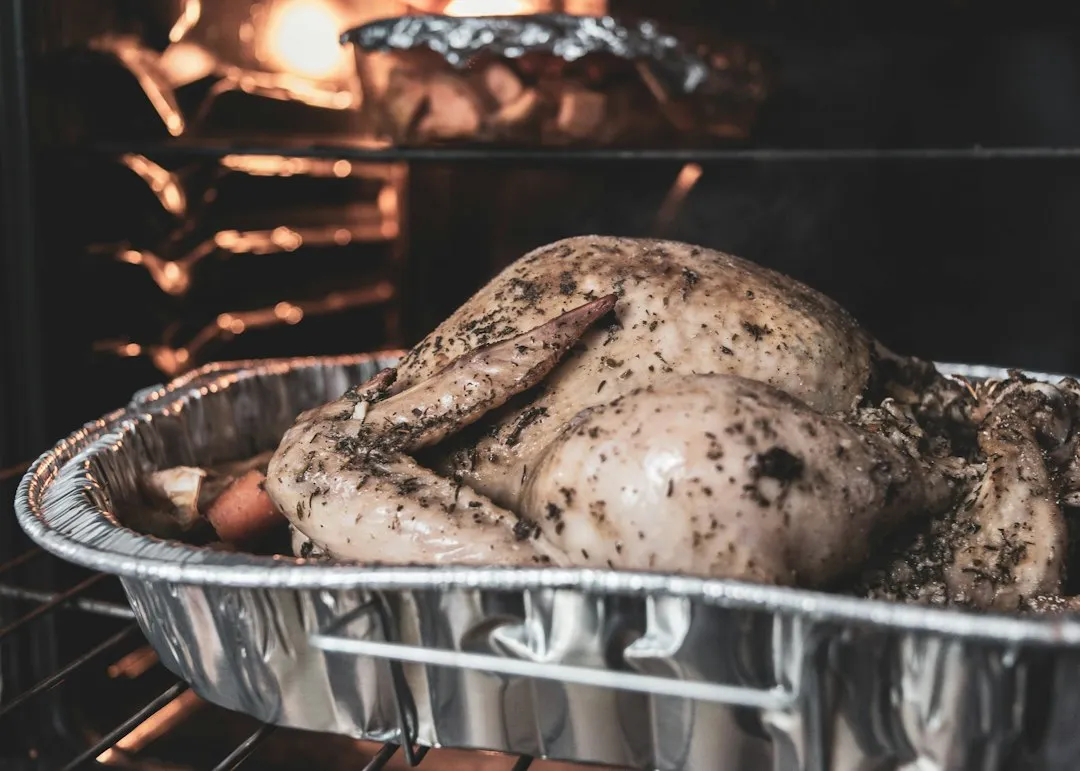
It is vital to remember that a turkey continues to cook even after it is removed from the oven. This phenomenon, known as carryover cooking, happens because heat on the exterior of the bird continues to move toward the center. Depending on the size of the turkey, the internal temperature can rise by several degrees during the first 15 to 30 minutes of resting.
A whole roasted turkey can undergo a significant amount of carryover cooking – up to 5 to 10 degrees Fahrenheit – during the resting phase. This is why many experienced cooks pull the bird from the oven slightly before the target temperature is reached.
Carryover cooking will bring the breast up to the USDA’s recommended 165°F during the rest. Keep in mind that if you’re cooking a large bird or finishing the roast at a high temperature to crisp the skin, you’ll get a few more degrees of carryover cooking.
The USDA’s Official Guidance
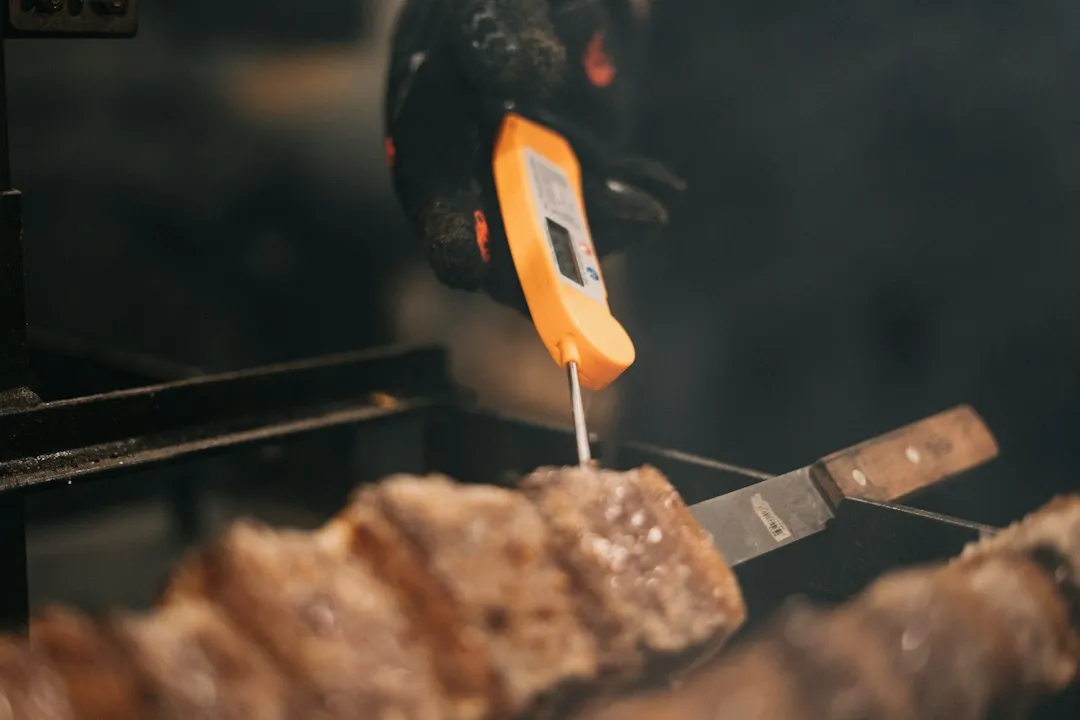
According to the USDA Food Safety and Inspection Service, a food thermometer should be used to ensure a safe minimum internal temperature of 165°F has been reached to destroy bacteria and prevent foodborne illness. That number applies before the bird rests, not after.
The USDA has established a single standard for turkey safety: 165°F (74°C) internal temperature, measured with a calibrated food thermometer in the thickest part of the breast, innermost part of the thigh, and innermost part of the wing, before the turkey rests.
Remove the turkey only after a food thermometer shows at least 165°F in the innermost thigh, the innermost wing and the thickest part of the breast, then let it rest 20 minutes before carving. Twenty minutes is the stated minimum from USDA, though culinary professionals typically push that number higher.
Size Changes Everything
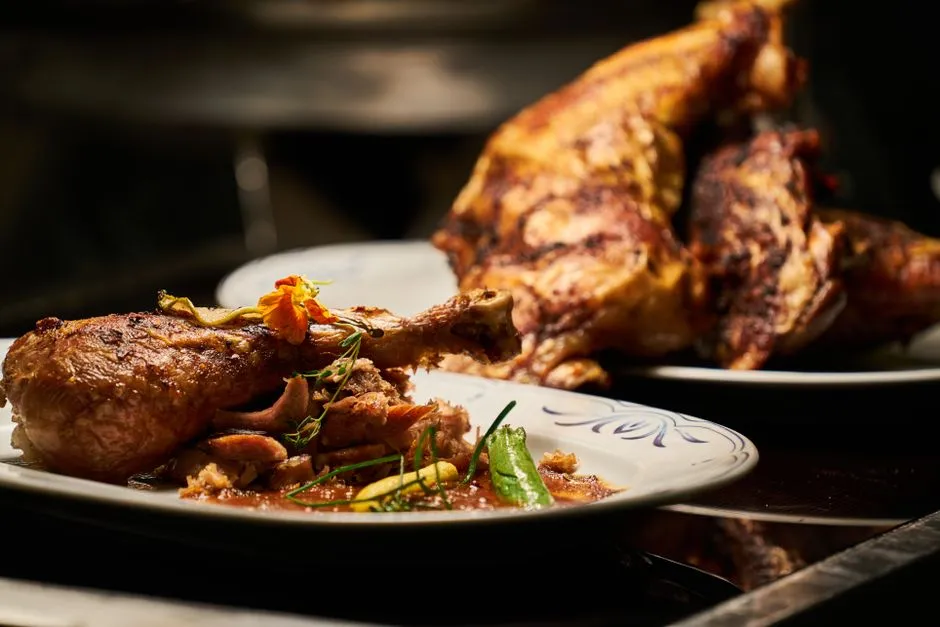
The resting time for turkey largely depends on its size. As a general rule, aim for 20 to 30 minutes for smaller birds under 12 pounds and 30 to 45 minutes for larger ones over 12 pounds.
A larger turkey will stay warm longer than a smaller one. A 10 to 14 pound bird might only need to rest for 30 minutes before it’s ready. A very large bird over 20 pounds might benefit from a 45 minute rest to ensure complete juice redistribution.
A smaller turkey or a turkey crown will reach equilibrium faster and therefore requires less resting time – often 30 minutes is sufficient. Matching your rest window to the size of your bird is a simple and practical rule that makes a real difference.
To Tent or Not to Tent
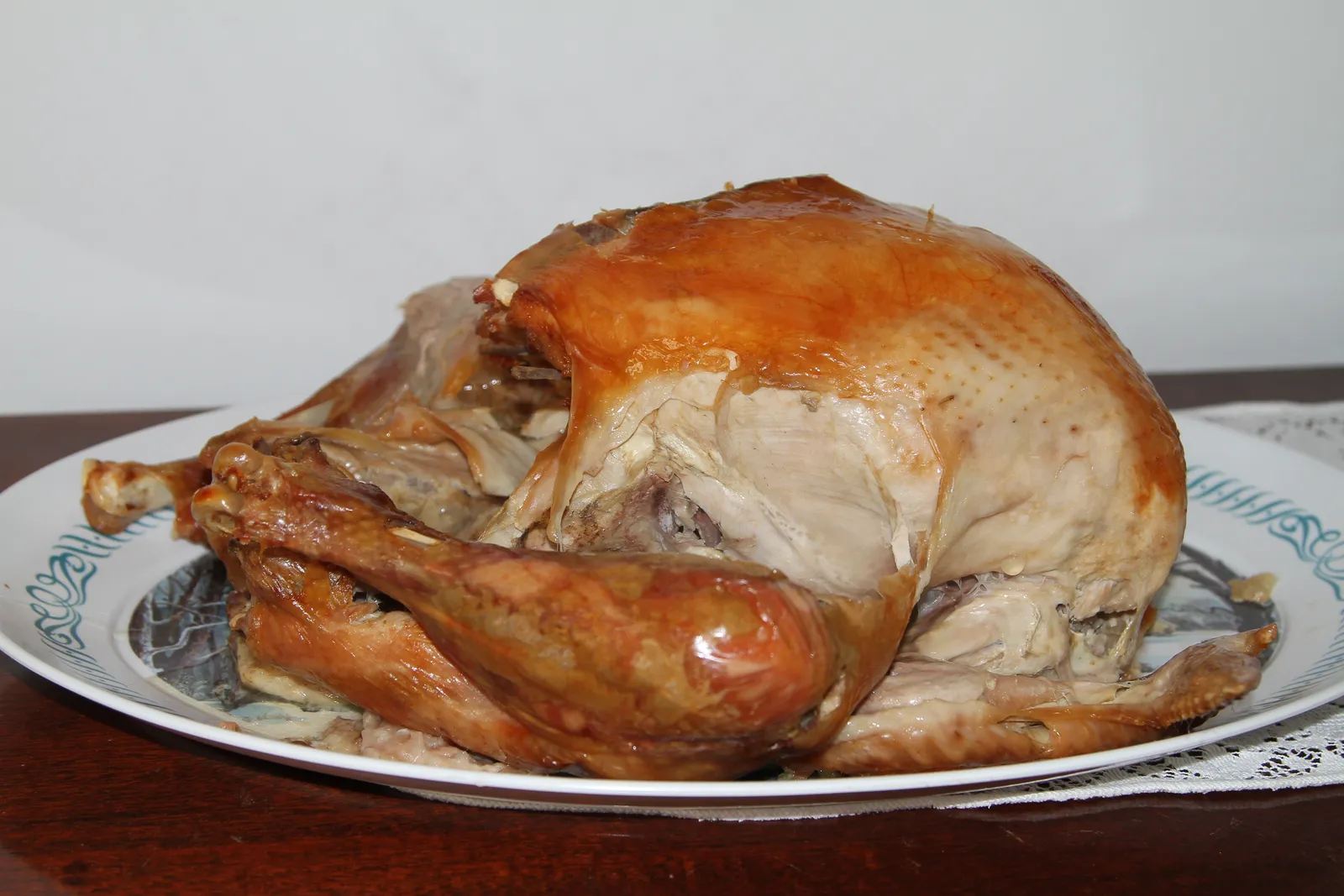
None of some professional chefs tent the bird with foil. Some say this can hold in the heat and increase the carryover cooking. Others add that tenting with foil can cause the skin to steam and get soggy.
Avoid wrapping the turkey tightly. Over-tenting can create condensation that softens crisp skin. This is a real trade-off: a loose tent preserves warmth, but a tight wrap sacrifices that crackling exterior you spent hours developing.
Loosely tenting the bird with foil for the first 15 minutes of rest keeps the breast warm without steaming the skin. That’s a sensible middle path – a brief, loose tent early on, then uncovered for the remainder of the rest.
What Happens When You Skip the Rest
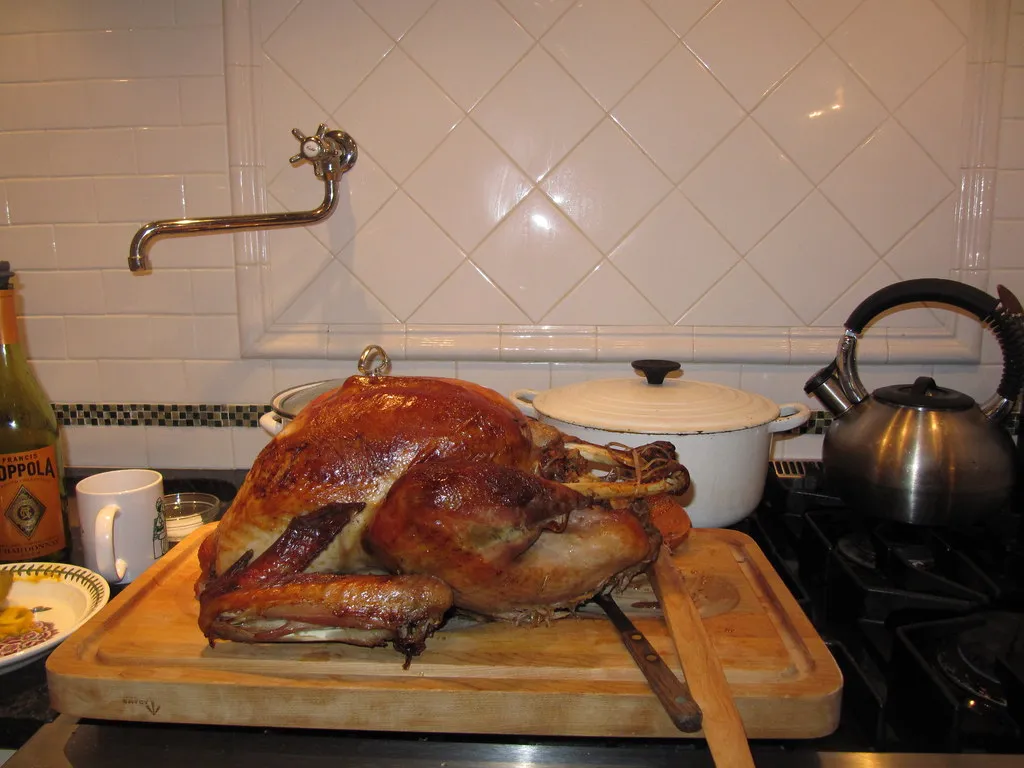
Skipping the rest leads to dry meat. When you cut into a hot, unrested turkey, the juices spill out onto the board rather than staying in the muscle. That liquid pooling on the cutting board is moisture that should have been in every bite.
Resting the turkey for at least 30 minutes allows for better moisture retention and even cooking throughout the meat. Shortening that window, even by 10 or 15 minutes, starts to compromise those results noticeably.
If you’re truly pressed for time, a minimum of 15 minutes is better than nothing. Even this brief period will allow some juice redistribution. However, be prepared for a slightly drier turkey.
Can You Rest a Turkey Too Long?
While it’s best to rest your turkey for the recommended times, resting for more than an hour generally won’t adversely affect it. The bigger risk on the long end isn’t texture – it’s food safety temperature management.
Excessive resting time can increase the risk of bacterial growth if the turkey’s internal temperature drops into the food safety danger zone between 40°F and 140°F. To avoid this, ensure the resting area is warm, cover the turkey loosely with foil, and do not exceed 90 minutes before serving.
For larger birds, or if you prefer a wider buffer for preparing side dishes, resting the turkey for up to 90 minutes is often safe and highly beneficial. Up to an hour and a half is a reasonable upper boundary when the bird is properly covered and the kitchen is warm.
The Practical Upside of Waiting
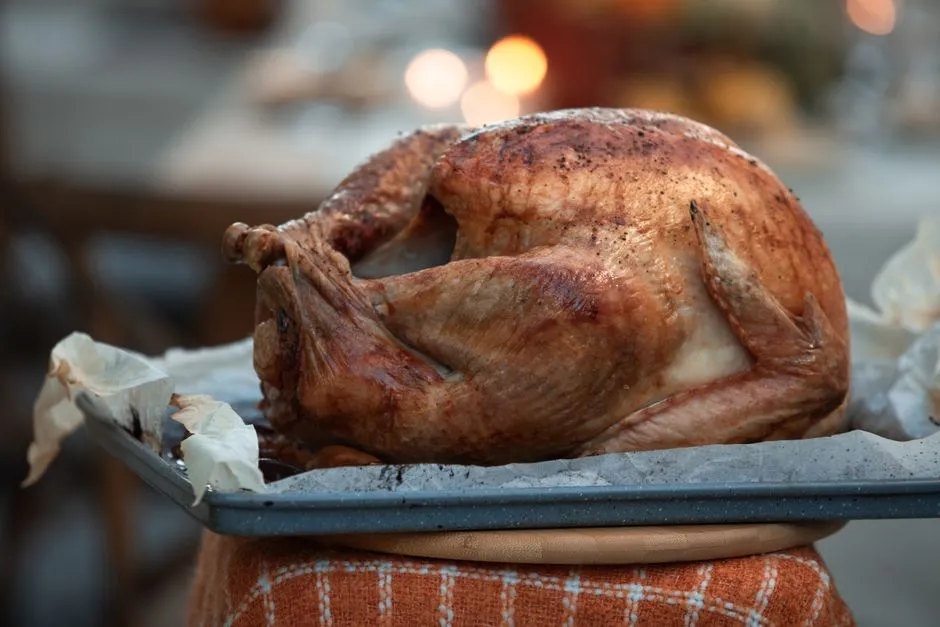
The resting period is not just a time to wait – it is a time to be productive. Because the turkey will stay warm for a significant period when properly tented, you can use this time to finish your gravy.
A rested turkey stays hot under foil, which gives you time to finish the sides. Think about the full picture: a 30 to 45 minute rest window is exactly the time you need to roast vegetables, reduce pan drippings into gravy, and get everything to the table at once.
You can also line a cooler with towels, place the turkey inside, and then cover it with more towels. This method can keep your turkey warm for several hours, allowing for maximum juice redistribution and flexibility in your dinner timing. It’s a low-tech trick that professional caterers use regularly.
Resting Turkey Breast and Parts Separately
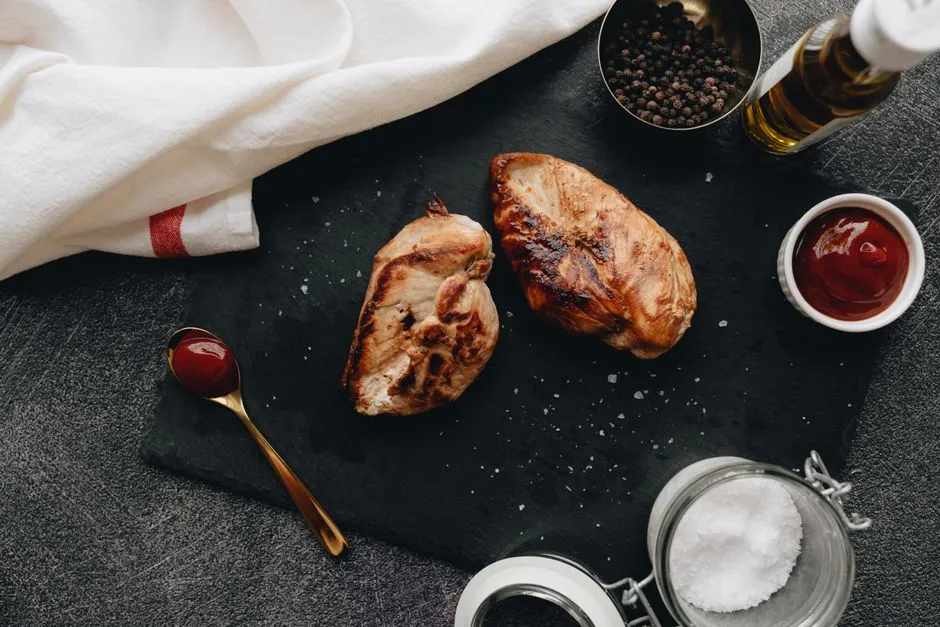
Plan on a resting time of 15 to 20 minutes if you’re only cooking the breast or other small portions. Smaller pieces release heat faster, so the rest window shrinks accordingly.
Resting allows the natural juices to move from the center to the outer parts of the meat, promoting uniform moisture – and this applies just as much to a turkey breast roasted on its own as it does to a whole bird.
Resting is still recommended to allow juices to settle, which improves texture and flavor even when served cold. So even if you’re making turkey for cold slicing the next day, the resting step still earns its place in the process.
The Takeaway
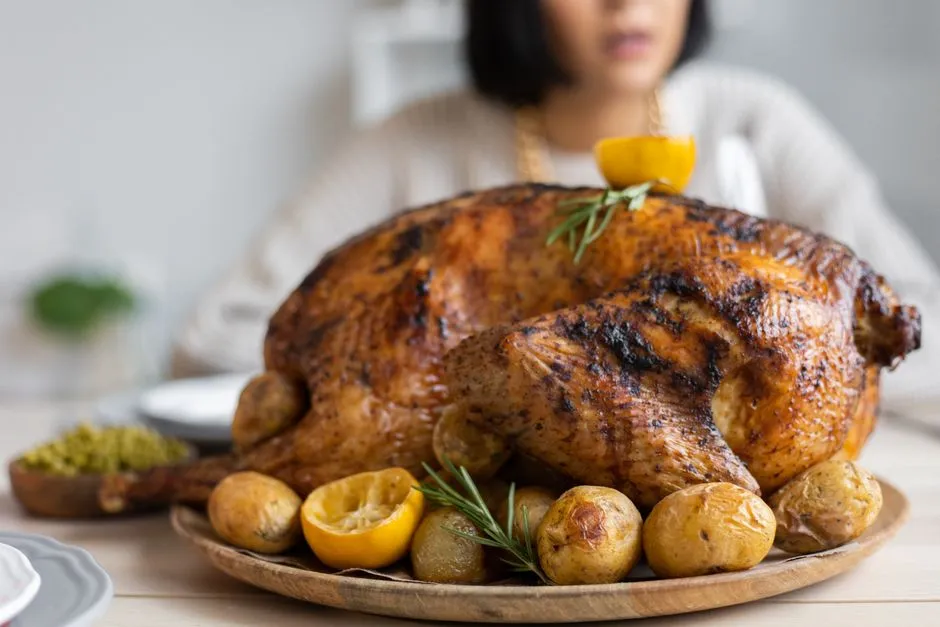
The most common turkey mistake isn’t overcooking or under-seasoning. It’s impatience. Thirty to 45 minutes of doing nothing – that’s the investment most home cooks consistently skip. Resting a turkey isn’t just a suggestion; it’s a culinary imperative. If you carve the bird immediately, all that precious juice escapes onto the cutting board, leaving you with dry, stringy meat.
The science is straightforward, the guidance is consistent, and the payoff is real. A properly rested turkey carves cleaner, tastes better, and holds its moisture from the first slice to the last. It’s the step that costs nothing except a little patience.
AI Disclaimer: This article was created with the assistance of AI tools and reviewed by a human editor.