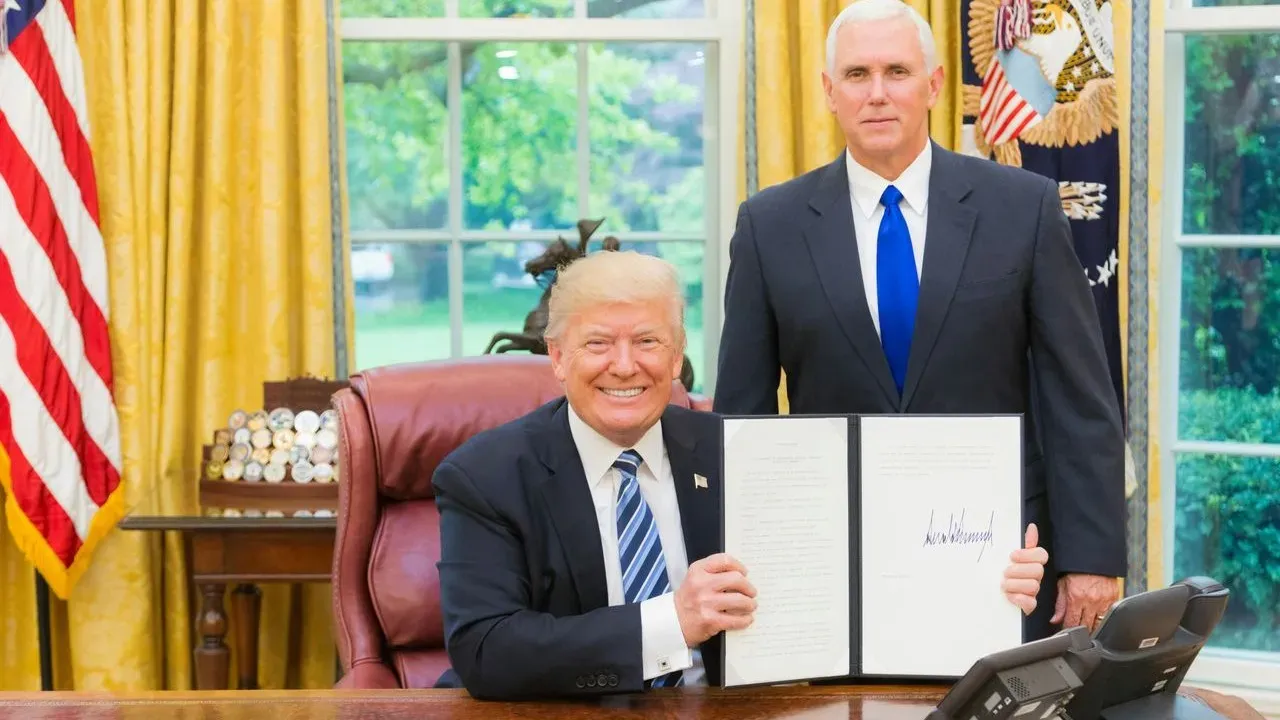

The penny has been out of production for a year, and now it has a federal law behind its retirement. President Donald Trump signed the Common Cents Act on Friday, November 20, turning a Mint decision into statute ([1]). The change had been expected for months, but the new law removes the possibility that a later administration could restart the presses through a simple directive.
A halt that began with a final strike
The last circulating penny was struck at the Philadelphia facility on November 12, 2025, in a ceremony that closed an era spanning 232 years ([2]). Trump had pushed for the decision in February 2025, arguing that the government was losing more than two cents on every coin it minted. Production for everyday use stopped that day, though the Mint kept striking pennies for collectors.
Congress had the final word on the matter. Lawmakers, not the White House, control the size, metal and design of U.S. coins, which is why an executive order alone could not guarantee the halt would last. The bill closes that gap by writing the end of production into federal law.
What changes at the checkout counter
Pennies already in circulation remain legal tender, so shoppers can keep spending them and banks can keep accepting them ([3]). The real shift involves how businesses handle cash. Until now, stores that ran short of pennies had to decide for themselves how to make change. The new law sets a federal standard that lets merchants, banks and credit unions round cash totals to the nearest nickel when exact change is not possible.
| Issue | Before the law | After the law |
|---|---|---|
| Penny production | Halted by Mint order in November 2025 | Ended permanently by statute |
| Cash rounding | Each store chose its own method | Federal standard to round to the nearest nickel |
| Penny in circulation | Legal tender | Still legal tender |
The math behind the decision
Cost drove the debate for years. The Treasury Department estimated that ending penny production would save about $56 million in material costs, although the bill’s sponsor, Representative Lisa McClain of Michigan, pointed to a larger figure. McClain said the spending showed that “something is broken” ([4]).
The same measure also allows the Treasury to research zinc as a replacement for part of the copper in the nickel, which costs about 13 cents to make. Brennan Duckett of the National Association of Convenience Stores described the bill as “a Main Street issue,” a view that helped the legislation gain support from both parties. Public opinion was more divided. A November 2025 poll found that 42% of Americans opposed removing pennies from circulation, while 34% favored it ([5]).
A coin that stays in pockets for now
For most people, the law changes little at first glance. Coins already in wallets, jars and car cup holders will keep circulating, and the Mint will continue to issue limited collector editions. The more visible effects will come at the register, where rounding rules now give retailers a clear national framework.
The penny’s story has moved from the factory floor to the cash drawer. Its future now depends less on whether the Mint strikes another coin and more on how long the billions already in circulation remain in use.
AI Disclaimer: This article was created with the assistance of AI tools and reviewed by a human editor.