
For renters, apartment dwellers, and households that cannot pay for a rooftop array, solar power has often felt out of reach. A bill being drafted in Nevada would test a different route, letting people plug small solar units into an ordinary wall outlet. Nevada would be joining a group of states considering similar measures. The proposal is still taking shape, so the details remain open to change ([1]).
What the proposal would allow
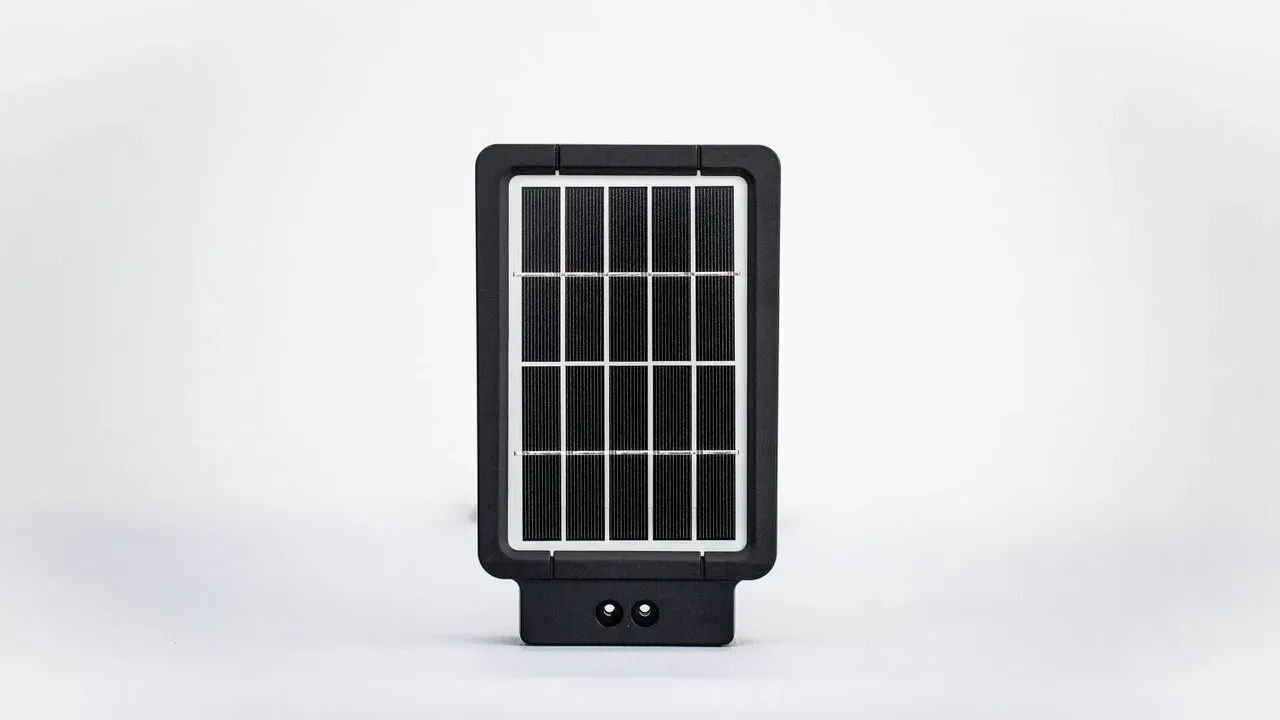
Plug-in solar panels convert sunlight into usable electricity, which is fed through a plug into a standard wall outlet and pushed to other outlets in the home, reducing how much power the household draws from the grid. The setup avoids the drilling, roof work, and large upfront cost that come with conventional rooftop systems.
The draft also treats smaller units differently. The bill would exempt smaller systems, such as those under 390 watts, from the safety certification and building-wiring requirements that would apply to larger systems. Based on reporting so far, the measure could also allow safety-certified systems of roughly 1,200 watts, provided a licensed electrician screens the installation first and the local utility does not have to sign off.
A bill that has not yet been written in public
Despite the attention, the Nevada proposal has not yet reached the public record. Nevada’s plug-in solar bill is still in the drafting phase, said La Rue Hatch, who submitted her bill draft request in April. She has said she hopes to file the measure before the session begins and that the language could be available to the public in December or January.
Hatch has presented the bill as a matter of fairness for Nevada consumers. She has argued that neighboring states have already approved these devices or are moving to do so, and that Nevadans should have the same access to them. Some online guides still describe Nevada as having no plug-in solar law, which is accurate for now because nothing has been enacted.
A wave spreading across state lines
Nevada may soon join nearly a dozen other states in giving renters, apartment dwellers, and those who cannot afford rooftop solar a low-cost way to generate their own electricity. The momentum is visible in neighboring legislatures and beyond. New York lawmakers approved a plug-in solar bill this year that is awaiting the governor’s signature, and a bill in Massachusetts has passed in one chamber so far.
The national count is harder to pin down. Tracking sites do not agree on how many states have finished the process. One guide lists 10 states have enacted plug-in solar laws as of late October, while other sources describe measures at different stages. The variation is largely a matter of what each site counts as enacted, introduced, or advancing.
Utility and advocate views
The state’s electricity provider has not taken a firm position on the bill. NV Energy, the state-regulated electricity monopoly, called plug-in solar still an emerging technology in the U.S. The utility said it is monitoring the technology to understand its benefits, safety, operational questions, and potential effects on the grid.
Supporters point to safety and cost. Bright Saver, a nonprofit that promotes and sells plug-in panels, contends that plug-in solar is as safe as other common household appliances when used in compliance with safety standards. Its co-founder and CEO, Cora Stryker, has been clear about the limits of the technology. Plug-in solar is not meant to replace a rooftop solar system, which produces significantly more power, but can help cut down energy costs at a fraction of the price of a rooftop setup.
What to watch next: The bill language, expected in the coming weeks, will show whether the wattage limits and electrician requirements hold. NV Energy’s stance on grid impacts may become clearer once the text is public.
For Nevadans who have wanted solar but lacked a suitable roof, the proposal offers a possibility rather than a guarantee. Whether it becomes law will depend on the language lawmakers ultimately approve and on how the utility and safety regulators respond to it.
AI Disclaimer: This article was created with the assistance of AI tools and reviewed by a human editor.