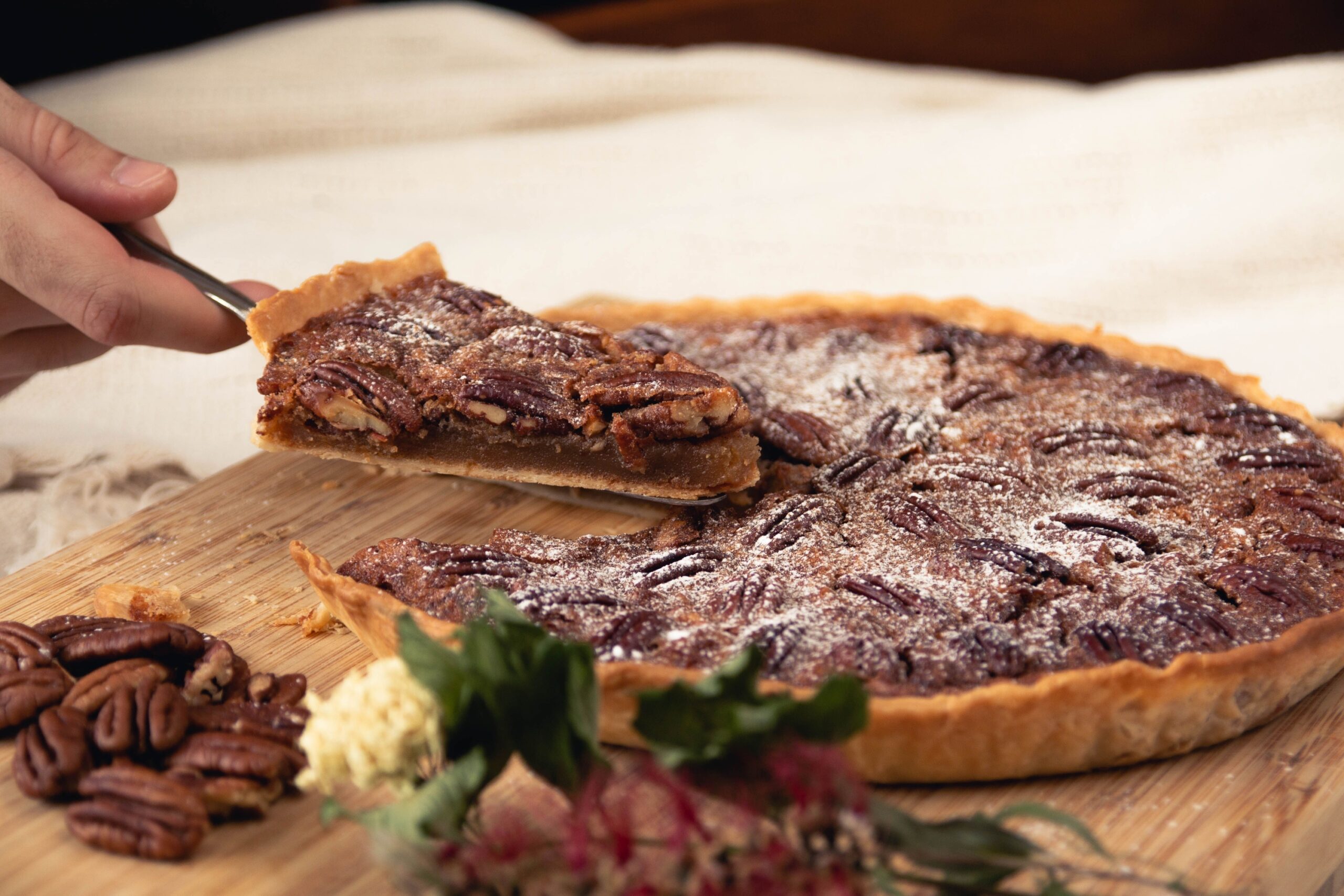

Pecan Pie Is Actually a Custard Pie
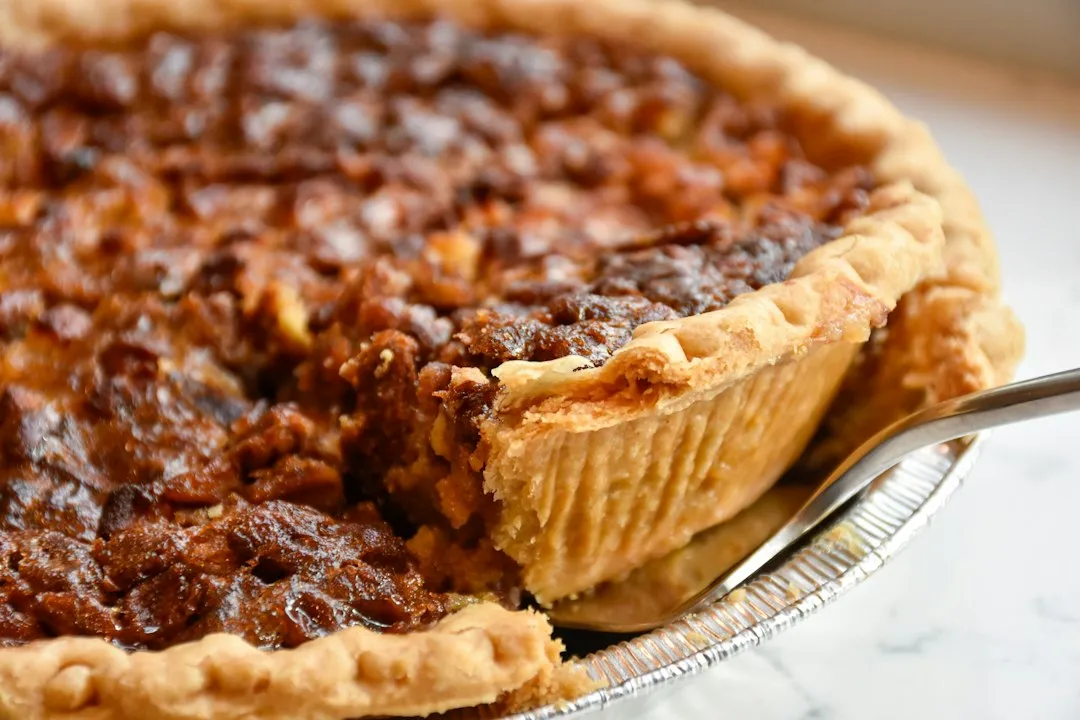
Pecan pie filling gets its gooey, just-set texture from a combination of eggs, corn syrup, sugar, and butter. As the eggs cook, their proteins coagulate, forming a network that helps the filling set. That network is essentially what holds everything together once the pie cools.
Baking a pecan pie means slowly heating a deep, dense mixture of eggs, sugar, and syrup all the way through until the proteins in the eggs link up and hold the filling together. Think of it less like baking a cake and more like setting a crème brûlée inside a pastry shell.
Pecan pie is a balance between eggs, which set the filling, and liquid sweeteners, which stay liquid until the eggs bind them up. Tip that balance in either direction and you’re already heading toward trouble.
Underbaking Is the Number One Culprit
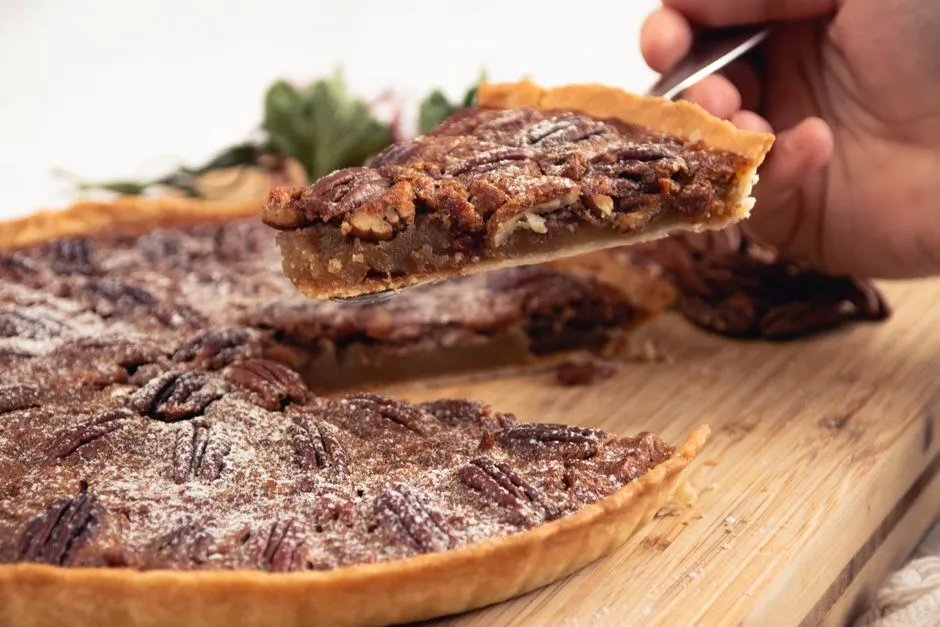
The most common cause of a runny pie is underbaking. Unlike pumpkin pie, which sets at around 165°F, pecan pie filling needs to reach approximately 200°F for the egg-sugar matrix to fully gel and hold. That’s a meaningfully higher bar than most bakers expect.
Even if the top looks done, the center may still be liquid. Pecan pies often need 70 to 75 minutes or more depending on the oven. A pie that looks finished on the outside can still be raw inside.
A cool oven will still brown the top of the pie because the pecans caramelize on their own, but the center of the filling never reaches setting temperature. That’s the trap. The exterior signals “done” while the interior is still soup.
Oven Temperature Accuracy Matters More Than You Think
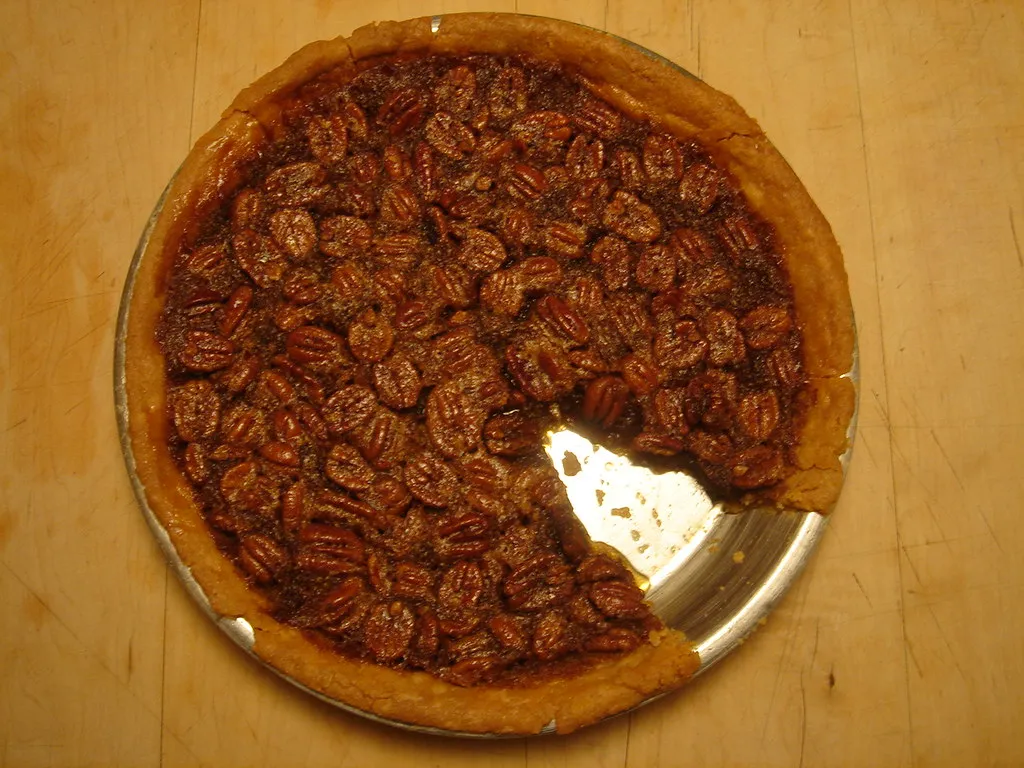
Because pecan pie filling relies on eggs to set, even a small temperature variation can prevent the custard from firming up. Most home ovens run hotter or cooler than their dials suggest.
Conventional oven thermometers often misread internal filling temperature because steam pockets and dense nut layers create false cold spots. This is a genuinely tricky problem, especially for bakers who assume their oven runs accurately.
Baking at the wrong temperature can affect your pecan pie’s outcome. The ideal temperature for pecan pie is usually around 350°F. At this temperature, the pie should bake evenly, allowing the filling to set while the crust turns golden brown.
Not Enough Eggs in the Filling
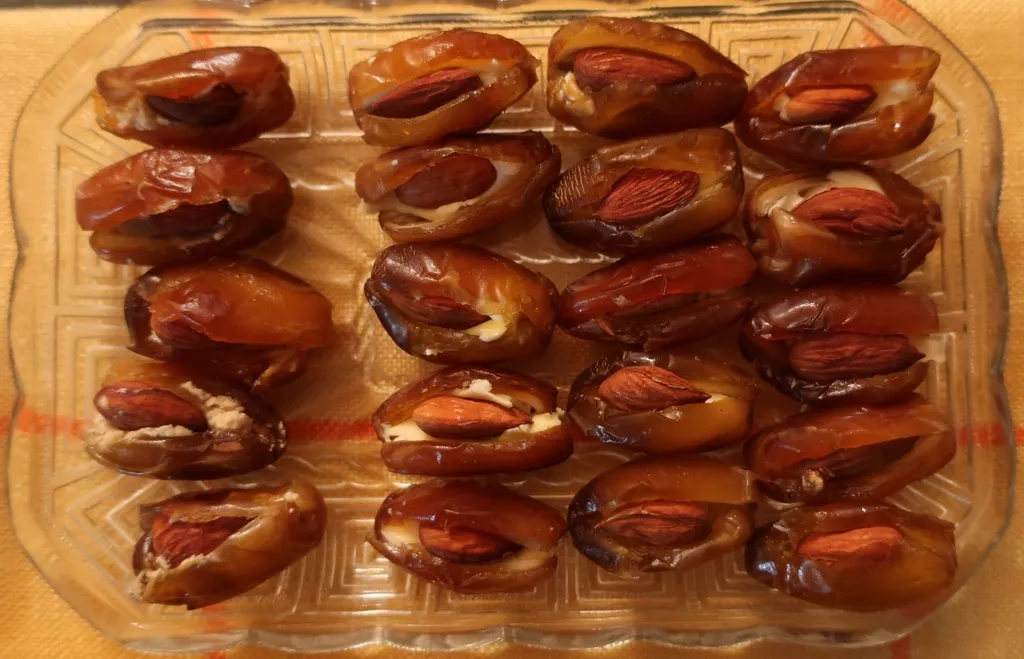
Pecan pie filling relies heavily on eggs to help bind everything together. If there aren’t enough eggs, the filling won’t set properly, causing a runny texture. This is one of those problems that no amount of extra baking time can fully fix.
A dependable 9-inch pecan pie recipe uses 3 large eggs and no more than 1 cup of corn syrup, plus a cup of sugar, a stick of butter, and 1½ to 2 cups of pecans. If the recipe you’re using calls for only 2 eggs or more than 1¼ cups of syrup, you’re set up to fail before you preheat the oven.
Without enough eggs, pecan pie filling simply remains liquid. Too few eggs means too soft a set. It’s that straightforward, yet surprisingly easy to overlook when following an older or scaled-down recipe.
Too Much Liquid in the Filling
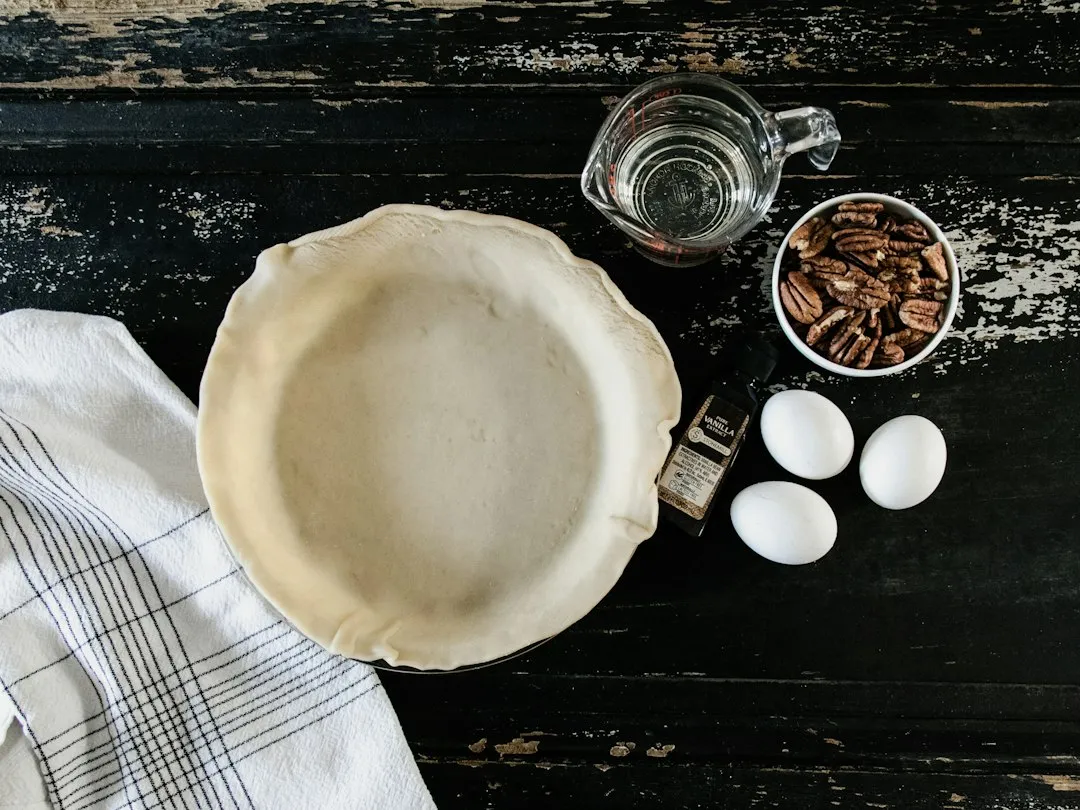
If you’ve added too much liquid to the filling, it can prevent it from setting. Pecan pie recipes often call for ingredients like eggs, syrup, and butter, but using too much of any of these can make the filling too watery.
Eggs provide the protein structure, while sugar and corn syrup contribute to moisture and sweetness. Too much liquid from overly generous measuring of ingredients like butter or corn syrup, or not enough egg, will hinder the pie’s ability to set properly.
Syrup especially should be poured slowly and precisely. Too much will increase the liquid content, and the pie won’t firm up properly. Even a small overpour of corn syrup can shift the whole balance of the filling.
The Type of Sweetener You Use Changes Everything
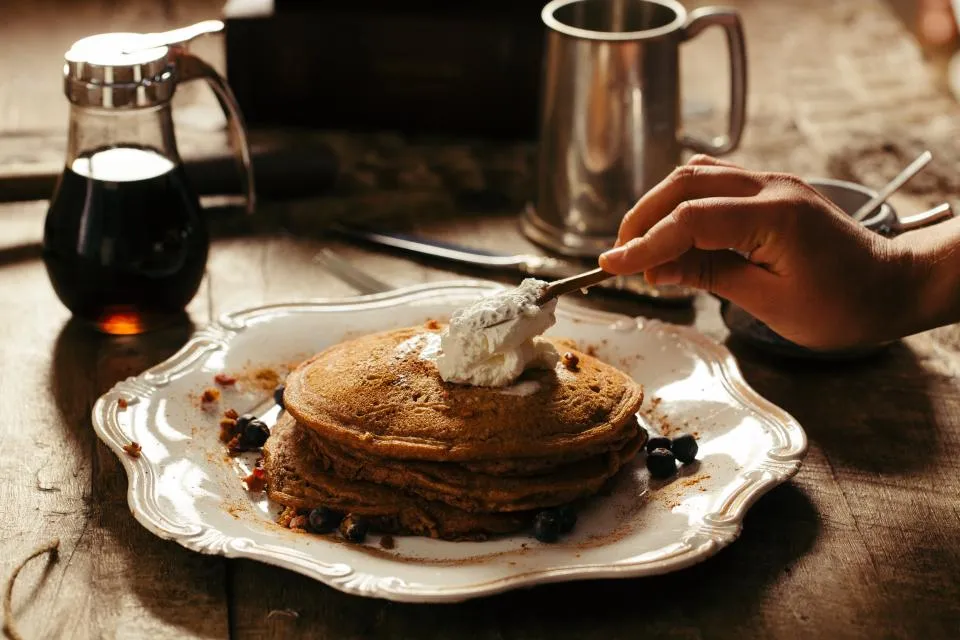
Brown sugar, maple syrup, and molasses all contain more moisture than corn syrup, which can delay setting time. Adjusting bake time is essential when using alternative sweeteners.
Maple syrup lacks sufficient invert sugars and has higher water activity compared to corn syrup. Sticking to light corn syrup provides authenticity and stability. This is worth knowing if you’re experimenting with a “natural” version of the recipe.
The high viscosity of corn syrup also slows heat transfer through the filling, allowing the egg proteins to coagulate slowly and evenly, producing a uniform set rather than a curdled, uneven one. That structural role is hard to replicate with thinner liquid sweeteners.
Overmixing the Filling Is a Quiet Problem
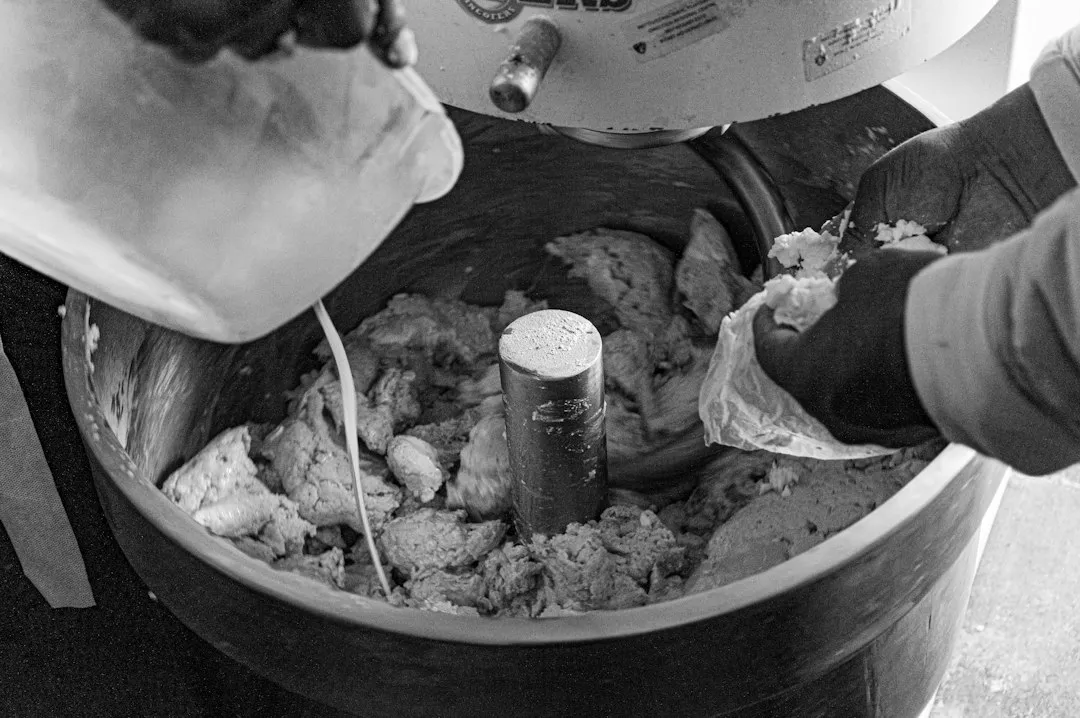
Overmixing the filling can incorporate too much air, leading to a pie that puffs up during baking and then collapses, resulting in a runny consistency. It’s one of the less obvious causes, and easily done when you’re whisking enthusiastically.
Overmixing can also trap air that interferes with the setting process. The goal when combining the filling is simply to bring the ingredients together, not to whip them into something airy.
Using cold eggs or overmixing the filling can also result in a runny pecan pie. Room-temperature eggs blend into the filling more smoothly and promote more even protein coagulation during baking.
Cutting the Pie Before It’s Fully Cooled
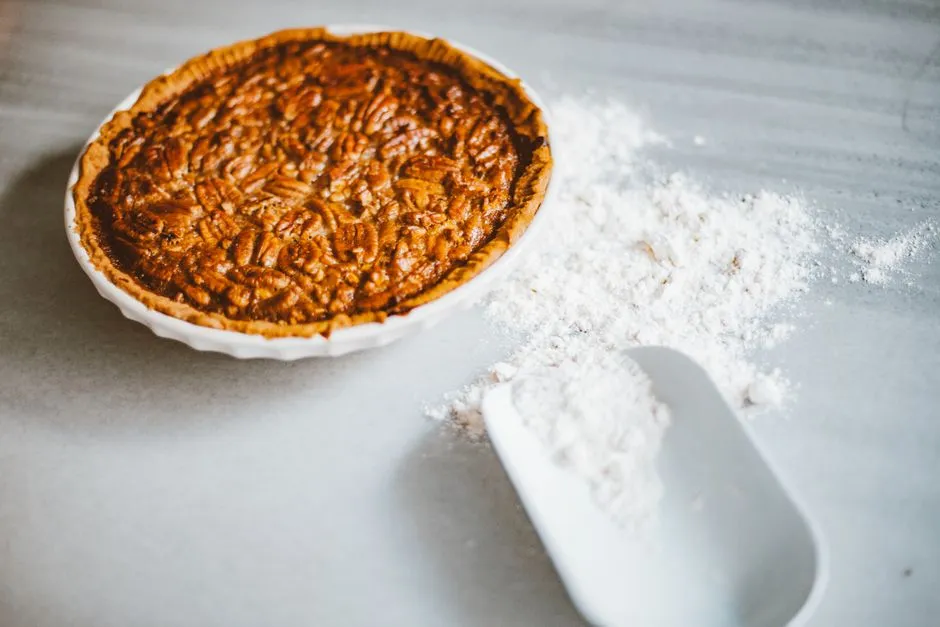
Even a fully baked pecan pie needs time to cool to room temperature before it can hold a clean slice. Many bakers skip this step without realizing how critical it is to the final texture.
A pecan pie isn’t done setting when it comes out of the oven. When the pie is around 200°F in the center, the eggs have coagulated, but the filling is still liquid enough to flow. If you cut into it 20 minutes out of the oven, you’re going to get filling running down the plate.
The pie doesn’t reach its final consistency until it’s fully cooled: the butter firms up and the syrup becomes more viscous, helping the pie retain its shape when sliced. Patience here isn’t optional. It’s part of the recipe.
A Soggy or Cracked Crust Can Cause Leaking
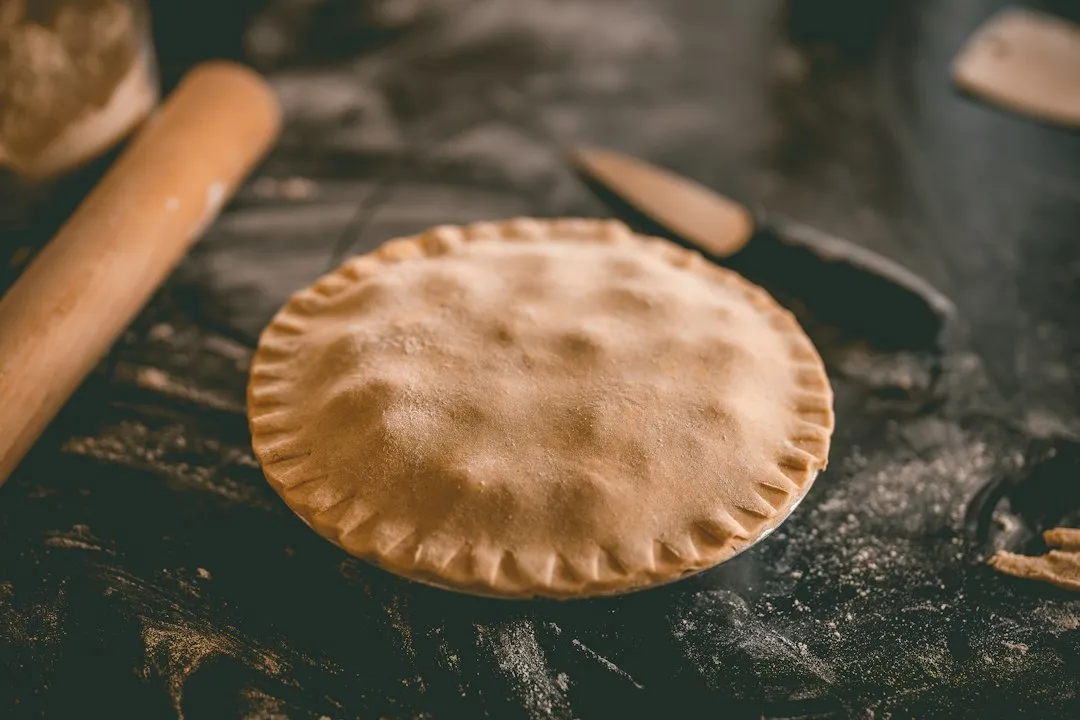
Your pie’s filling can leak because of cracks in the crust. Even a small split in the pastry gives the liquid filling somewhere to escape before it has a chance to set.
It’s important to add the hot filling to a warm pie crust, as this helps keep the crust from getting soggy. A cold or undercooked crust creates moisture transfer issues that undermine both the bottom layer and the filling above it.
When a raw or under-baked shell meets hot, watery filling, trapped steam migrates upward into the filling instead of escaping downward. That steam has nowhere productive to go, and it effectively dilutes the filling from the inside out.
Modern Corn Syrup Has Changed Since Old Recipes Were Written
Modern corn syrup is also less thick than the version from decades ago, so old family recipes may need a tablespoon of flour or cornstarch whisked into the eggs to compensate. This is a genuinely useful piece of information that most recipes don’t mention.
Both light and dark corn syrup work, but they behave slightly differently. Dark corn syrup is thicker and adds molasses flavor. If a recipe is old and vague about which type to use, the distinction matters more than you’d expect.
Light or dark corn syrup is what most recipes recommend, but high-fructose corn syrup should be avoided. The sugar content in high-fructose syrup doesn’t behave the same way in baking and can affect the firmness of the pie filling.
Getting It Right the Next Time
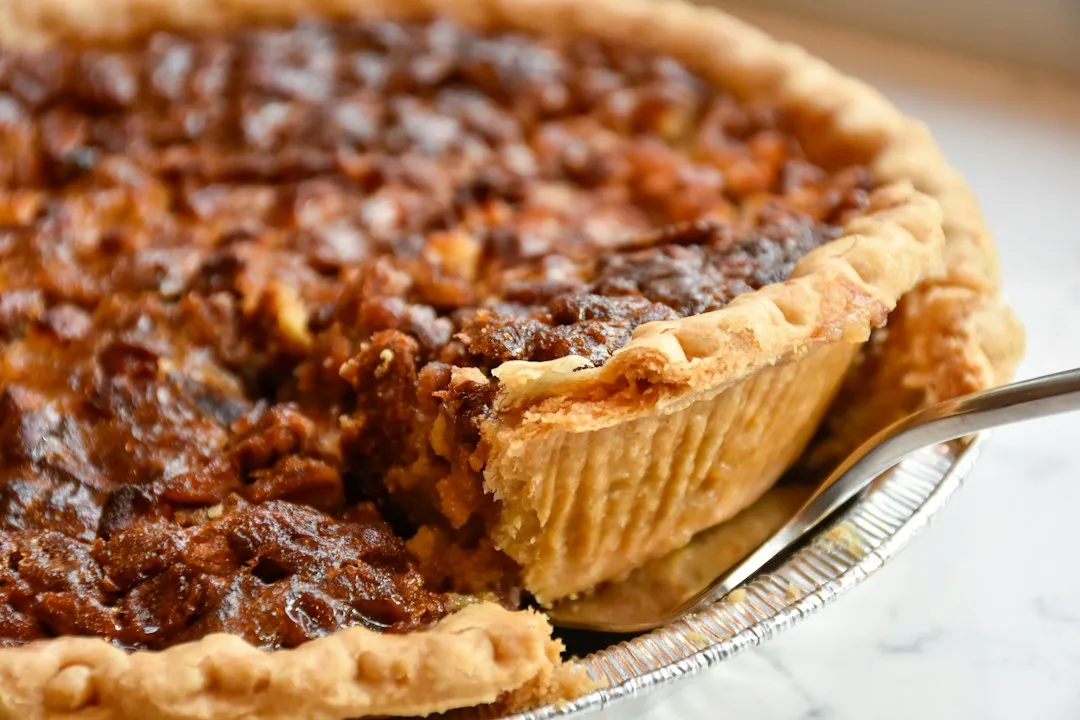
Most runny pecan pies come down to one or two fixable problems: pulling the pie out too soon, measuring the syrup too loosely, or slicing before the filling has finished cooling. None of those are hard to correct once you understand why they matter.
The science is actually fairly simple. The filling’s gooey, just-set texture relies on eggs, corn syrup, sugar, and butter working together. As the eggs cook, their proteins coagulate, forming the network that holds everything firm. Give that process the heat, time, and correct ratios it needs, and the result is exactly what a pecan pie should be.
The filling doesn’t lie. If it’s runny on the plate, it’s telling you something specific about what happened in the oven or on the counter. Knowing what to listen for is most of the battle.
AI Disclaimer: This article was created with the assistance of AI tools and reviewed by a human editor.