
A Pie Shaped by the Land
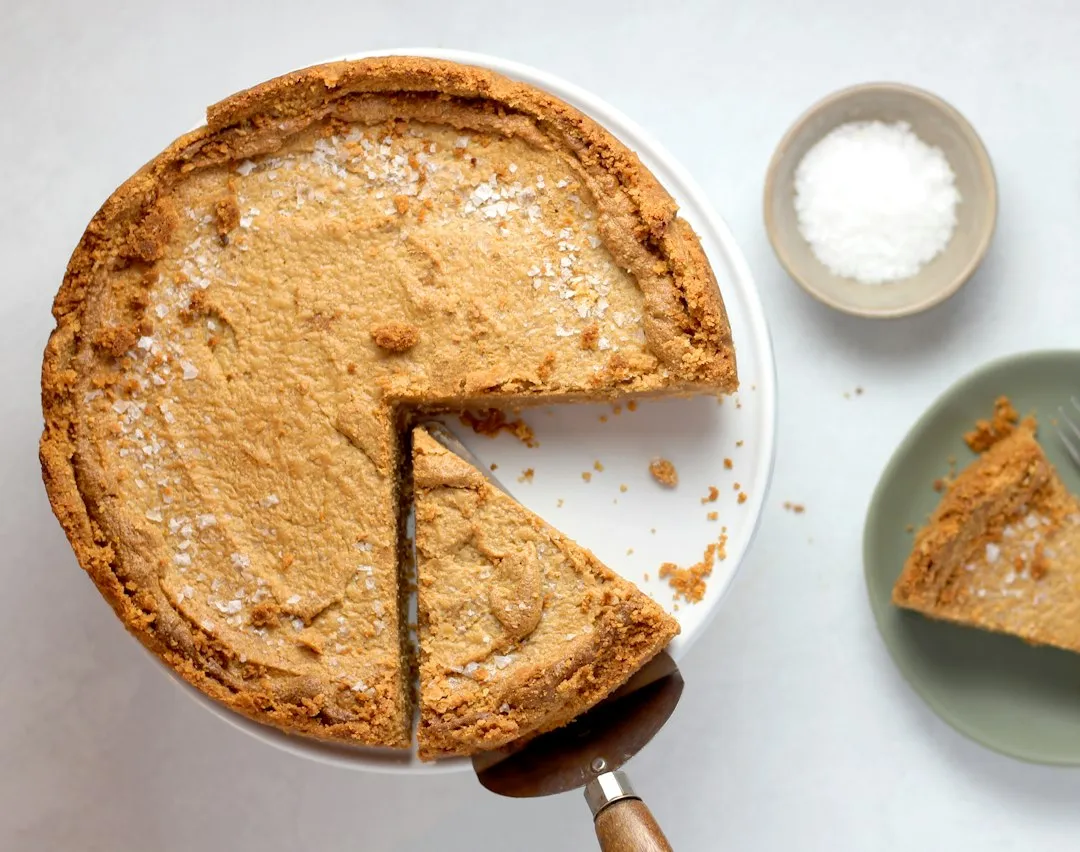
Sweet potato pie is a distinctly Southern tradition with strong connections to African American cooking. Sweet potatoes were more reliable crops in the South than pumpkins, and over generations, sweet potato pie became a fixture in Southern households.
Each year, the United States plants more than 150,000 acres of sweet potatoes, making it a major commercial crop, especially in states across the South. Sweet potato production is largely centered in three states: North Carolina, Mississippi, and California. North Carolina is the clear leader, planting 87,000 acres in 2024, which accounted for 58 percent of all U.S. sweet potato acreage.
The sweet potato was named the state vegetable of North Carolina in 1995 by the North Carolina General Assembly, a distinction that reflects just how central this crop is to Southern identity.
The Northern Roots of Pumpkin Pie
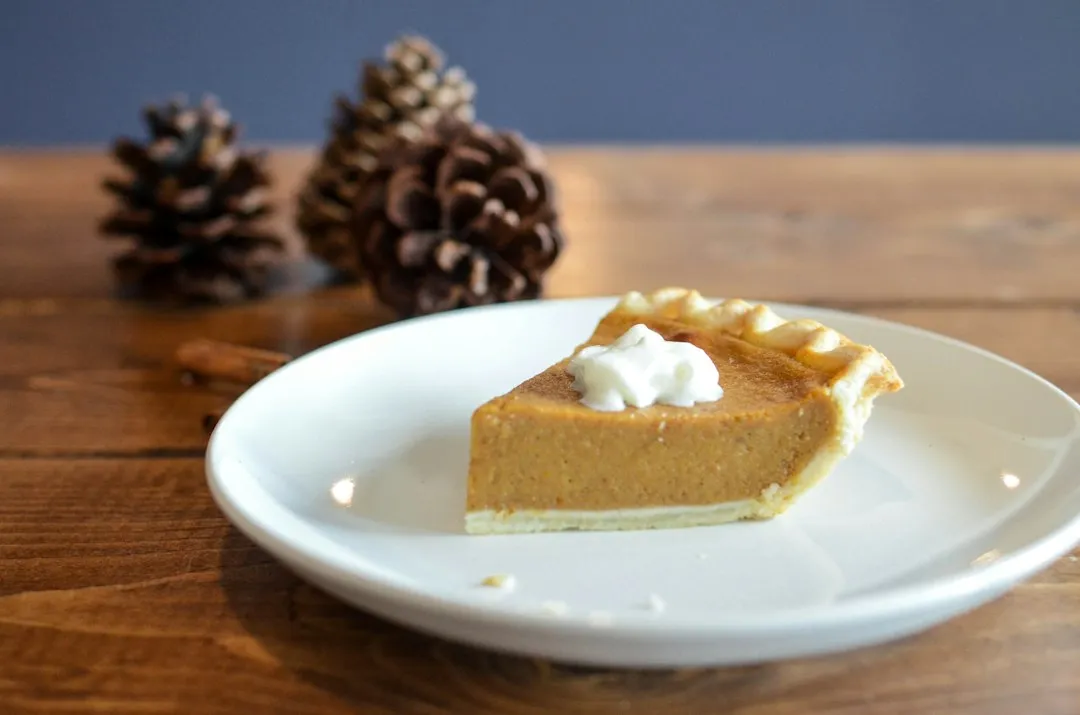
Pumpkin pies were the pride of the North, especially New England, becoming closely associated with the Thanksgiving holiday by the late 1800s, and sweet potato pies were the South’s preferred pie, as well as an African American favorite.
In the United States after the Civil War, the pumpkin pie was resisted in Southern states as a symbol of Yankee culture imposed on the South, where there was no tradition of eating pumpkin pie. Many Southern cooks instead made sweet potato pie, or added bourbon and pecans to give the pumpkin pie a Southern touch.
That resistance wasn’t simply stubbornness. It reflected a broader sense of regional identity, one rooted in the crops that actually grew well in Southern soil and the people who cooked with them every day.
West African Foodways and the Sweet Potato Connection
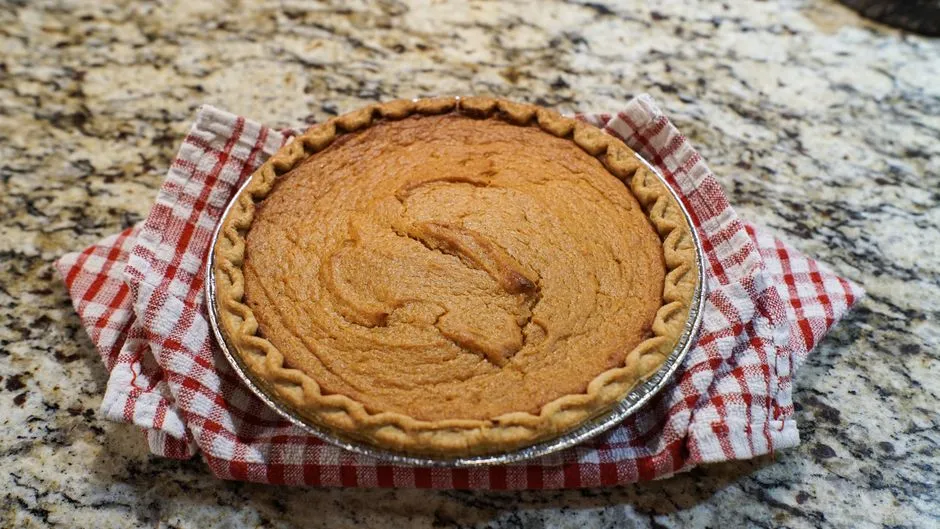
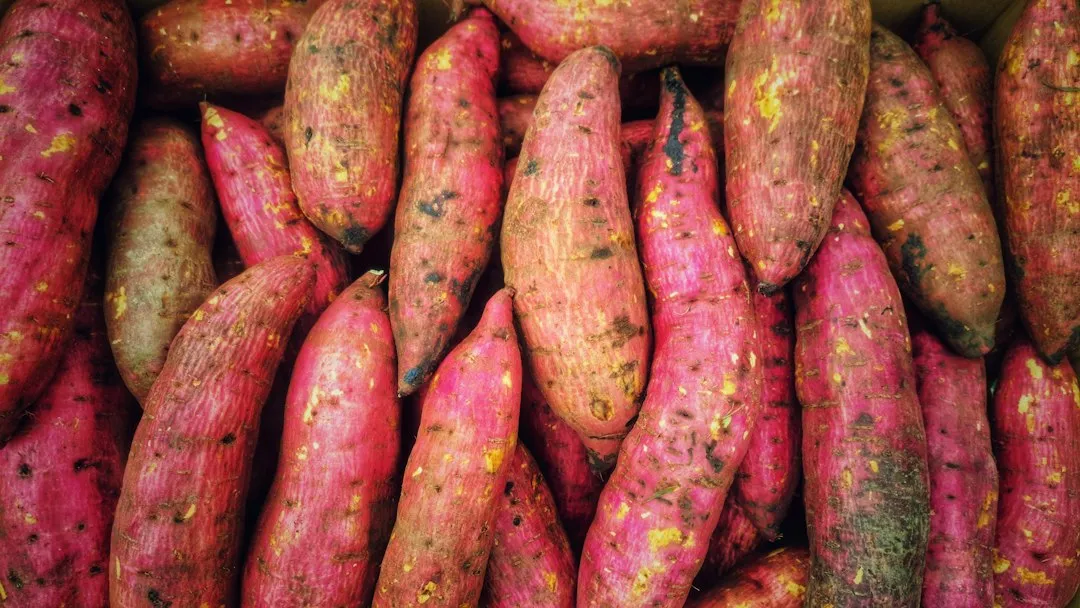
Long before pie was baked in American ovens, West and Central African cuisines embraced a range of starchy, subtly sweet root vegetables such as yams, cassava, and plantains. When enslaved Africans were forcibly brought to the American South, they encountered the sweet potato: a plant that, while botanically different from African yams, shared many of their familiar qualities.
Sweet potatoes were reminiscent of the yams native to West Africa, where many enslaved people were from. This abundance of sweet potatoes, both in pastry and other forms, led to sweet potato pie entering the soul food canon.
While yams were harder to find in North America, the sweet potato made a fair enough substitute. This context is essential in understanding the dish, and why food historian Michael Twitty once described sweet potato pie as representing “heritage, survival and celebration.”
Enslaved Cooks and the Birth of a Tradition
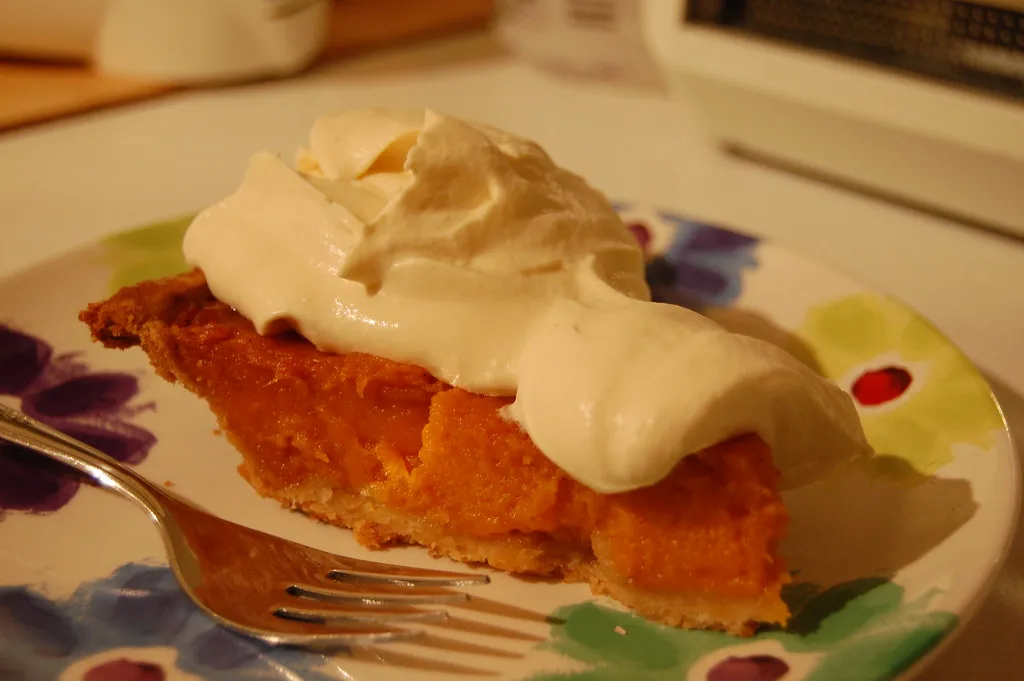
Flip through the pages of iconic Southern cookbooks used in elite kitchens such as “The Virginia Housewife,” “The Kentucky Housewife,” and “The Carolina Housewife,” and you will find strikingly similar recipes for pumpkin pie, sweet potato pie, and squash pie existing side by side. Using that sweet potato bounty, making the desserts in the Big House was often tasked to enslaved African American cooks, and it was through their expertise that sweet potato pie entered Black culture.
Before there was the sweet potato pie we know today, there was pone. Despite the elaborate baking rituals requested by their masters, enslaved African Americans created their own crustless sweet potato dessert involving molasses and spices.
According to culinary historian Adrian Miller, “the annual ritual of eating sweet potato pie is a nod to an updated culinary tradition. Once African American cooks got regular access to stoves, a true sweet potato pie became more commonplace on dessert tables.”
George Washington Carver and a Revival
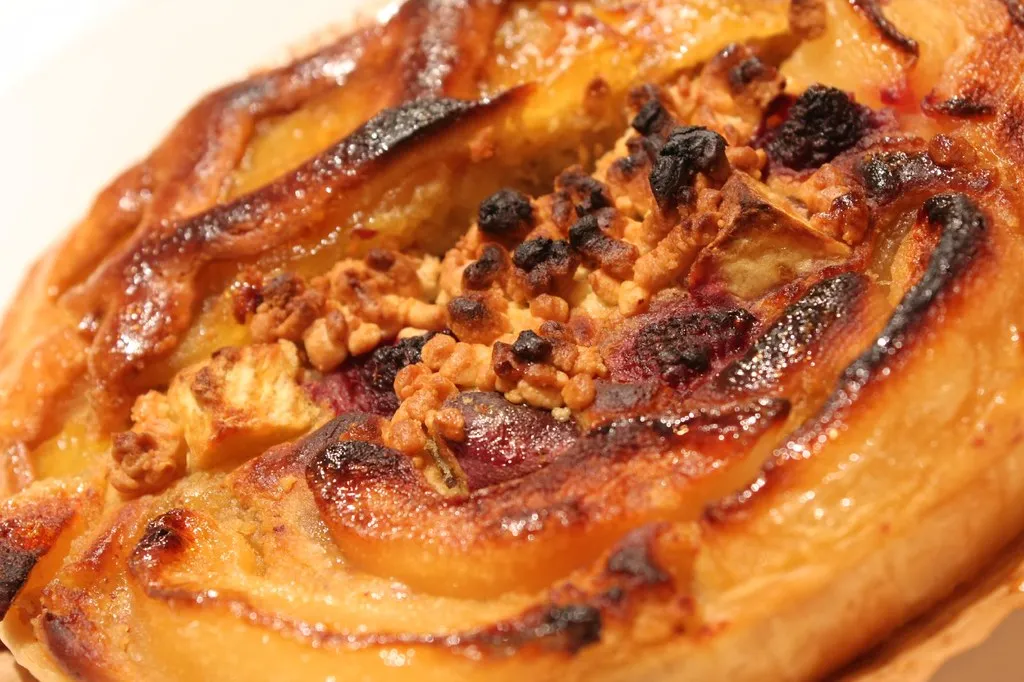
In the 1930s, George Washington Carver, famous for his peanut butter, circulated a recipe for double-crusted sweet potato pie in his agricultural bulletin, revitalizing its popularity. That act of sharing a recipe through a public bulletin was quietly significant, bringing the dish to a wider audience at a time when sweet potato farming was an economic lifeline for many Black families.
A few decades later, Georgia Gilmore sold sweet potato pies, and other food, to help fund the Montgomery Bus Boycott. The pie had moved beyond the dinner table into the realm of community survival and political resistance.
Over generations, sweet potato pie developed into more than a dessert. It became a vessel of memory and cultural agency. Within Black communities, especially across the South, sweet potato pie came to symbolize home, warmth, and celebration.
How the Pies Actually Differ in Flavor
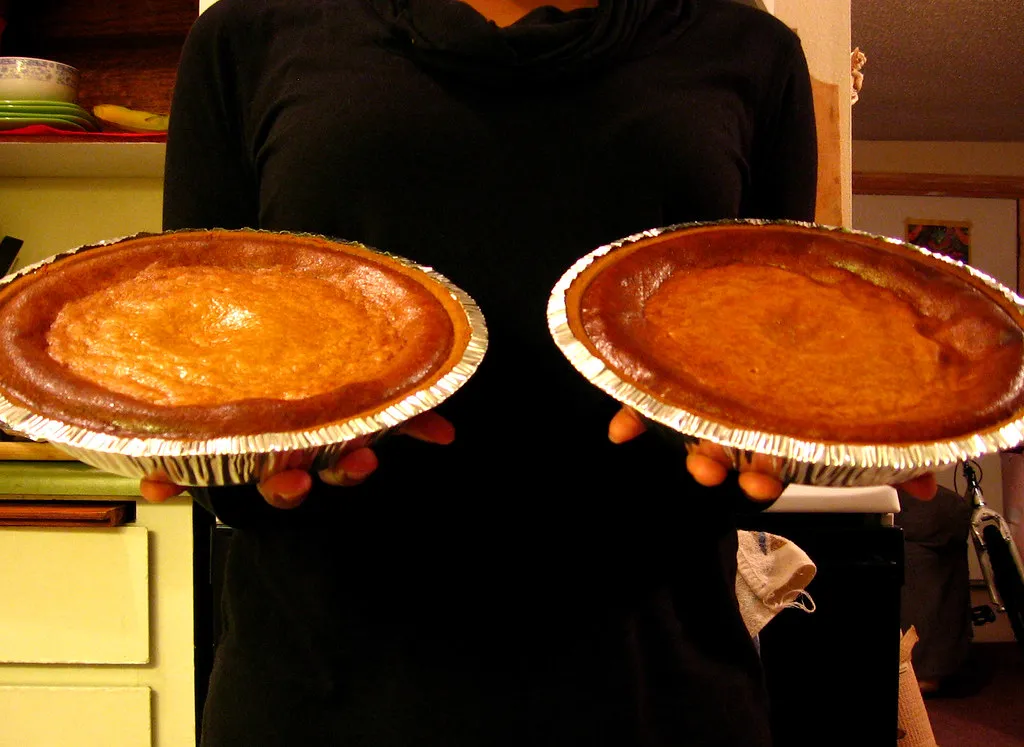
Both sweet potato and pumpkin pies are American staples with a starchy, custard-like filling. Pumpkin pie tends to be more heavy on spice, while sweet potato pie is typically sweeter and lighter.
Unlike pumpkin pie, sweet potato pie has a deeper, earthier flavor and a natural sweetness that makes it feel more homemade and comforting. That distinction matters. The sweet potato brings enough flavor on its own that the spices play a supporting role rather than carrying the whole dessert.
Black people’s sweet potato pie centers the natural flavor of real sweet potatoes, not heavy spice or pumpkin-like filling. That restraint in spicing is itself a culinary philosophy, one that trusts the ingredient.
The Soul Food Canon and Generational Memory
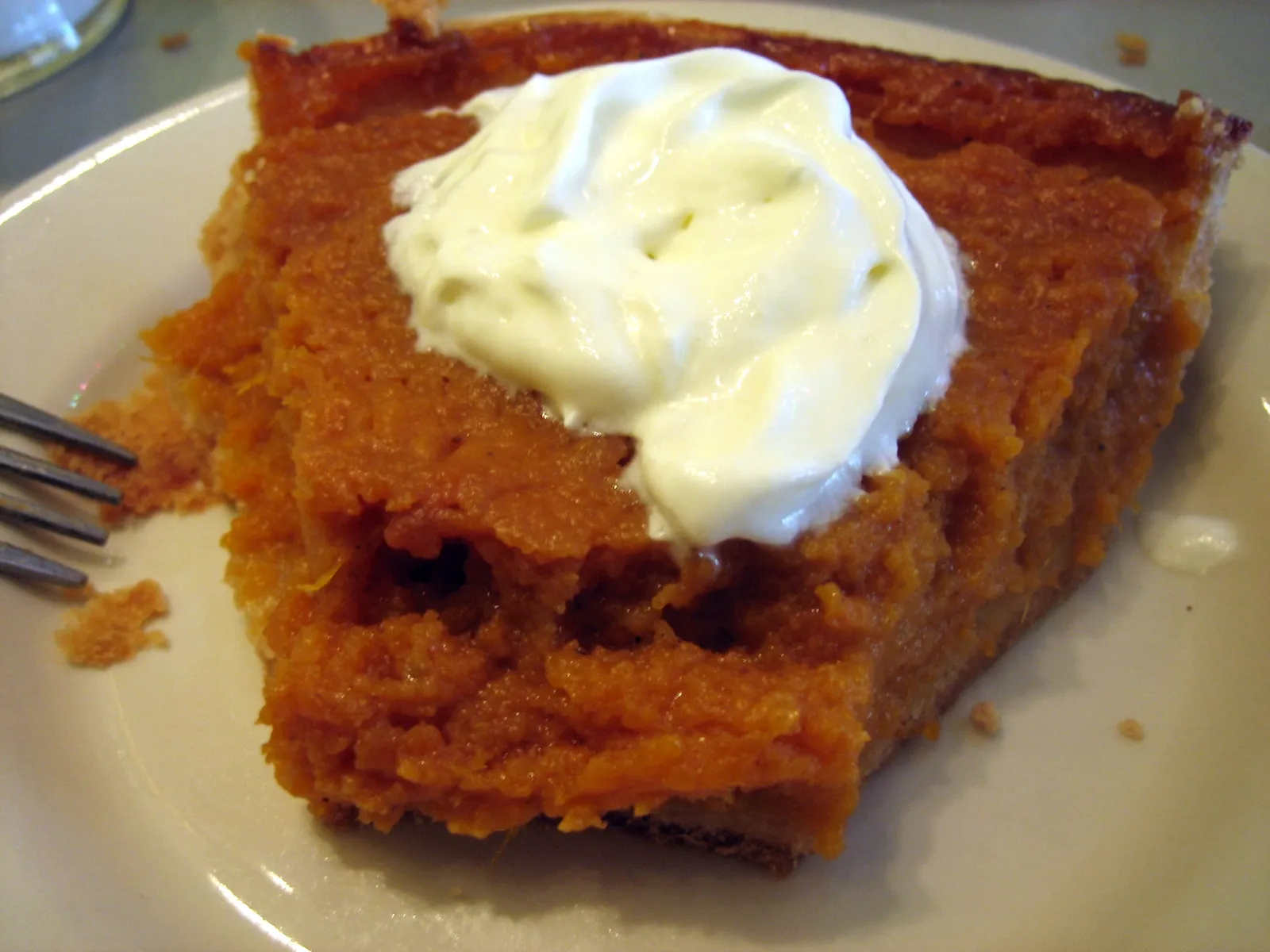
Sweet potato pie is a significant touchstone of African American culture, especially around Thanksgiving. Its place at the holiday table is not accidental. It reflects decades of continuity, family recipes passed mouth to mouth, and an understanding that food carries meaning well beyond nutrition.
Sweet potato pie is one tradition that lives on decades later to be passed on from generation to generation. As Miller explains, sweet potato pie has been such a mainstay at African American celebrations that the nostalgia factor is huge. A great sweet potato pie reminds one of a beloved cook, family gatherings, and community events.
Over time, sweet potato pie replaced European-style pumpkin pies in many Black households. The recipe evolved through oral tradition, meaning many versions exist, each family adding their own signature touch.
North Carolina’s Agricultural Dominance
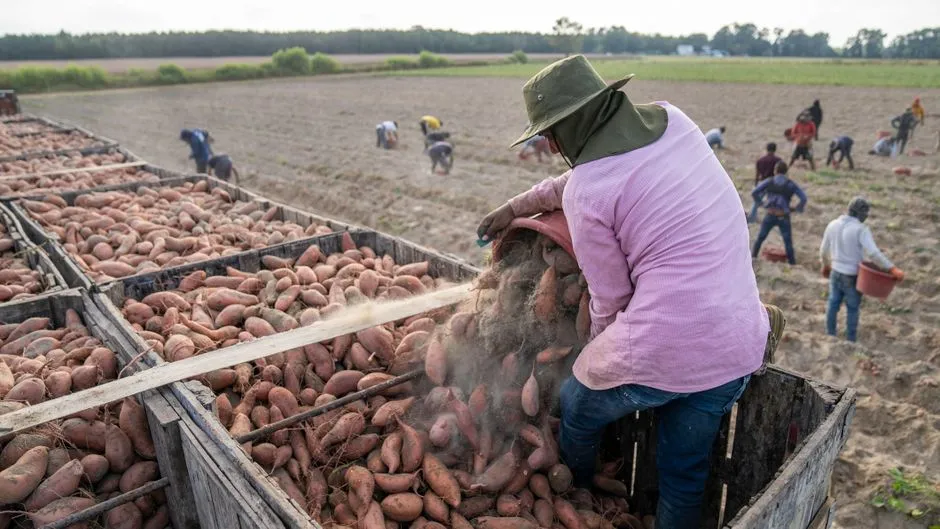
North Carolina accounts for 58 percent of U.S. sweet potato production, giving it a commanding lead over California and Mississippi. The state produces more than three times as many sweet potatoes as second-place California, which holds an 18 percent share.
In 2024, 86,500 acres of sweet potatoes were harvested. North Carolina farmers produced more than $254.5 million worth of sweet potatoes in 2024. That is not a niche crop. That is the backbone of an entire regional agricultural economy.
North Carolina remains the largest producer of sweet potatoes in the nation, producing over 60 percent of the total sweet potatoes grown in the U.S. The state has held that leadership position since 1971.
A Pie That Became Political
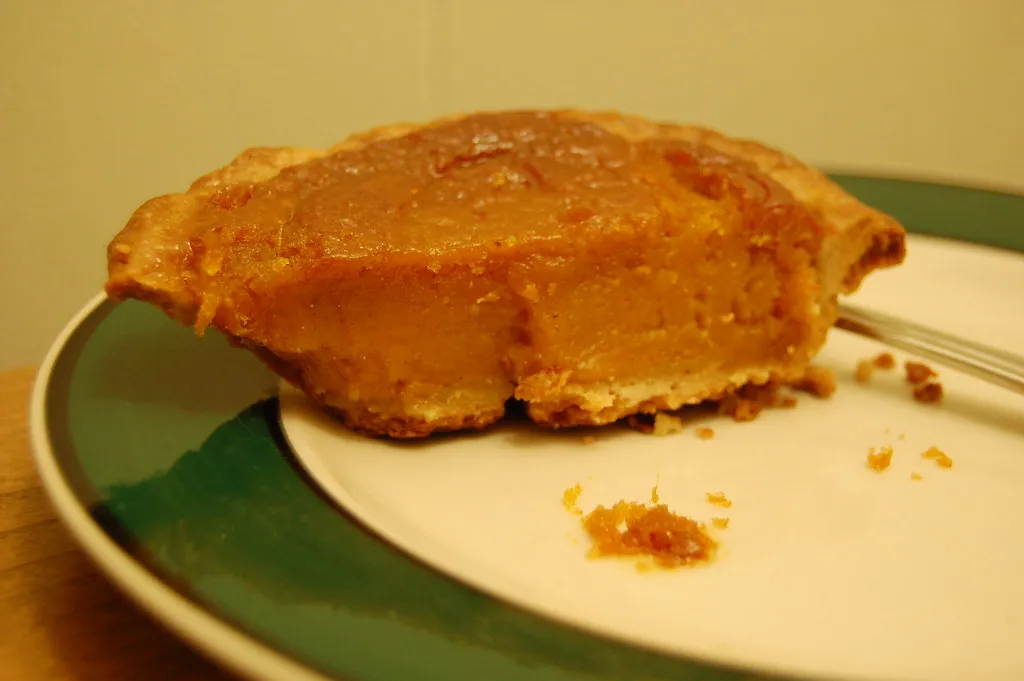
With both desserts ingrained in American history, tradition, and culture, the debate over which is better is really about identity. That framing rings true. When people argue for sweet potato pie, they are rarely just talking about filling.
The preference for sweet potato pie within many Black American communities is not a matter of taste alone. To understand why sweet potato pie holds a special place in Black households, especially in the American South, one must trace its origins through the intertwined histories of African foodways, enslavement, and the development of African American cuisine.
The preference for sweet potato pie in Black American households is rooted in a long lineage of adaptation, resilience, and cultural preservation. Today, the dish remains not only beloved but emblematic of the enduring strength and creativity of Black American food traditions.
Sweet Potato Pie’s Standing Today
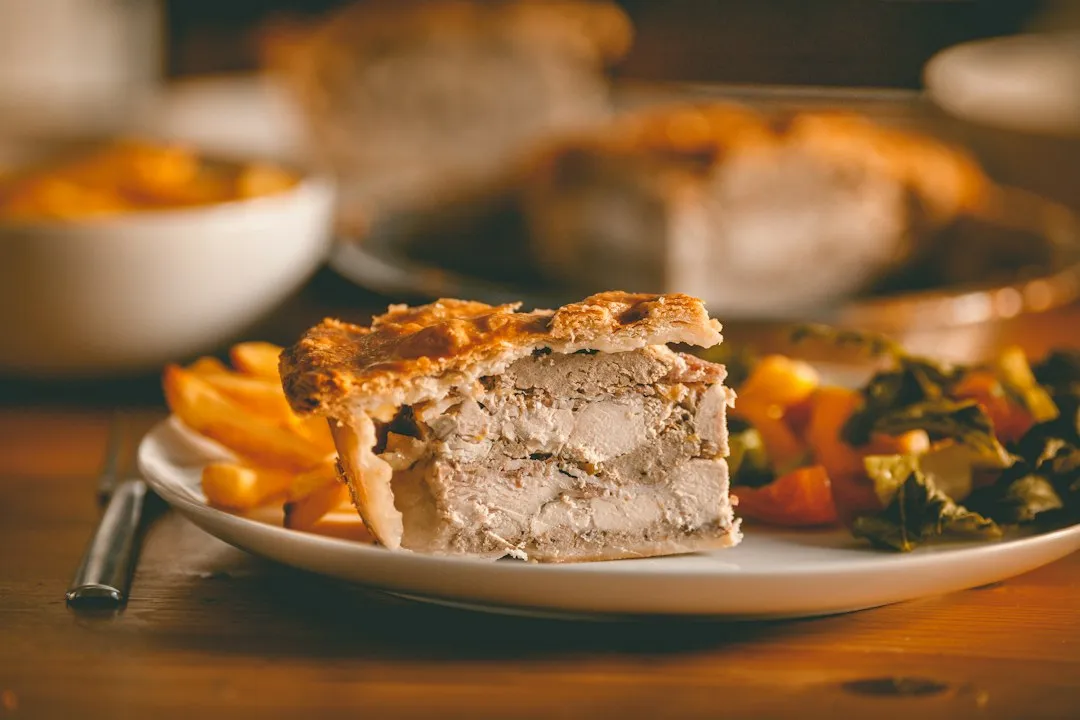
The dish remains a Southern favorite in both African American and European American households, particularly as a dessert at holiday feasts. Its reach has expanded far beyond any single community, though its origins are never far from view.
These days, it is near impossible to escape the pumpkin mania that comes with the first yellowing leaf. But in many homes, particularly African American ones, sweet potato pie remains supreme.
The divide between sweet potato pie and pumpkin pie comes down to tradition. That is true, though tradition built on this scale is rarely simple. It includes agriculture, history, survival, family memory, and a very specific kind of pride that no pumpkin spice latte can replicate.
The Takeaway
AI Disclaimer: This article was created with the assistance of AI tools and reviewed by a human editor.