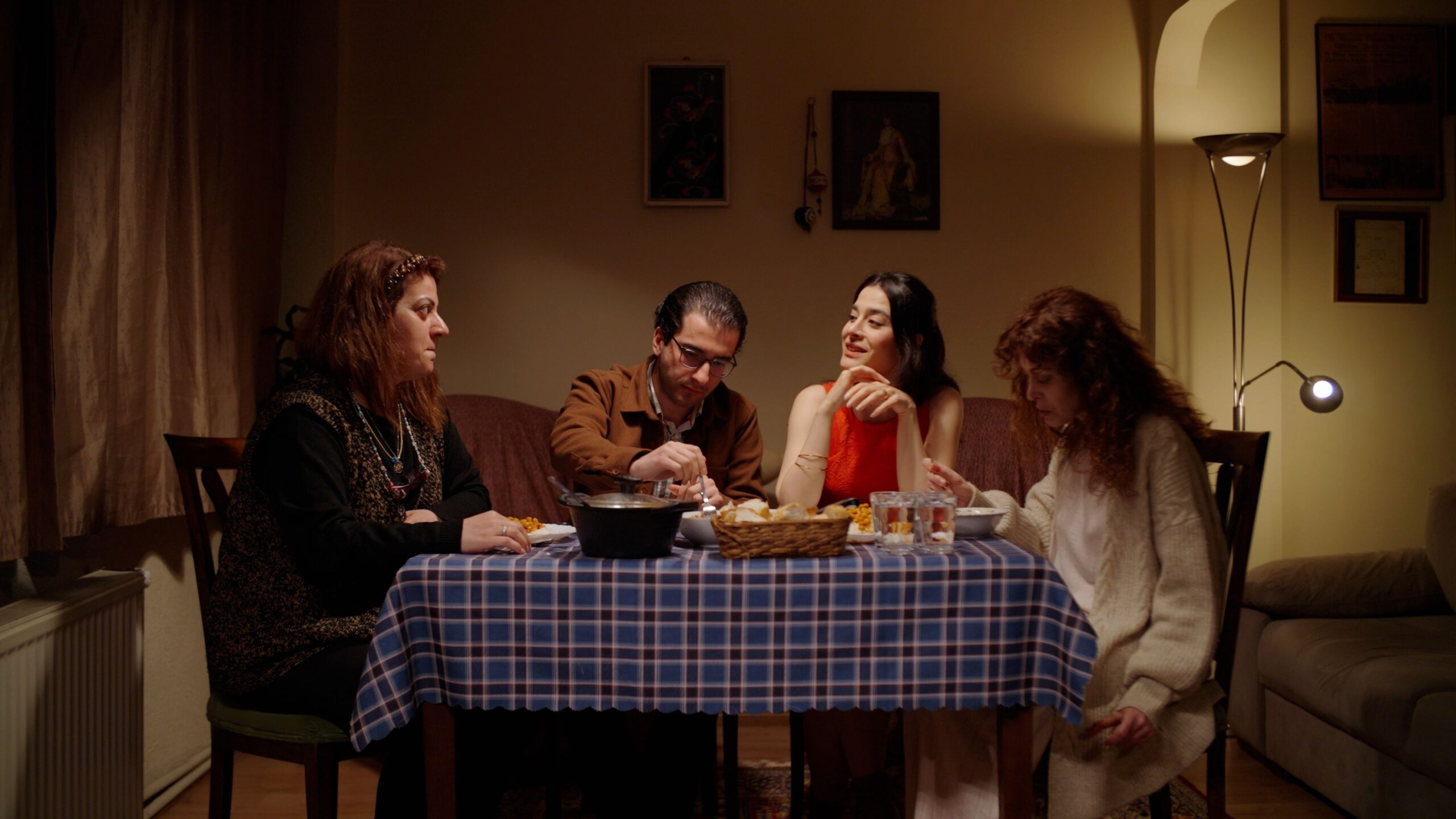

It Actually Changes the Brain

Gratitude doesn’t just feel good in the moment. Neuroscience research demonstrates that people who practice gratitude regularly show increased activity in brain regions associated with interpreting others’ emotions and intentions. That matters enormously during a family dinner, where reading the room is half the conversation.
Practicing gratitude can help rewire our brains to more easily recognize the good rather than just the bad, and research has shown it can help improve symptoms of depression and anxiety. So when families go around the table, they’re not just being polite. They’re doing something closer to a mental workout.
It Has Measurable Effects on Happiness

Research by gratitude scholar Robert Emmons shows that a consistent gratitude practice can boost happiness by roughly a quarter. For people who regularly practice grateful thinking, that gain is real and documented. That’s not a trivial number for something that takes about three minutes at dinner.
When you practice gratitude, science shows you will be more optimistic about the future, feel better about your life, and spend more hours exercising than those who don’t practice gratitude. The ripple effects show up in places you wouldn’t expect.
It Strengthens Family Bonds in Specific, Measurable Ways

Research shows that gratitude is a relationship-strengthening emotion, and that it enables people to focus on the support and affirmation of others to build bonds. When family members hear each other articulate what matters to them, something shifts in how they see one another.
In a seven-day daily experience study, daily gratitude predicted greater well-being and family functioning, controlling for daily happiness, coder-rated care difficulty, and sociodemographics. The connection isn’t coincidental. It replicates across different family situations and backgrounds.
Research published in the Journal of Positive Psychology found that perceived gratitude from romantic partners resulted in better couple outcomes, while perceived gratitude from children, both older and younger, resulted in lower parenting stress. In other words, when everyone at the table gets to feel seen, the whole family system benefits.
It Reduces Stress and Protects Physical Health
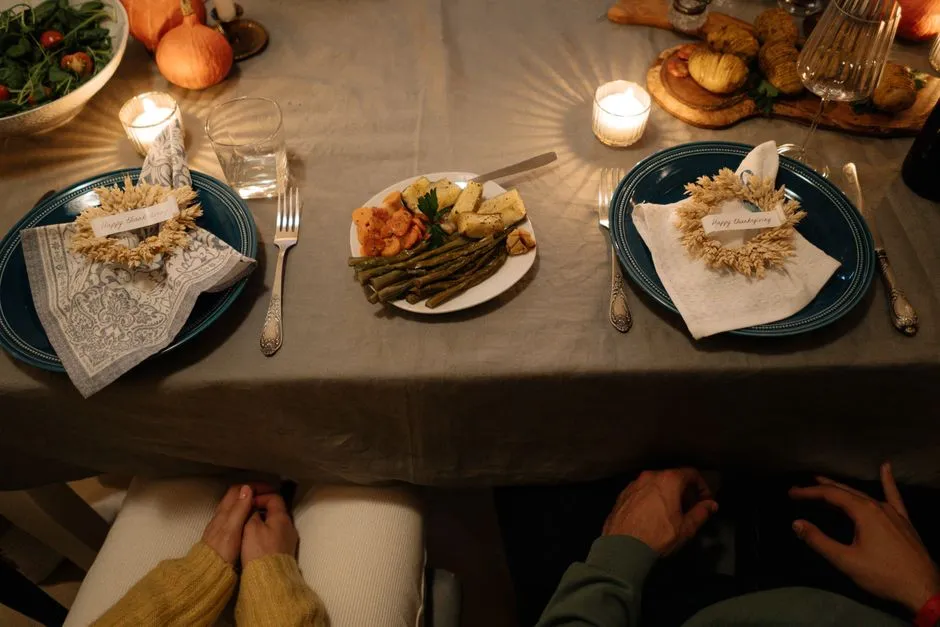
Research shows that gratitude practices can reduce stress hormones like cortisol and improve sleep quality alongside other physical and mental benefits. These aren’t abstract wellness claims. They show up in clinical and population-level data.
Previous research has linked gratitude to improved cardiovascular health, reduced inflammation, and improved cholesterol levels, factors which are associated with improved health and longevity. The dinner table, it turns out, can be a surprisingly useful place for your heart.
Children Benefit in Particular
Even young children can reap gratitude’s benefits. Research indicates that children as young as five who practiced gratitude showed increased prosocial behavior, better emotional regulation, and stronger peer relationships. These are skills that serve kids long after the holiday meal is cleared away.
Researchers at the Family Dinner Project note that over three decades of research have shown that regular family meals offer a wide variety of physical, social-emotional, and academic benefits to children. The gratitude ritual is woven directly into that broader benefit.
Research data show that children who have fewer barriers to a quality dinner are more likely to be respectful, happy, rule followers, confident, independent, and hardworking. Going around the table and sharing what you’re thankful for is one small piece of that larger, well-documented pattern.
It Teaches Kids That Gratitude Is Active, Not Passive

Robert Emmons, one of the world’s leading gratitude researchers, discovered something crucial: gratitude isn’t just about recognizing the good. It’s about acknowledging its source. That distinction is exactly what the table ritual forces children to practice. You have to name something specific, and you have to say it out loud to other people.
Research published in 2025 exploring children’s food gratitude and parents’ socialization of this gratitude found nuances in younger and older children’s gratitude for food concepts, and demonstrated that parents’ food gratitude socialization practices predict parents’ reports of their children’s food gratitude. What parents model at the table, children internalize over time.
The Ritual Works Best When It’s Specific and Regular

The distinction matters because performed gratitude creates temporary warm feelings while practiced gratitude creates measurable, lasting psychological and physical benefits that research has documented extensively. This is why families who do this every week tend to get more out of it than those who reserve it only for Thanksgiving.
Research suggests the most effective gratitude practice focuses on small, specific acknowledgments rather than broad categories. Saying “I’m grateful for my health” is fine, but saying “I’m grateful that my sister drove two hours to be here” does something more for the room and for the person saying it.
It Strengthens the Dinner Table Itself as a Social Institution
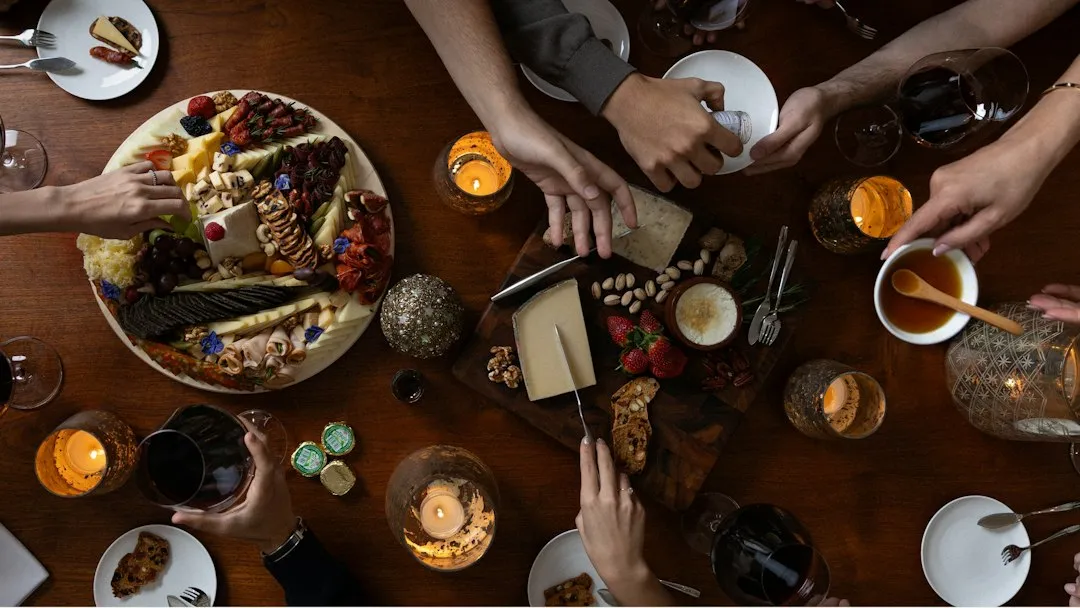
The 2025 World Happiness Report finds that meal-sharing is linked with social connectedness and subjective well-being, and children of families who eat together tend to have fewer behavioral problems and higher literacy rates. The thankfulness round isn’t just an add-on. It’s part of what makes the shared meal meaningful.
According to the Survey Center on American Life, only about thirty-eight percent of Gen Z Americans who are now adults report eating regularly with family at the dinner table. Against that backdrop, the families who do still gather and still go around saying what they’re grateful for are preserving something that data shows genuinely matters.
Research from the Barilla Family Dinner Project found that roughly seventy-one percent of parents say they feel more appreciated by their children when they take time to have dinner together. The numbers suggest that the feeling of being appreciated isn’t a soft sentiment. It’s a measurable outcome.
It Carries Benefits Beyond the Family, Into Work and Community

As families gather to share what they’re thankful for, research suggests those expressions of gratitude could have benefits beyond the holiday table. University of Florida researchers found that leaders who take time to reflect on gratitude they receive from family can become more effective managers at work. The thankfulness expressed at dinner apparently doesn’t stay at dinner.
The key to unlocking the power of gratitude from family members is in reflecting on and savoring those events of appreciation, because this prolongs and amplifies the experience. The ritual at the table, in other words, plants a seed that grows through the following days.
It Sustains Well-Being Over the Long Term, Not Just in the Moment
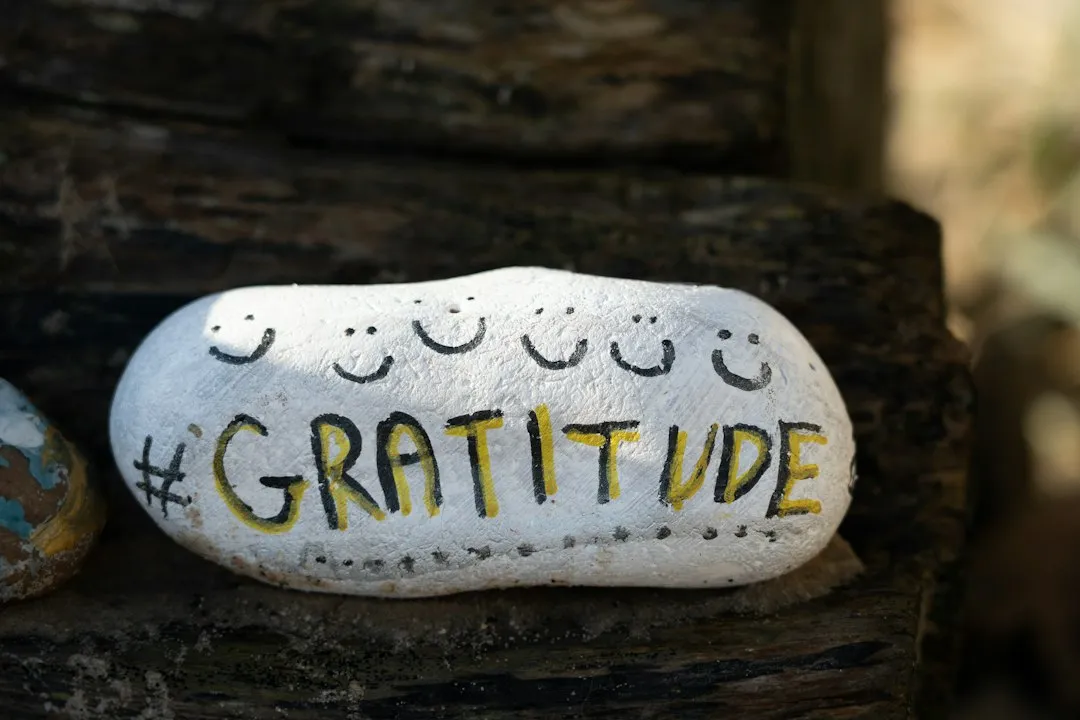
Research published by the American Psychiatric Association found that a six-week gratitude training program showed sustained effects on mental well-being for up to six months after the intervention. That’s a long return on a short investment of time and honesty around the dinner table.
Research demonstrates that genuine, consistent practice creates measurable benefits for psychological and physical well-being, relationship quality, goal achievement, and overall life satisfaction. That list covers pretty much everything families say they want for each other.
Research also shows that on emotionally difficult days, either when negative affect was high or positive affect was low, daily gratitude was positively associated with same-day family satisfaction. The ritual matters most precisely when the family most needs it.
The Takeaway
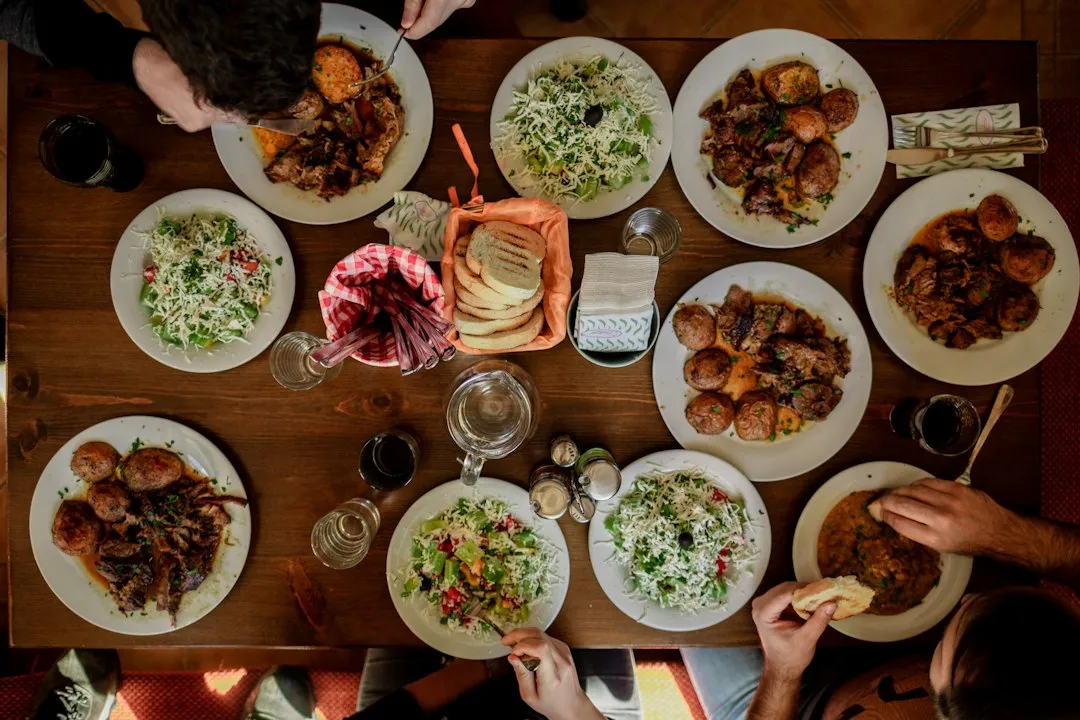
The tradition of going around the table is easy to dismiss as a little corny, especially when you’re watching a teenager reluctantly admit they’re grateful for “food, I guess.” But the evidence stacked behind that moment is genuinely impressive.
Gratitude can be embraced not only as a holiday tradition but as a daily practice that enriches our lives and strengthens our bonds with others. The table ritual is simply the most natural, low-effort version of that practice most families already have.
What keeps the tradition alive isn’t nostalgia. It’s the fact that it works. Families feel it, researchers measure it, and the data keeps pointing in the same direction. Sometimes the simplest things have the most going on underneath them.
AI Disclaimer: This article was created with the assistance of AI tools and reviewed by a human editor.