
Moisture Is the Most Common Culprit
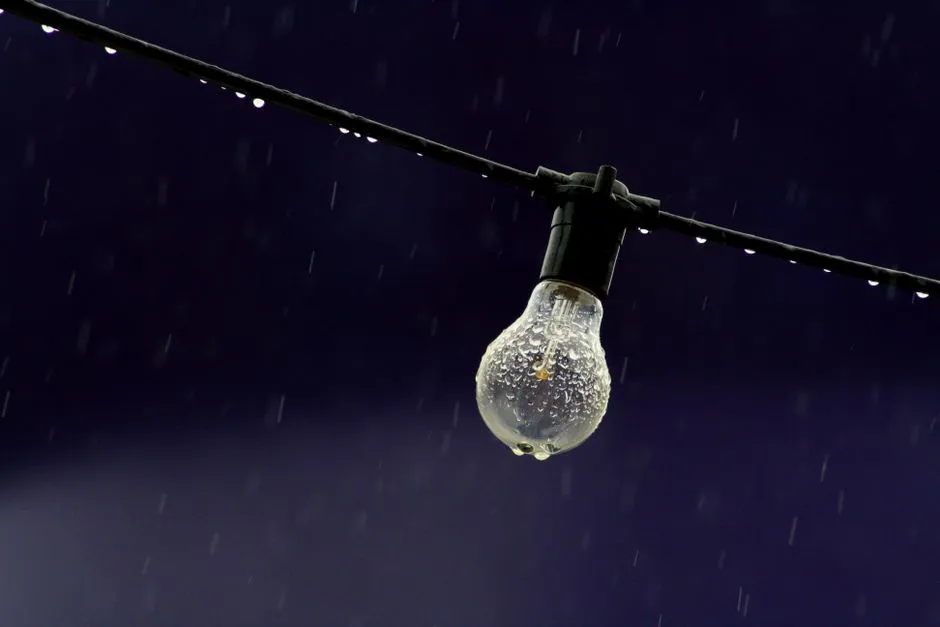
One of the most common reasons outdoor lights trip a breaker is moisture intrusion. High humidity and frequent storms make outdoor electrical components especially vulnerable, and water inside a socket, cord connection, or junction box can complete an unintended electrical path, instantly tripping the breaker to prevent shock or fire.
Water represents the absolute worst enemy of any electrical system located in your yard. Even a single drop of condensation inside a light socket creates a direct path for an electrical short circuit.
Once water enters the fixture, it bridges the gap between the positive and negative terminals, causing an immediate spike in electrical current. Inspect your fixtures for foggy glass, rust on the sockets, or visible water pooling inside the housing.
The 80 Percent Rule You Probably Don’t Know
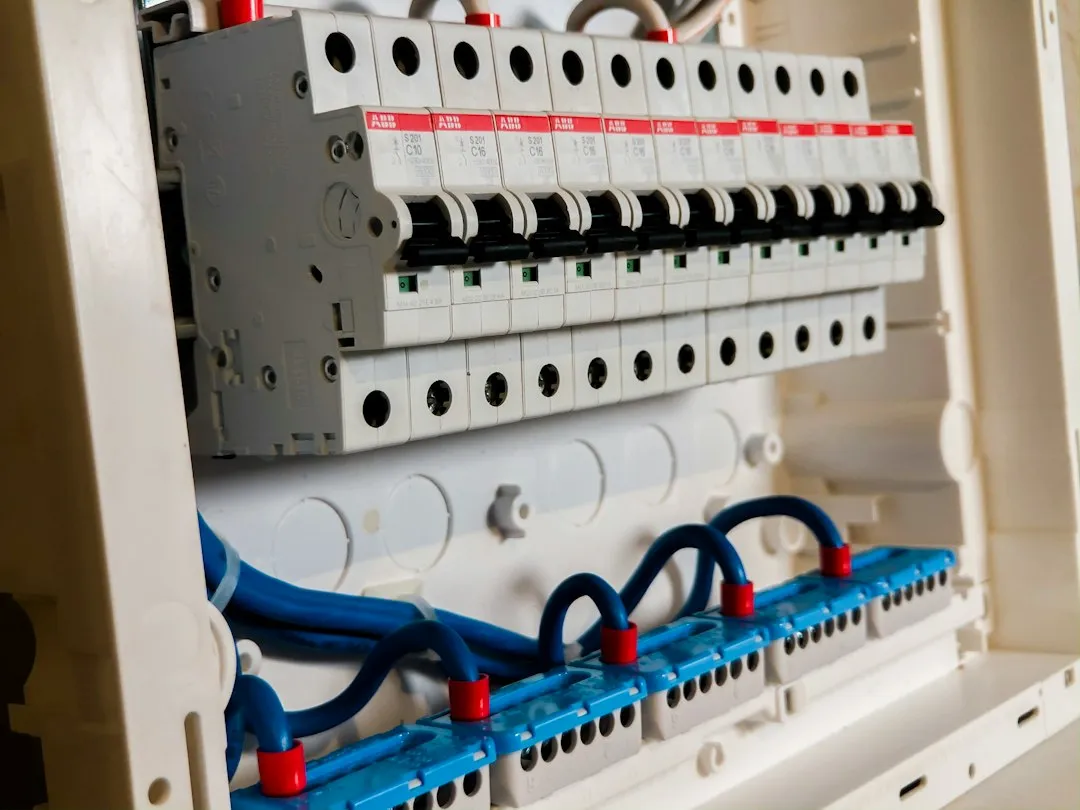
According to the National Electrical Code (NEC) Article 210, lighting circuits are considered continuous loads. This means the total wattage of the fixtures must not exceed 80 percent of the circuit breaker’s capacity.
On a standard 15A/120V circuit with a total capacity of 1,800 watts, you must limit the load to 1,440 watts. Most homeowners never check this. They simply add lights until the system stops working.
Standard household circuits typically handle 15 or 20 amps of electrical current before tripping. Low-voltage systems face similar capacity issues at the transformer level rather than the main panel.
Wattage Creep: The Slow-Moving Trap
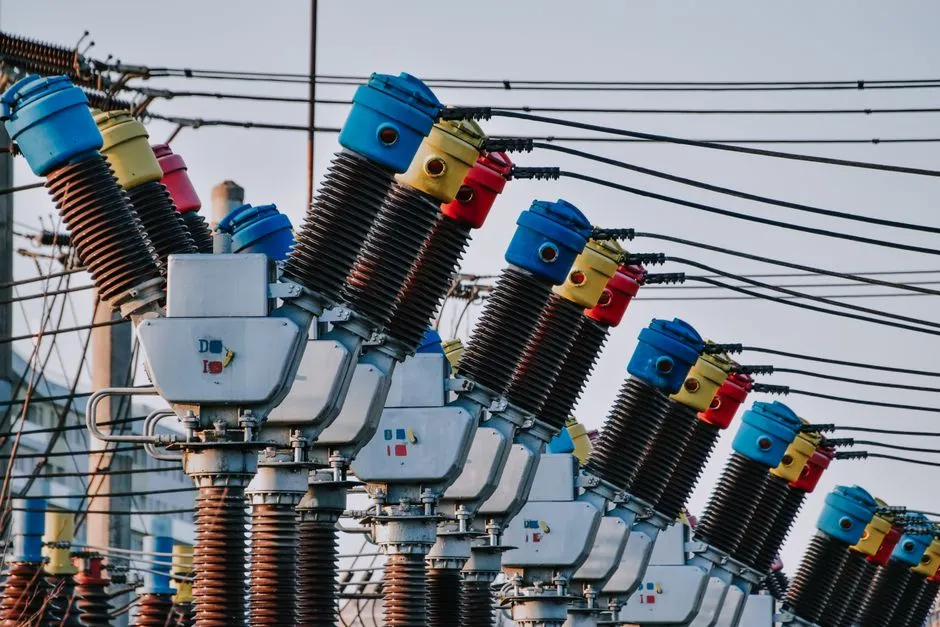
A very common scenario plays out gradually: you started with 10 lights, then added two path lights, then a spotlight for a new tree. Suddenly, you are pulling 310 watts from a 300-watt unit.
If your lighting system has been expanded over the years – a fixture here, another fixture there – you may be exceeding the safe wattage load. Transformers can only carry so much. Once pushed past their limits, the entire system weakens.
This kind of creep is so gradual that people rarely notice it happening. The lights seem fine for months, until one warm evening the transformer trips and everything goes dark at once.
Faulty or Water-Damaged Bulbs

A faulty bulb can short circuit across phase and neutral, causing the breaker to trip. A circuit breaker will trip when a bulb is faulty, and this can be caused by water getting into the bulb.
In practice, the same handful of faults come up again and again. Older bulbs, particularly halogens, often blow with a brief internal arc at the moment of switch-on, and that surge is enough to trip a sensitive breaker even though nothing else is wrong.
Worn sockets, cracked insulation inside the fixture, and failing LED drivers are common, especially in older fixtures and in fixtures that run hot. If the breaker stops tripping when you remove the bulbs, the fixture is the first suspect.
Damaged or Frayed Outdoor Wiring
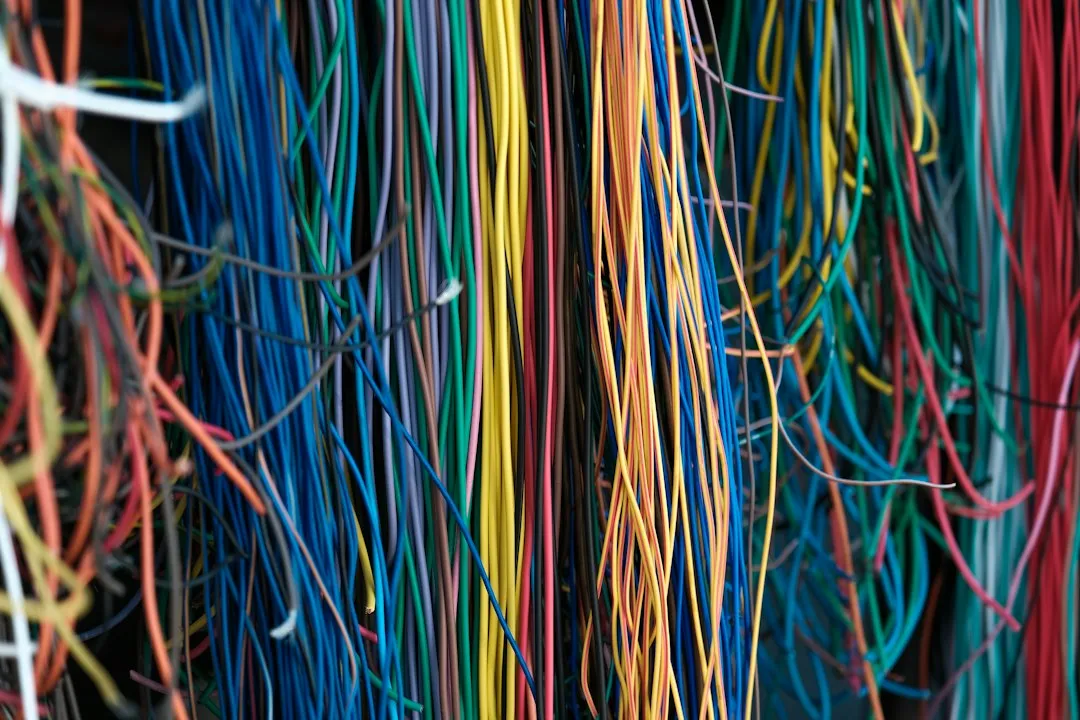
Electrical wiring exposed to the elements can degrade over time. Rodents, corrosion, or improper installation can cause wires to fray or short, triggering the breaker. A short circuit occurs when a live wire touches another wire or metal surface, allowing current to bypass the normal route.
Outdoor lighting cables are usually buried just below the soil surface. Lawn equipment, edging tools, or digging projects can easily cut or weaken lighting wires.
Damage to the cable or wear and tear can cause it to short circuit, tripping the breaker. It’s worth walking the full cable run before assuming the problem is at the fixture itself.
The GFCI Outlet Problem Most People Ignore
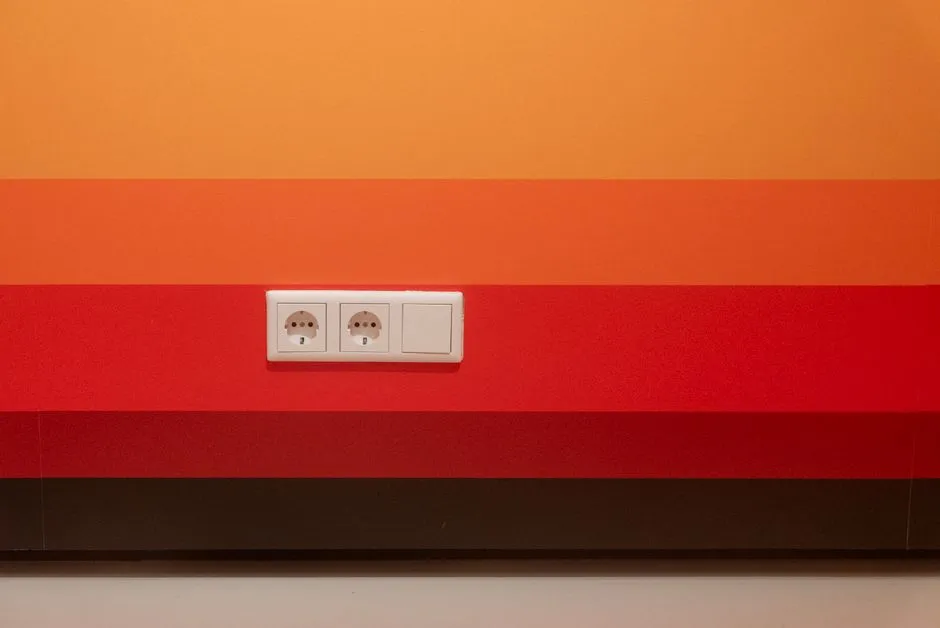
Your outdoor outlets are likely Ground Fault Circuit Interrupter (GFCI) outlets. These are sensitive safety devices designed to cut power instantly if they detect that electricity is escaping the intended path.
The outdoor receptacle that an outdoor lighting transformer plugs into must carry ground-fault protection, and moisture getting into a fixture socket or a nicked cable can trip that GFCI, cutting power to the whole transformer and every fixture on it.
A GFCI outlet that won’t reset often points to moisture inside the outlet box, a faulty GFCI receptacle, or a transformer internal short. Replacing the GFCI receptacle itself is inexpensive and often fixes the problem entirely.
The Wrong Extension Cord for the Job
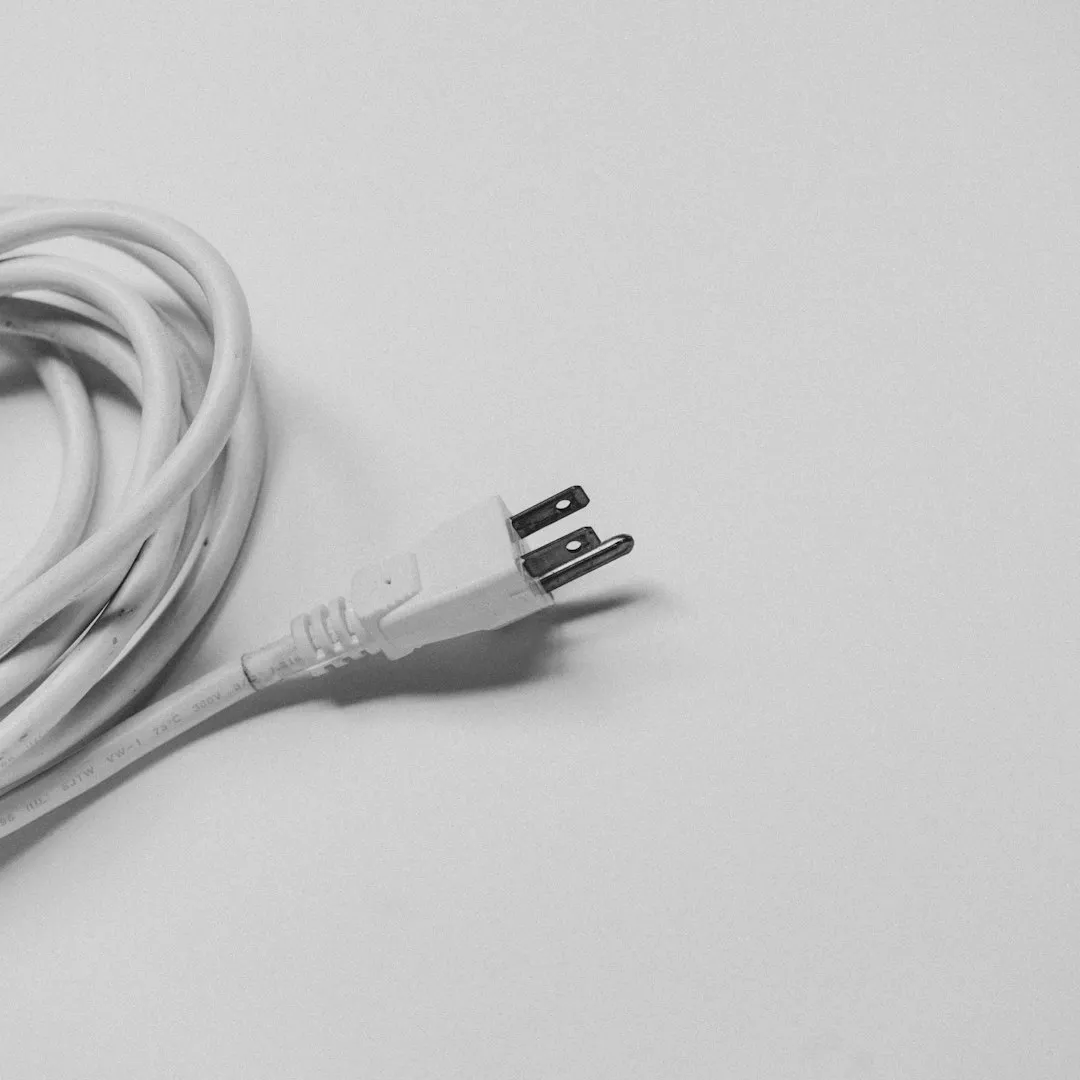
Many homeowners rely on extension cords or plug-in connections for temporary outdoor lighting. Unfortunately, not all cords are rated for outdoor use, and even outdoor-rated cords can degrade if exposed to sunlight and rain for too long.
An undersized cord running too many lights acts like a bottleneck, building heat along its length and eventually drawing enough current to trigger the breaker. The cord itself may never look damaged from the outside.
A lighting circuit that keeps tripping is not something to ignore or to work around by resetting the breaker indefinitely. Using the right, properly rated cord from the start is a simple fix that prevents bigger problems down the road.
Loose Connections and Corrosion at the Fixture
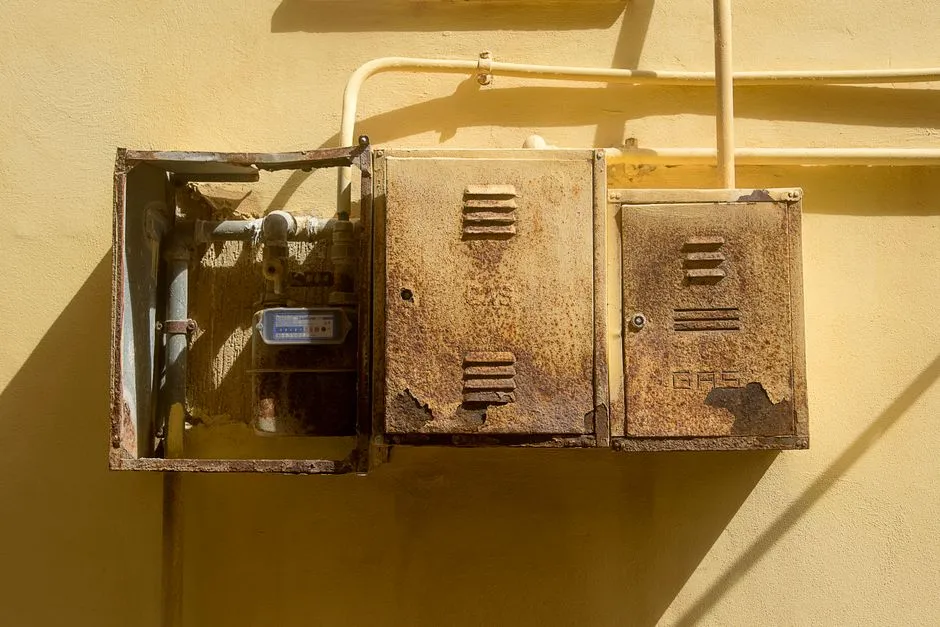
Loose connections or corrosion can cause arcing and heat buildup, which leads to lights flickering and then tripping the breaker. This kind of fault tends to get worse over time rather than resolving itself.
A rusty metal bracket connected to the ground wire can cause poor grounding and short circuits, tripping the breaker. Inspecting the fixture’s ground connection and replacing or cleaning corroded brackets can often solve this.
Other causes include a loose connection that is arcing, which an AFCI breaker is designed to catch, and moisture in an outdoor fixture on a GFCI-protected circuit. Corrosion at terminals is easy to miss during a quick visual check but causes real problems under load.
An Aging Breaker That Trips Too Easily
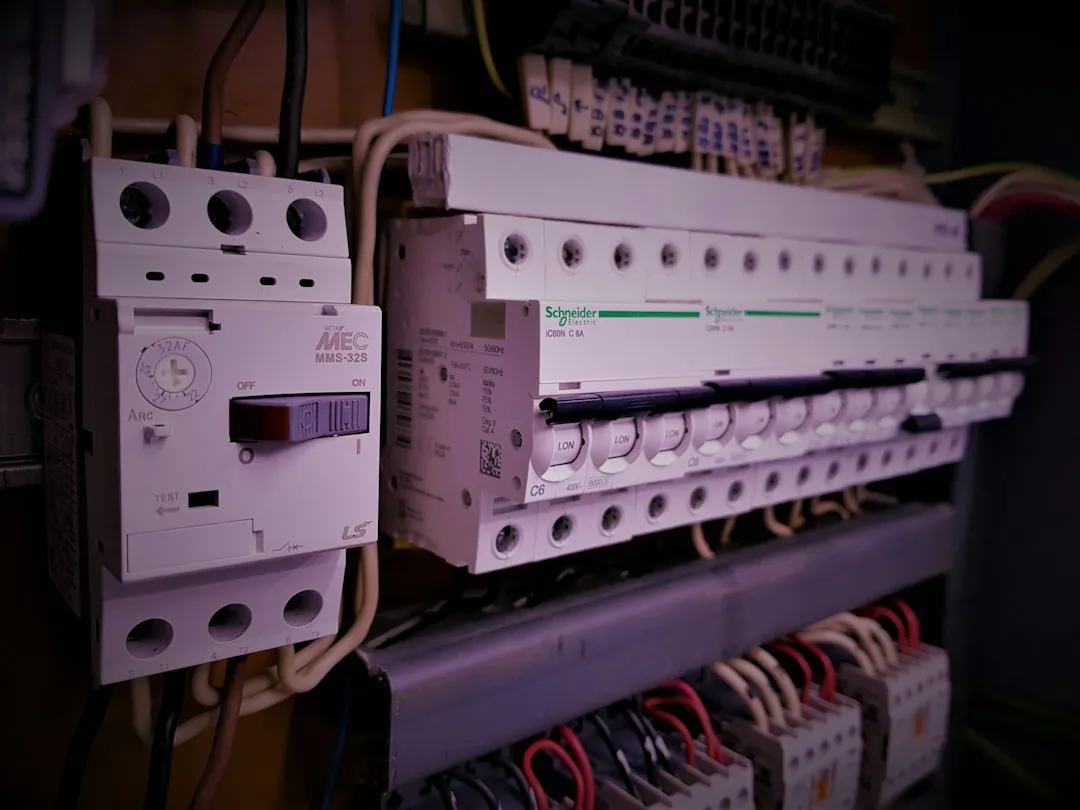
Breaker tripping is particularly common in homes where the electrical panel hasn’t been updated in decades, or when outdoor lighting was added without checking the panel’s condition.
Breakers, like any other electrical component, can wear out over time. An aging breaker may trip at loads well below its rated capacity, sending homeowners on a frustrating hunt for a wiring fault that isn’t really there.
If the small switch labeled for the lights, usually marked 6A or 10A, is the one that keeps dropping, that is the circuit breaker for the lighting circuit and it trips on overload or a short circuit. Having an electrician check the panel’s age and condition is a worthwhile step if the breaker trips repeatedly without an obvious cause.
Why This Matters Beyond the Inconvenience
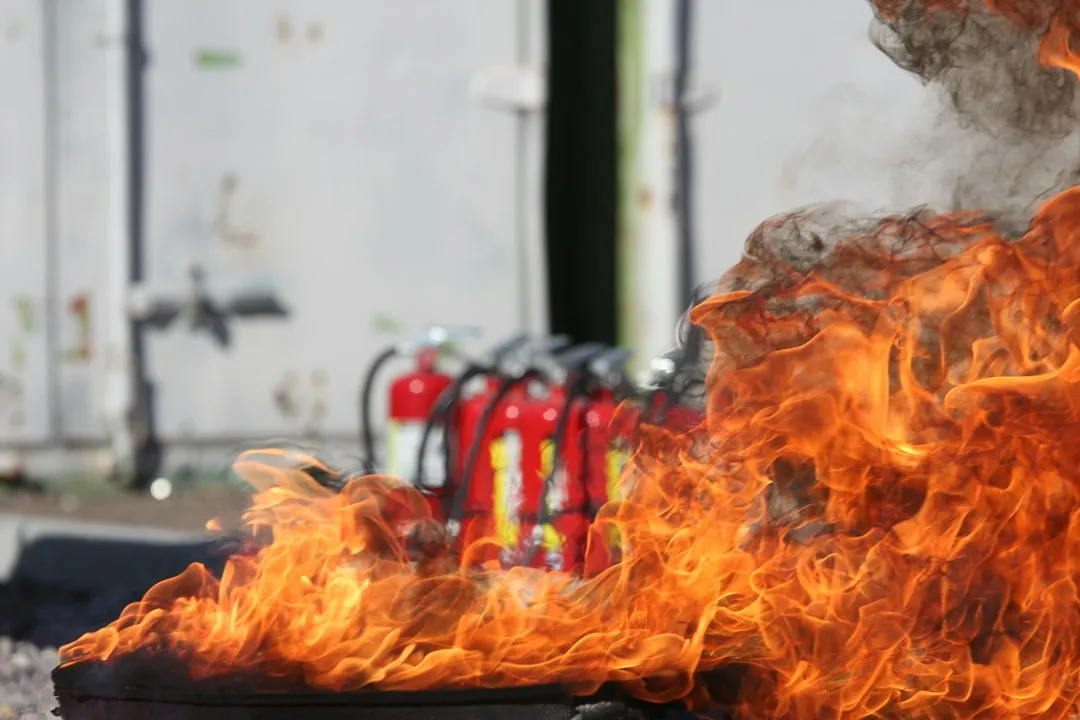
In the period from 2020 to 2024, local fire departments responded to an estimated annual average of nearly 47,000 home electrical structure fires. Those fires caused an estimated annual average of 527 civilian deaths, 1,580 civilian injuries, and roughly 2.4 billion dollars in direct property damage each year.
Electrical distribution or lighting equipment was the leading cause of home fire property damage. An average of more than 31,000 such fires caused 430 deaths, 1,300 injuries, and 1.6 billion dollars in direct property damage annually.
Arc faults are still the leading culprit – damaged wires, loose connections, or deteriorated insulation can create arcs that generate extreme heat before a standard breaker trips. The breaker tripping, as frustrating as it is in the moment, is actually the system working as intended. The real danger is when people keep resetting it without finding the source of the fault.
What to Check Before Calling an Electrician
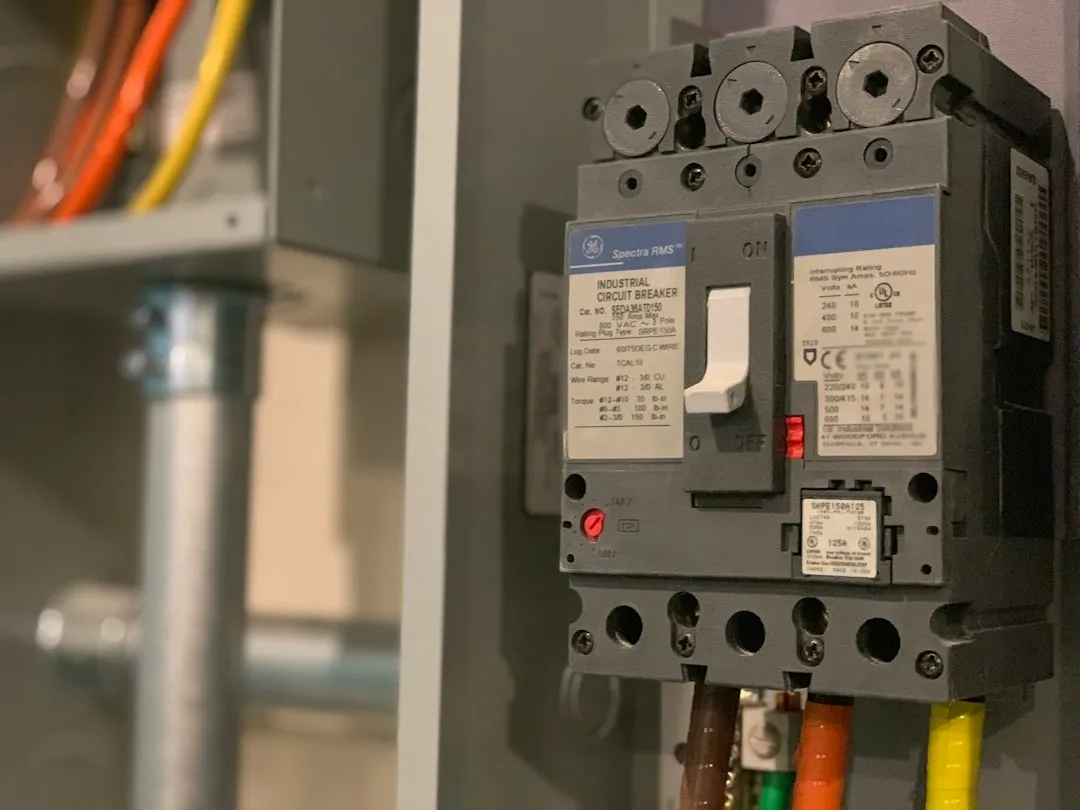
A breaker tripping the moment you flick a particular light switch suggests a fault at that fitting or in the bulb. A breaker tripping at random, or during heavy rain, points towards moisture getting into a fitting, junction box, or outside light.
If the trip comes after a delay, the light may be the last straw on a circuit that is already running space heaters, a window AC unit, or other appliances. Timing the trip gives you useful information before you even open a panel.
An overheating transformer or one that repeatedly trips its internal breaker is a serious red flag that indicates the unit is overloaded. Check the transformer’s rated capacity against the total wattage of every connected fixture, keep total load under 80 percent of capacity, and inspect every fixture cover and outlet housing for cracks or water entry. Those three steps alone will resolve the majority of outdoor lighting breaker trips without any specialist tools.
The Takeaway
Outdoor lighting problems tend to feel mysterious until you trace them to their actual source. Water, overloading, corroded connections, and deteriorating cables account for the vast majority of trips, and each one has a straightforward fix once it’s identified correctly.
The mistake most people make isn’t the wiring itself. It’s ignoring early warning signs – a flicker here, a brief trip after rain there – until the system refuses to cooperate entirely. Catching the pattern early is what separates a ten-minute fix from a full rewiring job.
A breaker that keeps tripping isn’t trying to ruin your evening. It’s telling you something specific. Take the time to listen to it.
AI Disclaimer: This article was created with the assistance of AI tools and reviewed by a human editor.