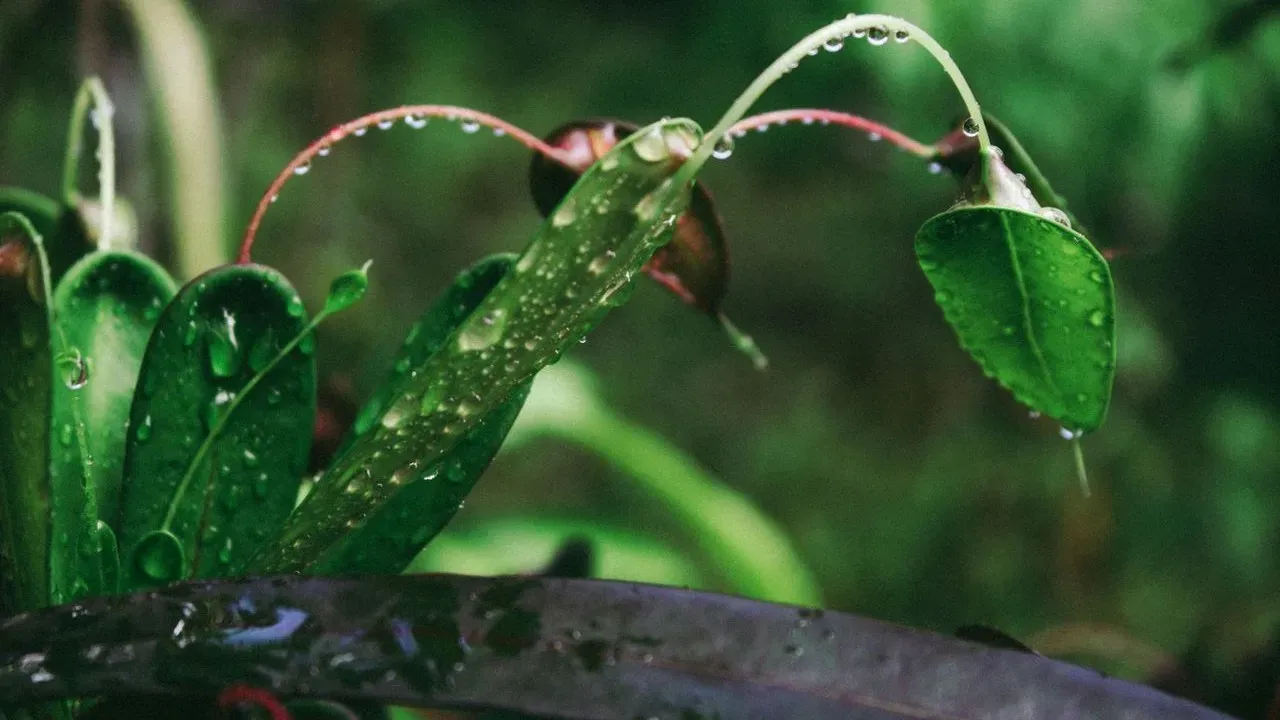

A flowering orchid can lift the mood of a whole room, so a sagging plant on the windowsill is hard to ignore. Limp or softened leaves often look like a serious decline, yet the cause is usually something a grower can identify and correct. Savvy Gardening’s guide on ([1])walks through five common causes and how to address each one.
Watering is the usual culprit
Too much water tops the list. Drooping, yellowing, or dropping leaves can mean the roots have been sitting in moisture for too long. Healthy orchid roots range from bright white to creamy yellow or pale green, while brown, mushy roots point to rot. Once roots rot, they can no longer absorb water and nutrients, which pushes the leaves further into decline. ([2])
Too little water causes a different pattern. A dry orchid feels unusually light when lifted from its pot, and its leaves begin to shrivel. Inconsistent watering creates its own stress. In nature, orchids rarely face long floods followed by long droughts. Their roots tend to have steady access to moist air and short, regular rain, so swings between soaking and bone-dry conditions can wear the plant down.
Light and placement can tip the balance
Light is another frequent factor, and it works in both directions. A bright, sun-heated window can cause leaves to shrink, while a spot that is too dim can leave foliage soft and drooping, sometimes with a darker green tint. Many growers find that moving a plant a short distance from a hot pane of glass makes a noticeable difference within days.
A few quick checks can help narrow down the problem:
- Lift the pot. A heavy pot suggests excess moisture, while a very light one suggests the plant is too dry.
- Inspect the roots. Firm, green or silver roots are a good sign, while brown and mushy roots need attention.
- Look at the window. Direct afternoon sun or a spot too far from light both deserve a second look.
- Examine the leaves. Shrinking, soft, or unusually dark leaves each point to a different light or moisture issue.
Pests and stale air
Insects can also weaken a plant. Aphids are among the most common orchid pests, and their presence often shows up as yellow stippling and a sticky residue on the leaves. Small infestations can be removed by hand, while an insecticidal soap is an option for larger ones. Air quality matters too, since orchids need fresh air to stay healthy. A stuffy room or a spot crowded with other plants may add to the strain on a plant that is already struggling.
Not every yellowing leaf signals a crisis. Older leaves at the base of the plant can naturally age and drop as the orchid redirects energy toward new growth and blooms. ([3])Telling this apart from a true problem is part of the diagnosis, since a plant with healthy roots and a steady routine may simply be doing what orchids do.
What to do next
Once the likely cause is clear, the fix is usually a matter of changing one habit at a time. Adjust the watering schedule so the potting medium dries between soakings. Move the plant away from harsh sun or into brighter, indirect light. Trim away fully dead or rotting leaves with clean tools, since orchids can be vulnerable to fungal problems. If the roots are rotting, the orchid may need to be repotted in fresh medium and a suitably sized pot. ([4])
Recovery takes patience. A leaf that has already gone soft may not firm up again, so growers often judge progress by whether new growth appears and the remaining foliage stops sagging. For a plant that brightened a room or arrived as a gift, the steps are modest, and catching the problem early gives the orchid the best chance to rebound.
AI Disclaimer: This article was created with the assistance of AI tools and reviewed by a human editor.