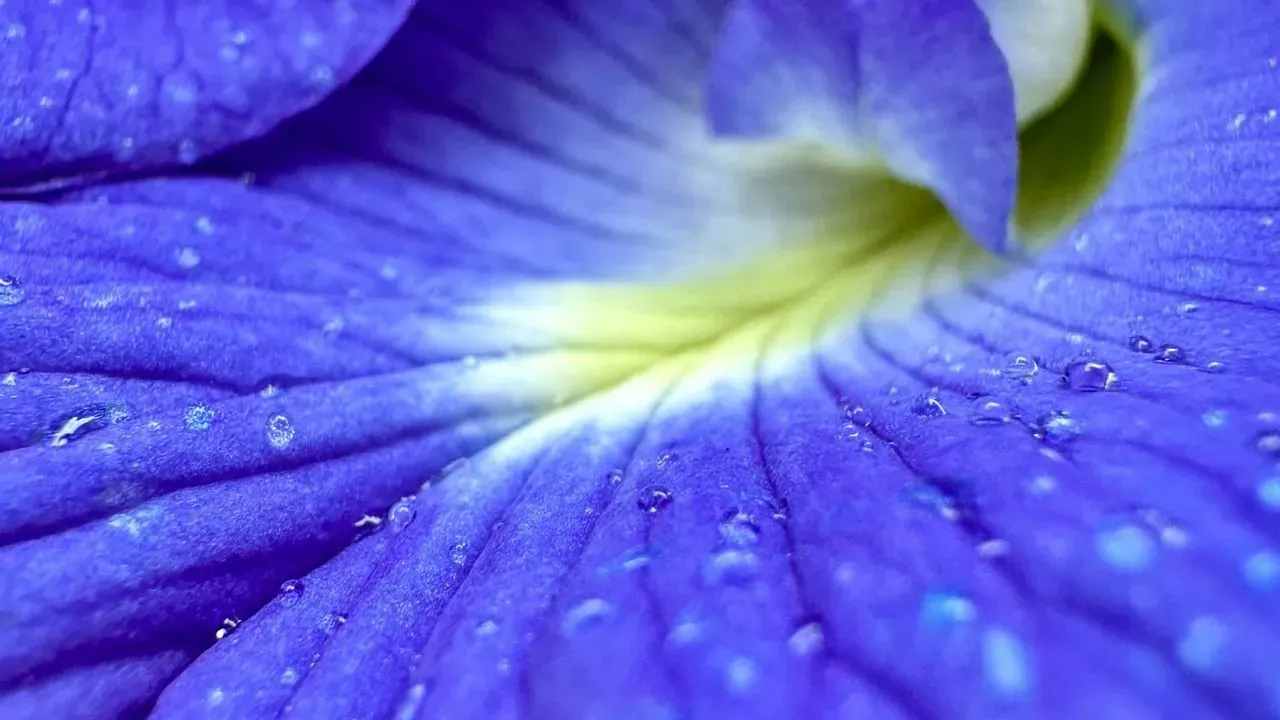

Few garden plants give home growers a reason to reach for the kettle as well as the trowel. The butterfly pea, also sold as blue tea flower, is a vine with vivid blue blossoms that can end up in a cup. ([1])The Gardener’s Path guide points to its bright blue flowers, edible blossoms and habit of enriching the soil, all of which make it more than an ornamental climber.
A Teacup That Changes Color
The most striking trait shows up in the kitchen rather than the garden bed. Butterfly pea flower tea is made from the flowers and dried lemongrass, and it changes color depending on what is added to the liquid, with lemon juice turning it purple. ([2])
That reaction is what makes the plant so easy to share. A blue infusion that shifts to violet after a few drops of citrus gives children and curious guests an immediate reason to watch. Because the blossoms are edible, the color change can become part of a homegrown harvest rather than a novelty bought in a tin.
Feeding the Soil Without Heavy Fertilizer
The plant’s value below ground is just as notable. The species has a symbiotic relationship with certain soil bacteria, which form nodules on the roots and fix atmospheric nitrogen. ([3]) That process is not confined to the vine itself. Some of this nitrogen is utilized by the growing plant, but some can also be used by other plants growing nearby. ([3])
Gardeners should be careful not to overfeed it. Excessive use of nitrogen fertilizers should be avoided, as these can promote exuberant leaf growth at the expense of flowers. ([4]) A light topdressing of compost at planting is usually enough, since butterfly pea fixes nitrogen through its roots, so heavy fertilizer is unnecessary. ([5])
Conditions That Keep the Vines Blooming
The plant rewards a few simple habits. Growers who want steady flowering tend to focus on the same basics:
- Full sun, with a sheltered spot that stays warm through the season
- Moist but well-drained soil, ideally in a pH range of 6.0 to 8.0
- Deep watering once or twice a week instead of frequent light sprinklings
- A layer of mulch to keep the root zone cool and moist
Native to Indonesia, butterfly pea is a short-lived perennial in USDA zones 9 to 11. ([5]) In northern zones it is grown as an annual, or potted and overwintered indoors as a biennial. ([5]) Gardeners in cooler regions should plan on a container or a seasonal planting.
What Gardeners Should Keep in Mind
Pest pressure is generally modest. The plant does not suffer from any severe pest or disease problems. ([2]) Still, anyone planning to use the blossoms in drinks should confirm that the plant has been grown without chemical sprays, and should harvest only flowers they can identify with confidence.
For home gardeners, the appeal lies in the combination. A single vine can supply a striking blue bloom for the teapot, a modest boost to nearby crops and a conversation starter at the table. Growers who try it may find that the most memorable moment is not the planting but the first cup that shifts from blue to purple.
AI Disclaimer: This article was created with the assistance of AI tools and reviewed by a human editor.