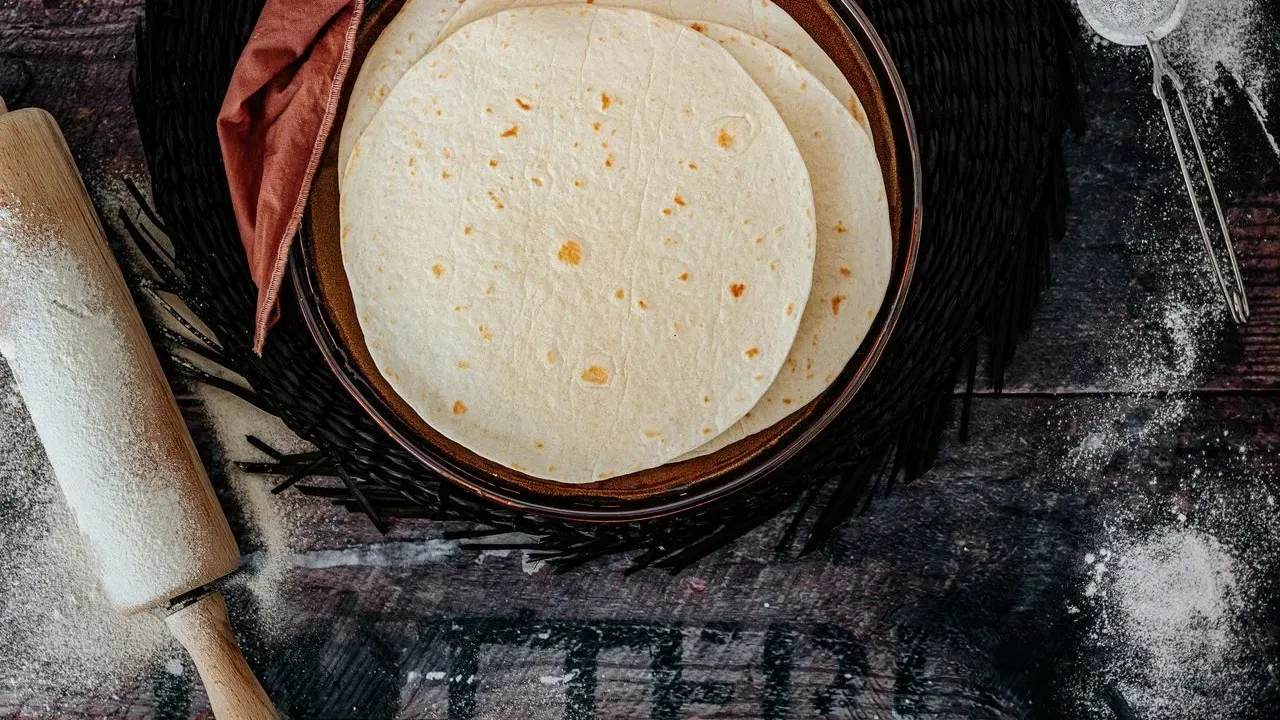

That half-empty pack left over from taco night has a way of lingering in the pantry or the fridge. With holiday cooking and kitchen clean-outs under way, many households are asking how long tortillas stay safe to eat. University guidance gives a clearer picture than most people expect, though the answer depends on the type of tortilla and how it is stored. ([1])
The short answer is yes, though slowly
Tortillas do go bad, and they usually fail in one of two ways. They can dry out and turn stiff as they stale, or they can develop mold. They hold up better than many breads, but they are not built to last indefinitely.
New Mexico State University and the University of Nebraska-Lincoln publish general storage estimates that separate flour from corn. Both treat their figures as guidelines rather than fixed deadlines. NMSU notes that ingredients can change how long a tortilla keeps, and it recommends refrigerating tortillas once the package is open.
Storage times at a glance
- Flour tortillas in the pantry: about 3 months, per NMSU and Nebraska’s tables
- Flour tortillas in the refrigerator: 3 months once opened, according to Nebraska and Virginia Cooperative Extension
- Flour tortillas in the freezer: 6 months, per NMSU and Nebraska
- Corn tortillas in the pantry: 1 to 2 months, per NMSU
- Corn tortillas in the refrigerator: 2 to 3 months, per NMSU
Brand and edition matter as well. Virginia Cooperative Extension’s October 2025 guide gives shorter corn tortilla windows, 25 to 45 days in the pantry and 60 to 90 days in the refrigerator, which roughly line up with NMSU’s numbers. Siete Foods, which makes its own tortillas without preservatives, sets far tighter limits for its products, including 21 days refrigerated unopened and 7 days once opened.
An older NMSU edition from 2020 listed only 2 weeks in the refrigerator, which helps explain why some websites still repeat shorter figures. The 2025 revision separates corn from flour and raises the refrigerator estimate. Even so, a printed date or use by window on the package should take priority over any general table.
What matters now: The package label comes first. Tables are general estimates that do not separate brands, and no official table lists a time for homemade tortillas. Freezer times are for quality, not for safety.
Freezing is the most reliable way to stretch a pack
The freezer adds the most time. NMSU and the University of Nebraska-Lincoln both list 6 months for flour tortillas, while NMSU leaves the freezer column blank for corn tortillas, so no current extension figure exists for them. Nebraska marks its freezer times as guidance for quality only, which means a frozen tortilla may lose texture before it becomes unsafe to eat.
Packaging makes a noticeable difference. A 2013 Ask Extension answer advises taking tortillas out of their original container and rewrapping them in moisture and vapor resistant paper, freezer wrap or a freezer container, then labeling and dating the bag. Our own suggestion is to place a sheet of parchment between tortillas to prevent sticking, press out the air, and thaw them in the refrigerator while still wrapped so they do not dry out.
Mold, best by dates and stiff tortillas
Mold is the clearest reason to throw a tortilla away. USDA advises discarding bread and baked goods that show mold, because porous foods can be contaminated beneath the surface and mold roots may run deep. The agency also advises against sniffing a moldy item. USDA’s mold guidance does not name tortillas, so applying it to them is our judgment, based on tortillas being a type of flatbread.
Dates require a different reading. USDA says a best if used by date signals peak flavor and quality, not safety. A tortilla a few days past that date, still sealed and kept cold, is worth inspecting rather than discarding on sight. Cutting away a moldy spot is not recommended, and if mold appears in a stacked bag, our own conservative advice is to discard the whole package.
Stiffness is a different matter. Staling makes tortillas crumbly and drier, and dryness alone does not indicate spoilage. If a tortilla is stiff but shows no mold and no off odor, warming it briefly under a towel usually restores enough softness for tacos. Tortillas that are too hard for wrapping can also be sliced into strips and fried for soup garnish.
Filled tortillas and homemade batches need extra care
Tortillas loaded with meat, cheese or beans follow a stricter rule than the tortilla itself. USDA’s leftover guidance says perishable food left at room temperature for more than two hours should be discarded, or after one hour when the temperature is above 90 degrees Fahrenheit. Leftovers can usually be kept in the refrigerator for 3 to 4 days or frozen for 3 to 4 months, with frozen time measured in quality.
Homemade tortillas have no published times in the sources reviewed. NMSU notes that homemade breads may have a shorter shelf life because they lack preservatives, and that reasoning seems sensible to apply here. We would refrigerate homemade tortillas in a sealed bag and use them sooner than store-bought ones, or freeze them.
For most households, the practical approach is straightforward. Use the printed date and storage directions, refrigerate an opened pack, freeze any tortillas that will not be eaten soon, and inspect every tortilla for mold before serving. Storage estimates provide a helpful starting point, but the package and the appearance of the tortilla remain the most reliable guides.
AI Disclaimer: This article was created with the assistance of AI tools and reviewed by a human editor.