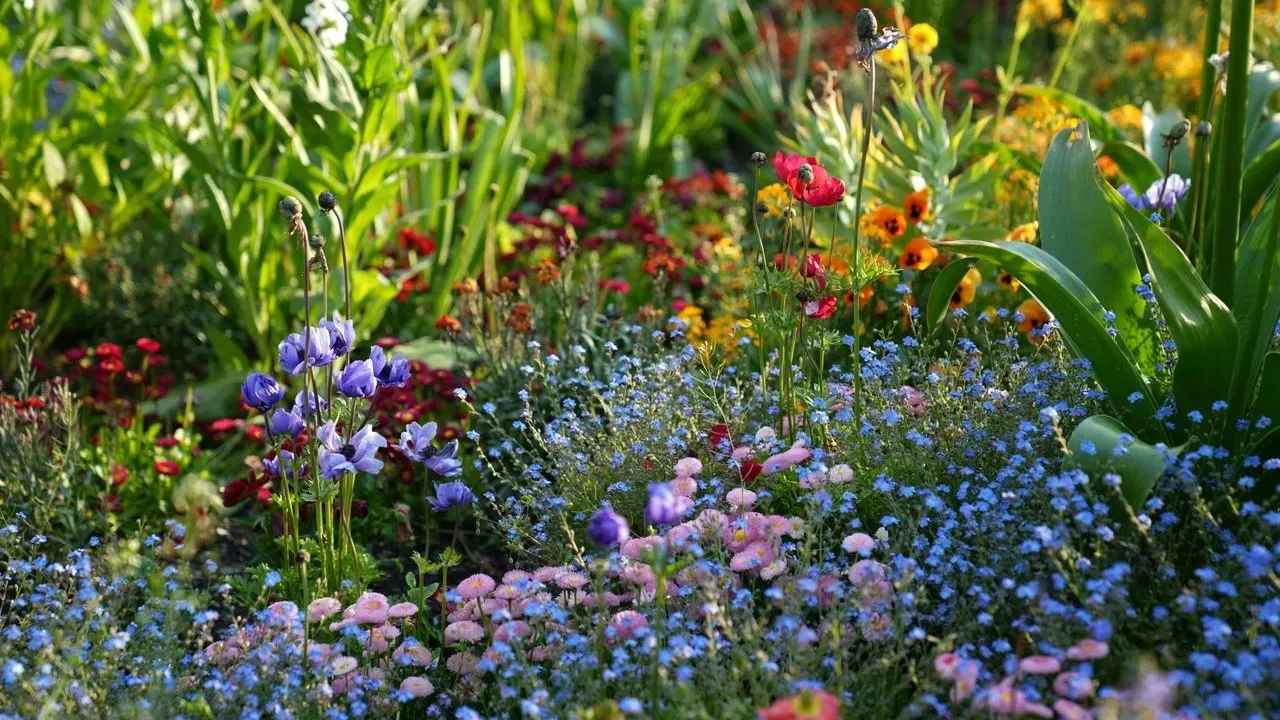

The Delaware Botanic Garden opened in 2019 with a notable design credit: the meadow was planned by Piet Oudolf, the Dutch landscape designer known for naturalistic perennial plantings. Years after the early publicity, the garden is drawing visitors who may never have heard his name. ([1])
A Meadow That Stands Among Rare Company
Few gardens in the country can claim Oudolf’s hand. The Delaware meadow is one of just seven gardens in the U.S. that he designed. The others sit in some of the country’s best-known cities, including the High Line and Battery Gardens in New York City, Calder Gardens in Philadelphia, and Lurie Garden in Chicago. Planting Fields on Long Island and Oudolf Garden Detroit complete the group.
That pedigree came with a story of its own. The meadow’s early profile grew largely through personal connections and social media, which helped turn a regional project into a subject of wider interest. The garden now has to show that a celebrated design can also work as an everyday place for people to spend an afternoon.
Paths, Sculptures and Hedges Shape the Visit
Recent changes suggest the garden is aiming for comfort as much as horticultural prestige. Wide mulched paths wind through the woodlands, and the garden’s leaders say visitors appreciate how the width and soft surface make the woods feel less intimidating. Nine wooden sculptures are scattered through the trees, giving walkers a reason to explore beyond the meadow.
Other additions point the same way. A new structure uses Profusion zinnias spaced apart over rock mulch, a design that stands out against the more familiar border look. Lantana draws pollinators nearby. The Hedgerow Garden replaced an area that was once only lawn, with wide, mixed-species hedges that are still developing. Three raised, round turf areas inside the meadow also offer young visitors a place to climb and parents a higher spot for photographs.
The meadow itself is changing with the seasons. During a recent autumn visit, Pink Muhly Grass was the standout, while the amsonias that give the meadow its best fall color had not yet turned. The garden’s new executive director, Mark Carter, explained the thinking behind the raised turf areas. “Garden guests are welcome to climb them to gain different perspectives of the meadow and the world.”
Events and Plant Choices Widen the Audience
The garden has leaned into programming that brings in people who may come for a concert or a festival before they ever look closely at the plantings. Recent and upcoming efforts include:
- Educational programs held in the Pennoni Meadow Pavilion and the Gallery Garden
- Meadow Music, nine nights of live music in the Gallery Garden with food trucks and drinks
- Garden Glow and Shadow Trail, a late October family festival with an illuminated woodland route that ended with more than 150 carved jack-o-lanterns
- Plans for 2027 to raise community awareness, including ways for local businesses to take part
Plant choices have also broadened the appeal. More annual plants have been added, and some donated collections of nonnative species have joined the grounds. The reporter who visited noted that purists have objected to some of these choices. Still, the garden’s position is that a botanic garden needs broad public support to remain viable, and it does not present itself as an ecological restoration site.
A New Leader Sets the Next Chapter
The visit also marked a leadership transition. Gregg Topper has left the director’s role, and Mark Carter now leads the garden. His early focus appears to be on making the grounds welcoming to a wide range of visitors, from residents who know the region well to those who arrive simply curious about the meadow.
The Delaware Botanic Garden has moved from a headline-grabbing design project to a place with paths, programs, and seasonal events that draw local families. The meadow still carries Oudolf’s name, but the garden’s success will increasingly depend on whether people keep coming back to walk, climb, and linger among the plants.
AI Disclaimer: This article was created with the assistance of AI tools and reviewed by a human editor.