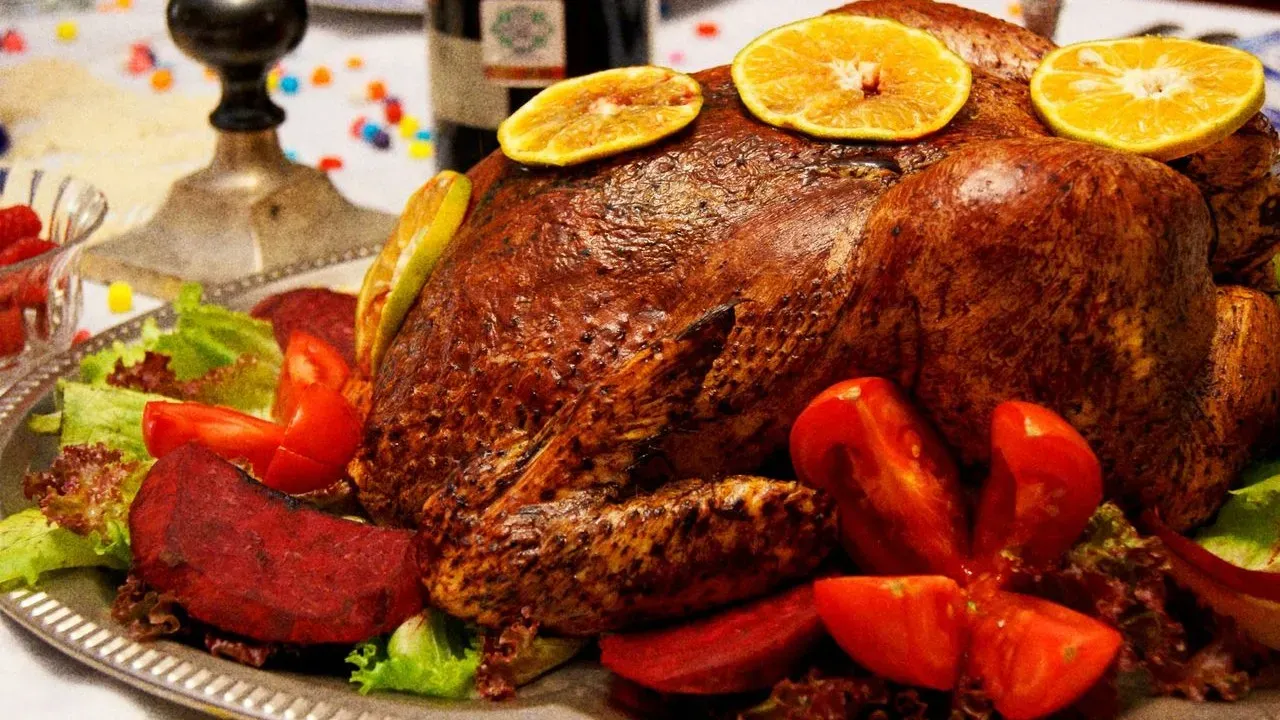

Thanksgiving is only days away, and many home cooks are again weighing how to keep a large roast from drying out before its skin turns golden. CBS News highlighted a citrus and butter turkey recipe from the editors of Food & Wine that depends on a simple kitchen staple, a square of cheesecloth soaked in seasoned butter and laid over the bird before roasting ([1]). The approach is not new, but it has resurfaced widely each holiday season.
Why a butter-soaked cloth helps the meat
The main challenge with a whole turkey is timing. Breast meat usually reaches doneness well before the thighs, so the lean breast is often the first part to dry out. Unless the cook uses a method like cheesecloth, the breast meat will dry out long before the dark meat is ready to eat. A soaked cloth draped over the breast and legs slows that process by holding moisture and fat against the surface.
Cheesecloth is well suited to the job. It is porous, absorbent, and oven safe, so it can take up a generous amount of butter and keep it in contact with the bird. Fat also reaches the meat from two directions in this method, since butter is worked under the skin and the saturated cloth sits on top. The result is a roast that stays basted as it cooks, which is the basic reason the technique has a devoted following.
What the Food & Wine version calls for
The recipe, as reproduced in a Today article credited to Food & Wine’s Justin Chapple, is built for a turkey weighing 12 to 14 pounds. The bird is rinsed, patted dry, and seasoned with kosher salt and black pepper. The steps that follow are the core of the method.
- Loosen the skin over the breast and thighs, then press chilled citrus butter underneath it.
- Fill the cavity with thyme sprigs along with grapefruit, orange, and lemon wedges.
- Wet a double layer of cheesecloth, wring it out, and saturate it with the leftover citrus butter.
- Drape the cloth over the breast and legs, then pour any remaining butter over the top.
Before you roast: The cloth needs to be fully saturated, not dripping, so the butter stays on the bird rather than in the pan. Plan a few extra minutes for the setup, and keep a clean work surface nearby.
Practical cautions and timing
Cheesecloth is not always simple to source. Food Network has noted that cheesecloth can be expensive and hard to find, as well as messy to apply once it’s wet with melted butter, and there’s a risk it’ll start smoking in the oven. Cooks should keep an eye on the cloth as the bird roasts and be ready to adjust the oven if it darkens too quickly.
Browning is the other consideration. Some versions of the technique remove the cloth near the end of cooking. One widely shared variation calls for removing the cheesecloth for the last 30 minutes so the skin can begin to crisp up. The excerpt of the Food & Wine recipe available for this report did not specify when to lift the cloth, so readers should follow the full published recipe for exact timing and temperatures.
For a holiday meal, a trial run before Thanksgiving can help cooks judge how the cloth behaves in their own oven. The technique promises juicier meat and crisper skin, and the best test of that promise will come at the dinner table.
AI Disclaimer: This article was created with the assistance of AI tools and reviewed by a human editor.