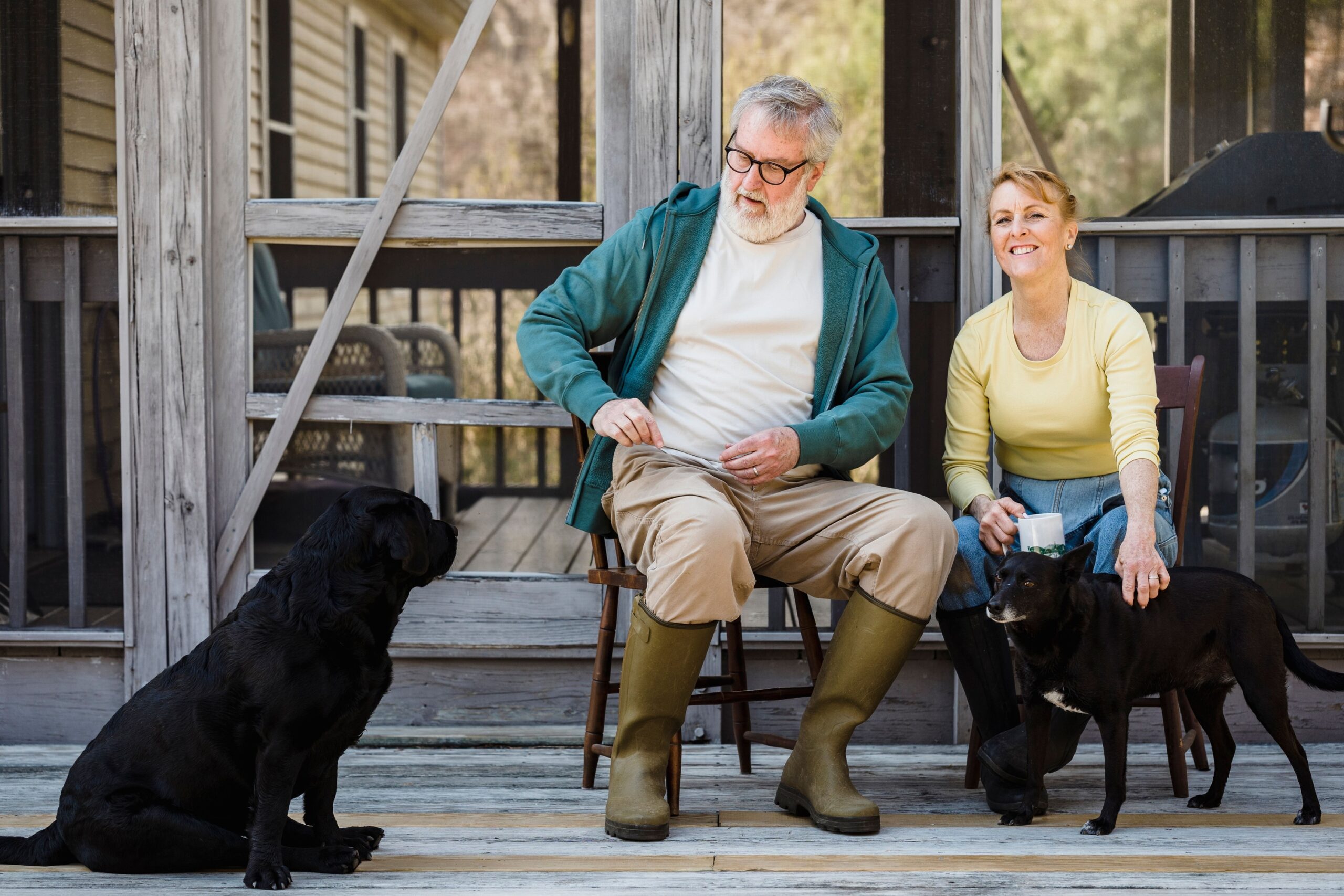

The Gap Between Senior Pets and Younger Ones

The numbers make the disparity clear. According to statistics from the ASPCA Adoption Center, only 25 percent of senior dogs in shelters are adopted, compared to 60 percent of younger canines. That is a striking gap, and it has real consequences.
When senior dogs remain unadopted, they face the risk of being euthanized at overcrowded kill shelters. Senior cats face similar odds. The disparity is not rooted in any fundamental flaw in older animals. It tends to reflect assumptions about health costs and shorter lifespans that programs like these work hard to correct.
What “Seniors for Seniors” Programs Actually Do
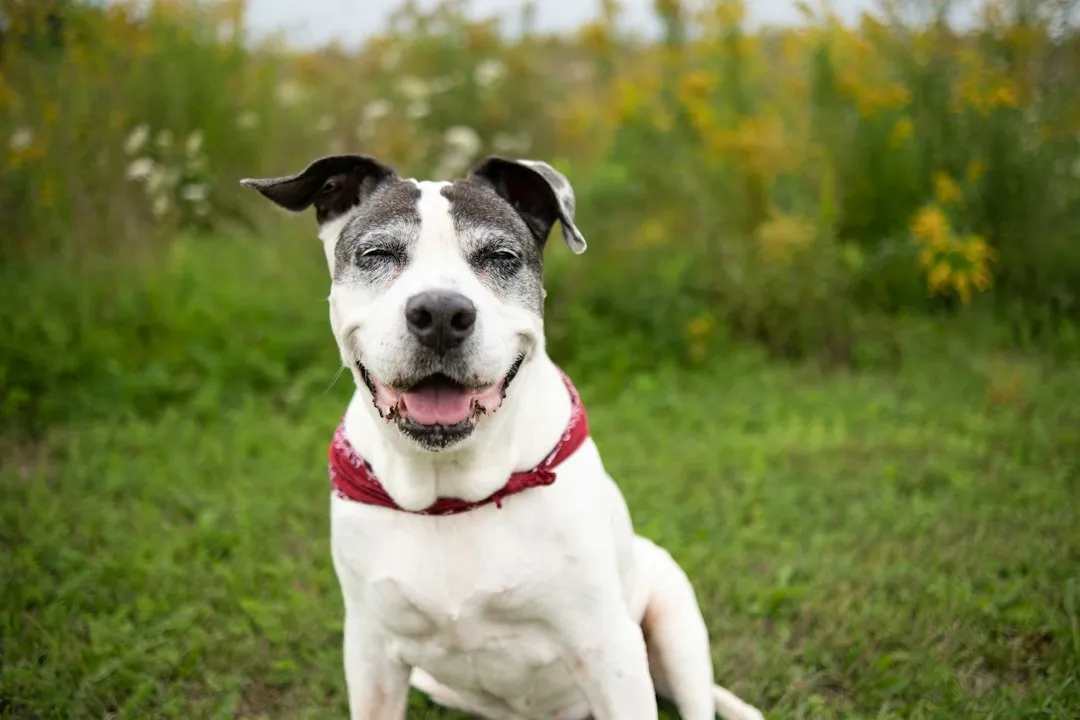
Seniors for Seniors adoption programs pair older adults with senior pets, typically with the adoption fee waived. The pairing philosophy matters as much as the financial incentive. Pet ownership is proven to reduce depression, loneliness, and improve the overall wellbeing of the senior population, and the quiet home of a senior is a great match for a gentle, calm senior companion.
Most programs require proof of age and a completed adoption application. Some operate year-round, while others run seasonally during November’s National Adopt a Senior Pet Month. Either way, the structure is consistent: match the right animal to the right person, remove the financial barrier, and let the relationship take hold.
Muttville Senior Dog Rescue in San Francisco
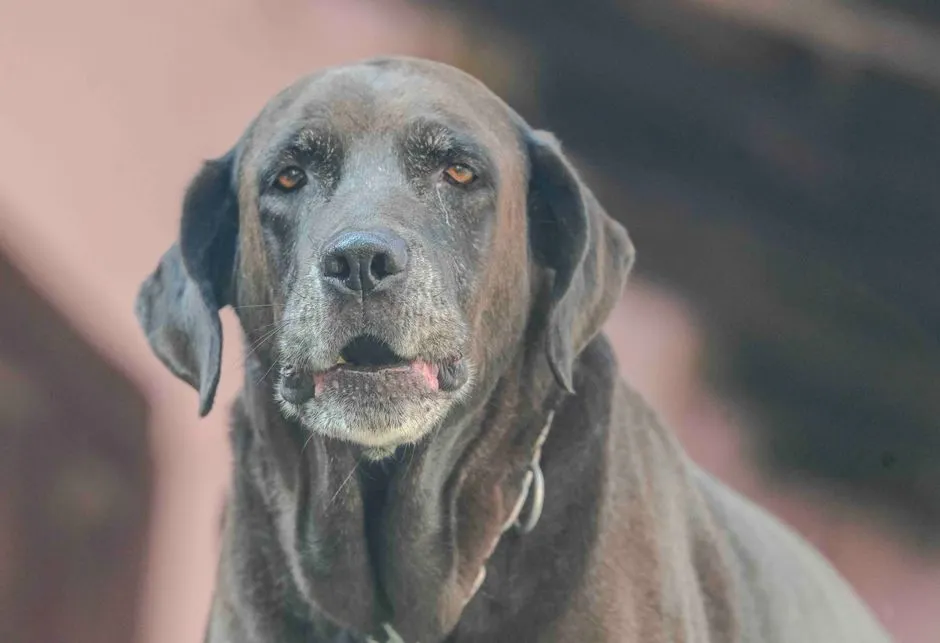
Muttville’s Seniors for Seniors Program operates on a simple premise: senior dogs and senior humans are a perfect match, and Muttville is committed to making that happen. Based in the Bay Area, Muttville is one of the most established senior dog rescue organizations in the country.
If you are 62 or older, Muttville waives the $250 adoption fee and also provides a welcome kit that includes a harness and collar, a leash, dog bowls, a starter supply of food and medication, a doggy bed, and, if needed, home modifications such as a doggy gate and stairs. That level of support goes well beyond a fee waiver. It reflects how seriously these organizations take the practical challenges of older adult pet ownership.
Animal Welfare Association in New Jersey
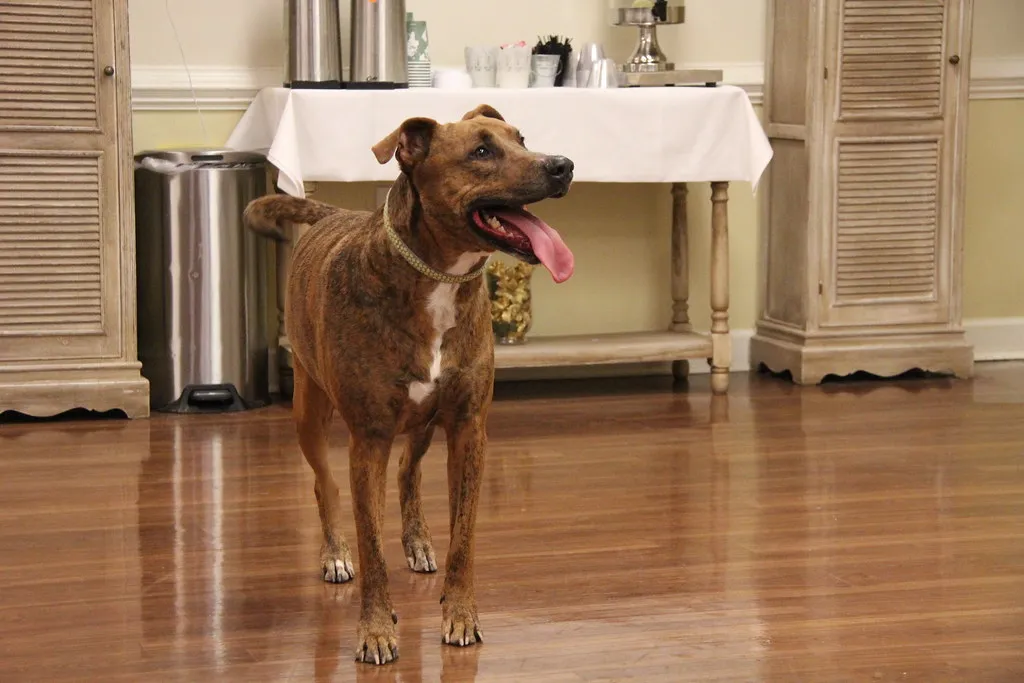
The Animal Welfare Association’s Seniors for Seniors program waives adoption fees to match certain senior pets with adopters aged 60 and older. The program operates in Camden County, New Jersey, and applies specific age thresholds for animals. Eligible animals include cats ages 6 and older, small dogs under 20 pounds ages 10 and older, and larger dogs ages 7 and older.
Those age ranges are deliberate. They ensure that the animals placed through the program are genuinely past their most energetic years, making the pairings more sustainable for older adopters. The Animal Welfare Association operates the oldest and largest low-cost pet clinic, adoption center, and no-kill animal shelter in South Jersey.
Salt Lake County Animal Services in Utah

Salt Lake County’s program asks a simple question: are you over 55 years of age? If so, the county can waive the adoption fee for you to adopt a pet over the age of 5. The age threshold here is notably lower than in many other programs, making it accessible to a wider range of older adults.
Many of the animals over 5 years old are just as goofy and lovable as a younger dog, and benefits of adopting an older dog include that most are housebroken, know basic commands, and are a bit calmer than they were as puppies. All adoptions through the program include a microchip, sterilization, and up-to-date vaccinations.
Dr. Jean’s Senior Friends at Santa Cruz SPCA
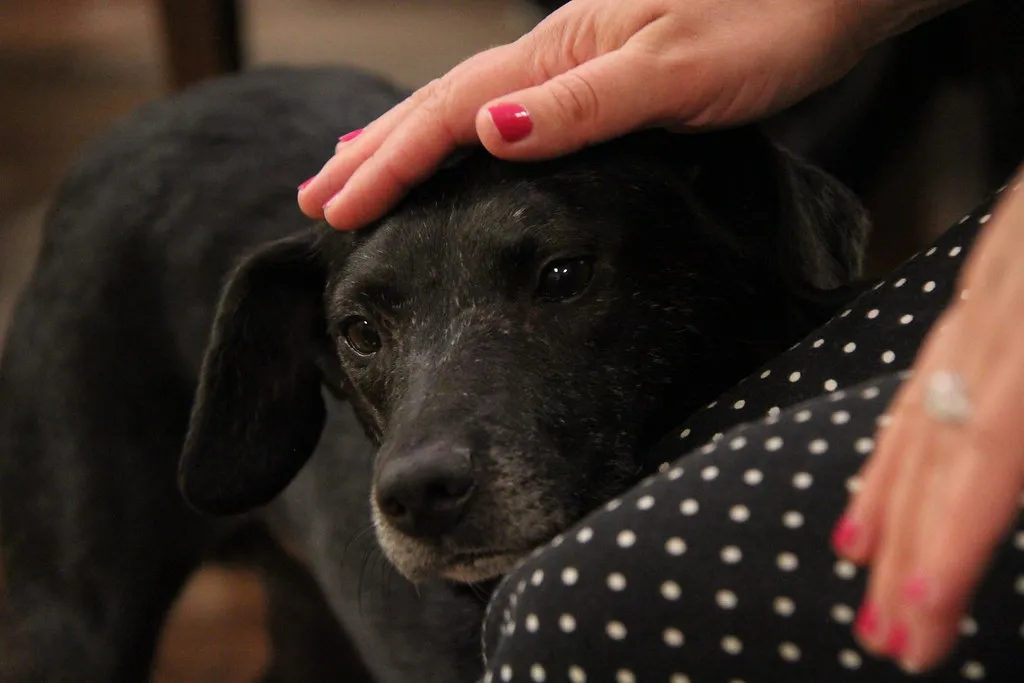
Dr. Jean’s Senior Friends is a Santa Cruz SPCA program that helps seniors aged 62 and older adopt senior pets and access affordable veterinary care, with qualified adopters paying no adoption fee when matched with a dog or cat aged six or older. What sets this program apart is what comes after the adoption.
The program also provides veterinary care assistance for senior pet owners living on a low or fixed income, including twice-yearly Wellness Day clinics and diagnostic and treatment grants of up to $1,000. For older adults worried about unexpected vet bills, that kind of safety net can make the difference between adopting and not adopting at all.
Humane Pennsylvania and Pasadena Humane’s November Campaigns

In celebration of National Adopt a Senior Pet Month, Humane Pennsylvania waived adoption fees for senior pets over the age of 8 at both the Lancaster and Reading adoption centers throughout the entire month of November 2024. These campaigns are not just marketing exercises. They represent genuine surges in placement activity.
In November 2025, Pasadena Humane announced that all adoption fees would be waived for pets aged five and older throughout the entire month, thanks to the sponsorship of the Mericos Foundation. All dogs and cats adopted from Pasadena Humane are spayed or neutered, microchipped, and have received age-appropriate vaccinations, and new adopters also receive a complimentary wellness exam with a partner veterinarian.
The Pets for the Elderly Foundation
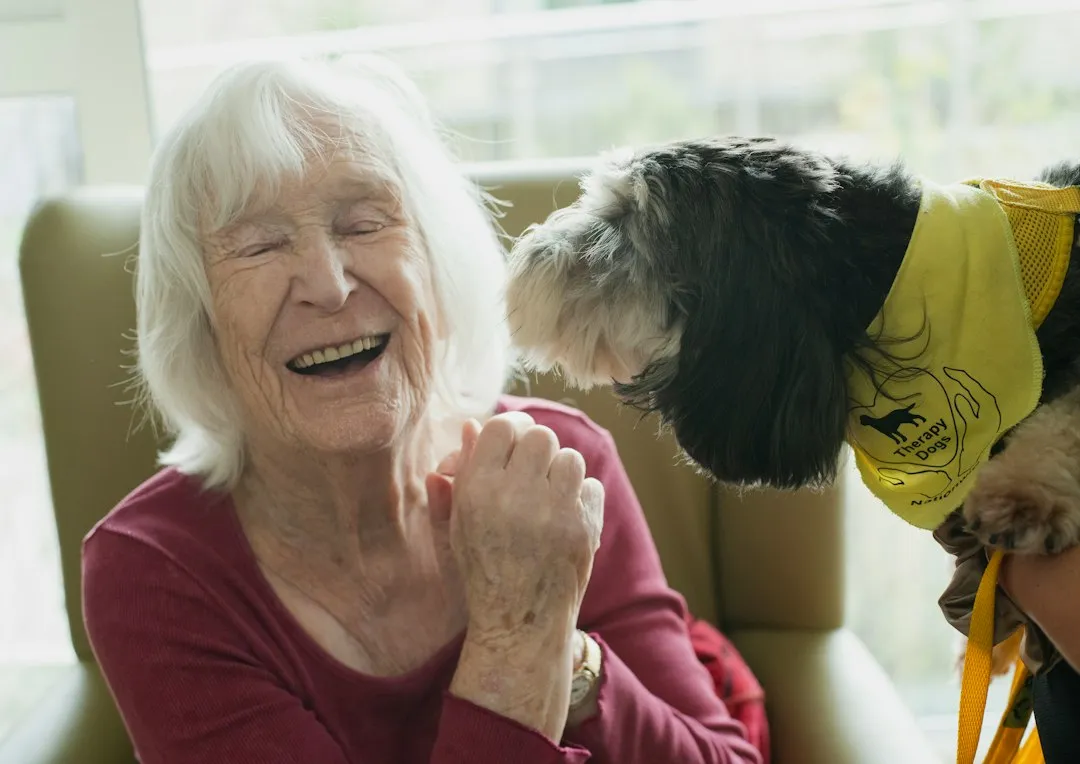
The Pets for the Elderly Foundation provides free pet assistance for elderly adults by paying the cost of a pet directly to participating animal shelters, covering fees for senior citizens age 60 and over who adopt a companion dog or cat, including pre-adoption veterinary exams and spay/neuter if part of the adoption fee.
The Pets for the Elderly Foundation website lists several research studies from institutions such as the Cleveland Clinic, Harvard Medical School, the Journal of American Heart Association, and The Gerontologist showing the direct and positive impact on health that owning and bonding with a pet can have on the elderly. The program operates through a network of participating shelters spread across the United States, making it one of the most geographically broad options available.
The Health Case Behind the Programs
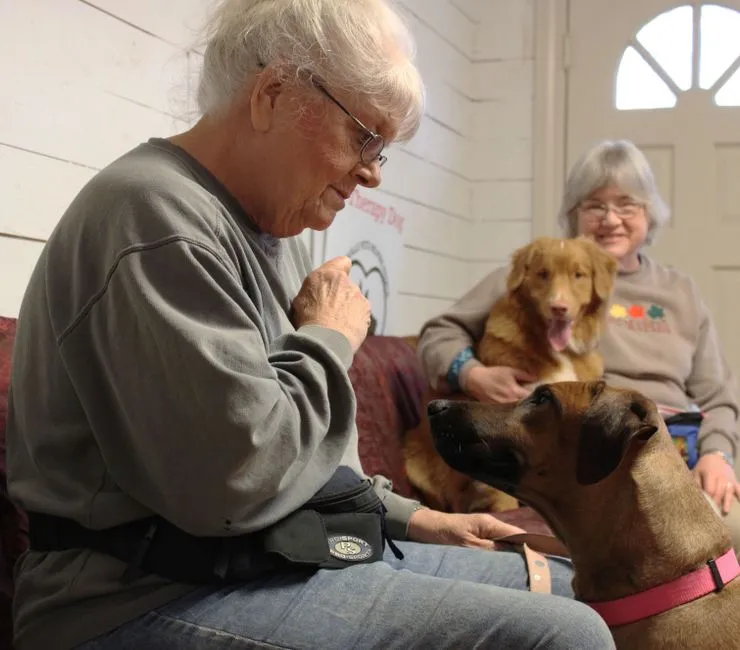
Research shows that older adults who interact with pets experience measurable health benefits, including lower blood pressure, reduced stress, greater social engagement, and a stronger sense of purpose. These are not trivial effects. For people managing chronic conditions or isolation, they can be genuinely life-altering.
The National Poll on Healthy Aging by the University of Michigan reports that older adults with pets not only benefit from boosts in emotional and physical health but also gain the ability to cope with physical and emotional symptoms, including pain. Interacting with a pet can help keep the brain engaged and may slow the progression of cognitive decline in older adults.
The Cost Barrier Programs Are Designed to Remove
The average adoption fees for cats and dogs range from $255 to $414. For an older adult on a fixed income, that is not a trivial amount. Nearly one in three pet lovers say adoption fees are a barrier to bringing a pet home. When that barrier intersects with limited retirement income, the result is that many older adults who would benefit most from a companion animal simply go without one.
Major US organizations like Best Friends Animal Society and the ASPCA have launched dedicated senior adoption campaigns, complete with reduced adoption fees for animals over seven and waived fees for those over twelve in some locations. The trend is unmistakably moving toward broader access, with more shelters recognizing that financial flexibility leads directly to more successful placements and fewer animals euthanized.
A Growing Trend With Real Momentum

Senior pet adoption surged 34 percent in 2024 to 2025, with dogs and cats over seven years old now accounting for nearly one in five shelter placements, up from one in thirty-five in 2022, according to the American Animal Shelter Association. That is a remarkable shift in a relatively short period of time.
The Best Friends Animal Society, America’s largest sanctuary, launched their “Second Act” campaign in late 2024, specifically promoting pets aged 7 and older. Social media, targeted campaigns, and fee-waiver programs are all contributing to changing attitudes. Older pets generally have calmer temperaments and lower exercise needs, making them an excellent match for many older adults, and that message is finally reaching the people who need to hear it most.
Finding a Program Near You

The landscape of senior-to-senior adoption programs is broader than most people realize. The San Diego Humane Society runs a free pet adoption program for seniors that waives adoption fees and provides a free vet visit. Pet Helpers in Charleston, South Carolina places senior cats and dogs aged eight and older with adults who are 60 and up through their Seniors for Seniors program.
AniMeals’ Seniors for Seniors Adoption program offers free pet adoption and pet care assistance including free home-delivered pet food, vet visits, and vaccinations for older adults. The best starting point for anyone searching is to contact local shelters directly, check with the Pets for the Elderly Foundation, or browse Petfinder’s platform, which introduced age-filter tools specifically to surface senior animals for prospective adopters.
The Takeaway
Senior pet adoption programs that waive fees for older adults are solving two problems with one practical solution. They move the most overlooked animals out of shelters and into homes where they are genuinely needed. The financial barrier, often just a few hundred dollars, turns out to be large enough to prevent matches that would have benefited everyone involved.
What these programs understand is that the right companion at the right time can reshape an older adult’s daily life. Calmer routines, more social interaction, a reason to get up in the morning. Research continues to show that companion animals may help reduce loneliness, encourage physical activity, and support emotional well-being, and while a pet is not a substitute for medical care or professional support, the right companion animal can make a meaningful difference in quality of life for many older adults. Sometimes a waived adoption fee is the most direct path to all of that.
AI Disclaimer: This article was created with the assistance of AI tools and reviewed by a human editor.