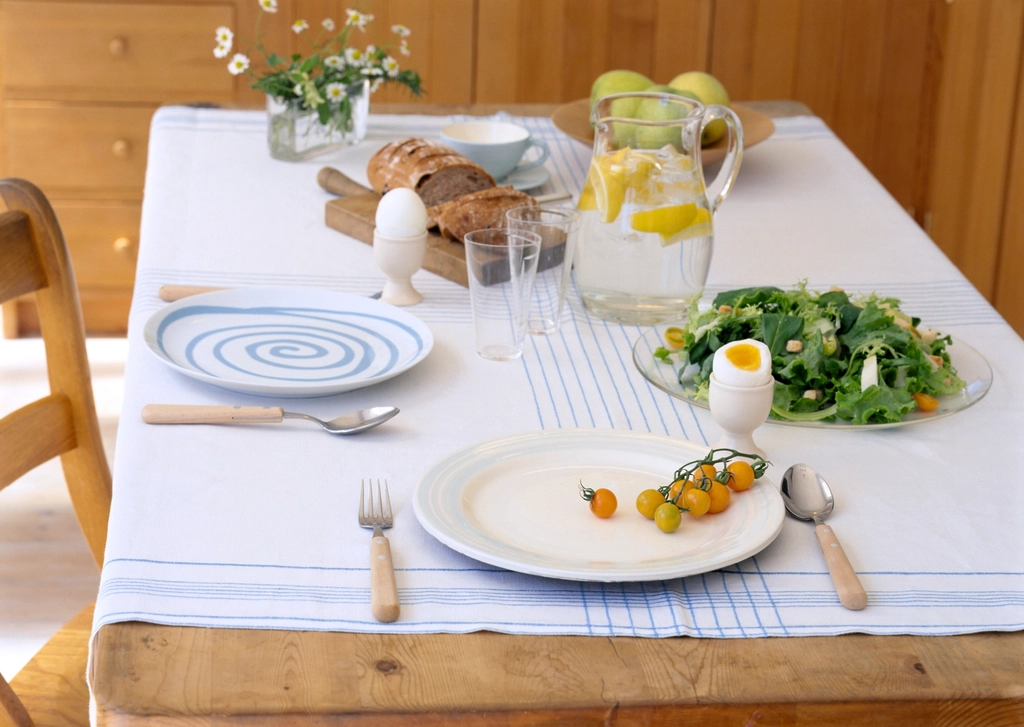

The Head of the Table: Where Authority Still Lives
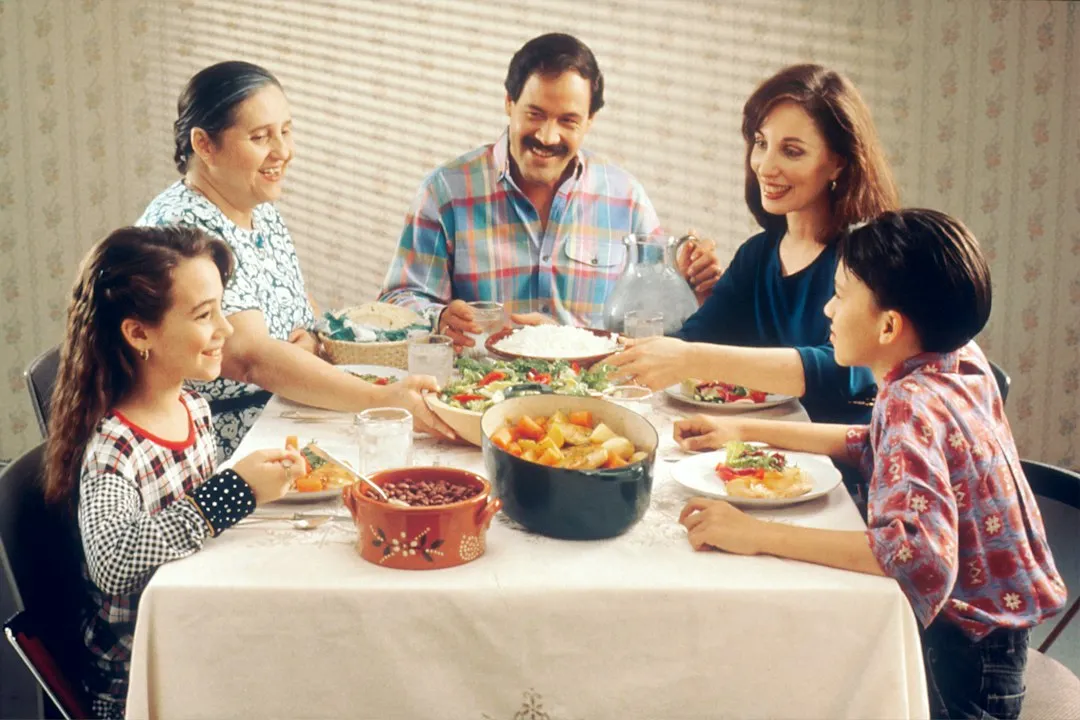
The seat at the head of the table represents the “power position,” which was traditionally reserved for the male head of household, though that dynamic has shifted considerably in recent decades. The association between that chair and authority is old and deeply wired into how families organize themselves at mealtime. Traditionally, the head of the table is reserved for the host or the eldest family member, and it symbolizes leadership, responsibility, and sometimes authority.
Sitting at the head of a rectangular table makes a person more likely to be seen as the leader, even if they’re not. When people rated photos of a group seated at a rectangular table, whoever sat at the head was rated as more of a leader, more persuasive, and more self-confident than the people along the sides. So even at the family dinner table, that chair carries real perceptual weight.
In many households, especially during holidays or large family dinners, the person at the head of the table sets the tone. If they are warm and open, the table feels safe. If they are tense or distracted, the mood shifts instantly.
The Back-to-the-Wall Seat: Safety Without Saying So
Research shows that respiration, heart rate, brainwave frequencies, and blood pressure rapidly increase when a person sits with their back to an open space, particularly where others are moving about. This is a deeply instinctual response, and it explains why one family member always gravitates toward the chair with their back against a wall or a corner.
It’s not a conscious decision rooted in self-awareness. It’s body intelligence. The person who always takes that particular spot probably couldn’t explain why they prefer it, but they’d notice immediately if someone else grabbed it first. Most families confirm the same thing: each family member sits in the same chair night after night.
The Closest Chair to the Kitchen: The Invisible Duty Seat
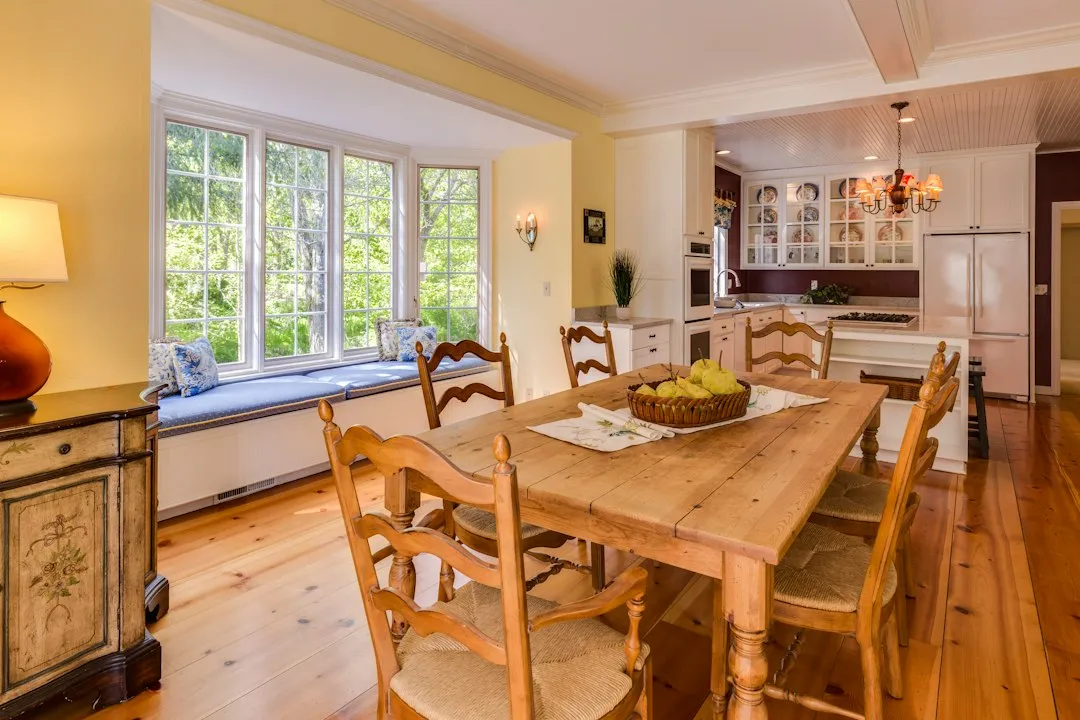
In some families, the girls sat on one side of the table, nearer the stove, so that they could spring up to get more food, while the boys sat on the far side. This kind of proximity-based seating isn’t just historical. It still happens today, often without anyone naming it. The person nearest the kitchen ends up refilling glasses, grabbing forgotten condiments, and fetching seconds.
What makes this seat interesting is that the person occupying it often doesn’t mind, at least not consciously. It becomes part of their role at the table, intertwined with how they see themselves in the family. Over years, the seat and the duty become inseparable. The chair itself starts to feel like a job title.
The Childhood Seat That Never Gets Renegotiated
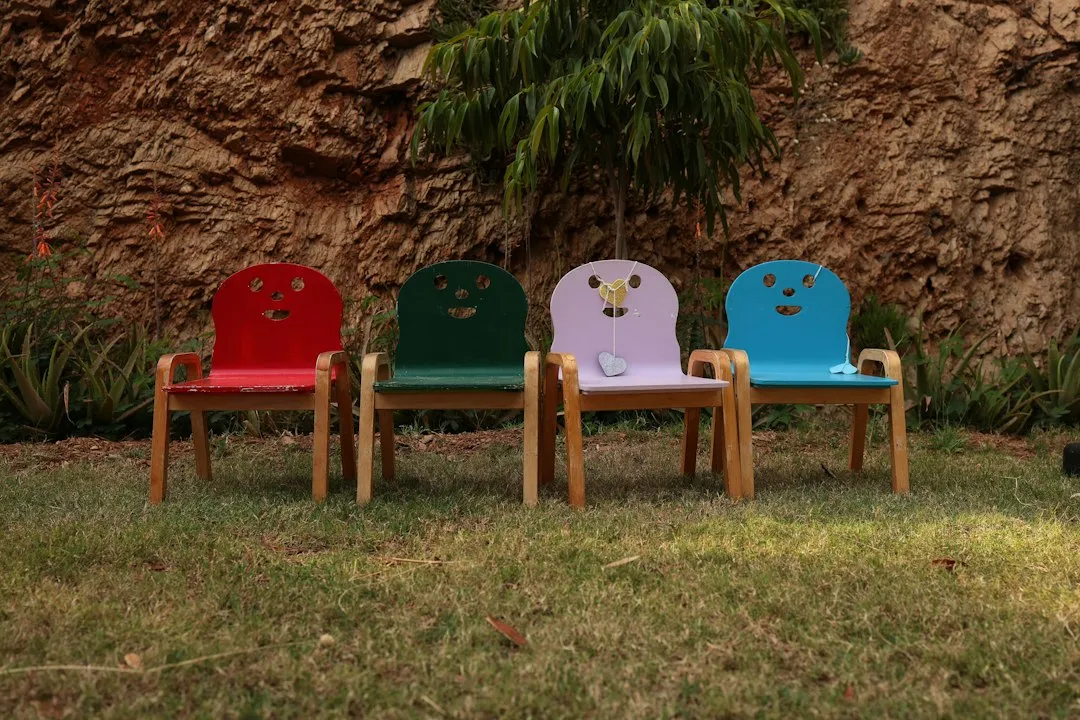
Sitting in your childhood chair at family dinners isn’t regression. Psychology says it’s the last piece of territory that was never taken from you. This is a genuinely striking idea when you sit with it for a moment. As adults, nearly every piece of physical space we occupy came with conditions: rent, earning it, being invited, or belonging to a group.
The childhood seat is one of the only spaces an adult occupies where the claim was established before they had any social or relational leverage to earn it. Family dynamics research published by the NIH describes the family system as a set of patterned interactions among relatives that tend to persist across time, spatial arrangements included, because they serve an organizing function for the group’s identity.
The chairs at the dinner table have a peculiar immunity to all of that renegotiation. Even when grown children return home for holidays, the original seating map snaps back into place within minutes. It’s almost reflexive.
The Middle Seat: Where Energy and Conversation Flow
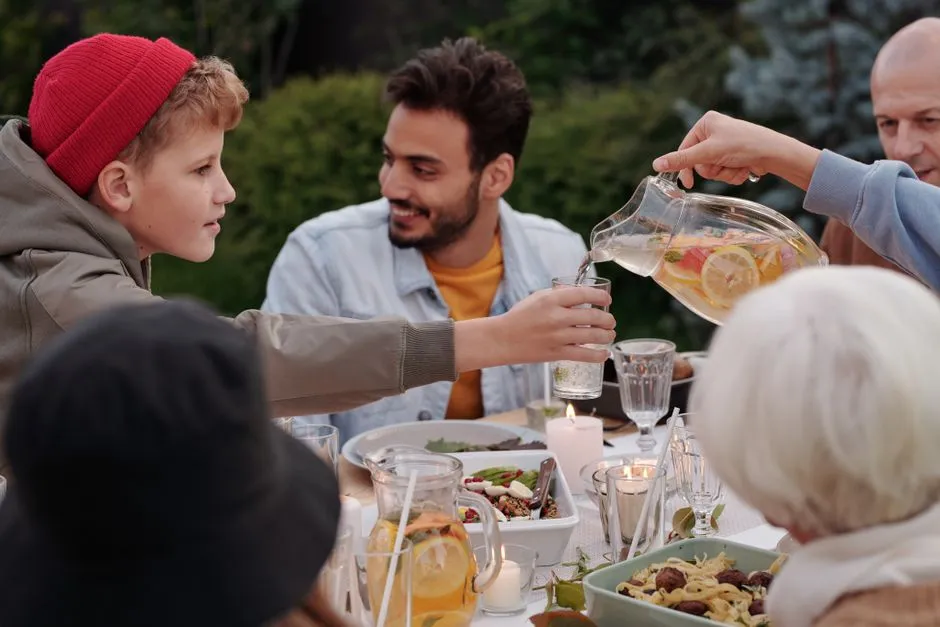
The middle of the table is where energy flows. It’s where conversations overlap. It’s where laughter travels back and forth. The person who naturally claims a middle seat is often the one who bridges different conversations, the family connector who keeps the energy moving across generations.
In big family meals, the middle seats often belong to the younger generation, the ones absorbing stories from both sides. There’s something to that. Kids and young adults in the middle are literally surrounded, pulled into the conversation from both directions. It shapes how they learn to listen and participate. The middle seat, without anyone intending it, becomes a kind of classroom.
The Corner Seat: The Introvert’s Refuge
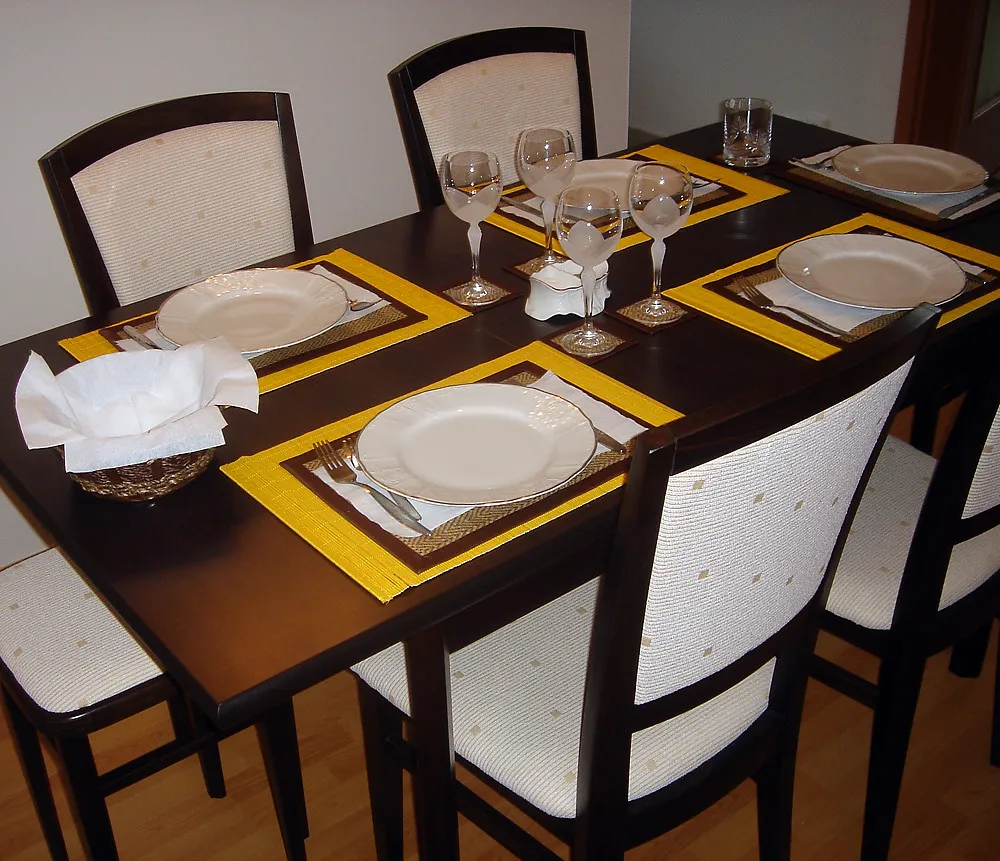
Placing the shyest, most introverted guest at the head of the table, furthest from the door with their back to a wall, creates a sense of comfort and security for them. At home, the introvert in the family tends to find this spot on their own. They don’t announce their preference; they just quietly occupy it every single night until it becomes theirs by default.
This seat often sits slightly apart from the main conversational current. It’s comfortable enough to participate, but positioned to observe rather than perform. For quieter family members, that distinction matters enormously. The corner seat says: I’m here, I’m present, but I get to decide how much I engage.
The Table Shape That Changes Everything
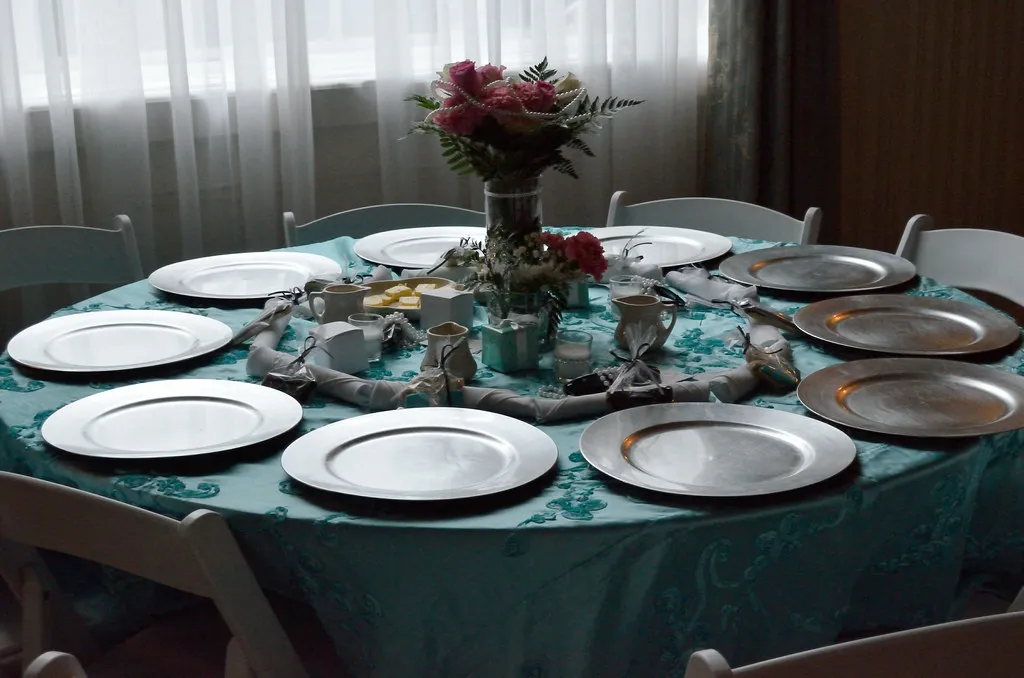
The shape of a family dining room table can give a clue to the power distribution in that family, assuming that the dining room could have accommodated a table of any shape and that the shape was selected after considerable thought. This is a detail most families never consciously consider, yet it plays out predictably across households everywhere.
A round table has no “head” and no “sides,” and therefore no one person sitting at it is given a privileged position, with all treated as equals. Round tables are great for conversation, since everyone is facing the middle and can easily see the others. There is no head of the table, so everyone feels equal. When a family chooses a rectangular table, they’re implicitly creating a hierarchy. When they choose round, they’re opting for something more democratic, whether they realize it or not.
The Seat No One Wants but Someone Always Takes
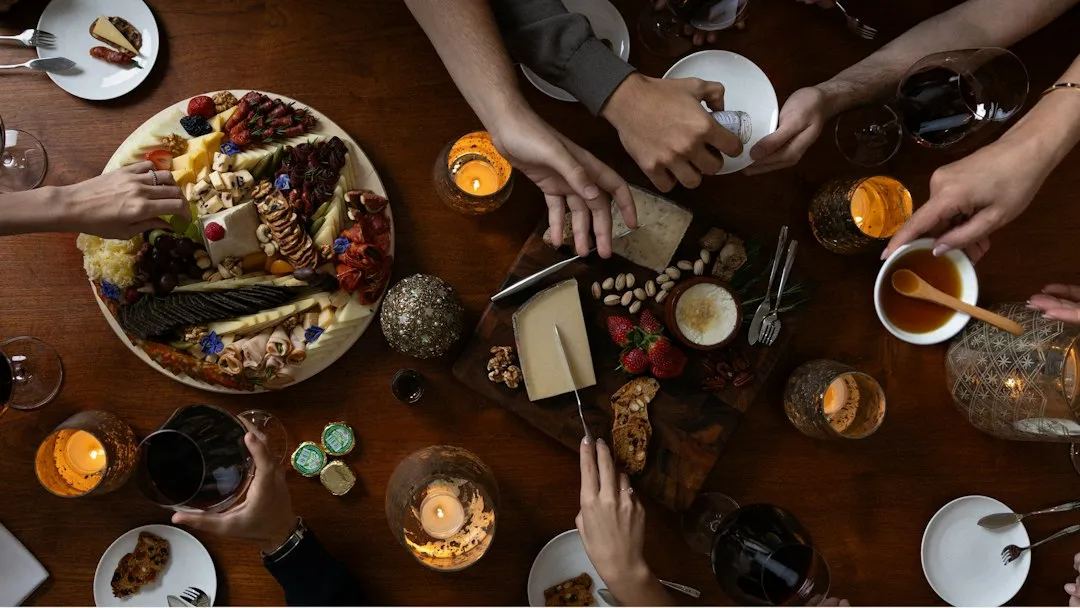
Every table has one. The chair with the wobbly leg, the one that faces away from the TV, the spot squeezed between the wall and a sibling who needs too much elbow room. Someone always ends up there, and somehow it’s always the same person. Usually they don’t complain, or they complain just enough that everyone knows it’s their seat anyway.
In family mealtime, parents create the setting in which the meal is conducted and bring to the table expectations for behavior. Beyond learning specific behaviors centered about dinner, children also learn the general roles, rules, and values of family living that coalesce in this setting. The person who consistently accepts the inconvenient seat is communicating something about their role in the family, often without realizing it. Accommodation becomes identity.
Seating, Closeness, and the Emotional Geography of the Table
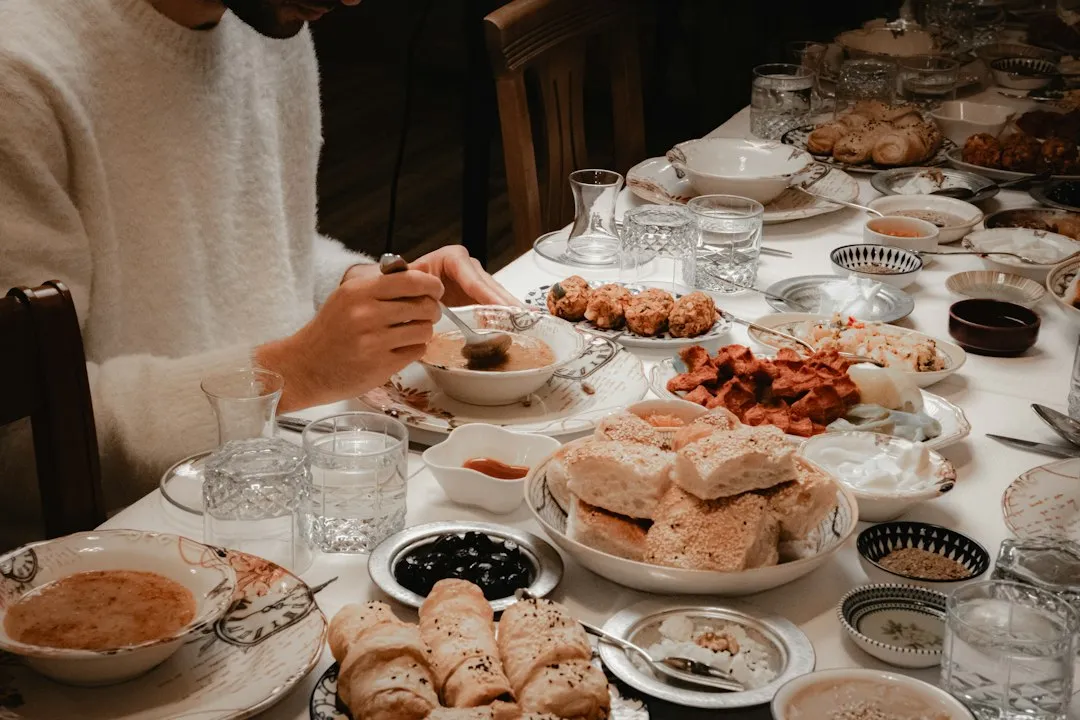
Our sense of emotional closeness can be keenly felt by the physical space between us at the table. Where family members choose to sit relative to each other is rarely random, even when it feels that way. Siblings who get along tend to cluster. Those with friction put a few seats between them. Parents anchor the arrangement. Children fill the space that’s left.
Sitting across from someone fosters better engagement, while side seating promotes more casual discussions. This subtle distinction plays out at family dinners constantly. The parent who wants to have a real conversation with a teenager often gravitates toward the seat directly across, while the casual catch-up between siblings happens more naturally side by side.
Our sense of emotional closeness can be keenly felt by the physical space between us at the table. Often a smaller table feels more conducive to easy conversation. Size matters as much as shape. A family that crowds around a smaller kitchen table is, in a real sense, choosing connection over comfort.
Why Family Meals Keep the Seat Map Alive
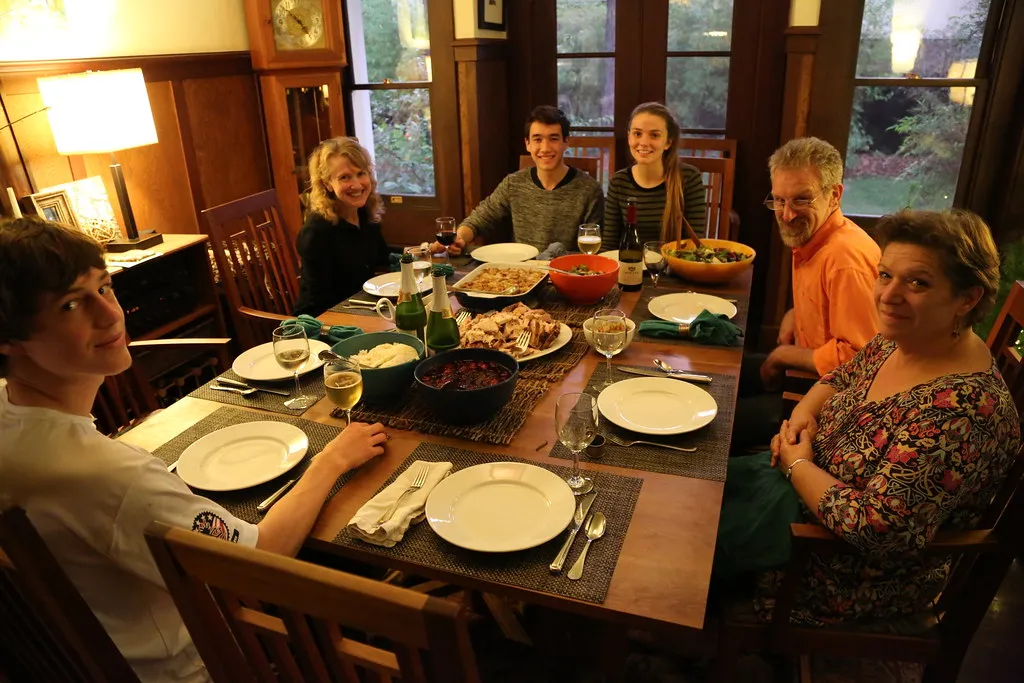
More than roughly four in five Americans are consuming the same or more family meals compared to the previous year, according to data released by the FMI Foundation. That means the nightly ritual around the table is very much still happening, which means so is the unspoken seating arrangement. More than half of those surveyed associate family meals with feelings of connectedness, including having conversations and more time spent together.
Nearly two thirds of people say sharing a meal reminds them of the value of connecting with others. The seat isn’t incidental to that feeling. It’s part of it. Knowing where you sit means knowing your place in the family, and that phrase carries warmth when it’s earned through years of showing up to the same chair.
Studies have linked a reduced frequency of family meals to negative health outcomes such as poor dietary habits, weight gain, and emotional distress. The reverse, then, holds real meaning: showing up to the table, in your usual spot, is a small but consistent act of belonging.
The Takeaway
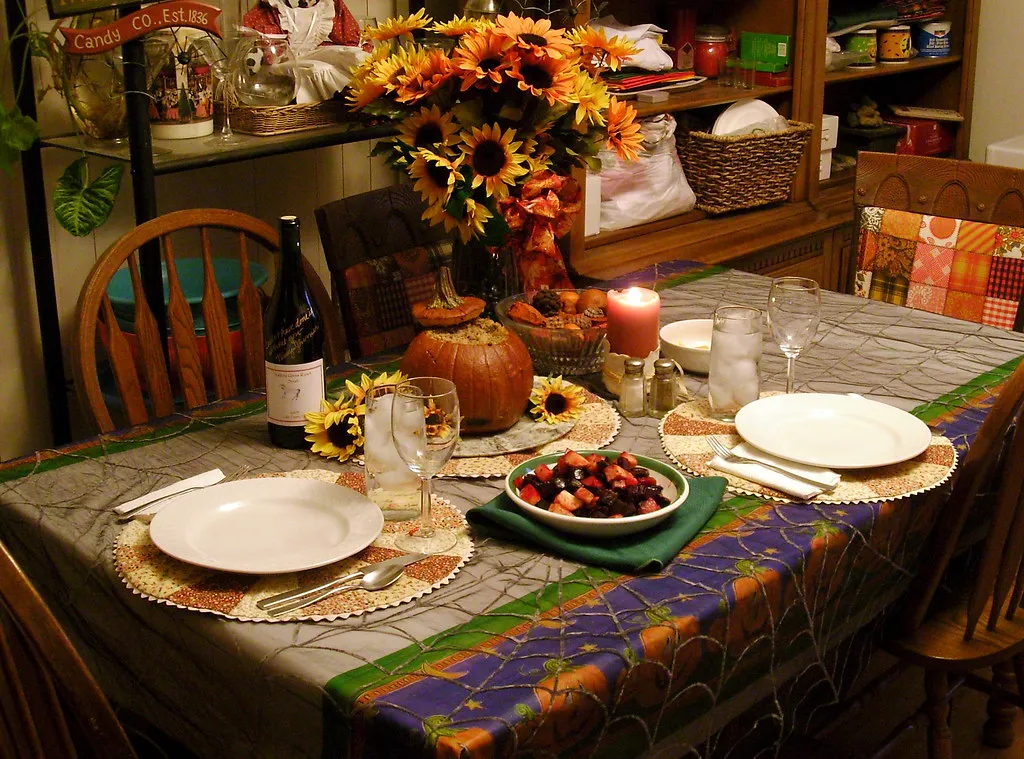
The dinner table seat nobody claimed out loud is the one everybody claims most fiercely. It happened gradually, through repetition and routine, through proximity and personality, through roles that got assigned before anyone was old enough to question them. The chair became yours the same way the family became yours: not through a decision, but through showing up.
What’s worth noticing is how much information lives in something as ordinary as where people sit. The family dinner table is, functionally, one of the only social environments where an adult’s spatial claim was established before the adult had any power. That makes it rare, and in its own quiet way, meaningful.
Next time you pull out your chair without thinking, consider for a moment why that’s your chair. The answer, if you trace it back far enough, says quite a bit about who you are in this particular group of people you call family.
AI Disclaimer: This article was created with the assistance of AI tools and reviewed by a human editor.