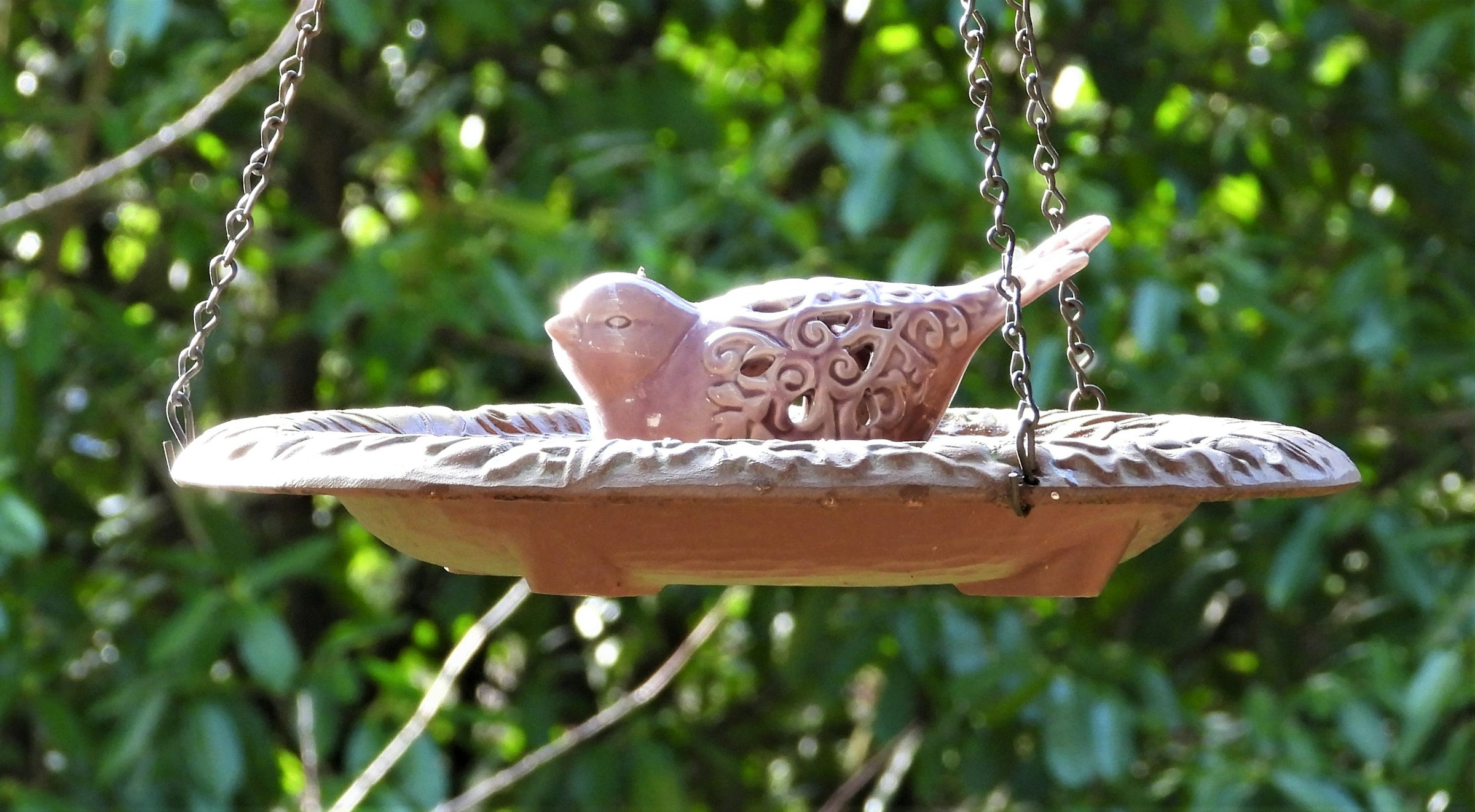

Most people don’t overthink the moment they choose a garden ornament. They spot something at a garden center, feel a pull toward it, and before long it’s sitting at the end of a path or tucked between the hostas. That instinct, though, rarely happens in a vacuum.
Researchers have argued that the garden holds a particular ability to allow for self-fashioning, becoming a vessel through which people engage with the discovery and creation of their own identities. What we place in that space tends to say more about us than we realize. Here’s what ten of the most common garden ornaments suggest about the people who choose them.
The Garden Gnome: You’re Comfortable Being Yourself

Garden gnomes have been named Britain’s biggest home obsession, topping a nationwide study by Tradefix Direct, with around 40,000 people searching for them online every month. That level of sustained interest isn’t pure nostalgia. Post-pandemic gardening brought a surge of people back outdoors, and many of them weren’t interested in minimalist, magazine-ready gardens. They wanted spaces that felt personal, a little playful, and genuinely theirs.
Gnome owners tend to be people who don’t particularly care whether their choices are fashionable. Etsy’s trend expert Dayna Isom Johnson noted that gnomes tap into the rise of nostalgic and vintage styles, while allowing shoppers to express their personalities. There’s also real historical depth here. The Gartenzwerge, or garden dwarfs, were modeled after ore-mining dwarfs in German folklore, and they’ve never really gone away. There are an estimated 25 million garden gnomes in Germany today, a country where gnomes have never once gone out of style.
The Classical Stone Statue: You Value Order and Tradition
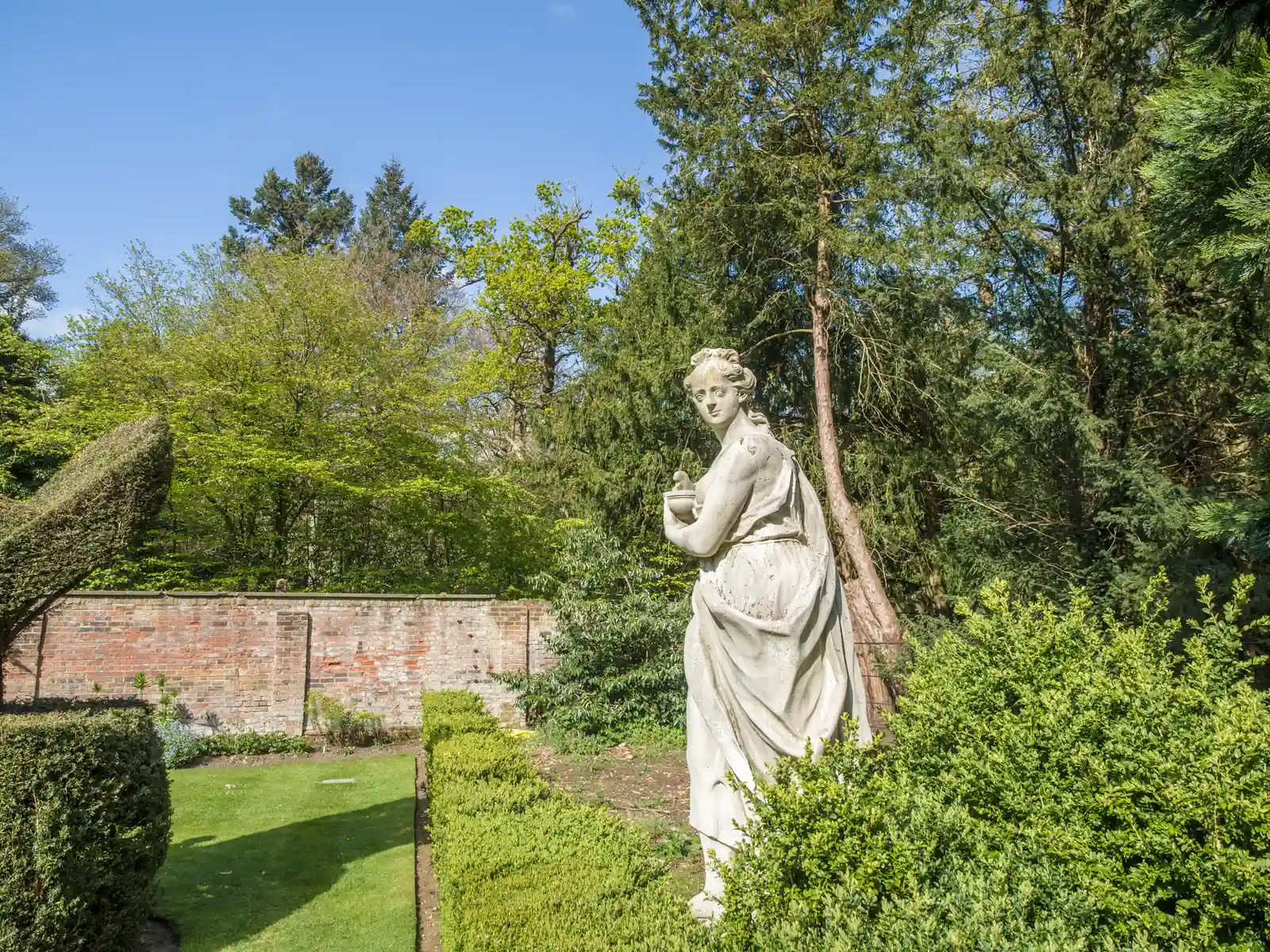
A clear relationship exists between human personality and architectural preferences, and formal, symmetrical design tends to attract people who are more conventional in their values and who place weight on social standing. A stone statue of a lion, a Greco-Roman figure, or a draped goddess at the end of a garden path sends a specific message: this garden is deliberate, considered, and rooted in something permanent.
Statues and sculptures can add a touch of elegance, whimsy, or intrigue to a garden, and placing a classic stone statue at the end of a garden path draws the eye and invites visitors to explore further. People drawn to classical statuary often have a deep sense of continuity. They’re not necessarily rigid, but they prefer their outdoor space to feel settled rather than experimental.
The Bird Bath: You’re a Quiet Observer Who Genuinely Cares
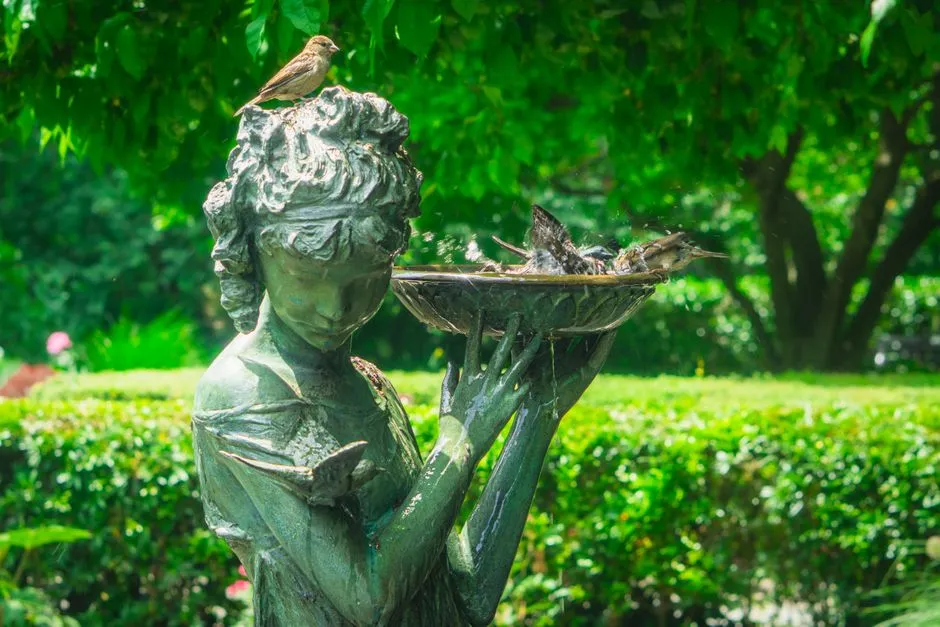
Bird baths are rarely chosen for pure aesthetics. Bird baths are not only decorative but also provide a vital water source for birds, and those who choose one typically select a style that complements the garden’s character, whether a classic pedestal, a modern basin, or a whimsical sculpture. The choice tells you something important: this person thinks about other living things, not just the visual appeal of their space.
People who prefer rich, layered environments tend to score high in openness to experience, one of the Big Five personality traits associated with creativity, curiosity, and comfort with complexity. Bird bath owners frequently overlap with this profile. They’re drawn to gardens that feel alive and in process, not frozen like a magazine shoot. Bird baths not only offer aesthetic charm but create lively focal points, attracting birds to frolic in the outdoor space and adding life and joy to the garden’s daily routine.
Wind Chimes: You’re Drawn to Atmosphere Over Appearance

Picking a wind chime says you care just as much about how your garden sounds as how it looks. Wind chimes and water features produce soothing sounds that contribute to the garden’s sensory experience. This isn’t a small thing. It suggests someone who wants their outdoor space to feel like a retreat, not just a display.
Wind chimes can add both sound and visual appeal to a garden, with colorful chimes made from bamboo, glass, or metal creating a playful atmosphere. They not only produce soothing sounds but also catch the light beautifully, making a garden feel alive and vibrant. People who choose wind chimes tend to be sensory and intuitive, more interested in how a space makes them feel than in whether it photographs well. These elements provide a sensory experience while promoting relaxation, designed with harmony and rejuvenation at the forefront.
Mosaic Art Pieces: You’re a Creative Who Puts in the Work

Mosaic art is a fun way to add color and creativity to the garden, using colorful tiles, stones, or broken ceramics for stepping stones, bird baths, or wall art. Each piece can tell a story, making a garden feel unique and personal. Someone who places mosaic art in their garden has usually either made it themselves or hunted carefully for it. Either way, the investment signals real commitment.
This kind of ornament tends to reflect someone who values craft and finds satisfaction in process, not just outcome. They’re the type who notices texture and color combination, who might also paint, make jewelry, or obsessively rearrange their bookshelves by color. Adding artwork to a garden is a great way to express personality and create a unique personal style, and selecting pieces that reflect style and interests gives outdoor spaces real character.
The Rustic or Reclaimed Object: You Lean Toward Authenticity
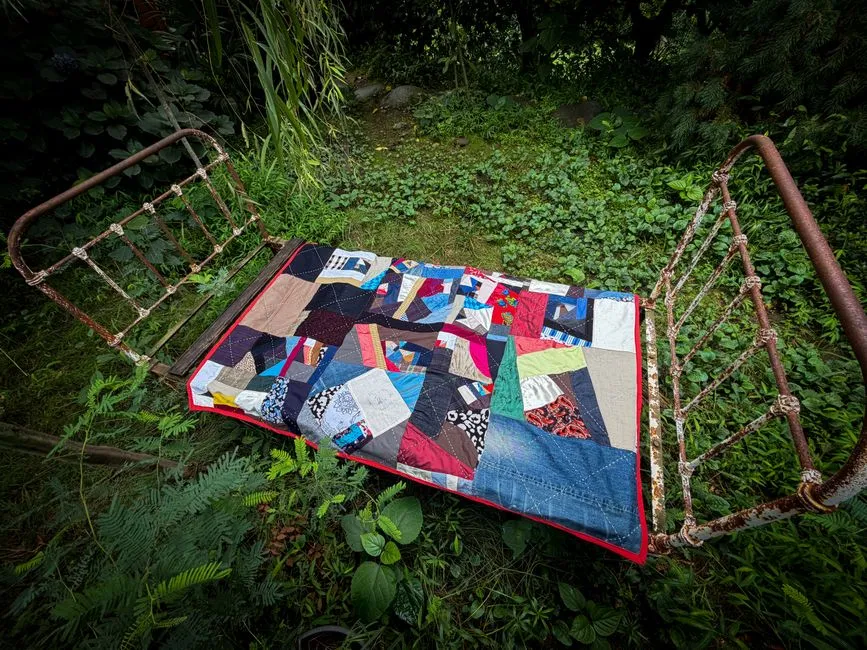
Old watering cans repurposed as planters, rusted iron wheels propped against a wall, or salvaged wooden signage placed near a vegetable patch, these choices belong to a recognizable type. They’re not anti-style; they’re just allergic to anything that feels manufactured or pretentious.
Gardens function as “embodied spaces, as places with personalities that are structured by the actions of its inhabitants, and that in turn act on their lives.” The person who leans into reclaimed and rustic objects usually wants their garden to feel like it has a history, even if they made it up themselves. There’s warmth and unpretentiousness in that impulse, and usually a strong streak of independence.
Animal Sculptures (Foxes, Rabbits, Hedgehogs): You’re Sentimental in the Best Way

Cast iron foxes, ceramic rabbits tucked under a fern, concrete hedgehogs near the shed wall. These ornaments tend to cluster in gardens where the owner has a genuine affection for the natural world and a mild resistance to things feeling too serious or grown-up. They’re often associated with people who also buy wildflower seed mixes, leave piles of leaves for insects, and maintain a note somewhere of which birds they’ve spotted this year.
A 2024 survey from Homegrown National Park, drawing from over 1,400 responses, showed that a large number of gardeners are taking meaningful steps to support biodiversity, often in more than one way. People who choose animal ornaments often belong to this group. The figurine is a small declaration of loyalty to the natural world, even if the actual hedgehog population in their garden is zero.
Water Features and Fountains: You Seek Calm and Some Prestige
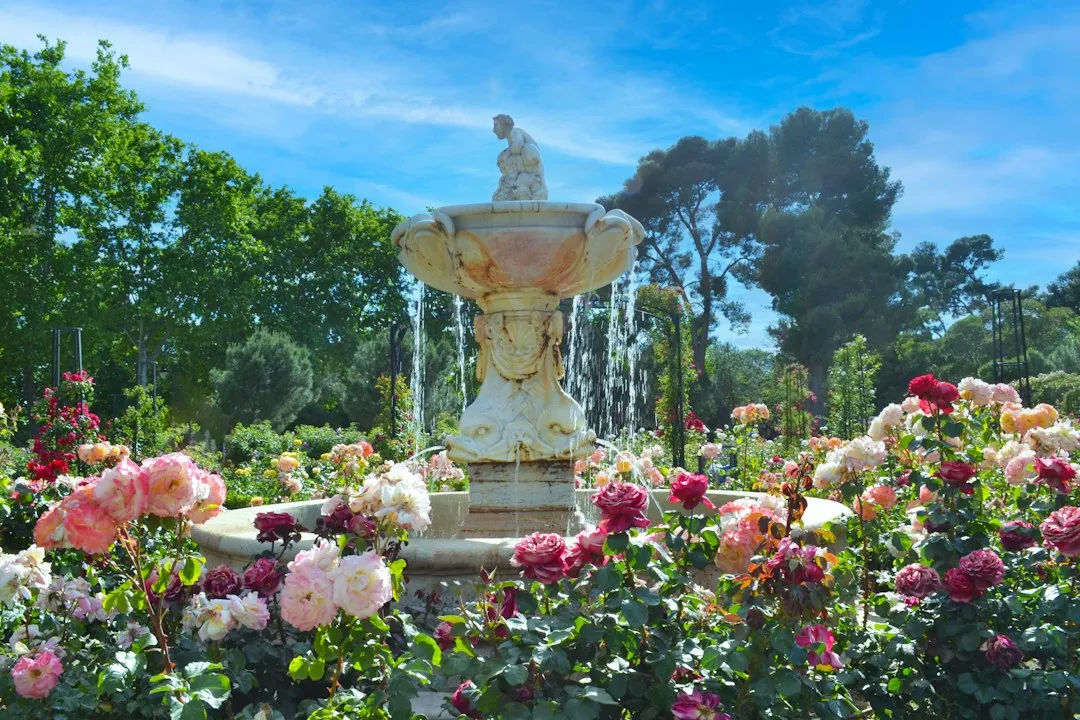
A fountain takes real commitment: installation, upkeep, the occasional moss removal. People who invest in one tend to be looking for something specific, usually a garden that feels quieter and more expansive than its size would suggest. Scientific evidence confirms that just being in nature has positive impacts on stress levels and brain chemistry, and can lower blood pressure, increase concentration, and improve mood.
Fountains aren’t subtle choices, though. They occupy space and cost money, and the person who chooses one often has a clear vision of what they want their outdoor space to project. Wellness gardens have been rising as a trend alongside a huge growth in gardening culture. In a world that often feels fast-paced and chaotic, these spaces offer a serene environment where individuals can reconnect with nature. Fountain owners often belong firmly to this camp: they want their garden to do real emotional work for them.
Personalized Memorial Ornaments: You Hold On to People

Engraved stones, memorial plaques, personally inscribed wind chimes placed in memory of someone. These are among the most honest ornaments anyone puts in a garden. A memorial statue serves as a moving focal point in a memorial garden, and selecting a statue that represents a person’s interests, passions, or personality attributes makes the tribute deeply specific.
Wind chimes hung where they catch the breeze serve as personalized memorial touches. Personalized wind chimes not only enhance the garden’s auditory landscape but also serve as a touching reminder of a person’s presence and spirit. People who do this aren’t trying to perform grief for anyone’s benefit. They simply don’t want their garden to be a space that forgets. That’s a particular kind of emotional depth that ornament reveals clearly.
Minimal or No Ornaments: You Let the Plants Do the Talking
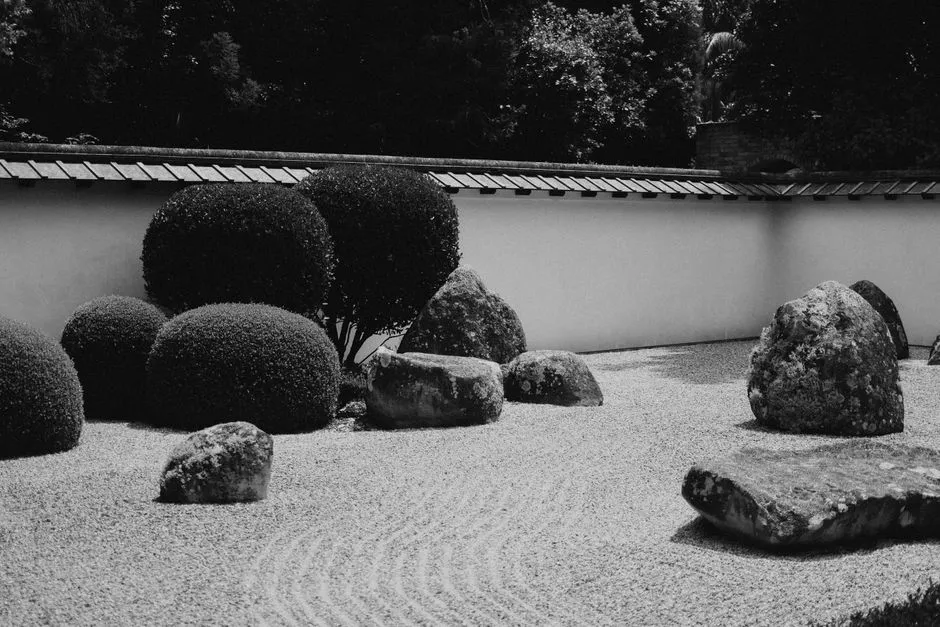
The deliberate absence of garden ornaments is itself a statement. Gardens with clean lines, well-spaced planting, and no decorative objects at all tend to belong to people who find clutter stressful, who prefer their choices to be legible and intentional, and who may have a quietly strong aesthetic opinion they’d never actually announce aloud.
Gardening trends and socio-economic factors influence and change garden identities, and research suggests homeowners may be judged by their garden design, though it remains unclear how that external judgement actually shapes decisions over time. People with ornament-free gardens are often the most aware of this dynamic. They’ve made peace with a garden that reveals restraint rather than enthusiasm, and they tend to be confident enough in that choice not to second-guess it. Reviewed studies have reported an overall positive impact of gardening activities on measures of mental well-being and quality of life, regardless of how many objects you place in the space.
The Garden as an Honest Mirror
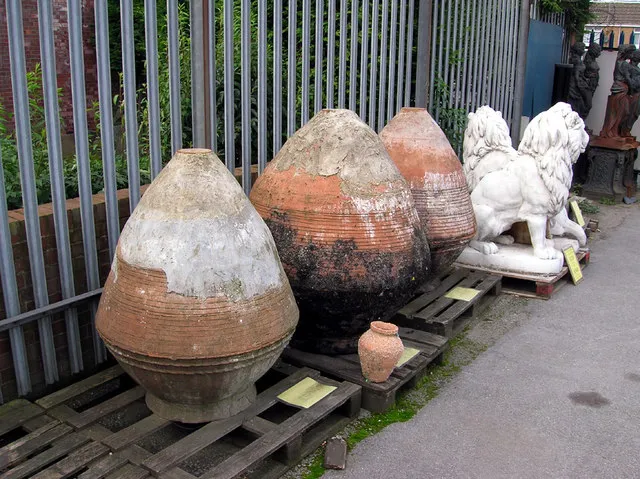
None of these patterns are absolute. People contain contradictions, and a garden with a stone lion, three gnomes, and a DIY mosaic stepping stone is entirely possible, perhaps even likely. The interesting thing is that the mix itself tells a story.
A University at Buffalo study published in 2024 found that residents negotiate their relationship with passersby and public space through the way they inhabit and adapt the public-private interface in front of their homes. Garden ornaments are part of that negotiation. There is an enormous body of evidence that engaging in activities with plants and gardening provides psychological health and well-being benefits, including less stress and greater positive affect. What you place in your garden is both a decoration and a small act of self-definition. Most of the time, the ornament you pick says less about taste and more about what you quietly value when no one’s asking.
AI Disclaimer: This article was created with the assistance of AI tools and reviewed by a human editor.