
Nevada is putting $800,000 toward buying food from in-state growers for distribution through the state’s food banks, according to a Nevada Department of Agriculture call for applications reported by ([1]). The money supports Home Feeds Nevada, a state purchasing program that has already shown how a steady buyer can change a small farm’s season. For producers who have struggled to find reliable outlets, the opportunity matters as much as the dollar figure.
A program that started with a single delivery
The program has been around since the 2021 legislative session. It facilitates the purchase of fresh food by the Nevada Department of Agriculture from local producers for distribution at food banks throughout the state. ([2])Its reach has grown from modest beginnings. Its first order was 600 pounds of tomatoes from Blue Lizard Farm to Three Square food bank in Southern Nevada ([3]).
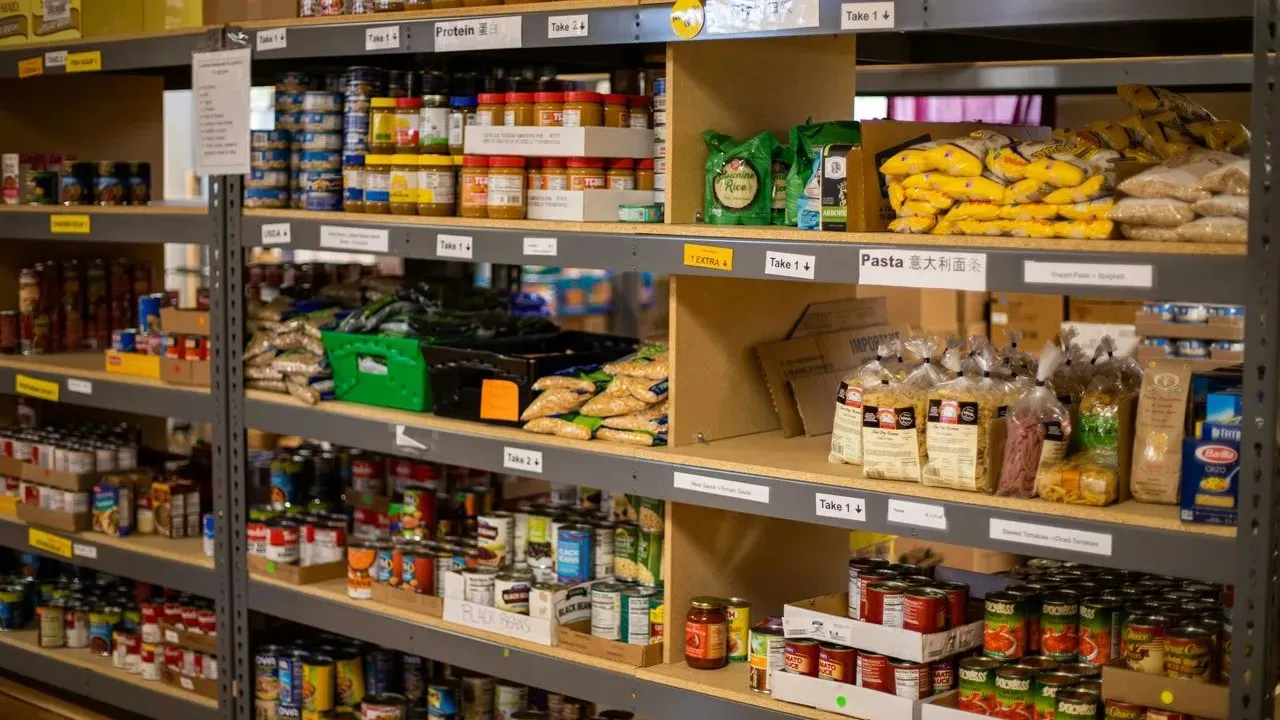
Two food banks have been the main buyers. The program supplies the state’s two major food banks, Three Square Food Bank in Southern Nevada and the Food Bank of Northern Nevada ([4]). Food bank leaders have said the arrangement brings in items they often cannot source elsewhere. Home Feeds Nevada gives food banks access to locally sourced agricultural goods they can’t get elsewhere, including fresh produce, high quality meats, and dairy. ([5])
A funding gap that put the program at risk
The program’s stability came under pressure in 2025. The Trump administration canceled two federal initiatives that had let states buy fresh food from local farmers for schools and food banks. ([6])The Nevada Department of Agriculture said the terminated funds totaled more than $8 million. Its remaining balance was far smaller. The department had approximately $139,000 in remaining award funding, expected to be depleted by June 30, 2025.
The loss was significant for the program’s budget. The state had expected federal support for the program, including $3,922,801 to continue the Home Feeds Nevada (HFN) initiative. The department’s administrator warned that without new money, the program would stop operating. The table below summarizes the figures reported in coverage and state records.
| Item | Amount |
|---|---|
| Federal funding expected to continue Home Feeds Nevada | $3,922,801 |
| Remaining award funding before June 30, 2025 | About $139,000 |
| State appropriation sought under Senate Bill 233 | About $800,000 over two years |
| Annual cost of administering the program, as described by the department | North of $2.5 million |
Lawmakers step in with state dollars
The state moved to fill part of the gap. Senator Fabian Doñate, a Las Vegas Democrat, amended Senate Bill 233 to include an additional $800,000 in funding for Home Feeds Nevada. The bill began as a request for a study on long-term funding, and the amendment turned it into a direct appropriation. Governor Joe Lombardo signed the measure into law, and it drew bipartisan support.
The state money is far smaller than the federal support it replaces. Officials and advocates have described the appropriation as a stopgap while longer-term options are studied. ([7])Food bank leaders welcomed the decision. Beth Martino, chief executive of Three Square, said that in a really difficult budget year, the legislature and the governor were able to find funding for it.
What the opportunity means for growers
For farmers and food producers, the program’s value has been predictability. Sales through the program give growers a buyer they can plan around, which can make it easier to commit to a larger crop. Program administrators said that the program currently works with roughly 18–20 in-state producers, with about 10 additional producers waiting if more funding were available. That waiting list suggests demand exists beyond the current group of suppliers.
Doñate has framed the program in terms of stability. “Many of these farms need a level of structure and stability and that’s what the Home Feeds Nevada program was able to establish,” Doñate said. ([8])For many small operations, a guaranteed outlet can matter as much as the price paid.
A modest sum with a clear purpose
The $800,000 will not replace the federal dollars that once flowed through the program, and the state’s own budget remains tight. Still, the funding gives Nevada a way to keep local food moving into food banks while lawmakers weigh longer-term solutions. For growers, the program offers a rare chance to sell to a state-backed buyer. For families who rely on food banks, it means fresh produce and proteins grown closer to home.
AI Disclaimer: This article was created with the assistance of AI tools and reviewed by a human editor.