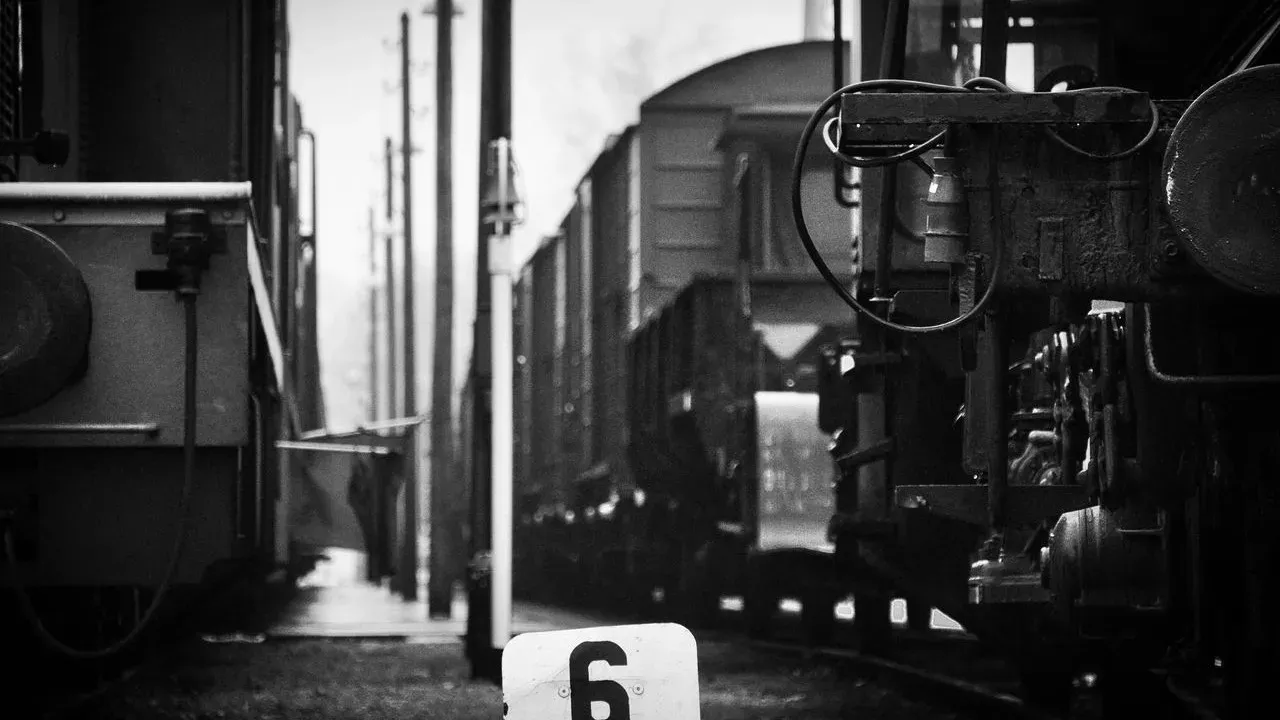

Federal prosecutors in Los Angeles have accused 14 people of running a cargo theft conspiracy that targeted freight trains across Southern California. The Justice Department announced the charges on Thursday, describing a scheme that allegedly lasted about two and a half years. The case is built on allegations, and none of the defendants has been convicted. According to the ([1])report that first covered the announcement, prosecutors say the stolen goods were worth more than $22.5 million.
How the alleged operation worked
The crew allegedly targeted “high-value trains” and forced them to stop on the tracks by cutting air hoses, according to the indictment. Prosecutors say the stops gave the crew a window to break into freight cars while the trains sat idle near the tracks.
The indictment says the group worked from a fixed playbook. Members of the crew used trucks and vans to transport burglars to railroad tracks, where they boarded freight trains and prepared to steal cargo. Investigators say the stolen merchandise was then moved to what the Justice Department called stash houses, including the homes of three suspects.
Prosecutors describe the targets as shipments tied to the region’s busiest freight corridors. Angel identified trains carrying high-value merchandise, particularly Nike sneakers arriving through the Ports of Los Angeles and Long Beach on their way to destinations across the country. The burglaries were reportedly concentrated in places such as Pico Rivera and Fullerton.
Who is charged and where the goods allegedly went
The indictment names a family at the center of the case. The crew was allegedly led by 21-year-old Nathan Angel, who, along with his father and two uncles, are among those indicted, according to prosecutors. Other defendants face counts tied to selling the goods rather than stealing them.
Those sales form a separate thread in the case. One unidentified company allegedly paid $1,081,493 for thousands of pairs of stolen Nike sneakers and other stolen items from May 2025 to October 2025, according to the indictment. Prosecutors have not publicly named that business. They say it was identified in the indictment only as “Company 1,” and was not an authorized Nike reseller.
Key allegations in the indictment:
- Roughly $22.5 million in merchandise, including Nike and Hoka sneakers, Milwaukee tools and JBL electronics
- At least 36 freight trains burglarized across Southern California
- Charges including conspiracy, theft of interstate railroad cargo and violence against railroad carriers
- Activity alleged between February 2024 and August 2026
A wider pattern in western rail theft
The case is not the first time sneaker shipments have drawn attention from investigators in the West. Earlier this year, authorities were investigating at least 10 similar robberies connected to freight trains in the Mojave Desert region. Those cases also focused on Nike shoes, which made the sneakers a recurring target across state lines.
Federal officials have also warned about the danger of the method. In a statement, the Justice Department said that criminal groups that steal from trains have used the technique of cutting air hoses to control where trains with valuable cargo come to a stop. The department added that “This act is very dangerous and can cause the trains, which travel up to 70 miles per hour, to derail.”
What prosecutors say the group posted and shared
Prosecutors also point to the group’s own communications, which they say help document the scheme. Prosecutors allege that Angel coordinated the sale of the merchandise, sending photographs of stolen Nike sneakers and other products to associates, sometimes while the train burglaries were still underway. Investigators say the photos and messages formed a large part of the evidence in the indictment.
U.S. Attorney’s Office officials framed the scale of the thefts in blunt terms. “The scale of the theft is staggering,” First Assistant United States Attorney Bill Essayli said in a statement. Defense attorneys have not yet been publicly identified for every defendant, and the allegations will now be tested in court.
For shoppers and shippers, the case is a reminder that high-value freight can become a target long before it reaches a store shelf. For the defendants, the presumption of innocence remains in place unless the charges are proven. The next court proceedings will determine how much of the prosecution’s account holds up.
AI Disclaimer: This article was created with the assistance of AI tools and reviewed by a human editor.