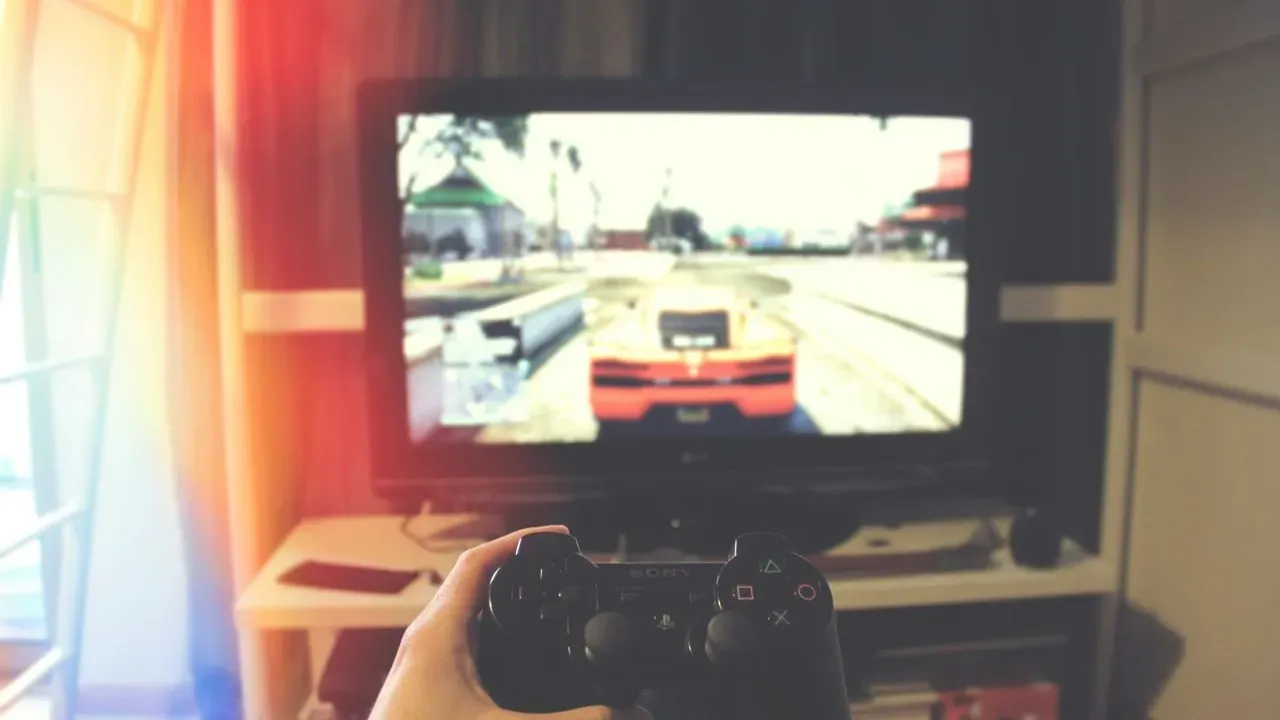

Grand Theft Auto VI reached players on November 19, 2026, and many fans have already planned long weekend sessions with the game. ([1])The release followed years of delays, and Rockstar Games confirmed the date publicly well before launch. Against that backdrop, health professionals are asking players to think about what hours of nonstop play might do to their minds and bodies.
Why the reward loop is hard to leave
Anthony Youn, a health expert quoted in coverage of the launch, says the game can set off repeated bursts of dopamine, the brain chemical tied to motivation and reward. He describes the cycle as “really a dopamine feedback loop.” A good moment in the game produces a pleasant jolt, and the player often decides to stop after one more mission. Before that pause arrives, another reward tends to appear, and the evening slips away.
Dr. Steve Allder, a consultant neurologist, offers a similar explanation. He notes that dopamine signaling rises when a player reaches a goal or receives an unexpected prize, which reinforces the behavior and encourages another session. ([2])Allder adds that the reward cycle can begin even before a player picks up the controller, since anticipation alone is enough to trigger it.
What long sessions can do to the body
Youn’s concerns are not limited to the brain. He says that spending hours seated can lead to back, neck, and shoulder pain, and he argues that prolonged sessions may carry more serious health consequences. Those warnings echo guidance from the Mayo Clinic, which links eight or more hours in front of a screen to neck and back pain, repetitive-motion injuries, and digital eye strain. ([3])
A separate breakdown from a hormone health consultant describes how an eight-hour session can shift a player’s physical state. Mike Kocsis says the initial excitement can give way to a state of focus in which time seems to pass quickly, making it harder to notice when a break is due. ([4])Hours without food or water can also drain energy, and mental fatigue can reduce concentration over a long day.
What remains uncertain
The science is not settled, and experts are careful about how far they go. Allder says that rapid stimulation may make slower, less exciting activities feel dull, yet he also notes that evidence that gaming causes lasting attention problems is not conclusive. He places the main concern on the amount of time spent playing and whether gaming begins to interfere with everyday life. He also says that in some people, repeated exposure to highly rewarding experiences may contribute to compulsive patterns, which makes stopping more difficult.
Youn rejected a common fear as well. He dismissed the idea that playing the game for days on end would turn someone into a violent criminal. The more measured view from these experts is that the risks depend on how a session affects sleep, posture, meals, and responsibilities.
Signs to watch and simple habits to try
A psychotheraper quoted in the launch coverage, Jonathan Alpert, suggests judging a person’s habits by their wider effects. He says the impact on relationships, work, school, family life, health, and finances can show when gaming has become a problem. He also recommends taking at least five minutes each hour to stand, walk, or stretch. ([3])
- Set a stopping point before starting, rather than waiting for a natural pause.
- Take short movement breaks each hour to ease neck, back, and eye strain.
- Protect sleep, since missed rest can worsen mood and concentration.
- Notice whether gaming starts crowding out work, school, or time with others.
The launch has given many players a reason to stay up late, and the warnings do not suggest that a single weekend will cause lasting harm. The more useful question is whether the game still feels like a choice a few hours later. For most players, that check-in may matter more than any headline about dopamine.
AI Disclaimer: This article was created with the assistance of AI tools and reviewed by a human editor.