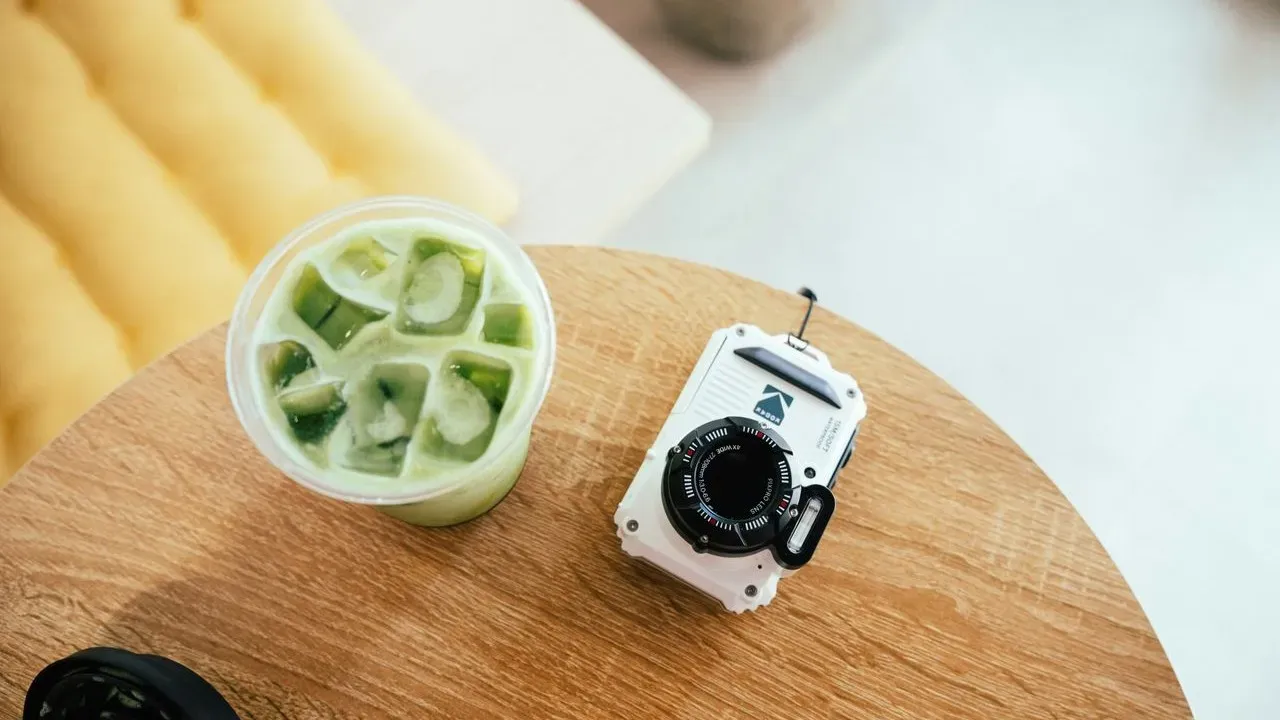

A matcha drink bought from a machine in downtown Seattle may one day come from tea grown a few hours north. That is the bet Vale Matcha is making. The company, founded by former Axon president Luke Larson, wants to pair staffed matcha bars and automated kiosks with a growing operation on Whidbey Island. The idea was previewed in an interview first published by The Spoon [1], and it raises a question few American tea growers have had to answer: can the Pacific Northwest produce matcha at a commercial scale? ([6])
Why the farm came after the cafes
Vale began as a city business, and its early struggles shaped the farm plan. While trying to open its South Lake Union cafe, the company found it difficult to secure enough high-quality matcha. Trips to Japan and direct relationships with suppliers followed, and those experiences led the team to ask whether tea could be grown in the Northwest itself.
The answer took physical form on a former dairy property. Vale Farms covers 365 acres on Whidbey Island, and the company has planted its first 12,000 tea plants there. Its long-term plan calls for about 200 acres of tea, or roughly one million plants, along with a 30,000-square-foot processing facility in nearby Oak Harbor ([2]).
Patience will be required. Larson has said the first harvest is about five years away, and Vale will keep buying from Japan while its own fields mature ([3]). Much of the matcha sold across Seattle still comes from Japanese growing regions such as Kyoto, Uji and Shizuoka, and local tea processing remains limited ([4]).
A kiosk meant to disappear into the background
The robotic side of the plan is still a prototype. Vale’s kiosk, named Primus, dispenses drinks that are batched in advance, with six options currently on offer. When Larson described his goal, he compared the experience to a science fiction device: “like a Star Trek replicator, where the technology fades into the background.” Customers would order a drink and receive it with a personalized label.
The next generation is aimed at a different job. Vale plans to release a machine in the middle of 2027 that mixes drinks inside the unit and offers more customization through syrups, purees and foams. The company’s targets for that machine include:
- A component cost of about $30,000, compared with an estimated bill of materials near $350,000 for the first machine
- Roughly 20 or 30 subsystems, down from more than 150 in the original design
- Drink prices in the $6 to $9 range, which the company must balance against the cost of the hardware
Those figures explain why cost is the central test. A machine that costs hundreds of thousands of dollars to build has to sell a great many drinks before it pays off, and Vale has not yet shown that the next design can do so.
Staffed bars come first
Vale’s human-run matcha bars around Seattle are doing much of the practical learning. According to Larson, the carts allow the company to test flavors and milk alternatives while learning how to place and restock a beverage operation. They also introduce customers to the brand before any kiosk arrives.
Larson sees the two formats as closely linked. Getting ingredients to the right place, planning inventory and servicing equipment are tasks required for a staffed bar, and they would also support a network of machines. The cafes and bars are meant to build familiarity, while the kiosks extend the brand into locations and hours where a cafe would be hard to staff.
Ownership, funding and the Napa comparison
Vale plans to keep control of the customer experience through roughly its first 100 machines. Distribution or replenishment partnerships could follow later. The founders are financing the business themselves, and Larson said the company does not plan to take outside funding for the next two years.
The farm is also meant to draw visitors. Vale has said it plans to build a hospitality experience and an on-site tasting room within the next two years ([5]). That is where the wine comparison comes in. “We really want Cascadia to be the Napa of tea,” Larson said during the interview, pointing to a future in which visitors could learn about the landscape and the tea made there.
What comes next
For now, the most concrete milestones are modest: a few acres of plants in the ground, a processing plant under development and a prototype machine that still needs to prove itself. The larger questions remain open. Whether Northwest tea can reach the quality and volume that commercial matcha requires is unknown, and so is whether a robotic kiosk can be built cheaply enough to earn its place in a city full of cafes. Those answers will take years to arrive, and the outcome will shape whether Seattle drinkers eventually see the Northwest on the label of their next matcha.
AI Disclaimer: This article was created with the assistance of AI tools and reviewed by a human editor.