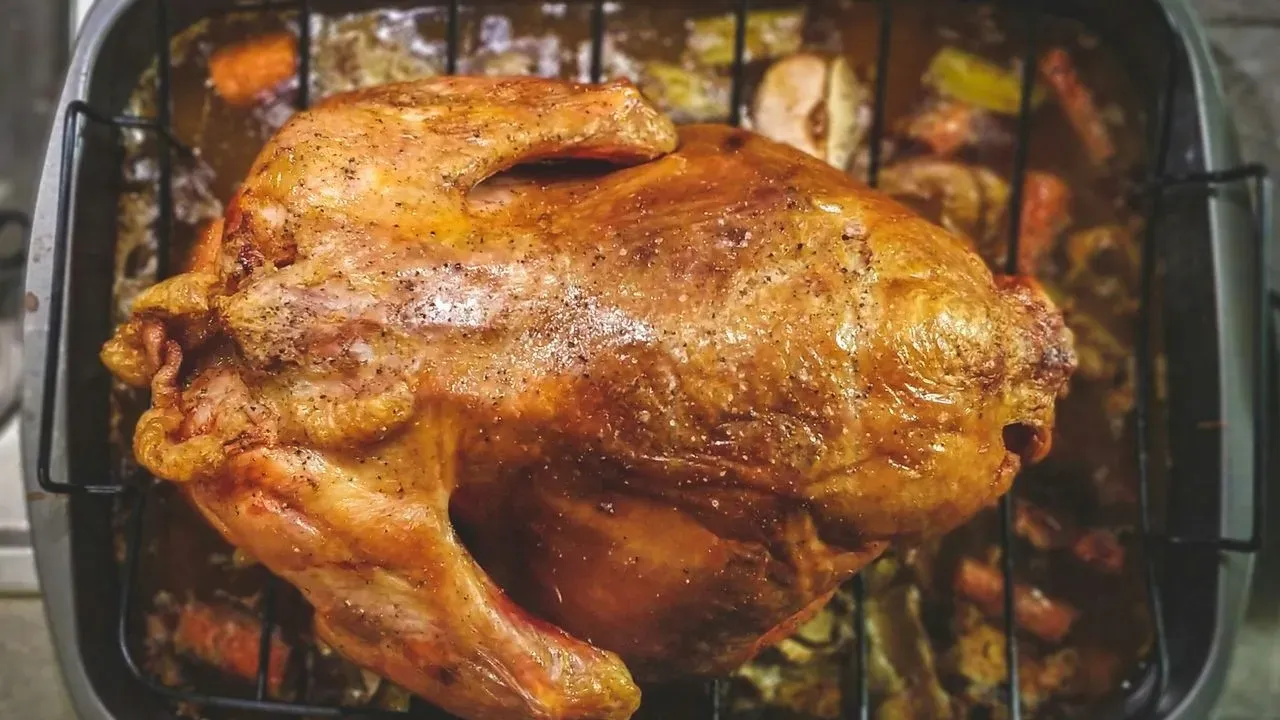

Few dishes match the appeal of a crispy, golden turkey pulled from a pot of hot oil. That same appeal has drawn fire officials’ warnings for years. A recent ABC7 guide ([1]) focuses on how to fry a turkey without a disaster, and the advice rests on a simple idea: most frying accidents come from a handful of predictable errors. ([1])
Why the holiday raises the stakes
Thanksgiving is the busiest day of the year for home cooking fires. The Houston Fire Department noted that fire departments responded to 1,139 home cooking fires on Thanksgiving Day in 2024, a 321% increase over the daily average. Those figures cover all kinds of cooking, but officials say turkey fryers pose their own danger because they hold large amounts of extremely hot oil.
The National Fire Protection Association has put numbers to that risk. Deep fryer fires cause an average of five deaths, 60 injuries, and more than $15 million in property damage each year. The association has also strongly discouraged the use of cooking oil in turkey fryers, pointing to the risk of devastating burns.
Thaw the bird and prepare the pot first
Frozen or partially frozen birds cause some of the most serious problems. A spokesperson for Lincoln Fire and Rescue, MJ Lierman, warned that a partially frozen turkey can react dangerously once it enters the fryer. Ice and water that meet hot oil can send the oil up and over the pot, so the bird needs to be fully thawed and dry.
Thawing takes planning. The National Turkey Federation recommends refrigerator thawing of about 24 hours for every five pounds. Before the oil goes in, cooks should use a short checklist:
- Place the turkey in the empty pot with water, then mark the water level and remove the bird.
- Dry the pot and the turkey thoroughly before adding oil.
- Skip stuffing the turkey, which adds moisture and complicates cooking.
- Wear heat-resistant gloves, safety goggles, a long oil-proof apron, and closed-toe shoes.
- Lower the turkey slowly to limit splattering.
Location and oil level decide how a fryer behaves
Where the fryer sits matters as much as how it is run. Experts advise setting up on a flat surface outdoors, well away from buildings, wooden decks, and covered patios. Some fire departments recommend keeping the fryer at least 10 feet from the house, and the propane tank should sit at least two feet from the burner.
Oil level is equally important. Overfilling is a common mistake, and when oil spills onto an open flame, the fire can spread within seconds. Cooks should also watch the oil temperature closely. If oil begins to smoke, the fryer should be shut off, because oil heated past its smoke point can ignite. Nobody should walk away from a fryer while it is running.
What to do if the oil catches fire
Water is the wrong response to a grease fire. It can cause burning oil to spread and make the situation worse. Cooks should keep a grease-rated fire extinguisher nearby and, when possible, use a lid that fits the pot to smother flames. The Consumer Product Safety Commission advises calling 911 immediately if a fryer catches fire.
Oil also stays dangerously hot long after the turkey comes out, so children and pets should stay clear of the fryer even after cooking ends. For households that want the flavor without the open flame, electric and infrared fryers are considered safer alternatives. Buying a fried turkey from a grocery store or restaurant is another option that avoids the hazards altogether.
The goal is a dinner that ends with compliments rather than a call to the fire department. A careful setup, a fully thawed bird, and a little patience with the oil can keep a holiday tradition on the table and out of the headlines.
AI Disclaimer: This article was created with the assistance of AI tools and reviewed by a human editor.