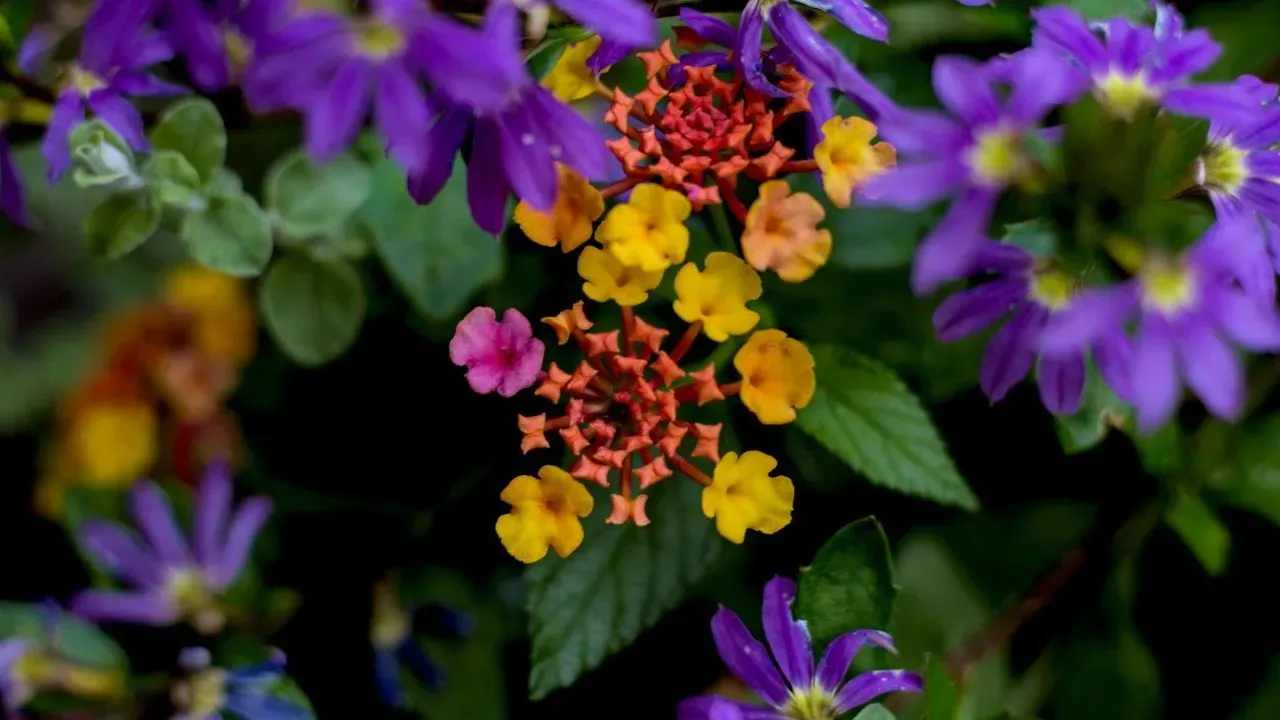

Most annual flowers complete their life cycle in a single season, so gardeners usually buy seed or seedlings again each spring. A smaller group works differently. Some annuals drop their seed in late summer and fall, and the next spring a fresh crop of seedlings appears on its own. For busy gardeners who want more color for less effort, these plants offer a practical way to keep beds full from one year to the next. ([1])
Why the replanting happens on its own
Self-seeding annuals pair the long bloom period of annuals with the habit of returning year after year. Once they settle in, they need far less attention than plants that must be started indoors or set out each spring. Seedlings that sprout where their seed falls tend to develop deep roots and adapt to the local soil and climate, which can make them sturdier than transplants.
The method also suits gardeners who prefer an informal look. Plants appear in unplanned corners, producing the layered effect associated with cottage and meadow gardens. Many of these annuals offer nectar and pollen to bees and butterflies, and their seed heads provide food for birds in fall.
Getting the cycle to repeat takes only a few habits:
- Leave some spent blooms on the plants so they can mature and dry.
- Skip heavy mulch in spots where you want seedlings to emerge.
- Learn to recognize young seedlings so they are not pulled with the weeds.
Five annuals that tend to come back
Cosmos produces daisy-like blooms in white, pink, magenta, and crimson from midsummer until frost. Tall varieties can reach 3 to 5 feet, while dwarf types stay closer to 1 to 2 feet. Cosmos prefers full sun and poor, dry soil, since too much fertilizer can produce floppy stems with fewer flowers. To encourage volunteers, stop deadheading in late summer so some seeds can form. Seedlings usually appear in late spring, once the soil has warmed.
Calendula, also called pot marigold, offers orange, yellow, and apricot daisies from spring until hard frost. Its hook-shaped seeds ripen quickly and fall close to the parent plant. Seedlings often emerge in fall, survive mild winters, and bloom early the following spring. The plants can tolerate a light frost, down to about 25°F.
Cornflowers, often sold as bachelor’s buttons, are known for their true-blue blooms, though pink, white, purple, and nearly black varieties also exist. They attract bees and butterflies and dry well for arrangements. Cornflowers dislike being moved, so sow them directly in the ground in fall or early spring. Leave a few faded flowers on the plants in late summer, and new plants will return the next spring.
Larkspur is the annual relative of delphinium and produces spikes of blue, purple, pink, and white flowers in late spring and early summer. It needs a period of cold to germinate well, which makes fall or very early spring the best sowing window. Once established, it reseeds reliably. Every part of the plant is toxic if eaten, so keep it away from areas where children or pets play.
Borage has star-shaped, sky-blue flowers that draw bees throughout the day. It is often planted near strawberries, tomatoes, and squash to support pollination. It tolerates poor soil and some drought. It is also one of the most prolific self-seeders, often producing dozens of new plants the following spring.
Seasonal timeline at a glance
- Late summer: Let a few flowers go to seed on the plants you want to keep.
- Fall: Seeds drop, and some seedlings may already emerge in mild areas.
- Early to late spring: New seedlings appear as the soil warms.
Keeping enthusiastic self-seeders in check
Self-seeders can become too successful. Some crowd vegetables, smother smaller plants, or spread into lawns and paths. Control becomes necessary when plants compete with crops, when a formal design is planned, when beds are being redesigned, or when the garden borders natural areas where seeds could travel.
Gardeners can manage this by limiting how many seed heads each plant produces. Allowing only a handful of flowers per plant to ripen is usually enough to supply next year’s crop. Harvested seed heads can be dried, placed in paper bags, and stored in a cool, dry place. Holding them at roughly 40 to 50°F allows for more controlled sowing the following season.
A few practical steps help keep the balance:
- Mulch unwanted areas with a layer of 2 to 3 inches to block light and prevent germination.
- Pull extra seedlings while they are 1 to 2 inches tall, keeping the strongest at the recommended spacing.
- Move young seedlings to better locations, or share them with neighbors and friends.
Self-seeding annuals reward a light touch. A few seed heads left to mature, some room for seedlings to grow, and a willingness to pull the surplus can produce a garden that renews itself each spring. For gardeners who want more blooms without starting from scratch every year, these flowers are worth a place in the bed.
AI Disclaimer: This article was created with the assistance of AI tools and reviewed by a human editor.