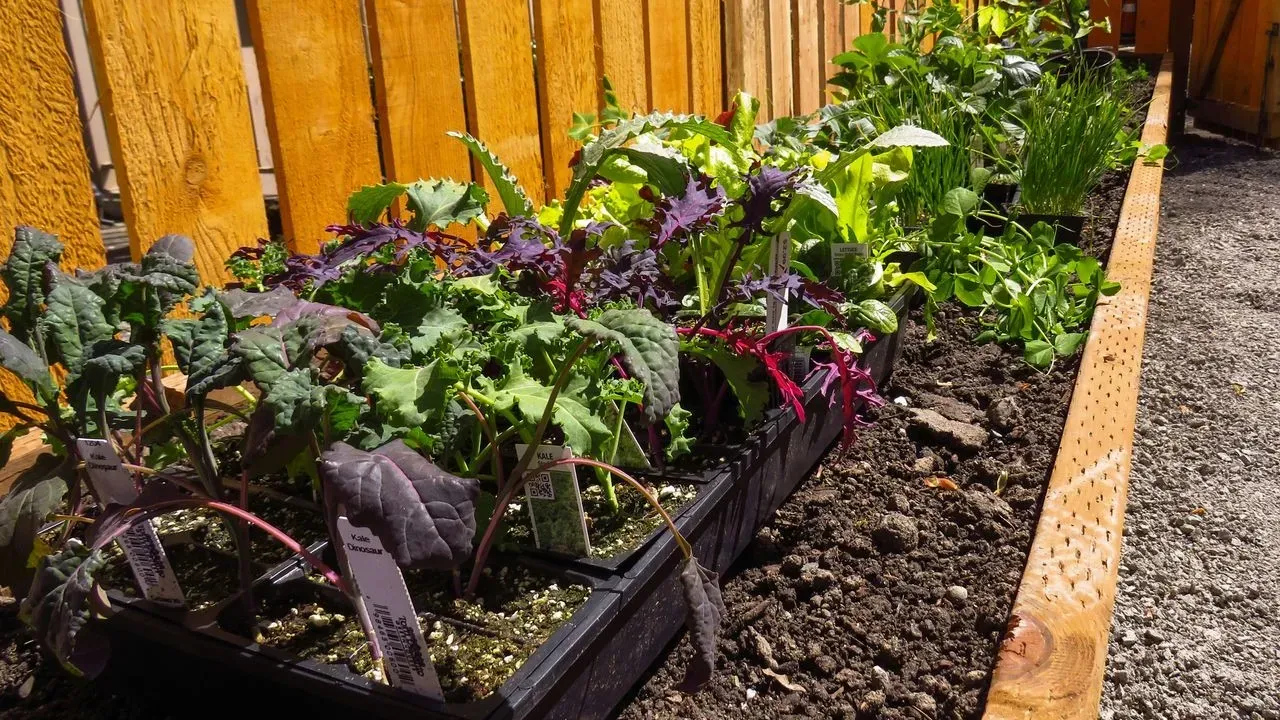

With the harvest winding down in late November, many gardeners face the same decision about their raised beds. Leaving them untouched until spring is a common choice, and the empty frame can look tidy enough. Still, what happens in the soil over the next few months affects how easily those beds perform when planting season returns. The original guidance on this habit is worth reviewing ([1]), and it points to a short window of work that pays off later.
What an uncovered bed loses
Exposed soil gives winter weather a direct path to the nutrients a gardener has already added. Rain, snow, and wind can carry some of that fertility away before spring. ([3])The University of Georgia Extension notes that cover crops can hold nutrients, suppress weeds, and protect soil from erosion, even in small raised beds.
Weeds are another concern. Fall soil that sits bare gives winter annuals room to take hold, and species such as chickweed and henbit can become well rooted before the first spring planting ([4]). Cleaning up the bed now means fewer weeds to fight once the weather warms.
Clear the bed without carrying problems forward
The cleanup itself deserves some care. NC State Extension advises discarding plants that showed disease or insect damage rather than adding them to the compost pile, which helps keep pathogens from returning next season ([2]). Healthy plant residue is a different matter and can be chopped and worked lightly into the top few inches of soil.
A practical sequence for the bed usually looks like this:
- Pull spent annuals, and separate any diseased material for the trash.
- Remove weeds before they produce seed.
- Take out stakes, cages, and trellises, then clean them to limit lingering spores.
- Smooth the soil surface so the bed is level before the next step.
Rebuild the soil before the ground freezes
Raised beds tend to settle over time. NC State Extension explains that the extra aeration and frequent cropping typical of raised beds can cause them to lose structure, which makes winter a good moment to add organic matter ([2]). Finished, weed-free compost, shredded leaves, and aged manure are all suitable choices for a top layer.
Timing and moisture matter here. Working amendments into soil that is waterlogged can compact it, so it is better to spread material on the surface when the bed is dry enough to handle. A thin top layer applied before the ground freezes gives microbes and rain time to move nutrients down into the root zone over the winter.
Mulch or a cover crop: choosing the right cover
Mulch is the simplest way to finish the job. NC State Extension recommends applying 3 to 6 inches of mulch for winter protection ([2]), with straw, pine needles, or chopped leaves among the typical options. Wood chips work better as a top dressing than as a deep layer.
A living cover offers a different kind of protection. Winter rye, crimson clover, Austrian winter peas, hairy vetch, and oats are commonly suggested for raised beds ([5]). Cover crops need time to establish before cold weather arrives, so they should go in once the main crops finish and while there is still enough growing season left ([6]). If frost has already settled in, mulch is the more realistic option.
What matters now
- A bare bed loses nutrients and invites winter weeds.
- Remove diseased plant material instead of composting it.
- Top layers of compost and 3 to 6 inches of mulch both help protect the soil.
- Cover crops work best when planted before the weather turns.
A quieter start to spring
The work of winterizing a raised bed is modest, often a single afternoon for a small garden. Its value shows up later, when the soil is already cleaned, enriched, and protected and planting can begin without a long catch-up period. Gardeners who skip the step may still get a harvest, but they usually start the season with more repairs to make. A few hours in late fall is a small investment for a bed that is ready to work when spring arrives.
AI Disclaimer: This article was created with the assistance of AI tools and reviewed by a human editor.