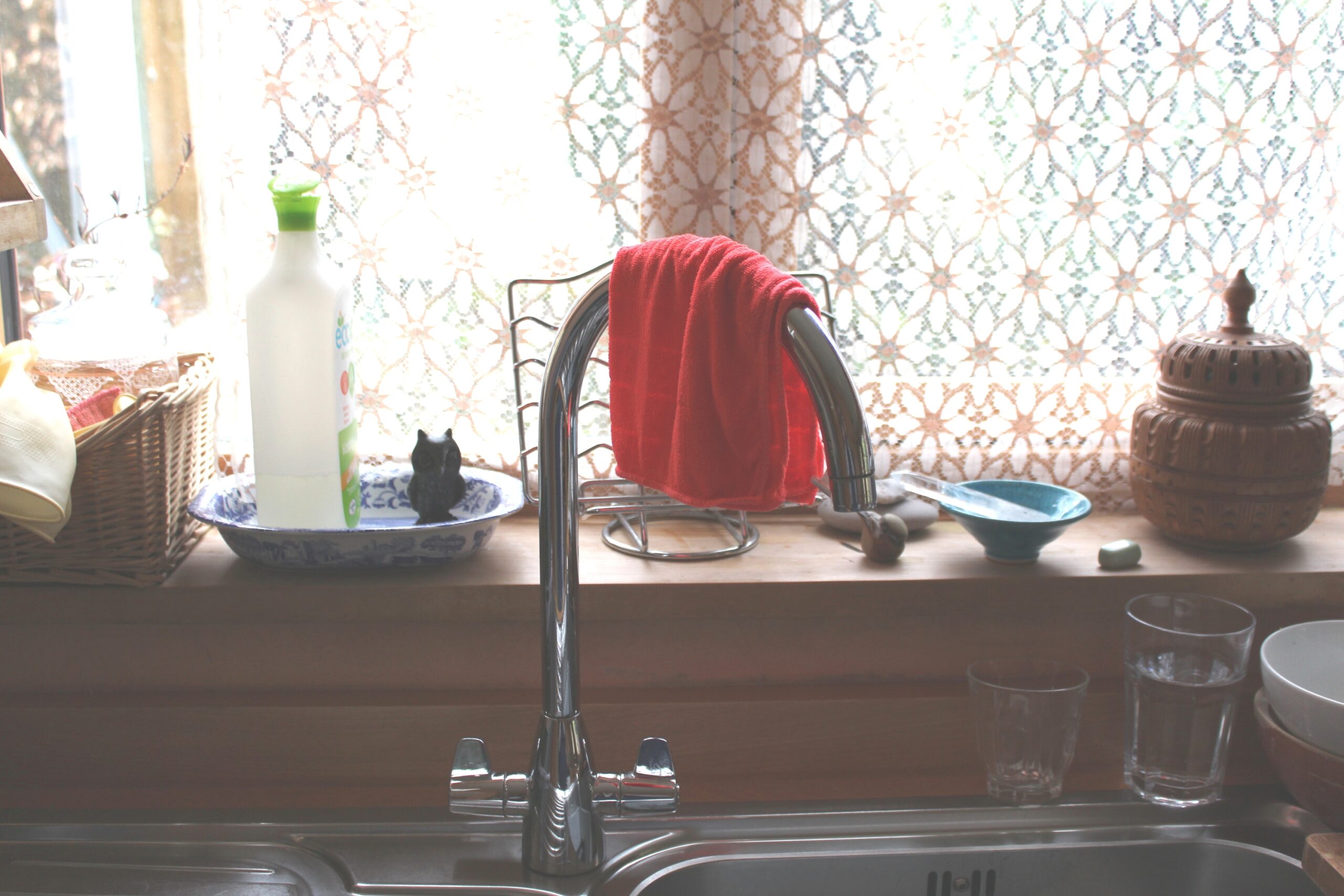

Most of us don’t think twice about what the kitchen sink looks like on a Tuesday morning. It’s just there, doing its job. But psychologists, microbiologists, and behavioral researchers have spent a surprising amount of time studying this one spot, and the picture they’ve built is genuinely revealing. The sink, it turns out, sits at a strange intersection of private behavior and public impression – too exposed to be ignored, too routine to be managed with the same care as, say, a living room.
What you do with that space says things about your habits, your mental load, your personality, and sometimes your stress levels that you might not consciously register yourself. Here’s a close look at ten things your kitchen sink quietly communicates about you.
The Perpetually Empty Sink: You Crave Control
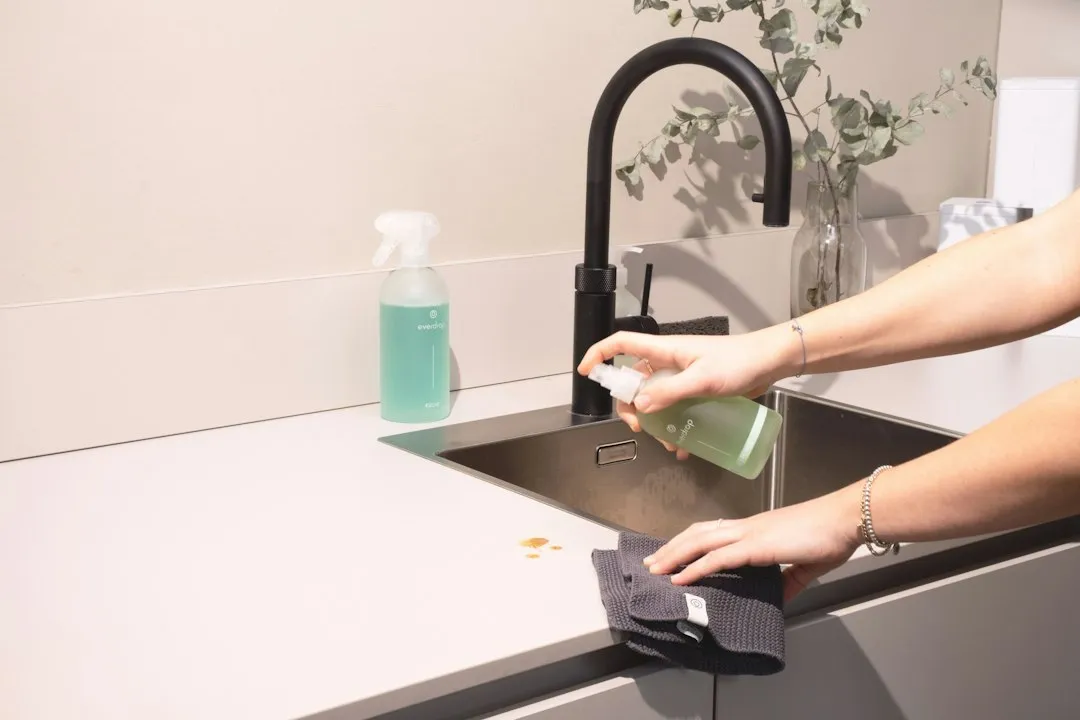
According to research published in the Journal of Environmental Psychology, people who maintain extremely tidy spaces often score high in conscientiousness but may also struggle with flexibility and spontaneity. If your sink is consistently empty and gleaming, that’s not just a cleaning preference – it reflects something deeper about how you manage your environment.
The perpetually clean sink isn’t just about cleanliness; it’s about needing to feel in command of your environment when other aspects of life feel uncontrollable. There’s real comfort in that ritual, and there’s nothing wrong with it. Though it’s worth asking whether the need for order occasionally creates friction with people around you who operate differently.
The Overflowing Sink: You’re Carrying More Than Dishes

A 2024 paper in the Archives of Women’s Mental Health found that mothers spent about twice as much time as fathers on cognitive chores, and that this burden predicted higher stress and depression risk. So a chronically full sink can reflect emotional overload rather than indifference. When life is at full capacity, the dishes are often the first thing to get deprioritized.
People who leave dishes in the sink often delay other micro-tasks too: paying a bill, filling out a form, answering that one email. Each delay works in the short term, then piles up as anxiety every time you pass the kitchen. It’s a loop that feels hard to break, and it usually has nothing to do with laziness.
A Stained or Neglected Sink: You’re Probably Underestimating the Bacteria
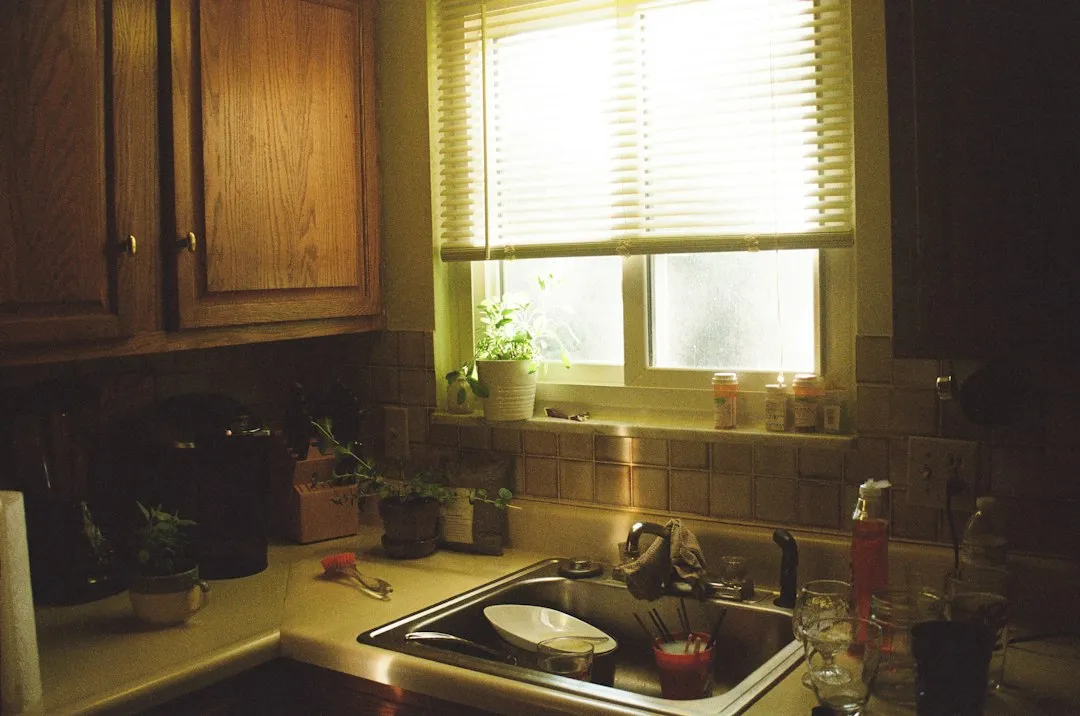
Kitchen sinks carry 100,000 more bacteria than bathroom sinks. That number surprises most people, because the bathroom tends to get the reputation as the germiest room in the house. The kitchen sink has quietly earned that title instead.
One of the biggest surprises from NSF’s study was that while many participants assumed the bathroom was the germiest area, the kitchen actually contained the highest levels of contamination. NSF swabbed for coliform bacteria – a family that includes Salmonella and E. coli – and found coliform present on more than three quarters of dish sponges and rags, and in nearly half of kitchen sinks. A stained, rarely sanitized sink is essentially a petri dish sitting in the middle of where you prepare food.
Dishes Soaking for Days: You’re a Natural Prioritizer (or a Bit of an Avoider)
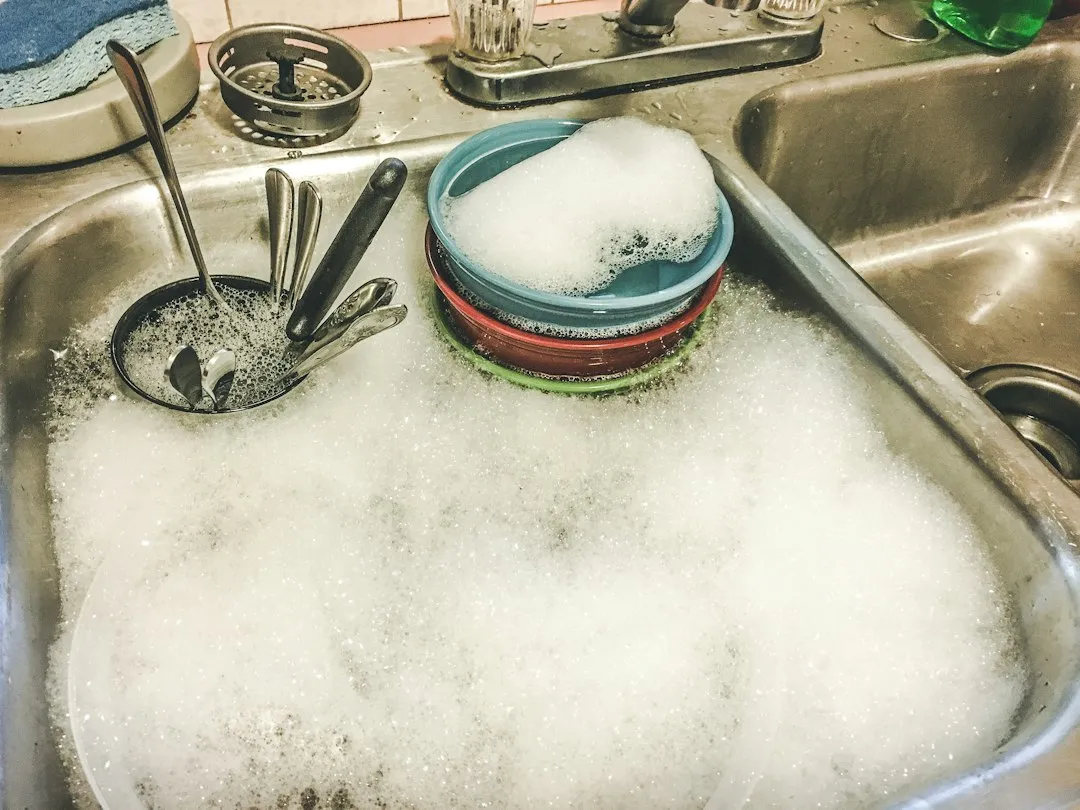
In a SurveyMonkey poll, about half of US respondents said it was fine to leave dishes for a few hours, while only around one third demanded an instantly empty sink. The rest were happy to wait a day or two. So “soaker” behavior is genuinely common – it’s not some personal failing most people secretly agree on.
For some people, leaving dishes in the sink is actually a quiet rebellion against their own perfectionist tendencies. Research on adaptability suggests that people who are comfortable with a certain level of disorder tend to cope better when life throws a curveball. There’s a difference between someone who soaks strategically and someone who soaks indefinitely, though. One is a habit; the other is avoidance.
You Clean as You Cook: You Think Ahead

Dr. Nicole Mead of the University of Melbourne has researched how environmental order influences human behavior and decision-making. People who maintain a tidy kitchen while preparing food often demonstrate high levels of conscientiousness, one of the five major personality traits. It’s a small habit, but research treats it as a window into something larger.
This kitchen habit is a primary indicator of future orientation, a cognitive bias toward thinking about the consequences of current actions on the future self. In practice, it means you’re the kind of person who doesn’t just think about right now – you’re already managing what happens after dinner before it’s even on the table.
A Cluttered Sink Area: Your Kitchen Is Affecting Your Mood More Than You Realize
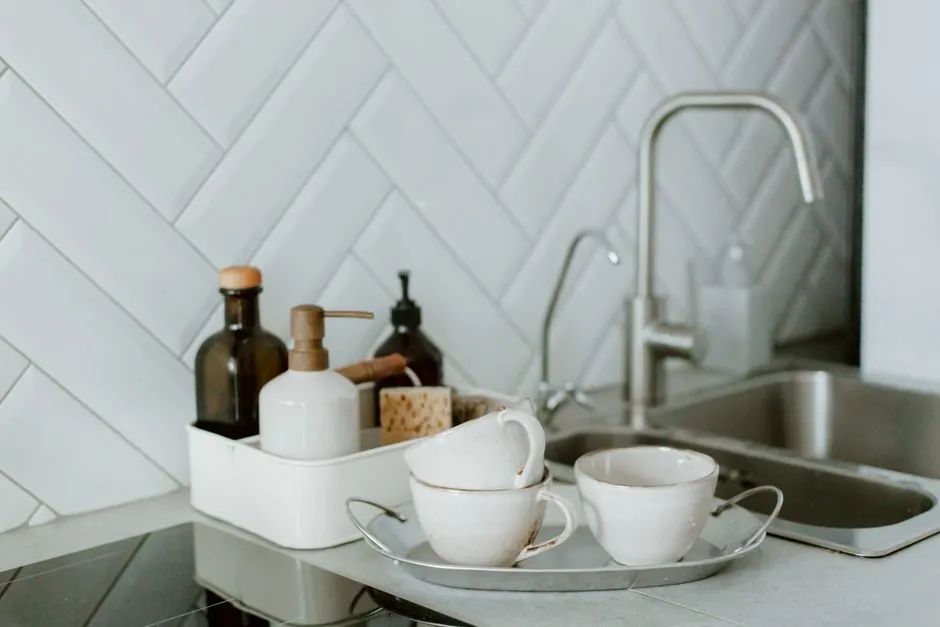
A new survey revealed that kitchen clutter is a major source of daily stress for nearly three in five US homeowners. That’s not a trivial number. The kitchen is where most people start and end their day, and the visual noise stacks up quickly.
Clutter can impact people’s mental health on several levels: changes in cognitions or thoughts, feelings, behaviors, and physiology. Mental health is particularly affected in terms of anxiety, issues around decision-making, focus, concentration, memory, and sleep. Research shows that clutter and disorganization can create a cumulative effect on the brain. A messy sink basin surrounded by dish soap, random utensils, and half-empty bottles is a form of visual clutter you encounter dozens of times a day.
You Rarely Clean the Drain or Sponge: You May Be Spreading Germs Without Knowing It
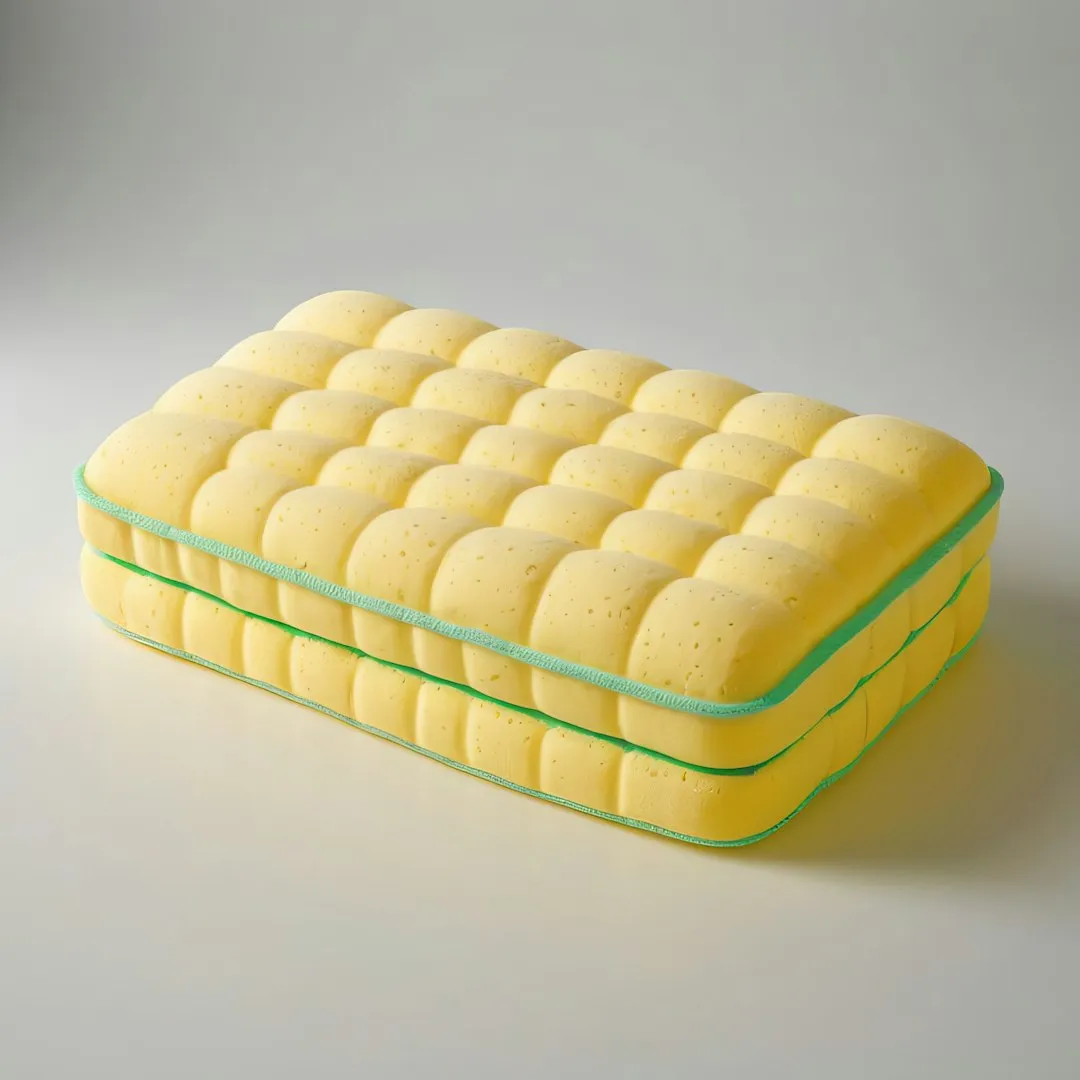
Kitchen sponges can harbor over 7.9 million bacteria per sponge. The kitchen sink basin itself contains nearly 32,000 bacteria per 25 square centimeters, more than kitchen counters and comparable surfaces. Most people clean the sink surface occasionally, but the sponge used to clean it is often far dirtier than the surface it’s meant to sanitize.
After two weeks of use, a sponge can have around 8 million bacteria. The USDA found that microwaving a sponge is the most effective method of killing bacteria, eliminating nearly all of them. If you’ve never thought about this, you’re definitely not alone – but it’s the kind of detail that tends to change habits once it’s known.
Your Sink Reflects Your Relationship Dynamics
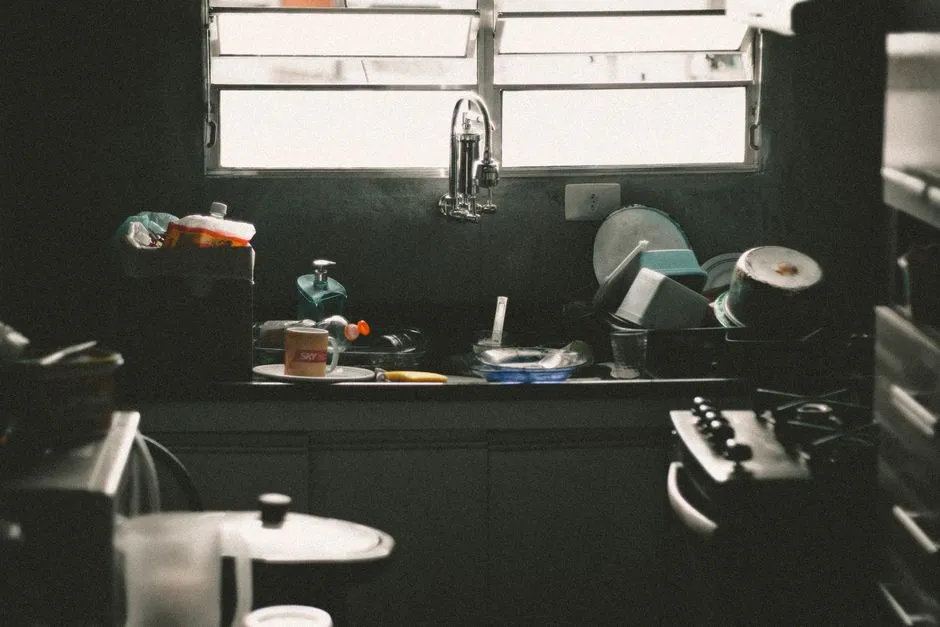
Sometimes the sink is less about soap and more about unsaid sentences. Instead of saying “I am tired of being the only one who cleans,” you hope the overflowing sink will finally make your partner notice. It sounds almost comical stated plainly, but researchers recognize this as a real pattern in shared households.
In one survey, nearly three quarters of respondents reported experiencing stress or anxiety when confronted with cluttered areas, while nearly a third said they avoid inviting guests into their homes because of clutter. Another roughly one in four said clutter had negatively affected their relationships. The sink is rarely just a sink when two people live together and have different standards for what “clean” means.
You Stress About Your Sink: It Might Be a Signal Worth Paying Attention To
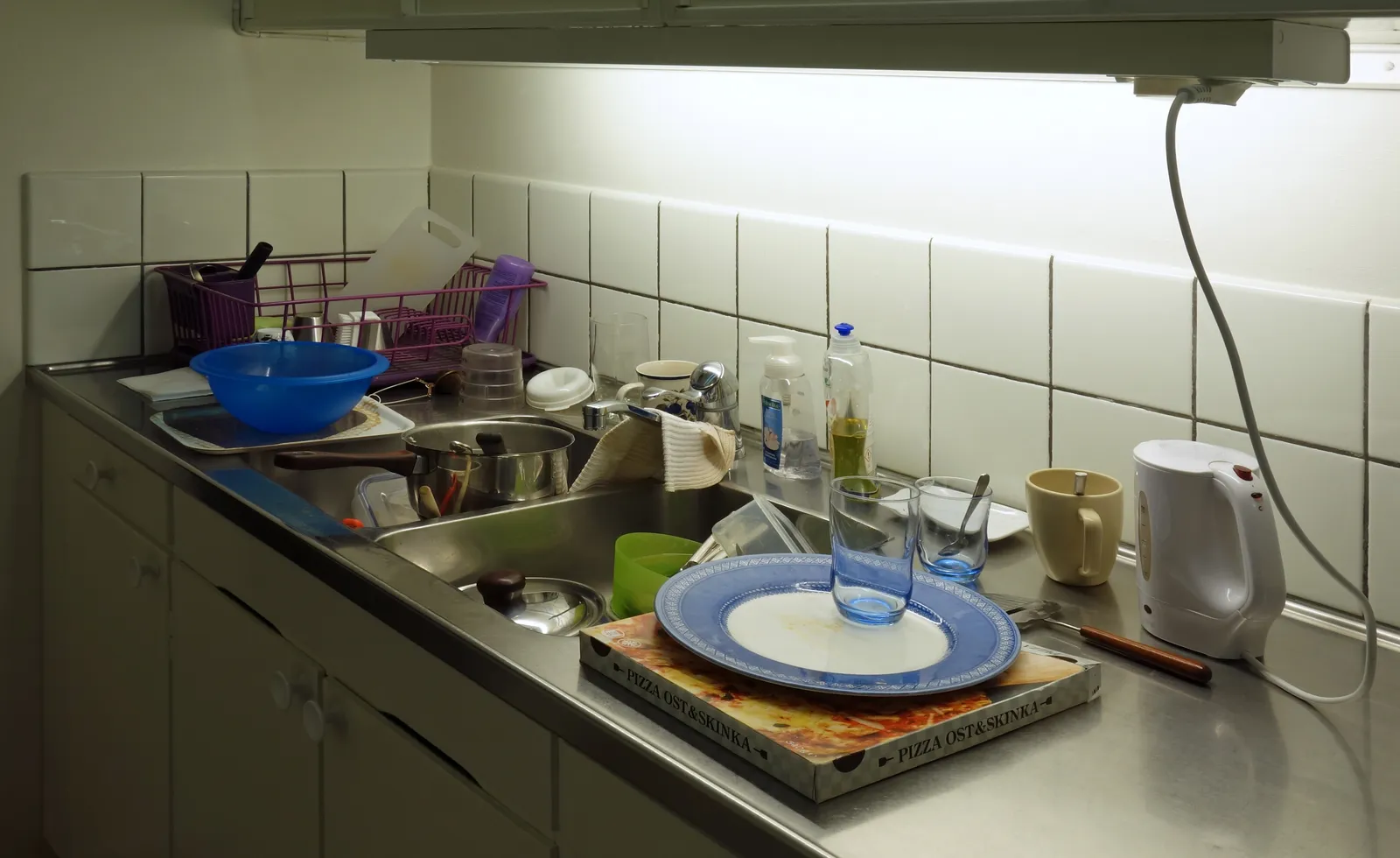
In a study published in Personality and Social Psychology Bulletin, researchers affiliated with UCLA’s Center on Everyday Lives of Families found that women who described their homes with words like “cluttered” and “unfinished” showed daily cortisol patterns associated with chronic stress. Their moods also showed a decline over the course of the day. The kitchen sink, as a visible and recurring reminder of unfinished work, fits squarely into that picture.
Related research in Current Psychology has tied clutter to procrastination in adults of every generation, suggesting the pile and the delay feed each other. Francis Quinn of Robert Gordon University writes that low well-being may lead to more clutter, “which in turn makes well-being worse.” It’s not a moral issue – it’s closer to a cycle that becomes self-reinforcing over time.
The Clean-Enough Sink: You’ve Probably Got a Healthy Relationship With Your Home
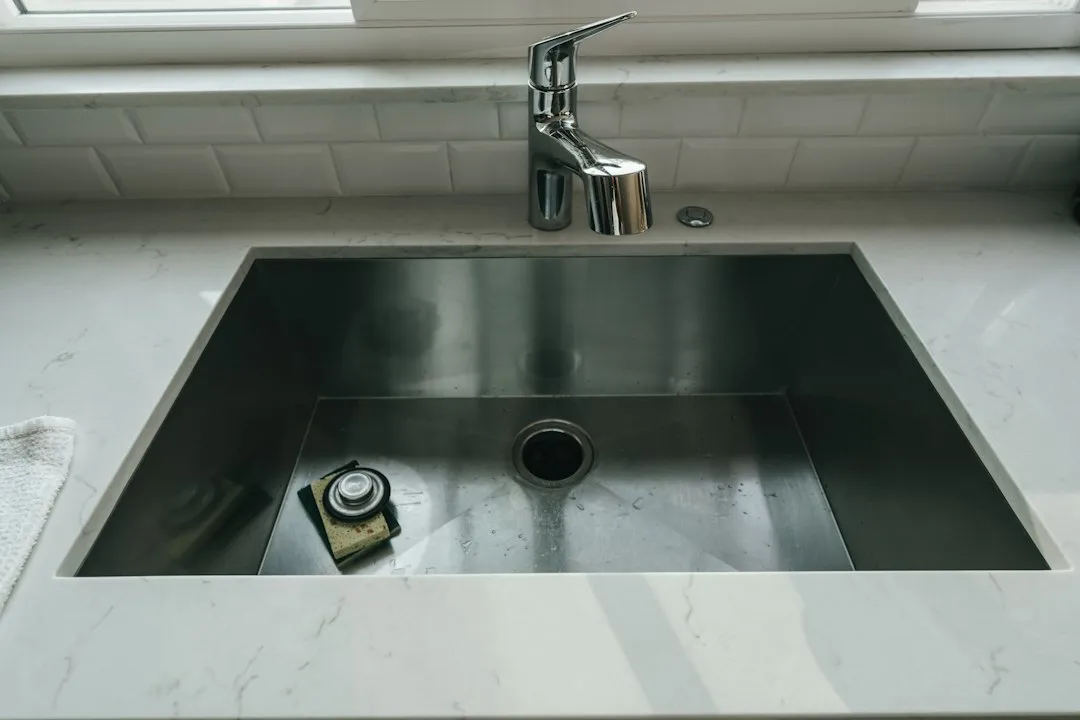
Conscientiousness is one of the Big Five personality traits used in psychology to measure things like self-discipline, orderliness, and goal-directedness. It’s generally considered one of the most reliable predictors of success. Here’s the nuance though: high conscientiousness doesn’t require a spotless sink at all times. It requires consistency and self-awareness.
The psychology behind kitchen habits is far more layered than “tidy people have it together and messy people don’t.” Sometimes the person with a clean sink is driven by anxiety. A clean-enough sink, maintained without obsession, actually suggests something pretty enviable: you’re keeping up without losing perspective on what matters.
The Takeaway
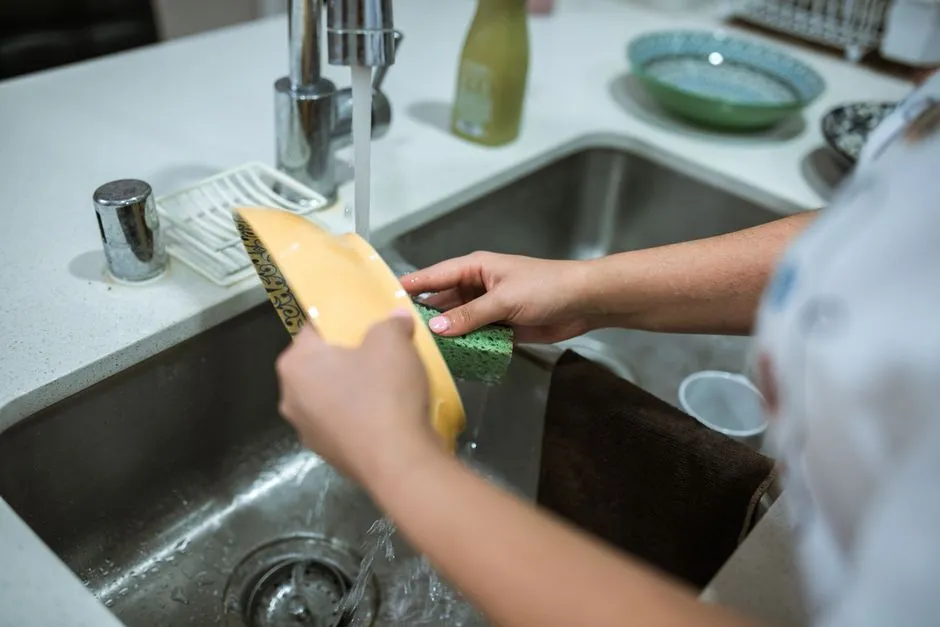
The kitchen sink is ordinary by design. It doesn’t announce itself, it doesn’t demand attention, and yet it accumulates evidence about how you manage stress, relationships, time, and health almost every single day. Ultimately, the way we handle a sink full of dishes reflects how we handle the complexities of life.
A perfectly tidy home isn’t necessary for good mental health. What the research actually points toward is awareness, not perfection. Knowing what your sink says about you is useful not because you should feel judged by it, but because small, consistent changes in that one space can have a ripple effect that researchers say extends well beyond the kitchen.
AI Disclaimer: This article was created with the assistance of AI tools and reviewed by a human editor.