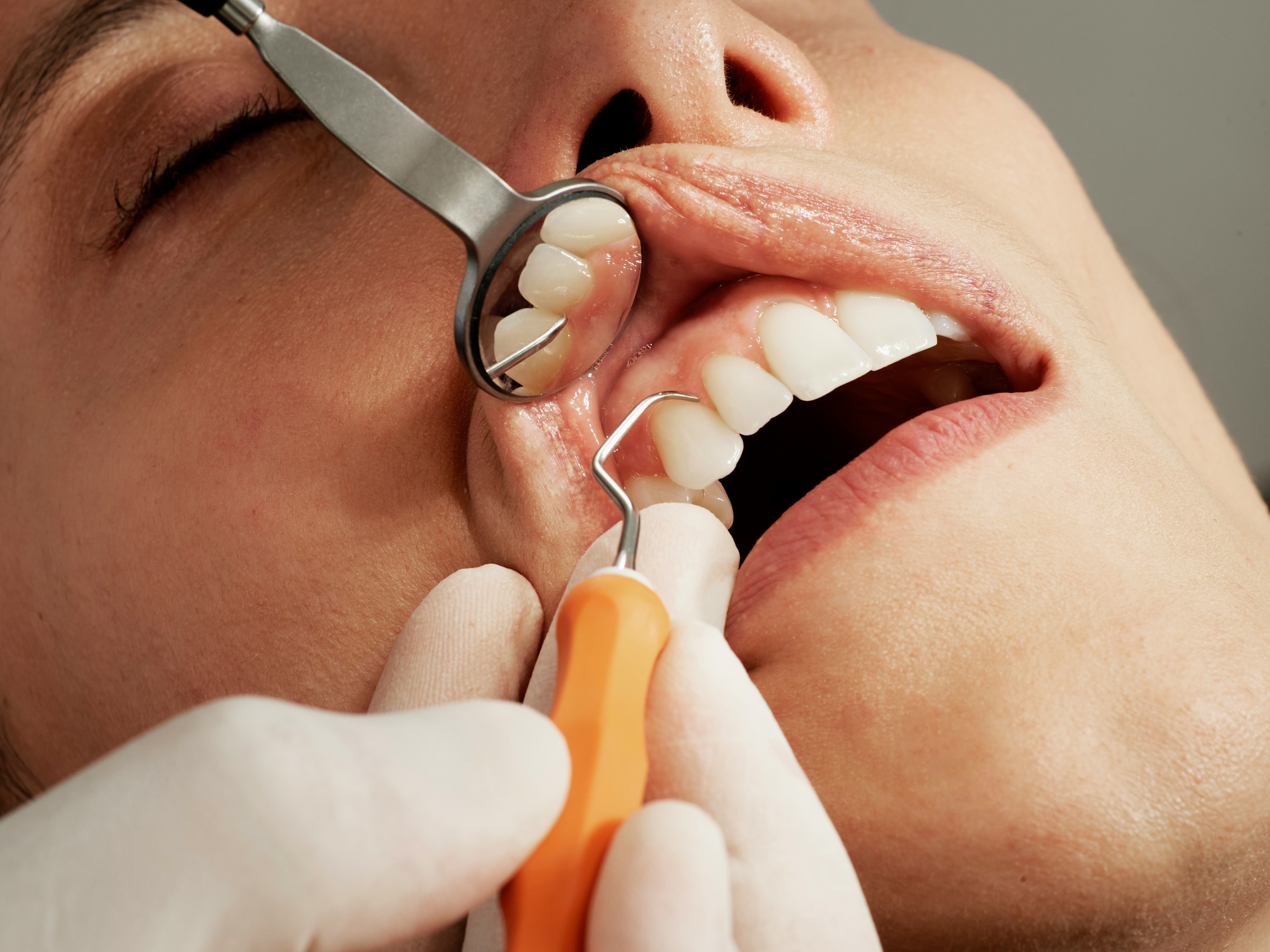

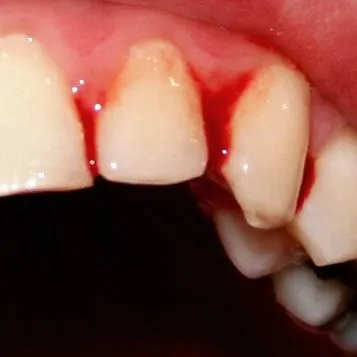
Most people notice a little pink in the sink after brushing and think nothing of it. It’s easy to chalk up bleeding gums to brushing too hard or skipping floss for a few days. The reality, according to a growing body of research, is considerably more complicated than that.
What dentists are increasingly flagging is that gum inflammation is not simply a local oral problem. It may be one of the body’s earliest and most visible warnings that something else is going wrong. Here is what the science actually shows, condition by condition.
Gingivitis: Where It All Starts

Gingivitis is the primary cause of bleeding gums, often the earliest sign of compromised gingival health, and it can negatively affect quality of life by causing discomfort, bad breath, and aesthetic concerns. At this early stage, the damage is still reversible. The gums can become swollen, red, and may bleed, but the disease is still considered reversible at this point.
What makes gingivitis particularly deceptive is how painless it tends to be. People brush past it, literally. A growing body of research links gingival inflammation to elevated systemic inflammatory markers such as C-reactive protein and interleukin-6, suggesting a potential role in systemic disease burden. So even before gum disease becomes serious, the body’s immune response may already be sending signals that reach well beyond the mouth.
The Scale of the Problem: What Half a Million People Showed
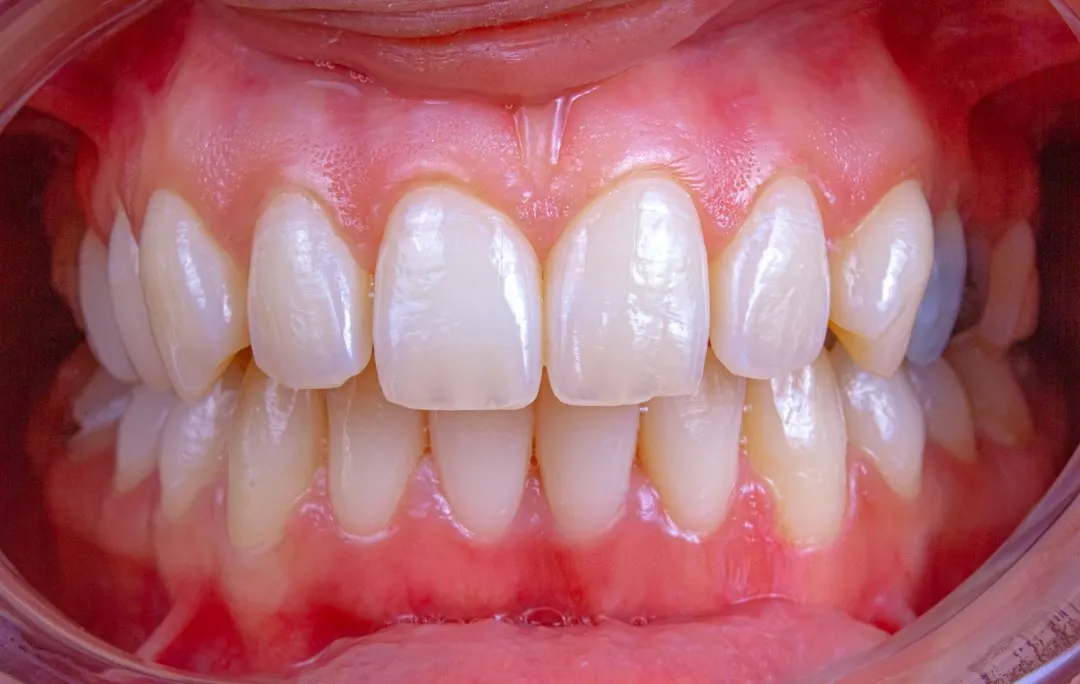
A major study presented at EuroPerio11, the world’s leading congress in periodontology and implant dentistry, found that people reporting symptoms of periodontitis such as bleeding gums, painful gums, or loose teeth had a statistically higher chance of living with two or more chronic conditions, even after accounting for factors like age, smoking, and body weight.
The researchers analyzed data from 500,612 participants in the UK Biobank, with periodontal health assessed through self-reported symptoms including bleeding gums, painful gums, and loose teeth, while multimorbidity was defined as the presence of two or more chronic conditions. The numbers were striking. Roughly 57% of participants had multimorbidity, meaning they lived simultaneously with multiple health conditions, and those with any symptom of gum disease had approximately 15% higher odds of having multiple chronic conditions.
Heart Disease: A Link That Goes Beyond Coincidence
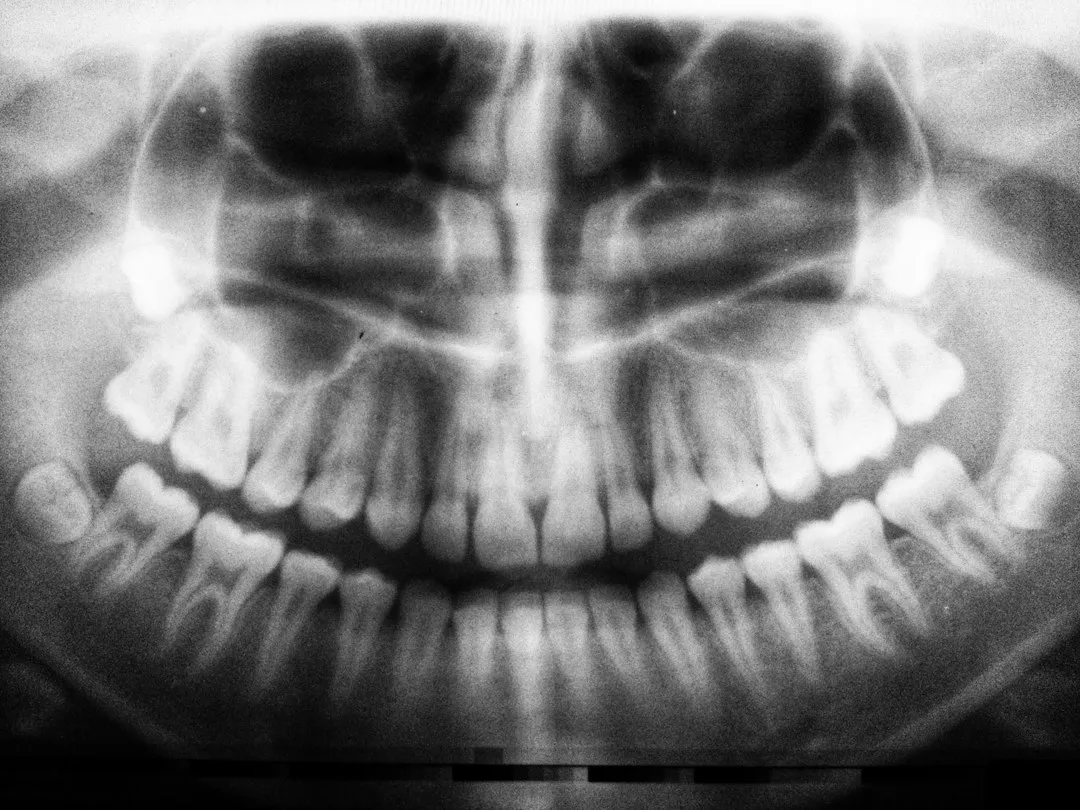
While the individual links between diabetes, periodontal disease, and cardiovascular disease are well documented, growing evidence suggests these three conditions form a mutually reinforcing triad mediated by chronic low-grade systemic inflammation, oxidative stress, immune dysregulation, and microbial dysbiosis. This is not a loose association. It is a mechanistic relationship that researchers have been tracing at the molecular level.
According to a study published in the European Heart Journal in August 2025, intensive treatment of periodontitis can slow the thickening of the carotid artery, the major vessel supplying blood to the brain, face, and neck. That is a meaningful clinical finding. A study published in Neurology Open Access at the end of 2025 also found that people with gum disease had a 44% increased risk of stroke compared to those with healthy mouths.
Diabetes: A Two-Way Street

The relationship between bleeding gums and blood sugar is unusual among the connections researchers have found, because it runs in both directions. The relationship between diabetes and gum disease is a circular one, and research suggests that treating gum disease in people with type 2 diabetes can offer the same improvement in the condition as prescribing an additional diabetes medication.
Consistent with previous studies, glycemia was significantly elevated in patients with periodontal disease, reinforcing the well-documented bidirectional relationship between periodontal disease and diabetes. For anyone managing blood sugar, that is a compelling reason to take gum health seriously. Clinicians should routinely screen people with diabetes for signs of gum disease, as early identification might be key in reducing cardiovascular disease risk.
Kidney Disease: An Underappreciated Connection
Kidney disease tends to stay quiet until it is well advanced, which is part of what makes early markers so valuable. Analysis revealed a consistent association between poorer periodontal health and worsening kidney function, with the prevalence of severe periodontitis increasing from 14% among individuals with normal kidney function to 36% among those with moderately reduced kidney function.
By demonstrating an association between periodontitis and markers of early kidney dysfunction, one study highlights oral health as a potential window into kidney health, with strong evidence that periodontitis is independently associated with reduced kidney function and increased albuminuria, even at early stages of chronic kidney disease. All-cause mortality rates for people with chronic kidney disease are nine percent higher in those who also have periodontal disease. That figure alone is worth pausing on.
Alzheimer’s Disease and Cognitive Decline

Recent evidence underscores the potential role of periodontitis as a contributing factor to systemic diseases, including Alzheimer’s disease, a neurodegenerative disorder marked by memory loss, cognitive decline, and brain inflammation. The proposed mechanism is not vague. One notable finding is the detection of specific periodontal pathogens, such as Porphyromonas gingivalis, in the brains of individuals with Alzheimer’s disease, suggesting a possible link between chronic oral infections and neurodegeneration, with these pathogens believed to exacerbate neuroinflammatory processes by activating microglia and promoting systemic inflammation.
It is worth being clear that researchers have not established definitive cause and effect between gum disease and dementia. Emerging clinical and experimental studies indicate that these two conditions share overlapping risk factors and may be interconnected. The research trajectory, though, is impossible to ignore.
Cancer Risk: What Large-Scale Studies Found

The cancer connection is among the more surprising threads in periodontal research, and the evidence is steadily accumulating. A large meta-analysis examined 19 studies with 16.6 million participants and found that people with periodontal disease had a notably higher risk of developing colorectal cancer.
Women with periodontal disease had a considerably higher risk of developing breast cancer compared to women with healthy gums. These are population-level observations, not certainties, and confounding factors are always a consideration in this type of research. Still, the consistency of findings across tens of millions of participants makes the pattern worth taking seriously.
Pregnancy Complications: A Risk That Affects Two Lives

Studies show higher rates of preterm birth, low birth weight, and even preeclampsia in pregnant women with periodontal disease, with inflammatory markers capable of crossing the placenta and affecting fetal development. This is one area where the stakes are particularly clear.
Adverse pregnancy outcomes, including preterm birth, small for gestational age infants, gestational diabetes, and preeclampsia, are linked to pregnancy complications, and research has increasingly connected periodontal disease to these outcomes. Early prevention of periodontal disease among pregnant women may have beneficial effects for both mother and child, and providing periodontal treatment might reduce the risk of preterm birth and low birthweight, as well as risk markers for preeclampsia and gestational disease.
How Bacteria Travel from the Gum to Distant Organs

Periodontitis is now recognized not merely as a localized oral condition but as a systemic disease linked to over 70 communicable and non-communicable conditions. Understanding why requires a brief look at the biology. Periodontal inflammation has been increasingly linked to systemic conditions, presumably due to the spread of oral bacteria and inflammatory signals through the bloodstream, which may affect distant organs such as the heart, lungs, or brain.
The mouth is not a sealed compartment. Every time inflamed gum tissue is disturbed, bacteria and their byproducts can enter the bloodstream. Growing evidence suggests that diabetes, periodontal disease, and cardiovascular disease form a mutually reinforcing triad mediated by chronic low-grade systemic inflammation, oxidative stress, immune dysregulation, and microbial dysbiosis. This shared inflammatory highway is what makes oral health so relevant to general medicine.
What Dentists Are Now Doing Differently

Researchers at the ADA Forsyth Institute have taken an important initial step toward a potential diagnostic strategy for periodontitis and related systemic diseases. The goal is not just to treat gums in isolation, but to use the mouth as a diagnostic gateway. Research is already underway aiming to detect cases of diabetes and prediabetes in dental practices, with a target of testing 10,000 people in the UK.
Machine learning algorithms could synthesize oral health inputs to generate individualized risk scores, predict disease trajectories, and recommend tailored preventive interventions. That points toward a future where a dental appointment might flag systemic risk before a primary care visit ever would. Based on current evidence, it is clearly important for patients with diabetes and other chronic conditions to undergo periodontal examination and treatment as needed.
The Takeaway

Bleeding gums are common. That is precisely the problem. Because they are so ordinary, they tend to be dismissed rather than investigated. The research that has accumulated, particularly between 2024 and 2026, suggests the mouth may be one of the most informative places to look when assessing overall health.
None of this means that bleeding gums guarantee serious illness. What it does mean is that they deserve the same attention as any other persistent symptom. A dentist who notices gum inflammation is not just looking at teeth anymore. The evidence increasingly suggests they are looking at the whole person.
AI Disclaimer: This article was created with the assistance of AI tools and reviewed by a human editor.