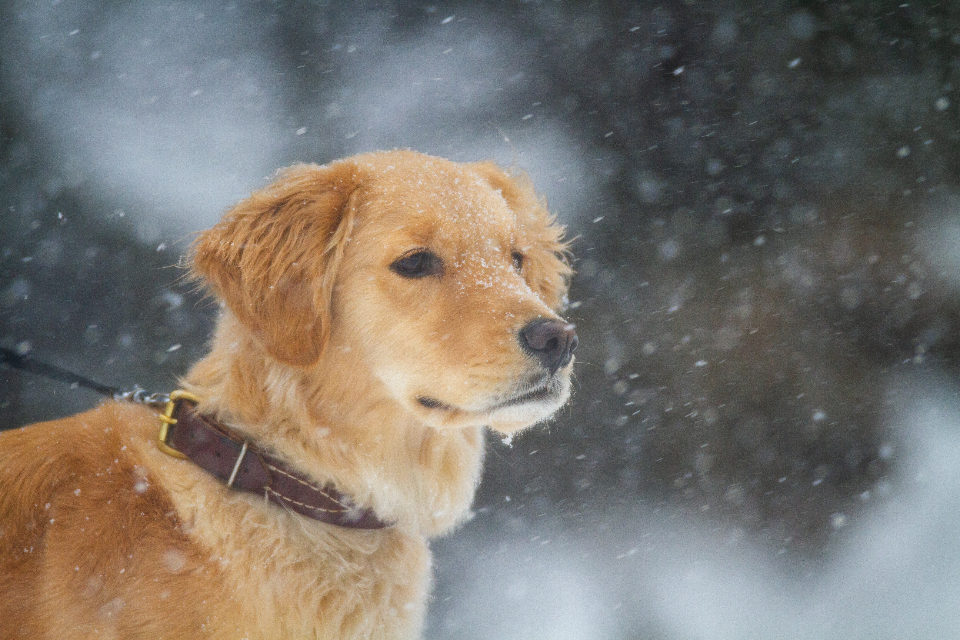

When winter temperatures drop and the first real snowfall blankets the ground, most dogs head straight for the warmest corner of the house. A few, though, do exactly the opposite. Certain breeds were shaped over centuries by some of the coldest environments on earth, and their biology reflects that history in ways that go far deeper than a thick coat.
The five breeds highlighted here consistently appear at the top of cold-tolerance rankings from veterinarians and canine experts. Each one has a distinct story, a distinct structure, and a distinct reason why winter is genuinely their season.
1. Siberian Husky: The Arctic Original
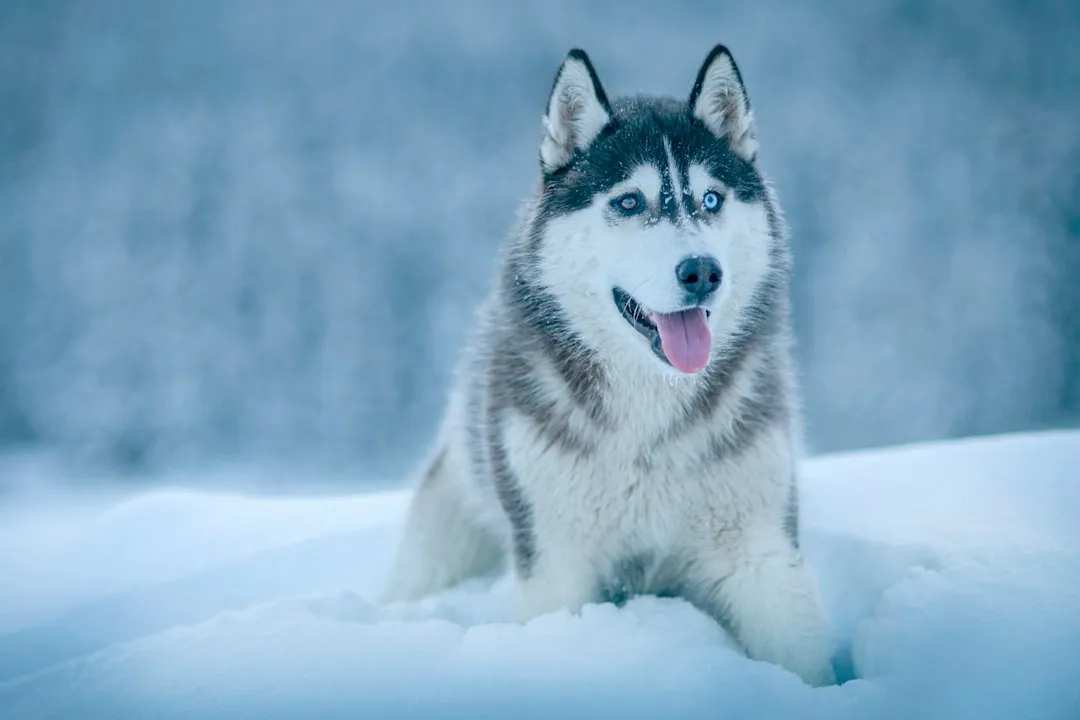
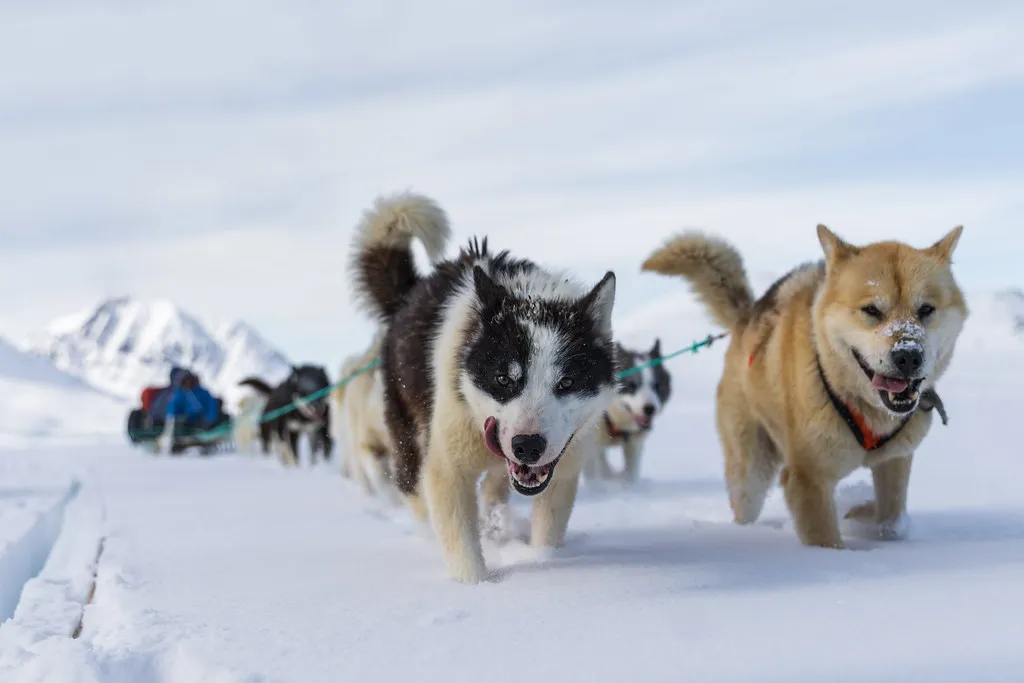
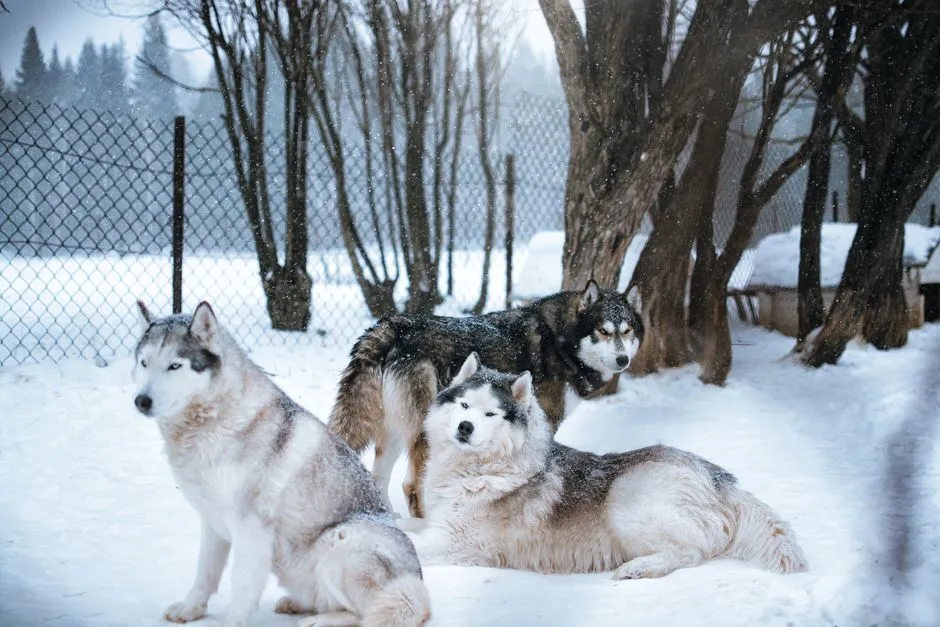
With their thick double coats and boundless energy, Siberian Huskies are the classic cold-weather breed. Originally bred for sled-pulling in harsh Arctic conditions, they are not only striking to look at but also remarkably hardy in freezing environments.
The breed genuinely relishes cold weather because of its thick coat, and it is notably prone to overheating in hot conditions. That’s not a quirk. It’s physiology. Their dense double coats, with a thick undercoat and a longer outer coat, help keep their bodies warm, while their almond-shaped eyes are suited for seeing through heavy snowstorms and their furry paws function like built-in snow boots.
Huskies carry roughly 3,000 years of selective breeding for Arctic endurance work, which is a long time to refine a body for the cold. The American Veterinary Medical Association (AVMA) notes that Huskies and other dogs bred for colder climates are more tolerant of cold, though no pet should be left outside for long periods in below-freezing weather.
2. Alaskan Malamute: Built for Power and Endurance
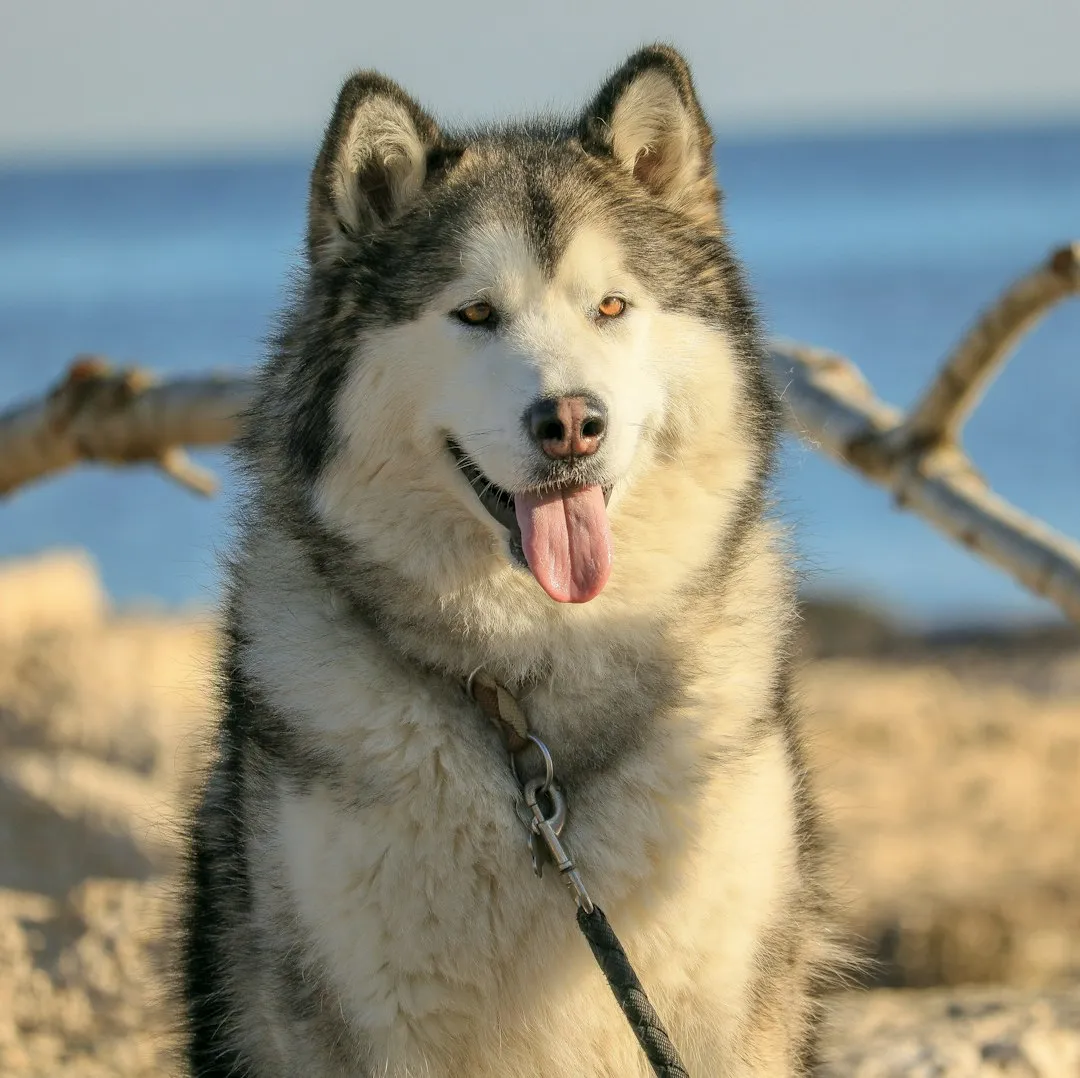
The Alaskan Malamute is the oldest and largest of the Arctic sled dogs, having been used for freighting in the Arctic. They have a thick, coarse coat that keeps them warm. Where the Siberian Husky was bred for speed, the Malamute was always about raw strength.
The Alaskan Malamute is a heavier dog with a more formidable structure than the Siberian Husky. The Malamute was bred specifically for power and endurance, which remains the core requirement of the breed standard to this day.
Veterinarians describe Malamutes as “the heavy-duty freight haulers of the sled dog world,” often weighing between 75 and 85 pounds and standing about 25 inches tall. Alaskan Malamutes are not well-suited for hot climates and need to be monitored for signs of overheating during exercise. Winter is simply where they belong.
3. Samoyed: Smiling Through the Snow
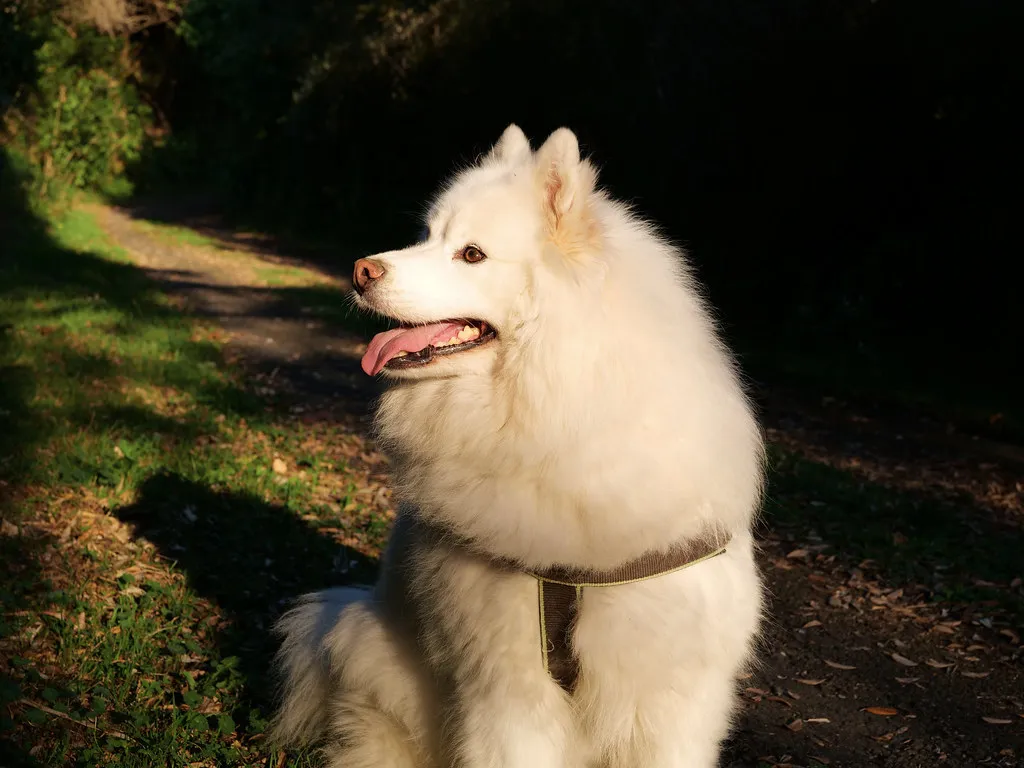
The Samoyed is also known as the “smiling dog” due to their upturned lips. Those lips actually served a practical purpose: they prevented drool from freezing into icicles. That’s just one of the ways this dog was engineered for cold climates, along with thick white double coats that help keep them warm.
The Samoyed, from Siberia, was originally bred for herding reindeer, hunting, and hauling sledges. That range of work demanded a dog that could keep going in extreme cold across long distances, which is exactly what shaped the breed’s resilient frame and dense insulating coat.
Similar to Huskies, Samoyeds were bred by the Samoyedic peoples of Siberia to herd reindeer and pull sleds. Their fluffy white double coat is extremely insulating, and they are friendly, sociable dogs that love winter activity. Owners can expect heavy shedding, especially when they blow their coat seasonally.
4. Newfoundland: Cold Water, Cold Air, No Problem
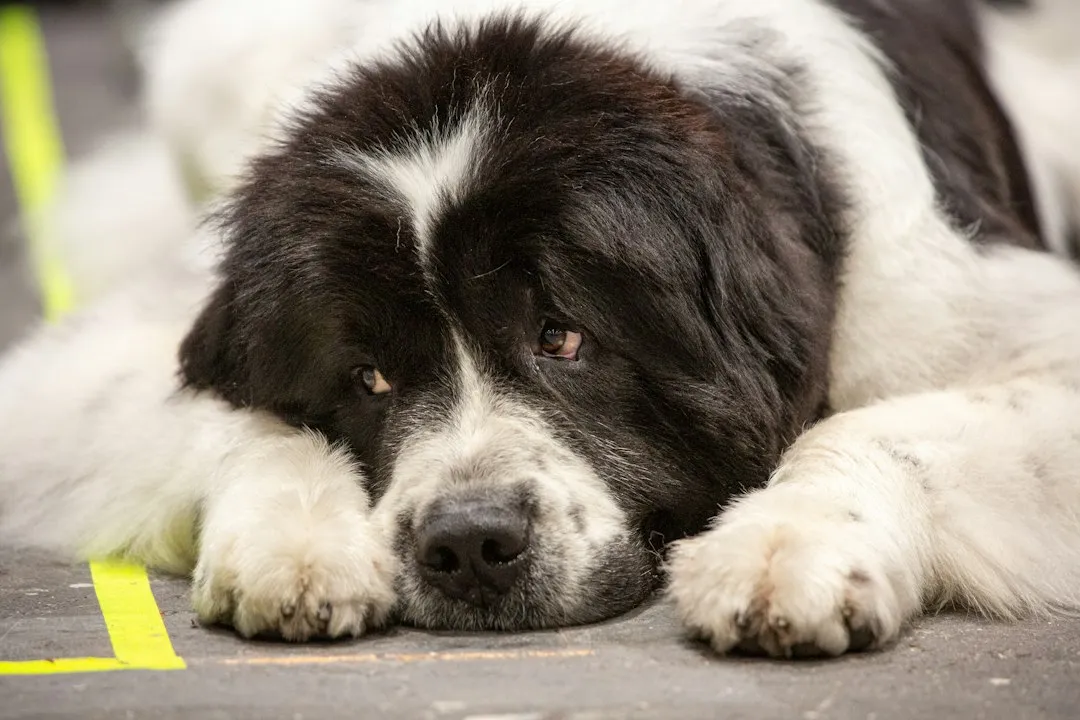
Unlike many cold-weather breeds, the Newfoundland was originally bred to work on fishing boats and in the water. It was important for them to have thick, double coats that could protect them from frigid water. That protection translates just as well to snowy winters on land.
Newfoundlands are calm and patient dogs and can weigh up to 150 pounds. Their size works in their favor in cold conditions. Larger body mass retains heat more efficiently, and the Newfoundland’s bulk is matched by a coat designed to handle wet, freezing conditions that would quickly chill a less equipped breed.
Newfoundlands also have large paws that help to steady them on ice and snow. A heavy coat shielded the Newfoundland from the icy water where the breed first went to work, and its fur formed the barrier between the animal and that chill. The cold, in other words, was never the enemy for this breed.
5. Norwegian Elkhound: An Ancient Nordic Survivor
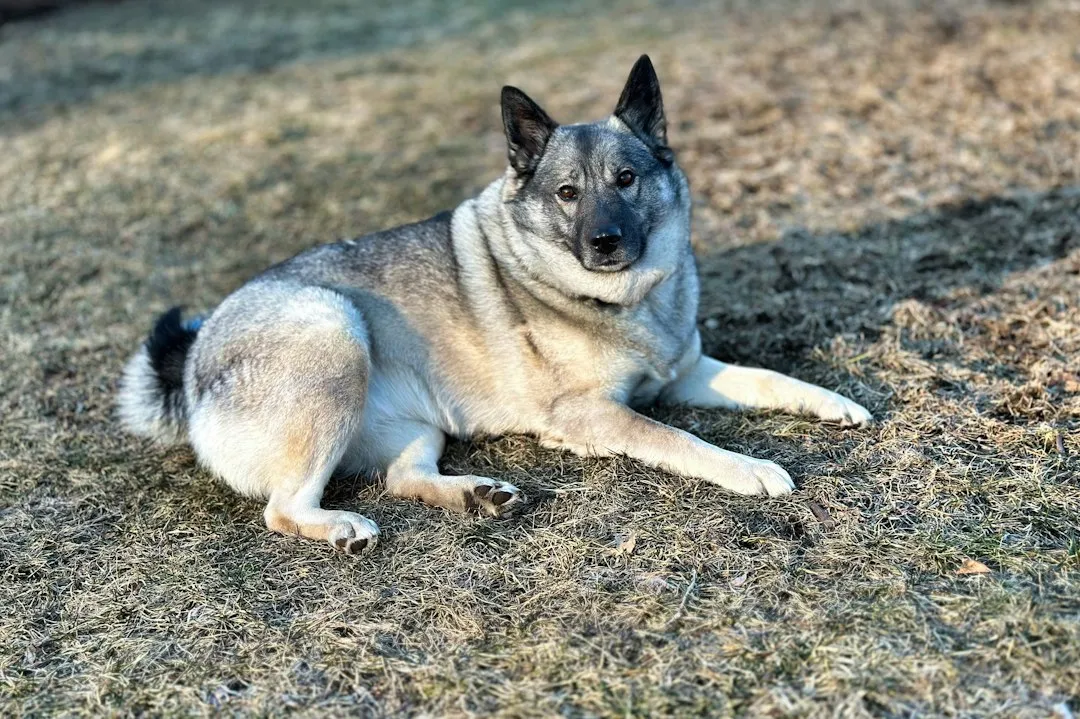
Originating from Norway, the Norwegian Elkhound is a high-energy, ancient dog breed that is perfect for cold weather, requiring experienced owners. Their dense double-layered coat keeps them warm even in the harshest of winters.
An ancient breed from Scandinavia with classic Nordic traits, the Norwegian Elkhound is used to hunting in the cold climate it came from, and those characteristics have stayed firmly with the breed. Always ready for adventure in the snow, the high-energy Norwegian Elkhound has a smooth outer coat and a wooly undercoat.
According to a Cornell University veterinarian, Norwegian Elkhounds, Samoyeds, Huskies, and Malamutes are actually more comfortable in the cold than in a warm environment. The Norwegian Elkhound has earned its place in that group, and its long history hunting large game in Scandinavian winters makes it one of the most naturally cold-adapted dogs in existence.
What Makes These Breeds Different From the Rest
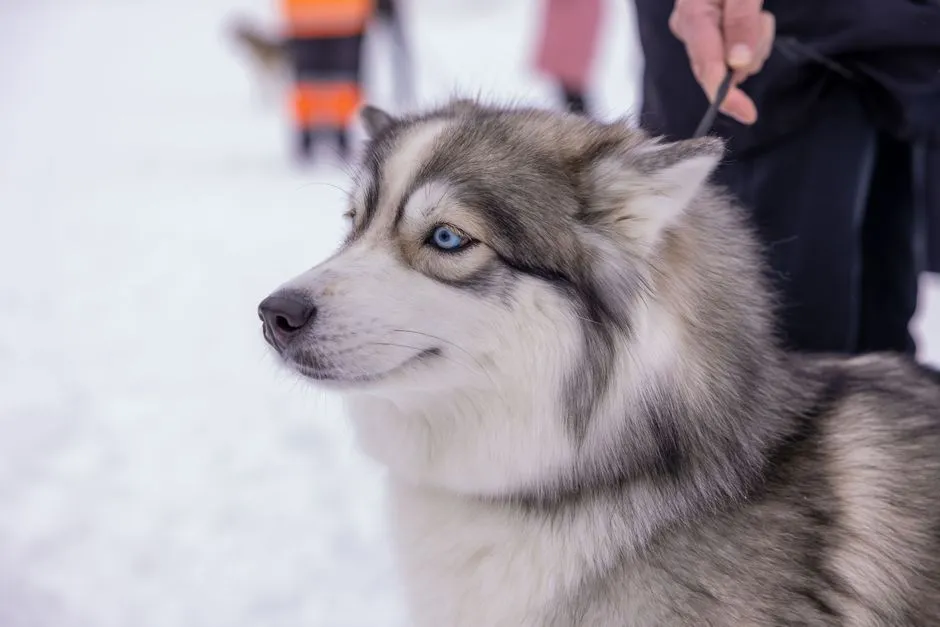
Cornell vets point to Siberian Huskies, Alaskan Malamutes, and other thick, double-coated breeds as often the most well-equipped for cold weather, noting that many of the true cold specialists are Nordic spitz-type breeds. The common thread across all five breeds here is exactly that: a dense, two-layer coat system.
Northern breeds like the Malamute have thick coats, undercoats, and extra layers of skin and fat to help them tolerate colder temperatures, according to Dr. Rebecca Ruch-Gallie of Colorado State University. That layered architecture is the key distinction. Single-coated breeds simply lack the insulation that makes sustained cold exposure manageable.
Breeds like the Siberian Husky, Alaskan Malamute, and similar Arctic dogs require substantial daily exercise, often an hour or more of vigorous activity. If you’re an active person who loves hiking, skiing, or running in winter weather, one of these high-energy breeds could be a perfect match.
Even Cold-Tolerant Dogs Have Their Limits
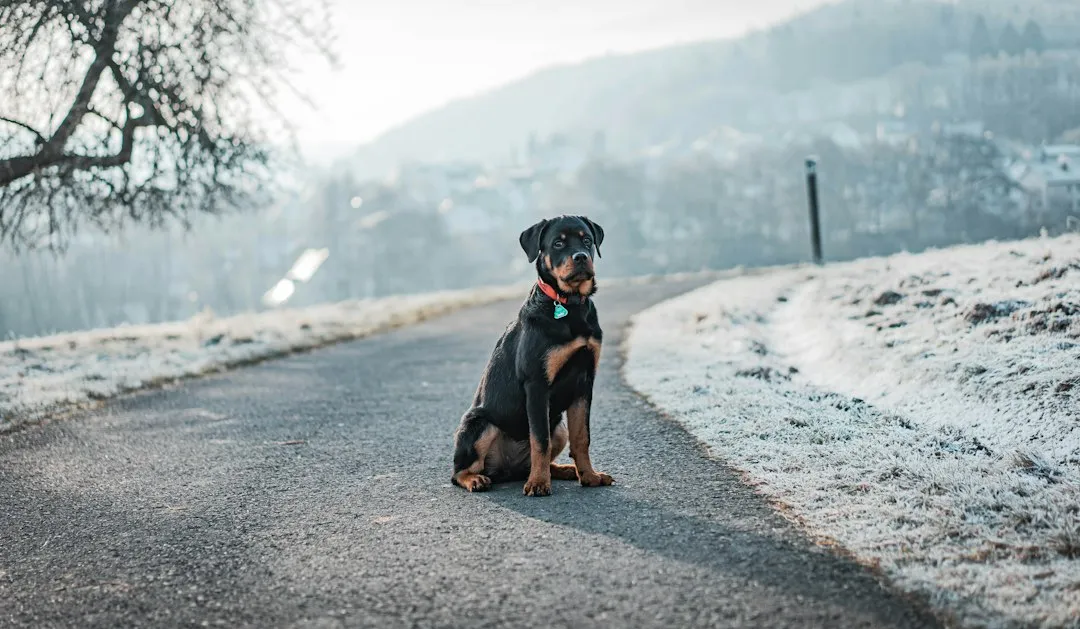
According to Dr. Sarah Wooten, writing for the AKC, larger double-coated dogs can usually stay out 30 minutes to an hour when it’s below 32 degrees Fahrenheit. Even these dogs still need shelter and time limits in freezing weather.
Just because these dogs were bred to withstand cold temperatures does not mean it is safe to leave them outdoors for long on cold days. They, too, can get frostbite and hypothermia. That’s worth keeping in mind, especially during extreme cold snaps.
As one Cornell veterinarian put it, “if it’s so cold that you can’t go out without extreme cold-weather gear, your dog shouldn’t be outside at that temperature either.” Even the most winter-ready breeds need a watchful owner behind them.
Grooming and Coat Care in Winter

The thick coat of a Siberian Husky, for example, requires brushing weekly and even twice daily during shedding season. Because the breed is self-cleaning, baths are usually only needed several times a year. That self-cleaning quality is shared, to varying degrees, across most of these cold-adapted breeds.
Regular brushing matters more in winter than many owners realize. Snow and ice can pack into the undercoat and cause matting, which actually reduces insulation rather than preserving it. For breeds like the Great Pyrenees and other heavily coated dogs, keeping the coat well-brushed ensures they have the best possible cold protection. The same logic applies to all five breeds on this list.
Matching the Breed to Your Winter Lifestyle
If you prefer a calmer pace, a Saint Bernard, Bernese Mountain Dog, or Great Pyrenees may be more compatible with your lifestyle. If you simply want a loving cold-weather companion without the demands of mushing or herding, a Bernese Mountain Dog or Finnish Lapphund may also be a better fit for a household-focused lifestyle.
The five breeds in this article span a range of energy levels and temperaments. The Siberian Husky and Norwegian Elkhound demand serious exercise. The Newfoundland is content with calmer daily walks. The Samoyed and Malamute sit somewhere in between. Knowing which end of that spectrum fits your life before bringing one home will make a real difference, especially in a climate with long, cold winters.
Cold-Sensitive Breeds Worth Knowing About
Cornell’s Riney Canine Health Center names Chihuahuas, Dachshunds, Poodles, and hairless breeds like the Chinese Crested as good examples of breeds that often need extra protection in winter. These dogs sit at the opposite end of the cold-tolerance spectrum and serve as a useful reminder that “dog” is not a one-size-fits-all category when it comes to weather.
French Bulldogs, Boston Terriers, and Pugs face an added challenge in winter. Their short coats combined with brachycephalic breathing patterns make cold-weather exercise difficult, since the airways constrict in cold, dry air. For these breeds, winter outings require real care and often a properly fitted dog coat.
The Takeaway
The five breeds covered here, the Siberian Husky, Alaskan Malamute, Samoyed, Newfoundland, and Norwegian Elkhound, aren’t just tolerating winter. In many ways, they’re built for it. Their coats, their metabolisms, and their histories all point in the same direction.
Still, cold tolerance isn’t a free pass. Every one of these dogs benefits from attentive ownership, appropriate shelter, and an owner who pays attention to conditions rather than just trusting biology. The best winter dog isn’t just the one with the thickest coat. It’s the one whose needs you genuinely understand.
AI Disclaimer: This article was created with the assistance of AI tools and reviewed by a human editor.