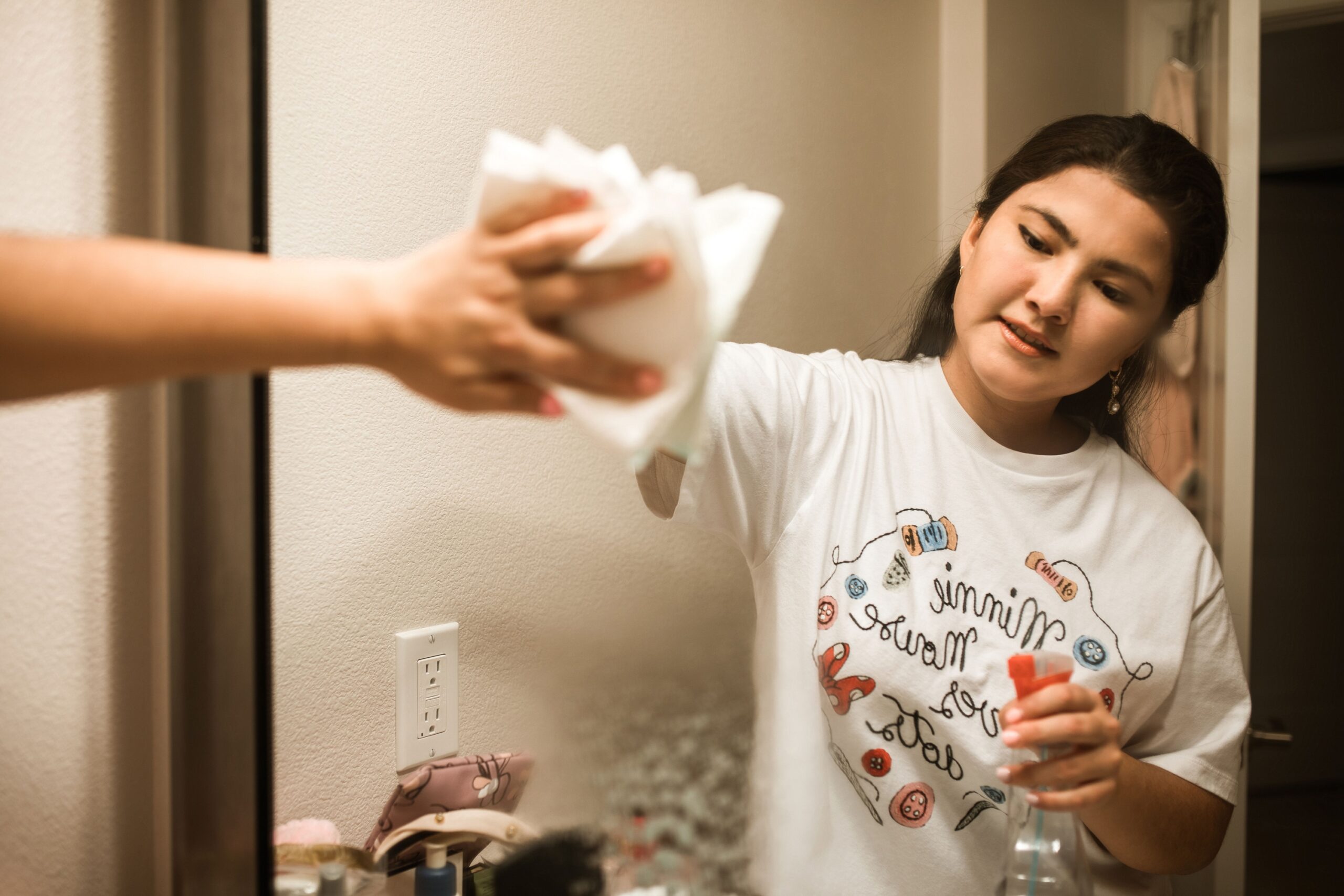

Paper Towels Were Never Designed for Glass
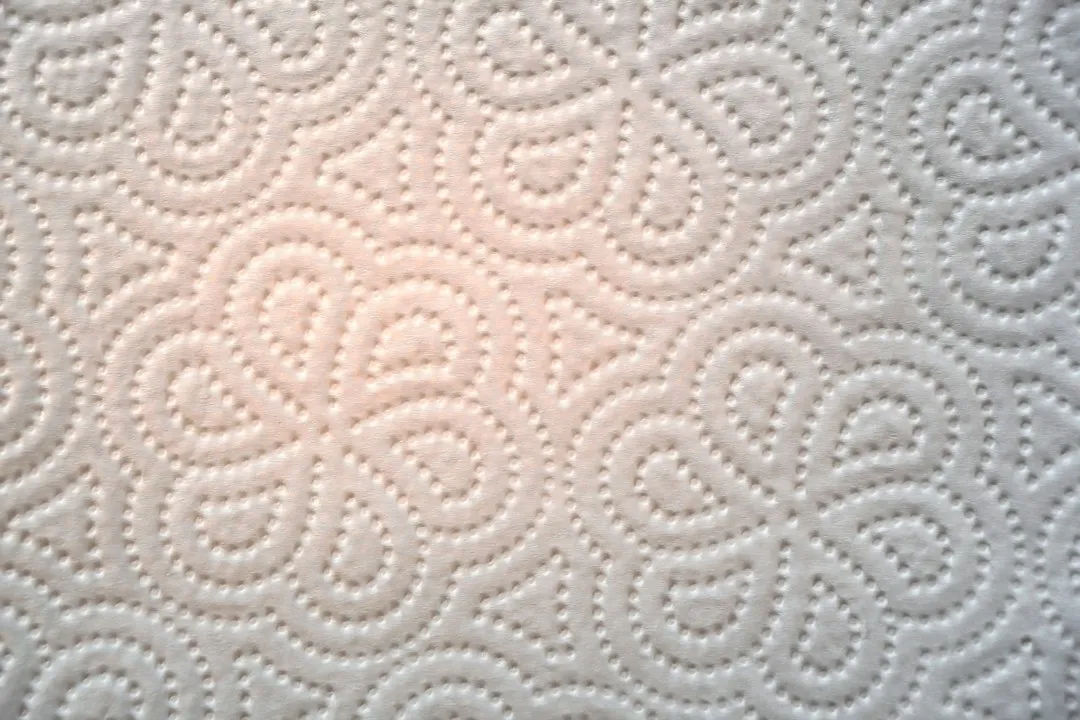
Paper towels are built for absorbency and single-use convenience. They’re engineered to soak up spills, not to interact gently with a reflective surface. They don’t actually absorb much on glass surfaces and tend to push moisture around instead of lifting it, while also leaving behind lint or tiny fibers that add to the streaky look.
A telltale sign that windows and mirrors were cleaned using paper towels is the streaks and lint left behind. The trail of lint and residue on the surface is an inevitable result of the tiny paper fibers that make up a paper towel, and when a clean, streak-free finish is the goal, a paper towel will work against you every time.
The Lint Problem Is Worse Than It Looks

The biggest issue when it comes to getting mirrors clean is using paper towels. They’re single-use and leave tiny bits of residue that can create an even bigger mess.
Many paper towels leave behind tiny lint fibers and don’t distribute glass cleaner evenly, making it difficult to achieve a crystal-clear finish. These fibers are almost invisible while you’re wiping, but they catch light at certain angles after the glass dries, turning your cleaning effort into a second problem to solve.
Dry paper towels break apart, leave behind visible paper lint, and can cause fine scratches on high-gloss surfaces. On mirrors, those micro-abrasions are subtle at first, but they accumulate over time.
Saturation Kills Performance Quickly
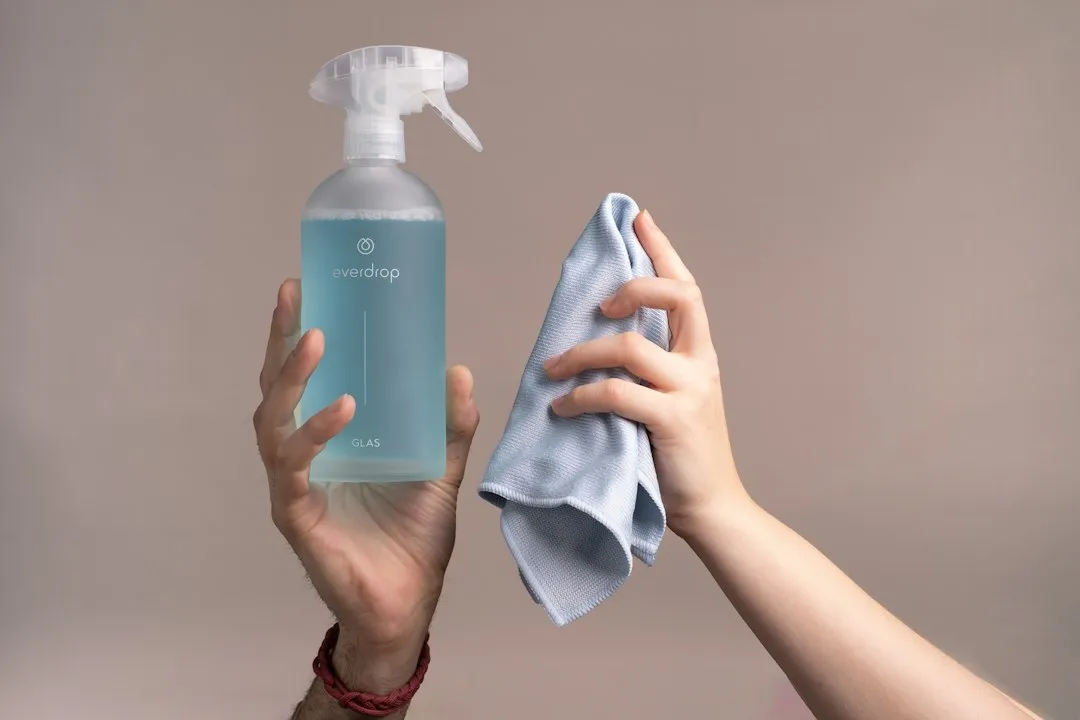
At a certain point, a paper towel simply can’t hold any more moisture, and when that happens, it stops cleaning. Instead of absorbing liquid and residue, a saturated cloth starts redistributing it across the surface, which is when those frustrating streaks appear no matter how much you wipe.
This is a practical issue in any real cleaning scenario. You often need multiple passes on a bathroom mirror, especially after a steamy morning or a week without attention. A paper towel degrades during those repeated passes in a way that a quality microfiber cloth simply does not.
Microfiber Works at a Different Scale Entirely
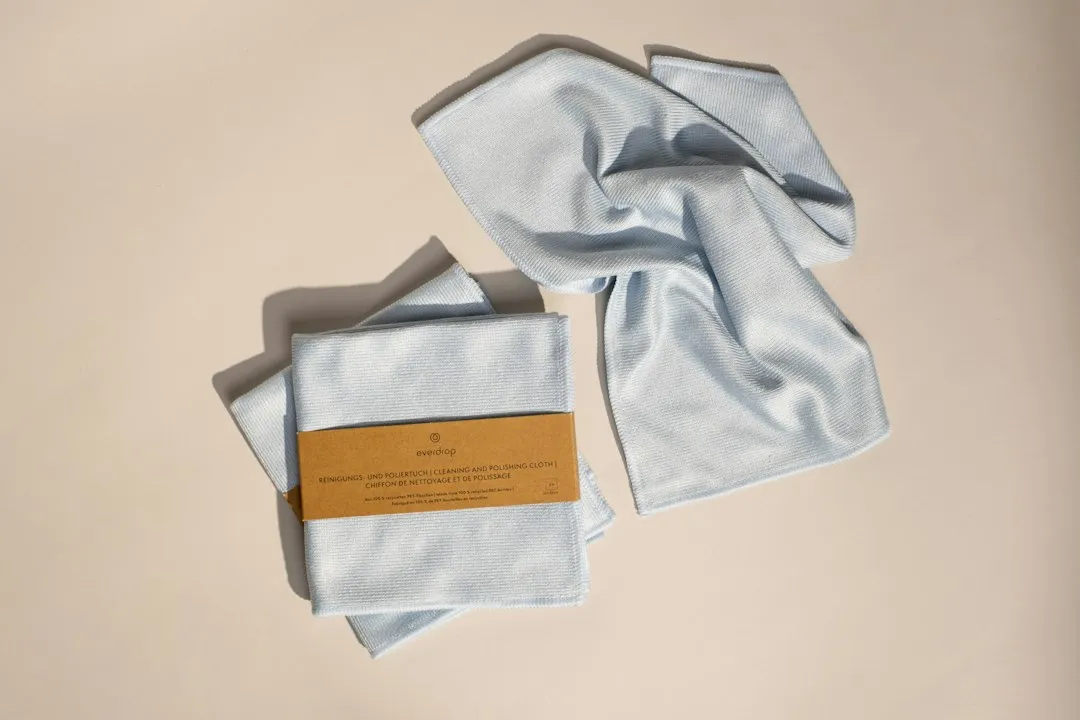
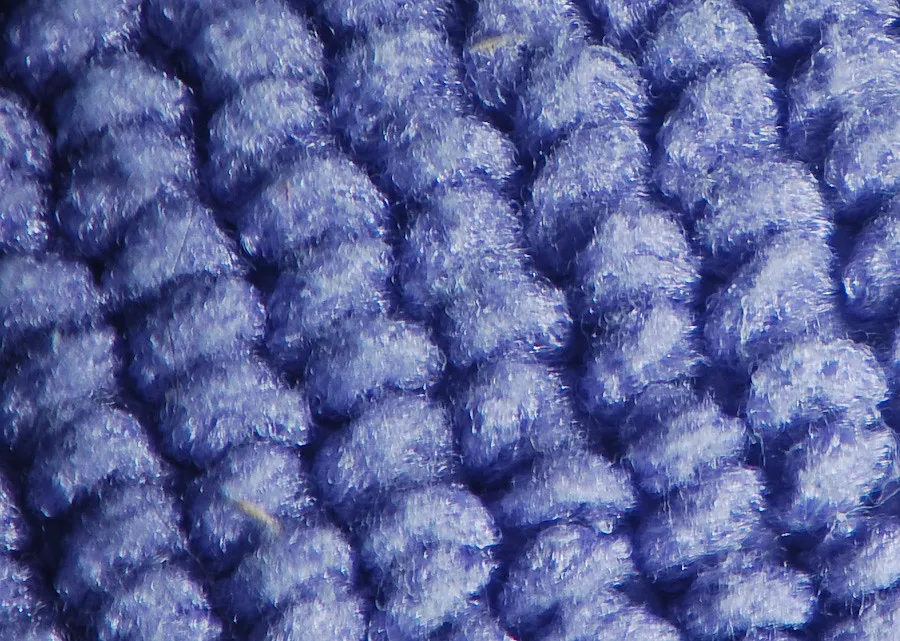
Microfiber cloths use microscopic fibers that are literally 100 times thinner than a human hair, creating a cleaning powerhouse that lifts dirt, oils, and grime without leaving behind any residue.
The densely woven fibers create more surface area than a flat paper sheet, helping the cloth collect particles rather than simply push them around. That’s the core difference. It’s not just softer; it’s structurally built to trap rather than smear.
A high-quality microfiber cleaning cloth can hold up to seven times its weight in water and can remove up to nearly all surface bacteria using just water, with no chemicals needed. That level of performance makes a paper towel look almost primitive by comparison.
Flat-Weave Microfiber Is the Specific Tool Professionals Reach For
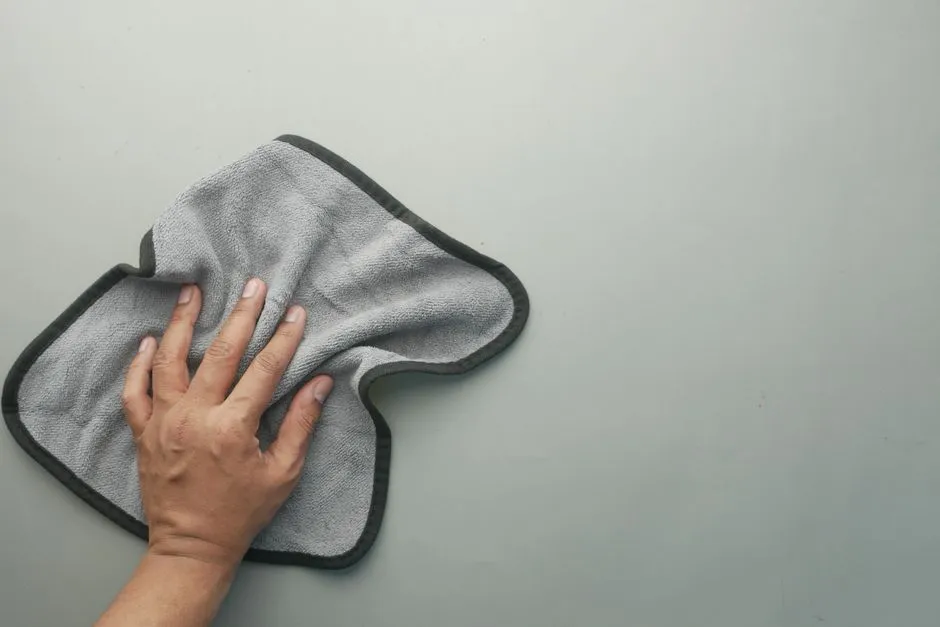
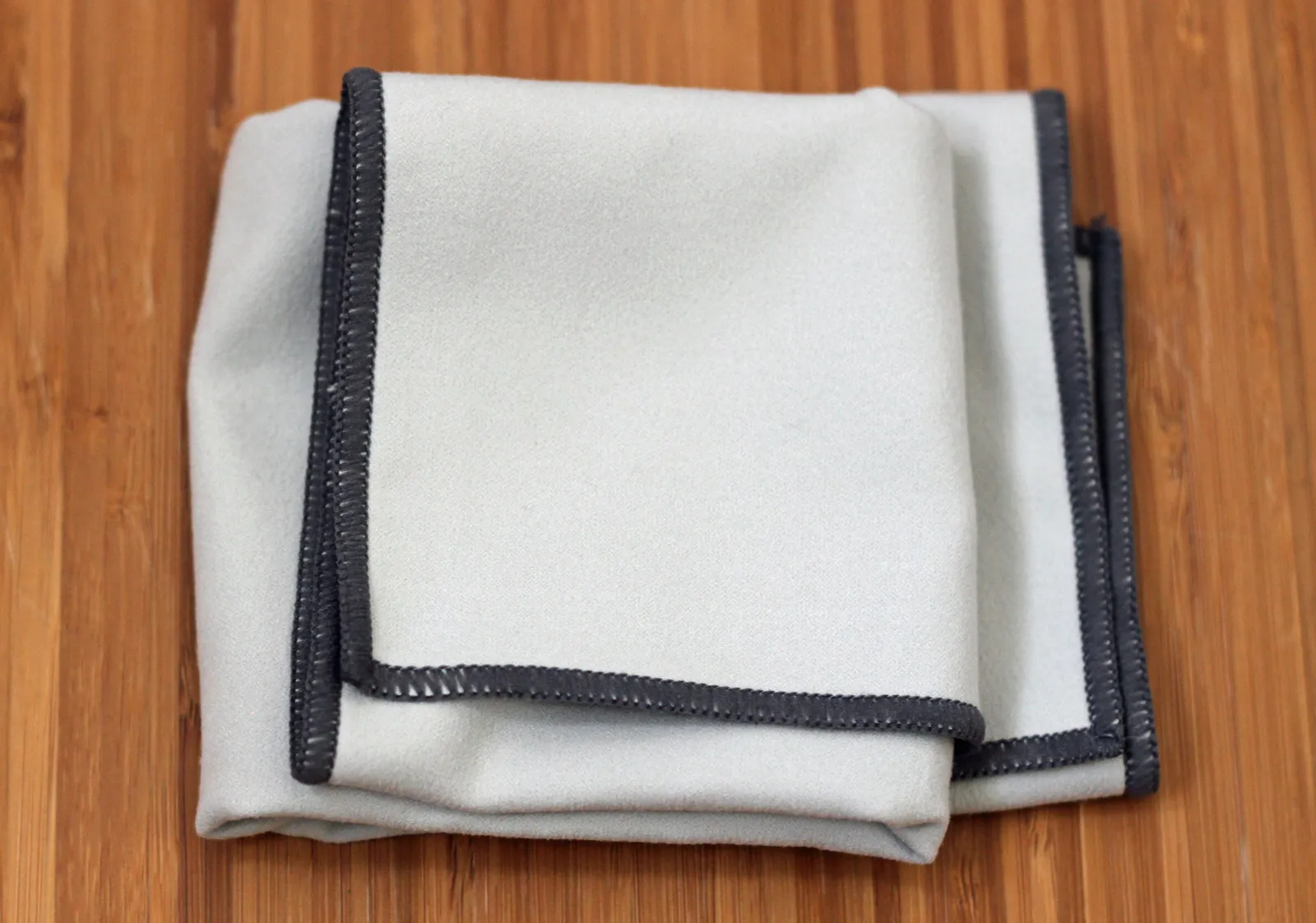
A flat-weave microfiber cloth is the best option for saving time and energy when making sure a mirror is spotless. Flat-weave cloths ensure that no annoying debris gets left behind since nothing can cling onto the surface, and their texture also helps the mirror dry much faster.
These tools are specifically engineered to lift oils and debris without shedding the lint associated with paper towels or standard cotton rags. There’s also a colour-coding system many commercial cleaning teams follow to prevent cloths from being cross-used between different areas of a home or facility, keeping mirror cloths reserved exclusively for glass surfaces.
The Two-Towel Method Professionals Actually Use
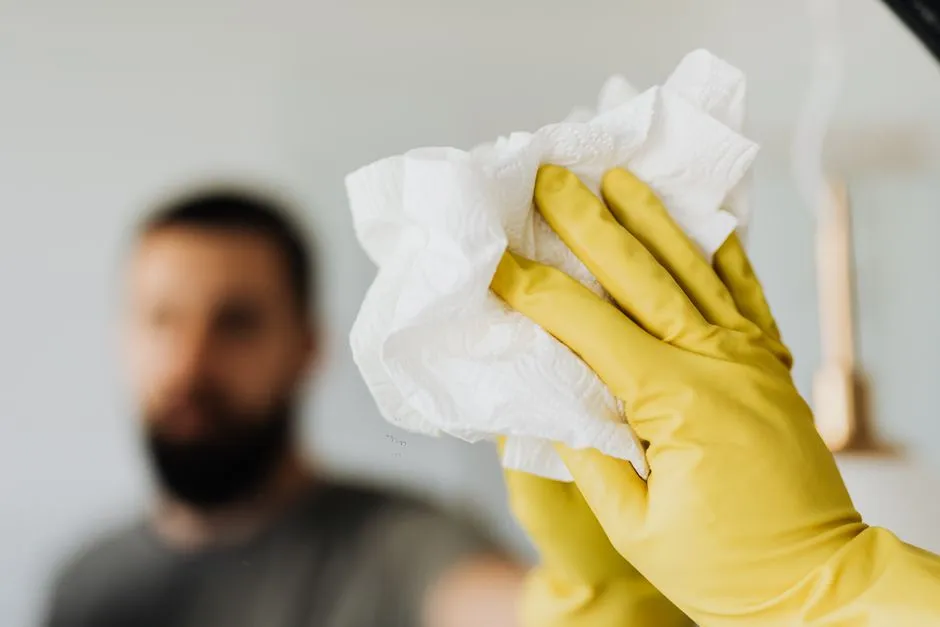
Most people do a single pass to clean a mirror, and it looks great at first, but then they return later and find cloudy, streak-filled surfaces from moisture left behind. The professional approach uses a two-towel system: one cloth to clean and then a separate dry cloth to buff out any streaks.
Overloading the mirror with cleaner creates more work. Spraying product onto the microfiber cloth instead of directly onto the surface prevents overuse, and it also stops liquid from sneaking beneath the mirror edge and creating unwanted tarnish spots.
Spraying Directly onto the Mirror Is Another Common Mistake
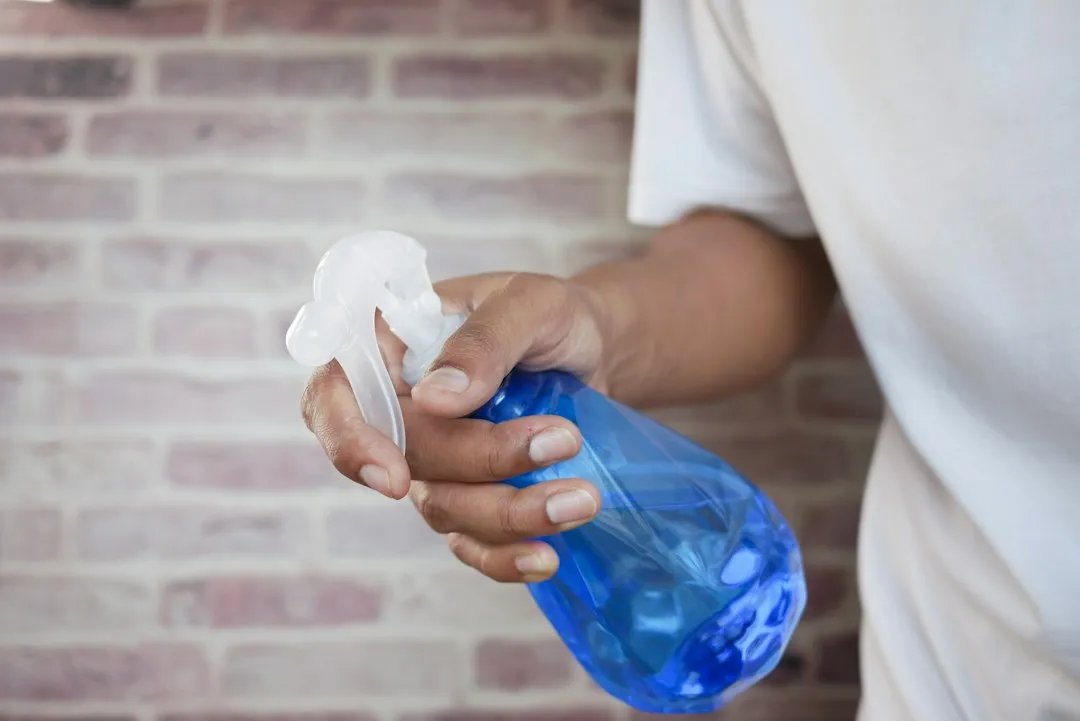
Amateur cleaners often mist glass cleaner directly onto mirrors, tables, and electronics. This habit leaves behind heavy streaks and puddles. Professionals apply product to the cloth first, giving them precise control over how much moisture actually reaches the surface.
The difference between domestic and professional cleaning results often lies in the evaporation rate of the solution used. Professional solutions utilise fast-acting solvents that disappear almost instantly, leaving no time for streaks to form. That matters most when you’re not fighting the additional residue load a paper towel introduces.
The Cleaning Performance Gap Is Measurable
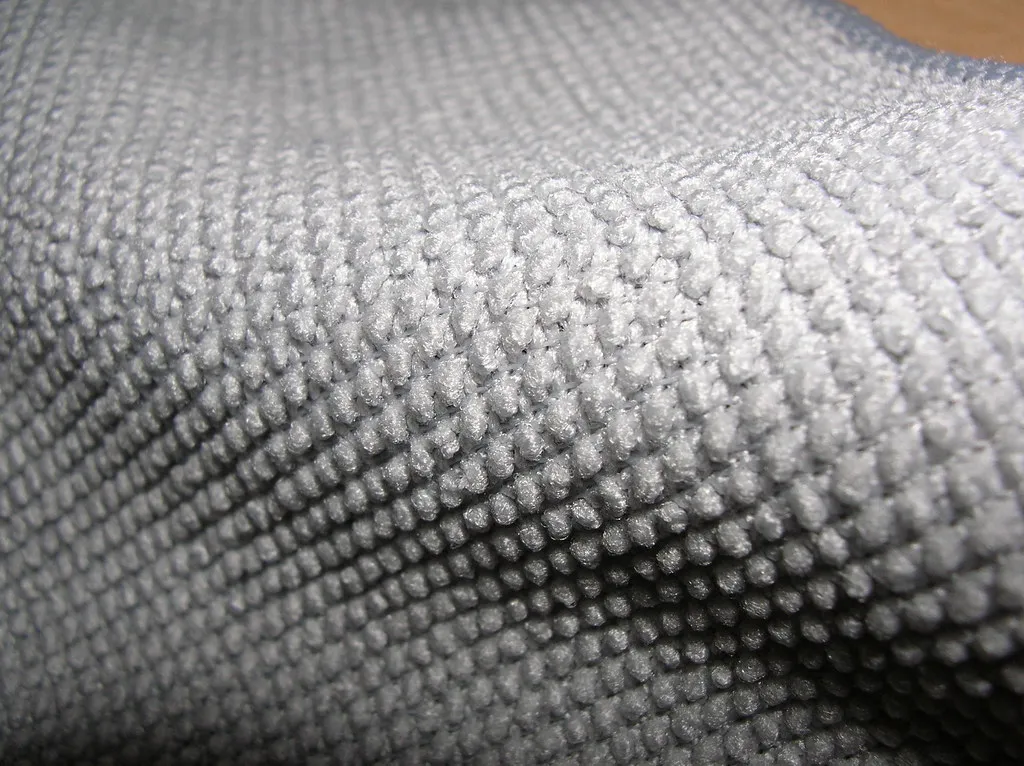
In testing that compared cleaning tools using ATP readings (a measure of biological contamination), paper towels achieved roughly a 79 percent pathogen reduction, while microfiber cloths achieved a 93 percent reduction, the lowest ATP score and the highest percentage reduction of any tool tested.
Microfiber cloths have a distinct edge over paper towels in cleaning effectiveness, with research showing microfiber can collect nearly all bacteria and dust while paper towels manage only about half, according to findings referenced by NIH-sourced literature. Those numbers matter most in bathroom environments where mirrors sit directly adjacent to sinks and toilets.
The Environmental Cost of Reaching for a Paper Towel
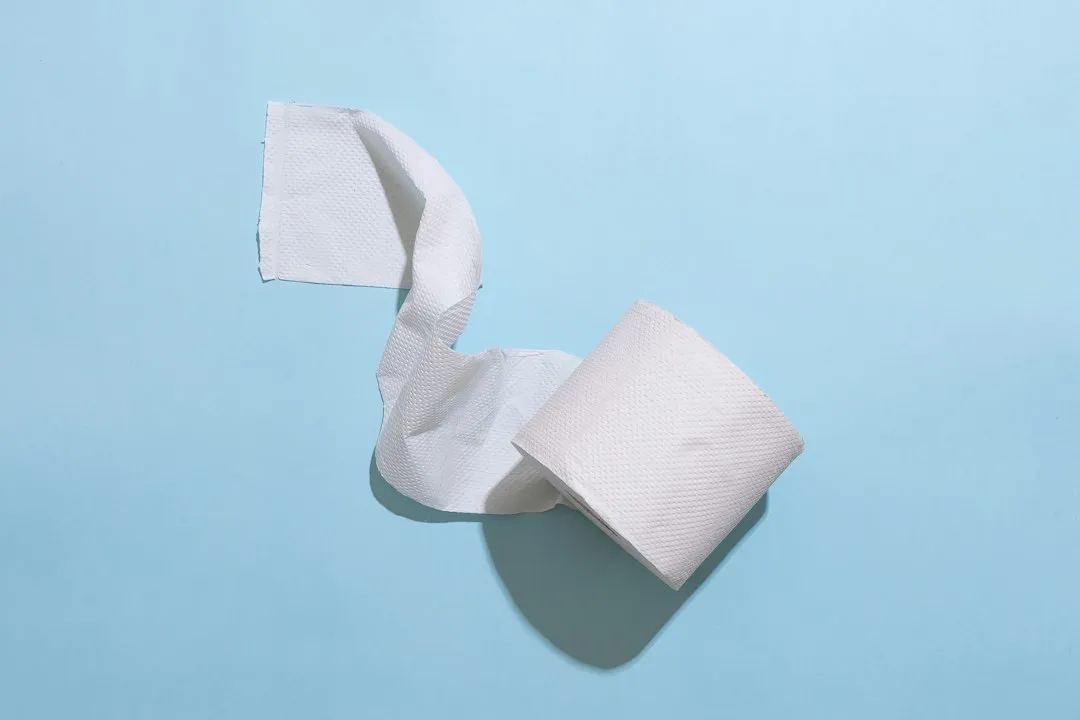
The United States holds the title of being the most paper towel consuming country in the world. In North America, more than 51,000 trees are cut down to support paper towel consumption every single day.
More than roughly half of consumers now express concern about the solid waste generated by disposable paper towels. Microfiber cloths reduce the consumption of paper towels and chemical cleaning agents, appealing to environmentally conscious consumers and corporate sustainability programs. For professional cleaning companies managing dozens of clients, that environmental math adds up fast.
The upfront price of a microfiber cloth is higher than a single paper towel, but that’s not the useful comparison. Comparing a set of well-made, washable cloths with the rolls of paper towels used over months of ordinary cleaning shows that a cloth remaining effective through repeated laundering can replace a considerable amount of disposable wiping.
What the Market Shift Tells Us
The microfiber cleaning cloths market was valued at 672 million USD in 2024 and is projected to reach 801 million USD by 2032. That steady growth reflects both professional adoption and a wider consumer shift away from disposable cleaning tools.
There is a noticeable shift among consumers away from traditional rags and paper towels towards reusable and effective cleaning tools. Advancements in microfiber technology, such as the development of finer fibers and specialized weaves for specific applications like glass cleaning, continue to enhance product performance. The gap between what professionals use and what the average household reaches for is narrowing, but it still exists.
The Takeaway
The paper towel isn’t failing because it’s a bad product. It’s failing on mirrors because it was never the right product for that surface. Professional cleaners rarely use paper towels on mirrors because microfiber glass cloths remove fingerprints, toothpaste splatters, and water spots far more effectively, absorbing moisture evenly without leaving lint or streaks behind.
Switching tools costs very little. A decent flat-weave microfiber cloth lasts through hundreds of washes, outperforms paper on glass every single time, and removes the guesswork from getting a genuinely clear result. The professionals figured this out long ago. The rest of us are simply catching up.
AI Disclaimer: This article was created with the assistance of AI tools and reviewed by a human editor.