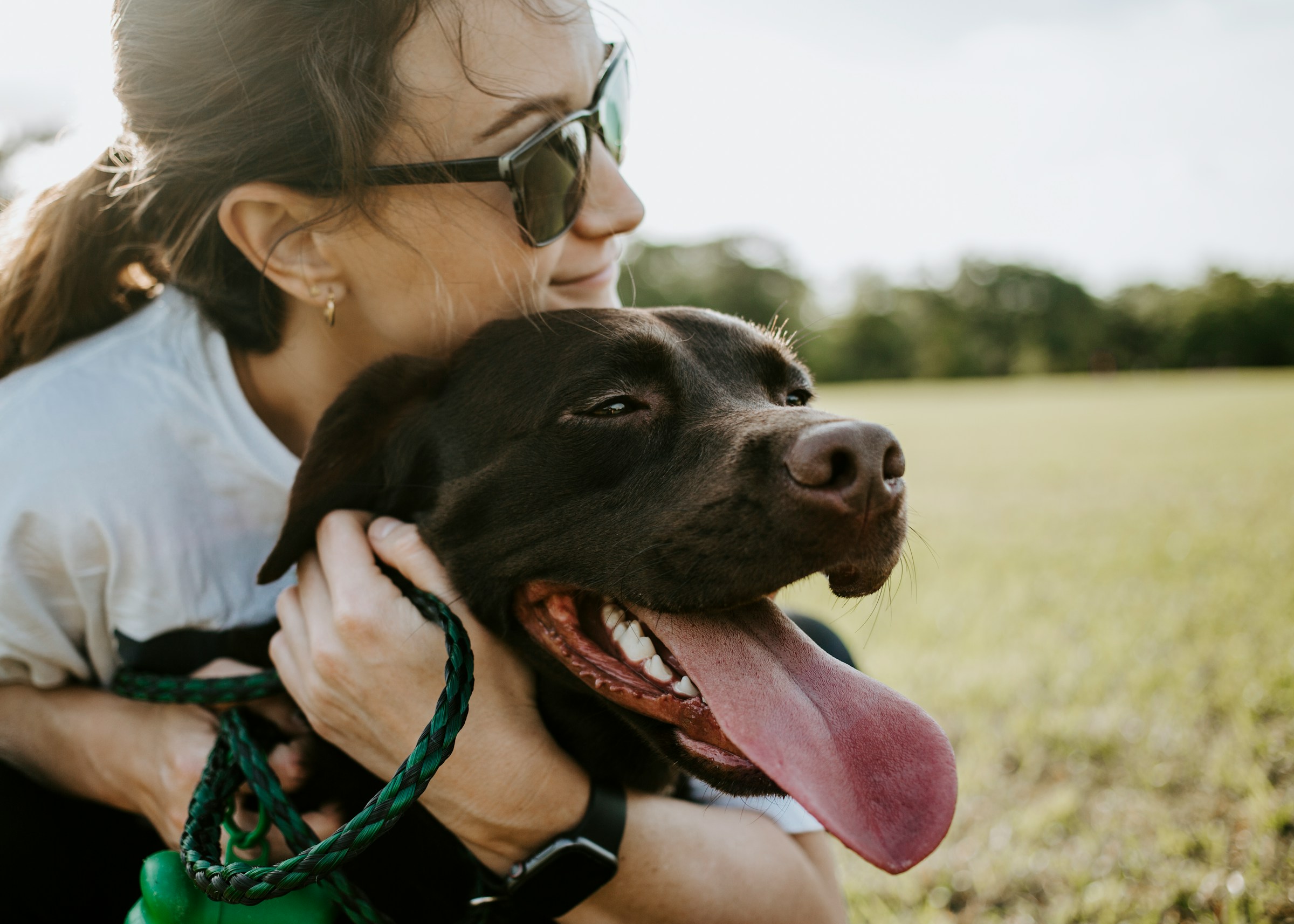

Anyone who has been away from a dog for months or even years knows the moment well. You walk through the door, and within seconds the dog reacts as if no time has passed at all. It’s not wishful thinking, and it’s not just excitement at a new arrival. Something real is happening in that animal’s brain, and science has gotten much better at explaining what.
The question of how dogs hold onto memories of specific people has drawn serious research attention in recent years. The answers involve brain chemistry, ancient evolutionary bonds, and sensory systems that work in ways we’re still learning to fully appreciate.
Dogs Have Two Distinct Memory Systems

Dogs possess two primary types of memory: short-term and long-term. While they can remember certain actions for a very short span, their long-term memory allows them to recall experiences and interactions with remarkable accuracy over extended periods. These two systems serve very different functions in daily life.
Dogs’ memories fall into two categories: short-term and long-term. In the short term, dogs only remember events for a few minutes, which explains why they often react exuberantly, as if they had just rediscovered their owner. Studies show that dogs can also store information for years.
Canine cognition researchers break memory into two main categories: associative memory and episodic-like memory. Understanding the difference between these two is key to understanding why a dog greets you so warmly after a long absence.
Long-Term Memory Can Last Years, Not Just Days
Research shows dogs’ long-term memories can last between two to five and a half years. That’s a wider window than many people expect, and it has real implications for dogs who have been rehomed, separated from owners, or simply left behind during a move.
Significant events and familiar emotional connections often leave lasting impressions, demonstrating the depth of their long-term memory. It’s not just that dogs passively retain information over time. The emotional weight of an experience seems to actively strengthen how well it sticks.
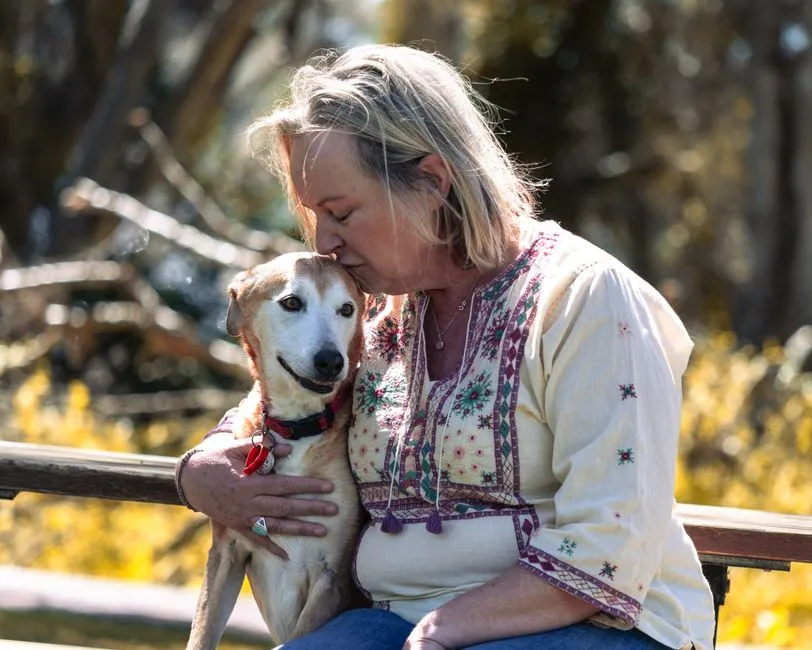
Dogs can remember owners for years, sometimes after five or more years of separation. They associate scents and voices with comfort and love, strengthening their ability to remember people.
The 2024 Biology Letters Study Confirmed Multi-Year Retention
On September 4, 2024, new research was published in Biology Letters that examined dogs’ long-term memory and just how good it is. In the journal Biology Letters, Shany Dror of Eötvös Loránd University in Hungary and their research team discovered just how far back a dog’s long-term memory goes.
The team wanted to learn more about a dog’s ability to remember. To do this, they studied five dogs who had previously learned the names of twelve toys. The toys were then put away for two years so the dogs didn’t have access to them. When tested afterward, the results were striking.
Shany Dror said their research demonstrated that some dogs are capable of holding onto long-term memory when it comes to certain words. The dogs proved to remember the labels of between three and nine objects. As memory plays a crucial role in language development, these dogs provide a unique opportunity to study label retention in a non-linguistic species.
Episodic-Like Memory: Dogs Remember Specific Events
Research on episodic-like memory in animals further challenges the traditional view that complex memory systems are exclusive to humans. By studying how animals use episodic-like memory, researchers can uncover fundamental principles that illuminate memory’s evolutionary roots.
Research suggests that dogs have something similar to episodic memory. The longer the canines wait, the more trouble they have recalling specific actions. That’s similar to human episodic memory, which decays at a faster rate when an event isn’t intentionally recorded.
Recent research supports the idea that dogs have episodic memories associated with moments in the past. Researchers found dogs could recall human actions in both instances, meaning dogs could remember a specific moment in the past. However, researchers could only conclude dogs have “episodic-like” memory since they can’t say whether canines possess self-awareness or not.
Scent Is the Most Powerful Memory Trigger

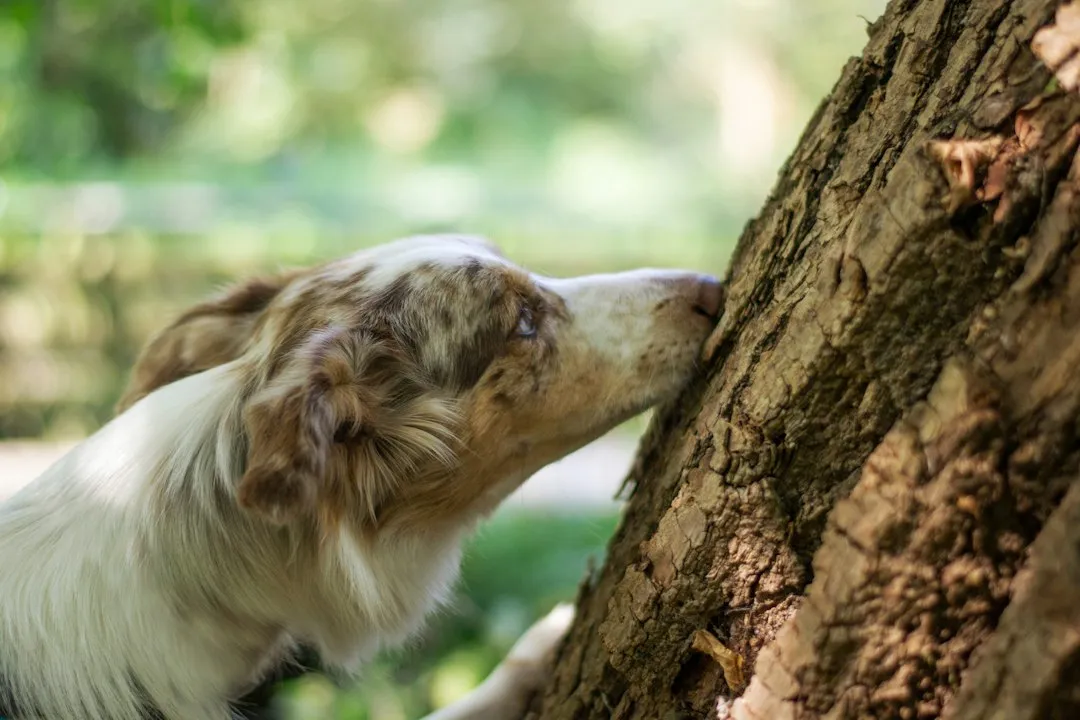
Dogs rely heavily on their acute sense of smell to identify and remember individuals, even years after separation. This isn’t a small advantage over human noses. It’s an entirely different scale of perception.
With around 300 million olfactory receptors, compared to just 6 million in humans, dogs can sense even the most subtle shifts in scent, including those caused by hormonal changes. Every person carries a unique chemical signature, and dogs are built to read it.
The olfactory bulb in their brain is directly tied to memory and emotion. When your dog catches your scent, it activates powerful memories stored in the hippocampus and amygdala. Those two brain regions are central to both long-term memory and emotional experience, which helps explain why scent can trigger such an intense reaction.
The Brain Architecture Behind Recognition
The hippocampus stores long-term memory, the amygdala processes emotional connections, and the olfactory bulb identifies scent. Together, these areas form a multi-sensory imprint of a person: their smell, their voice, their face, and the emotions they shared.
Recognition of individual people in mammals is thought to be mediated by a distributed array of neural networks, including those processing olfactory cues. Social memory can be supported by olfactory cues alone, and interactions with an individual lead to increased neural representations of that individual in the anterior olfactory nucleus.
What makes this system so durable is how distributed it is. Memory of a person isn’t stored in one spot. It’s woven across multiple systems, which makes it harder to lose.
Oxytocin Reinforces the Bond and the Memory

There is evidence for dog-owner oxytocin-mediated positive loops facilitated and modulated by interactions such as petting the dog or a friendly eye gaze. The release of oxytocin in both species while interacting with each other facilitates the creation of a strong social bond over time.
Both species demonstrate an increase in oxytocin following positive social interactions. Recognition memory for other individuals forms quickly. Such memories are enabled by oxytocin and can be retrieved from reinforced and more distinct neural representations even when only limited sensory information is available.
Domestication may have allowed two species to recruit part of the same bonding system through eye contact. Over thousands of years of living alongside humans, dogs evolved to form these bonds deeply and durably, and their memory systems appear to reflect that.
Facial and Voice Recognition Play a Supporting Role

Research explores how dogs use scent, facial recognition, and emotional cues to identify and recall people. Scent is usually the dominant channel, but it doesn’t work alone. Dogs cross-reference multiple signals when identifying someone familiar.
Dogs can remember and recognize faces, using visual cues alongside scent to recall their favorite people. Positive interactions and shared experiences create lasting emotional memories for dogs. The combination of these inputs creates a richer, more resilient memory trace than any single sense could on its own.
This multi-channel recognition also explains why dogs sometimes hesitate before reacting to a returning owner. They may catch the scent first, then confirm with sight or sound before fully committing to that joyful greeting.
Emotional Memory: How You Made Them Feel Matters Most
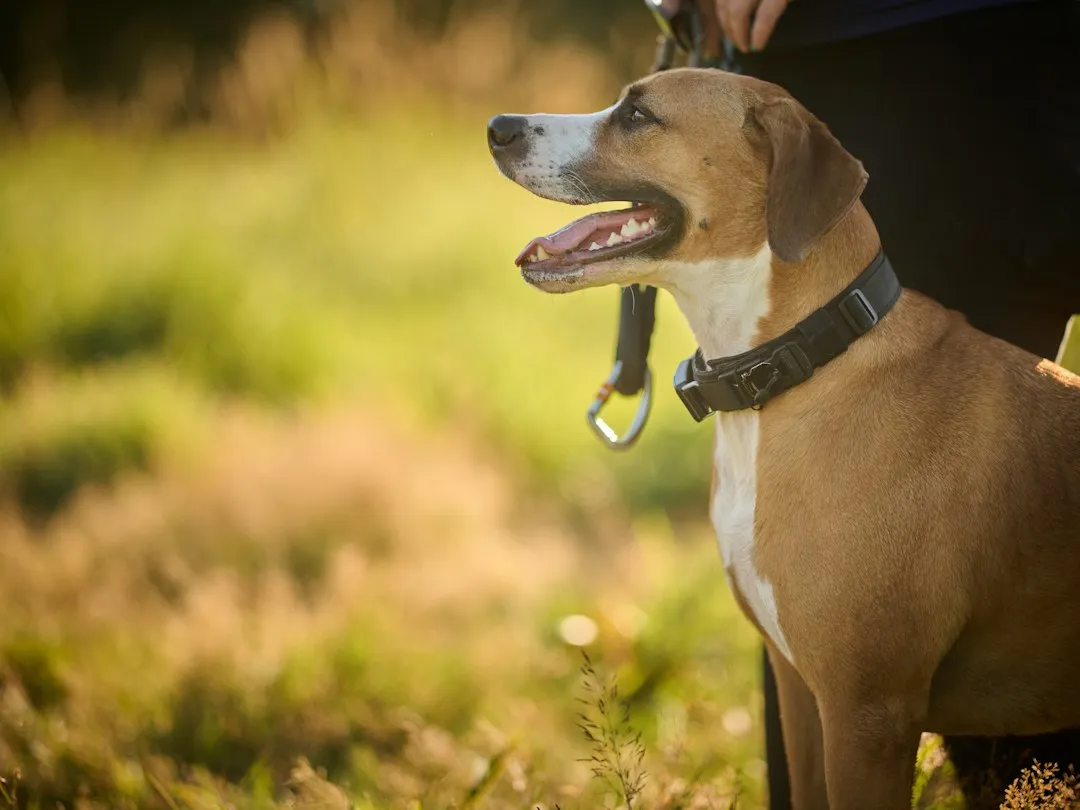
Dogs’ long-term memories seem to be based not only on associations, such as linking a sound to an event, but also include memories of concrete experiences, known as episodic memories. This means what a dog remembers about a person is partly about how that person made them feel.
Dogs are emotional archivists. They don’t need perfect recall to remember that a person matters. The emotional texture of a relationship, the warmth, the routines, the safety, can persist even when the precise memories become less sharp over time.
This is worth keeping in mind for anyone who worries that a dog will “forget” them after a long separation. The bond itself can be its own form of memory, stored not just in the brain but woven into the dog’s behavioral patterns and emotional expectations.
The Strength of the Original Bond Shapes How Well They Remember
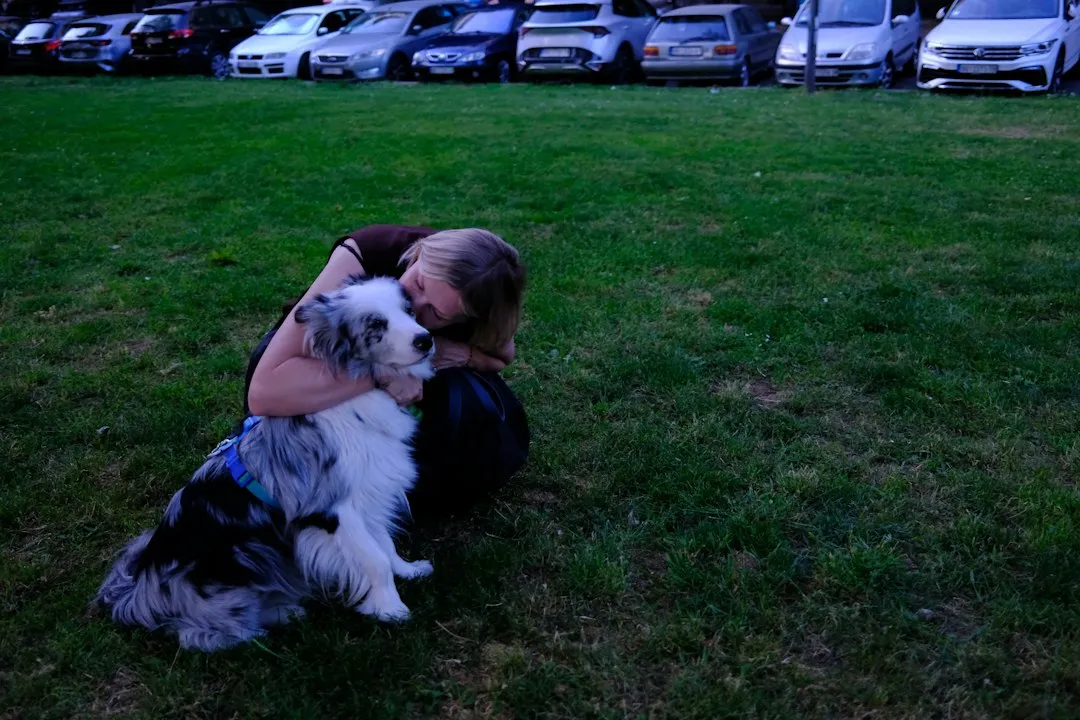
Anecdotal evidence and several behavioral studies show dogs can remember people after years, especially if the bond was strong. Dogs can remember people after months or even years, especially if the bond was emotionally strong. The depth of the relationship during the time spent together appears to be one of the strongest predictors of long-term recognition.
The dog whose owner reported longer daily interactions demonstrated a slightly higher performance during memory retention tests, according to the 2024 Biology Letters study. More time together, it seems, means more robust memory traces.
Daily routines, shared play, training sessions, and even quiet time spent together all accumulate into something lasting. For dogs, the people who showed up consistently and reliably tend to be the ones they never quite let go of, no matter how much time passes.
The Takeaway

What the research now confirms, and what dog owners have long sensed, is that the memory a dog holds of a person is genuinely complex. It’s layered across scent, emotion, voice, and learned association, all reinforced by brain chemistry that evolved specifically to support social bonding.
When a dog recognizes someone after years apart, it’s not a trick or a reflex. It’s the result of a durable, multi-system memory built from real shared experience. That recognition is, in a quiet way, one of the more remarkable things about the relationship between dogs and people.
AI Disclaimer: This article was created with the assistance of AI tools and reviewed by a human editor.