
Picture a grove where every trunk rises straight up, slim and upright, with branches pressed close to the stem. That is the columnar habit of fastigiate trees, a shape gardeners often choose when space is tight. In a November 18, 2026 post on the garden blog ([1]), the GardenRant writer argues that a narrow tree can be a smart choice in the right spot, but that the same shape can look wrong when it is set in an open, natural-looking landscape.
A forest that feels off
The post starts with a thought experiment. Walking through a forest of fastigiate trees would not bring the calm of forest bathing, the writer suggests. Instead, the experience would likely bring a sense of weirdness and unease, as if nature had gone slightly wrong.
That reaction is the core of the argument. When fastigiate trees are planted in settings that resemble regular woodland or open country, the writer says, they look jarring. The effect can unsettle some people and leave others with a vague sense that something is missing from the scene.
Where a skinny tree makes sense
The writer does not reject narrow trees outright. In cities, where a conventional tree may not fit, a columnar tree can be a sensible answer. The post points to three main reasons people plant trees in urban areas:
- To add beauty to the streetscape or site
- To improve the local ecology
- To provide shade
Most urban areas, the writer notes, fall short on all three. That is why a slim tree squeezed into a space that could never hold a full-sized one can be a reasonable choice. The trouble starts when a narrow tree goes into a site with plenty of room, where a broader tree would do more good and look far more at home.
Examples that work and examples that don’t
The post pairs its argument with several public plantings. One arboretum appears to have added a narrow cultivar to its collection, with little else to do with it. Another idea behind a row of slim trees was to show how trees could serve as windbreaks near farms. In both cases, the writer says the main takeaway is how out of place a line of skinny trees looks in open country.
A different public garden drew more approval. The writer felt the site might have suited a bolder statement tree, yet acknowledged that the narrow trees were well chosen there. They left plenty of sun for plants below and created a shaded spot where visitors could eat lunch. The writer also said the design had style, though the post makes clear that the verdict depends on the setting.
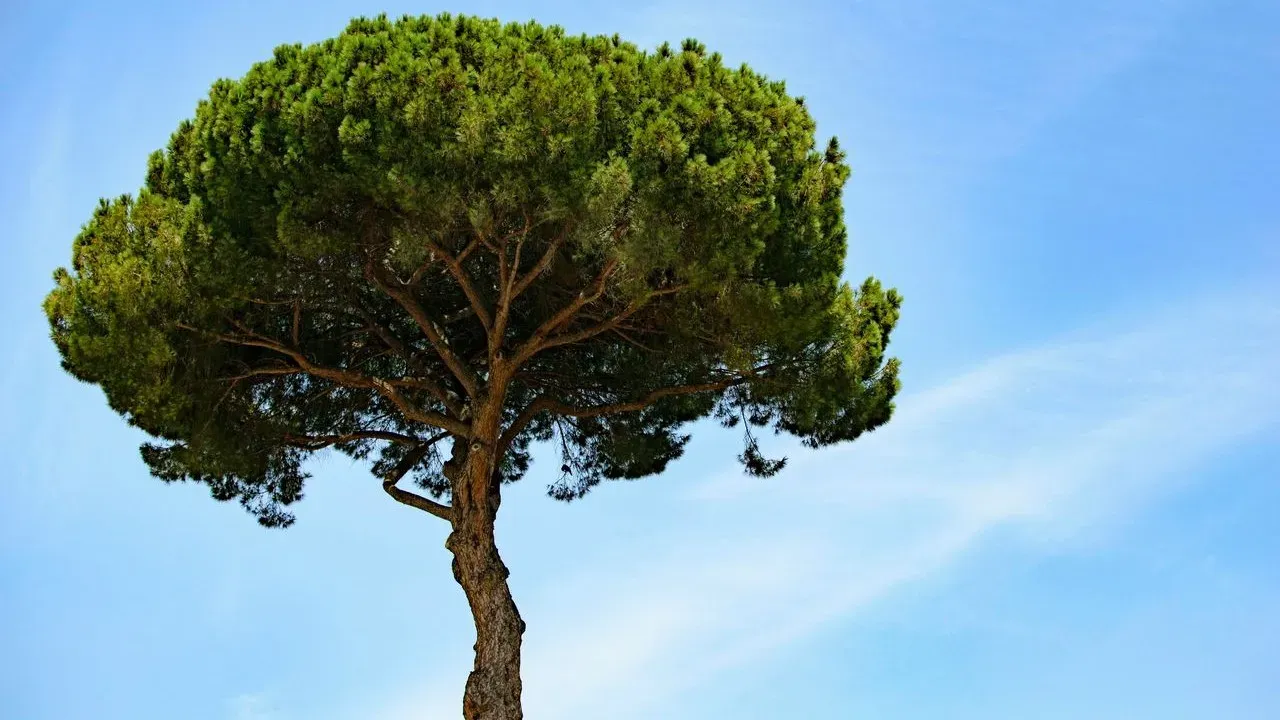
The rule of thumb from the post is simple: a fastigiate tree works best where space is limited and a regular tree cannot fit. In open or natural-looking areas, a broader tree usually fits the scene better.
Taste, opinion, and the final word
The writer admits that much of the debate comes down to taste. The post is an opinion piece rather than a report on any policy or project, and it leans into humor throughout. Readers are invited to share their views in the comment section, though the writer’s own tone suggests the verdict is already in.
Even so, the piece offers a useful way to think about planting. Narrow trees have a real role in crowded cities and tight lots. The question gardeners should ask is not whether a tree is elegant on its own, but whether its shape suits the ground it stands on.
AI Disclaimer: This article was created with the assistance of AI tools and reviewed by a human editor.