
It Dates Back to the 1800s
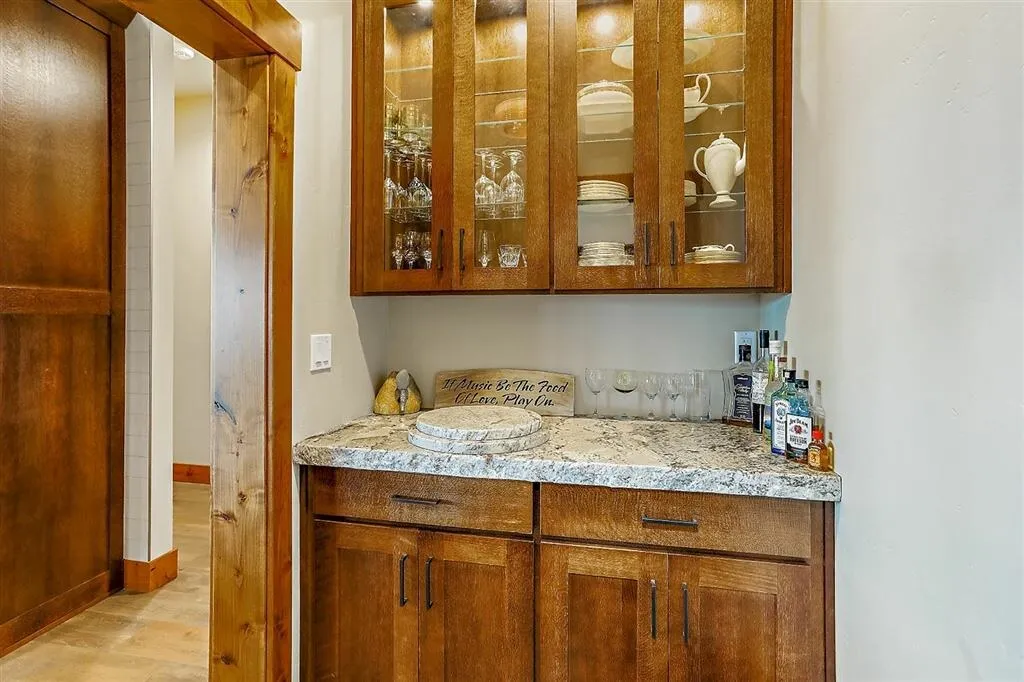
The era of the butler’s pantry began roughly between 1850 and 1900 in both England and America, appearing as a small space between the kitchen and the dining room where china and silver were stored and meals were plated and served. These spaces didn’t appear out of nowhere. The butler’s pantry emerged in larger homes during the 18th and 19th centuries, coinciding with the rise of formal dining and the employment of domestic staff.
Pantries developed their use from early Colonial American “butteries,” which were built in a sharp north-facing corner of houses. The butler’s pantry, though, was something more specific and more purposeful than those early storage nooks.
A Room Reserved for the Wealthy
Once reserved for the wealthy who hosted heads of state and royalty, the butler’s pantry was a staple of Victorian homes with waitstaff, designed to keep food preparation out of sight and the sound of clanging pots and chopping knives out of earshot of formal dining rooms.
First essentials of great estate homes, later these spaces could also be found in moderate middle-class homes. The idea spread as more households aspired to the kind of organized, discreet service associated with the upper class.
The Butler Was the One in Charge
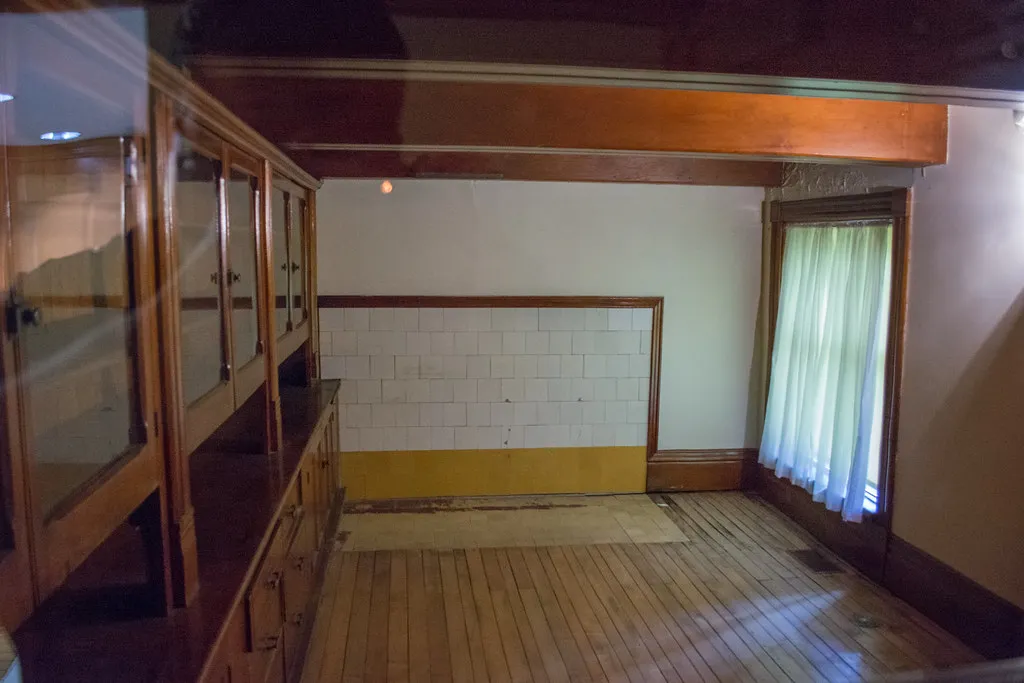
Rising to prominence shortly before the turn of the 20th century, the butler’s pantry was the true heart of the Victorian home, serving as the command center for the butler, who often acted as a combination of chief of staff, party planner, and sommelier.
The butler was responsible for managing and locking the butler’s pantry at the end of the day, and in some homes, the butler slept inside this room in case someone attempted to break in and steal the silverware. That level of accountability tells you just how valuable the contents of that room were.
Storing and Protecting Valuables
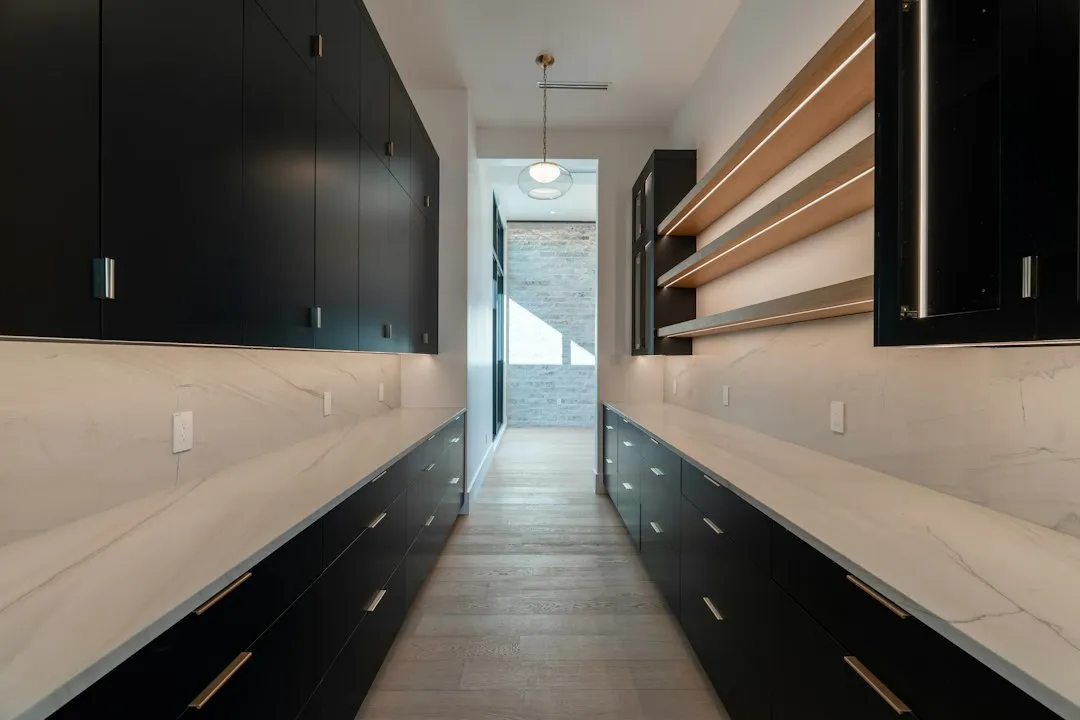
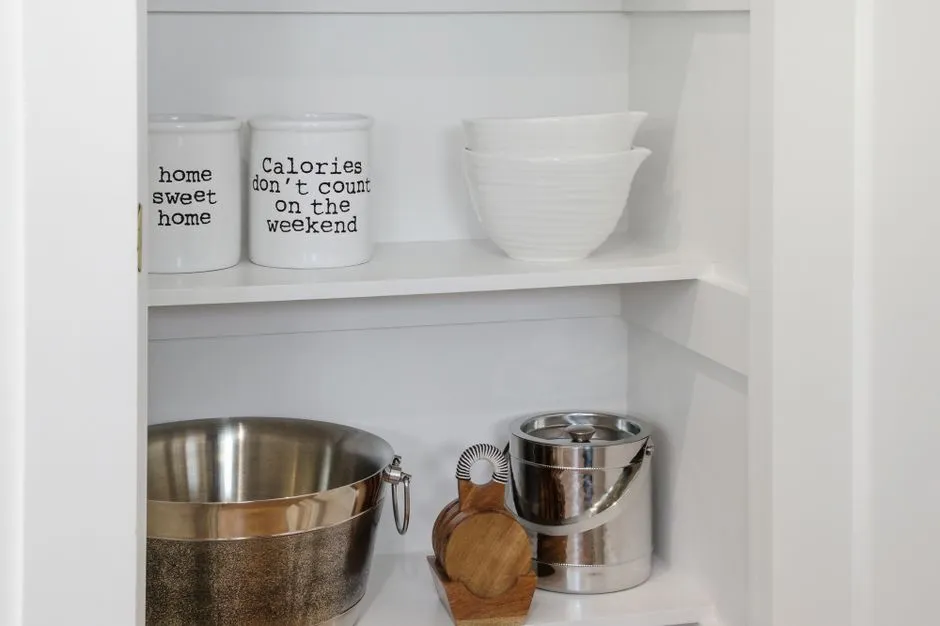
Butler’s pantries were popular for wealthy homeowners and were a designed space for storage of silver, fine china, and serving dishes, offering a space outside the bustling kitchen to plate meals, count and clean the silver, and care for the expensive dishes used for serving guests.
When the plate was of much value, it was usual to attach to the pantry a fire-proof plate safe with a brick enclosure and an iron door. To prevent theft, butlers kept these valuables in pantry drawers under lock and key. The butler’s pantry wasn’t just a service room. It was essentially a household vault.
Keeping Chaos Out of Sight
Historically, these utilitarian spaces were located between the kitchen and the dining room, where staff performed daily chores like polishing silver, organizing china, and preparing meals. The arrangement was intentional.
As architectural historian Catherine Seiberling Pond explains in her 2007 book on the subject, Victorian England retained many workrooms, storerooms, and larders in its larger homes and estates, with these spaces often tucked out of sight because only servants used them in more prosperous homes.
A Buffer Between Two Worlds
Whether a house had a butler or not, the butler’s pantry became a distinctive buffer between the kitchen and the dining room, as described in Catherine Seiberling Pond’s 2007 book, “The Pantry: Its History and Modern Uses.”
The pantry also served as a food prep space and typically had double doors to entrap the smells that arose during cooking, which could affect the dining room’s atmosphere. That physical and sensory separation was the whole point. Dinner guests were meant to experience a finished, polished result, with no sign of the effort behind it.
The Bell Systems and Servant Callboxes
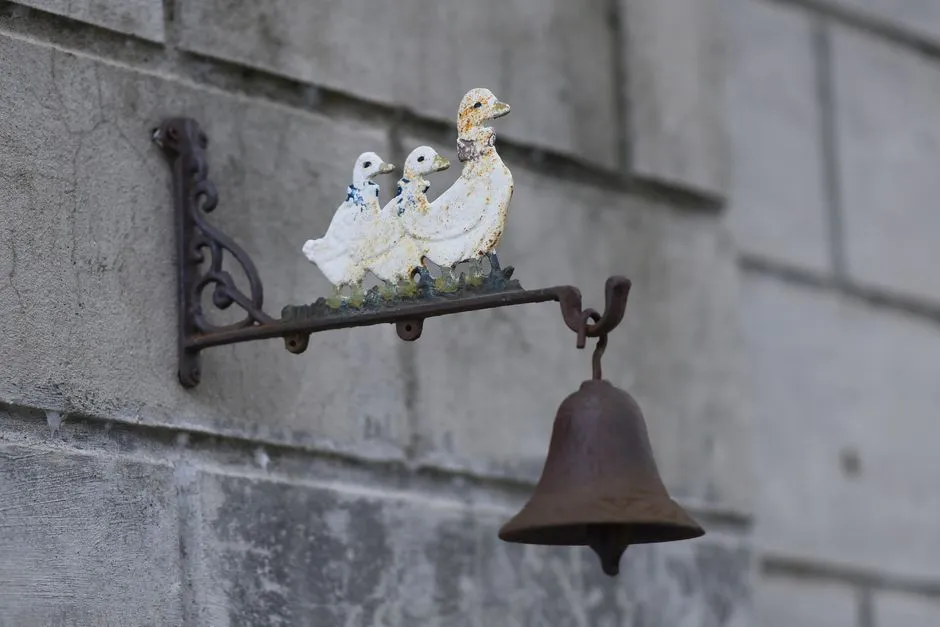
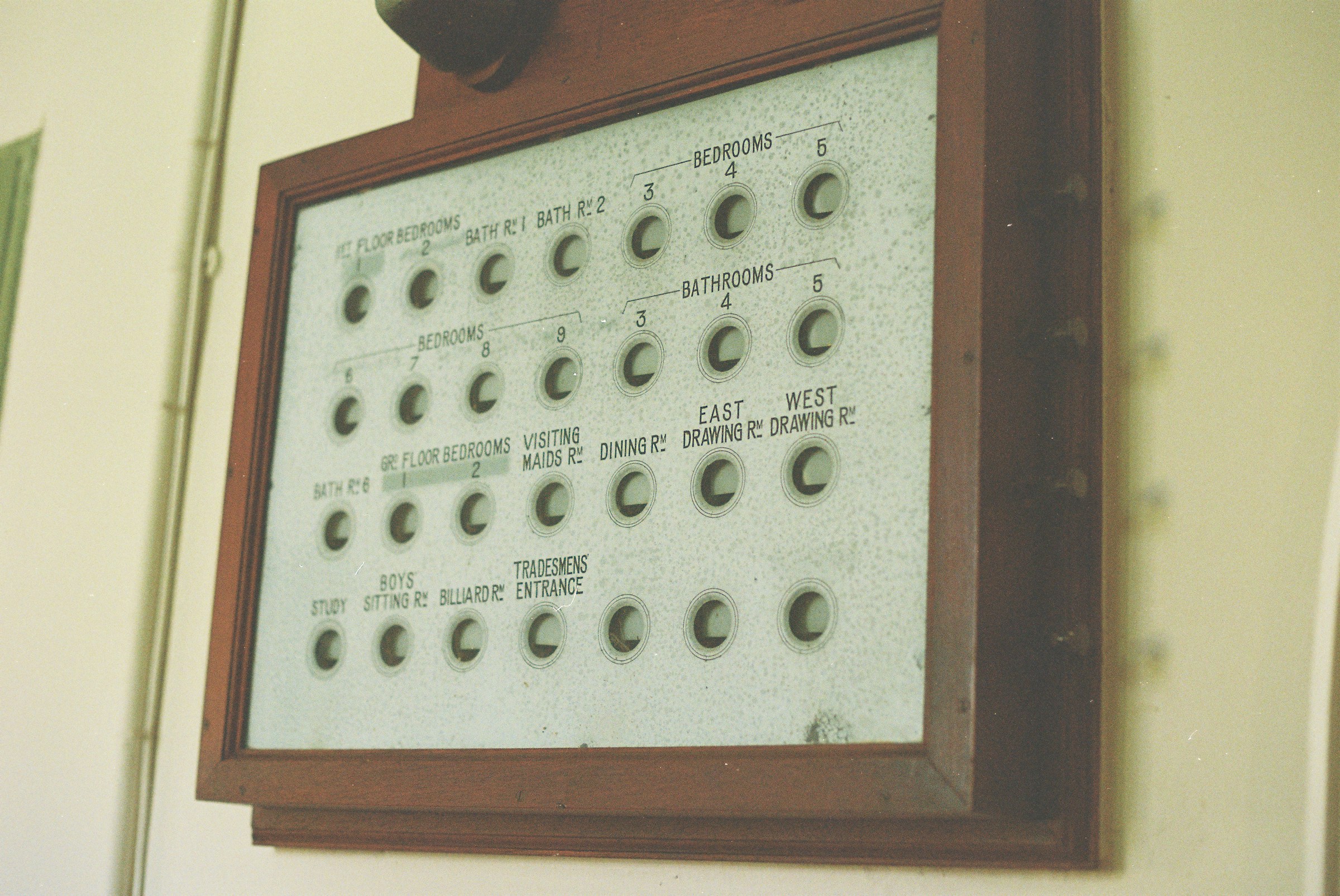
Wealthier homes had a bell system built into the butler’s pantry so that homeowners could signal servants and order food. Some rooms contained a servant’s callbox where, when a button was pressed in another room like the dining room, an arrow would point to the name of that room and a bell would ring, allowing the servant to see where he or she was needed and reset the arrow.
These systems made the pantry a kind of nerve center. It was where service was coordinated, timed, and executed without the household’s guests seeing any of it.
Why It Disappeared from Most Homes
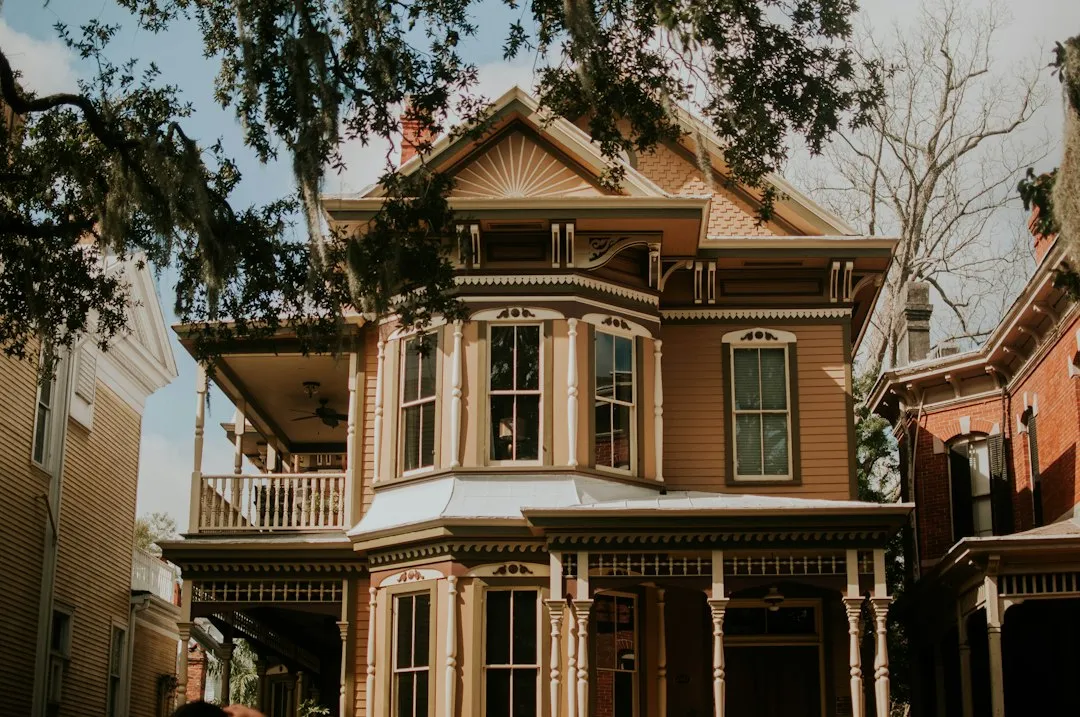
As America entered the 20th century, a staff of several household servants was the exception rather than the rule, and while butler’s pantries remained in older homes, for most households they became storage spaces for seldom used items, with new middle and upper-middle-class housing built after 1930 mostly treating butler’s pantries as passé.
As houses were renovated over the century, butler’s pantries were often torn out to make room for larger kitchens, closets, or bathrooms. The final blow to the butler’s pantry came when open-plan design became the most popular floor plan in the country. Open kitchens made the whole idea of a hidden transition room feel unnecessary.
What Made Older Homes the Right Setting for Them
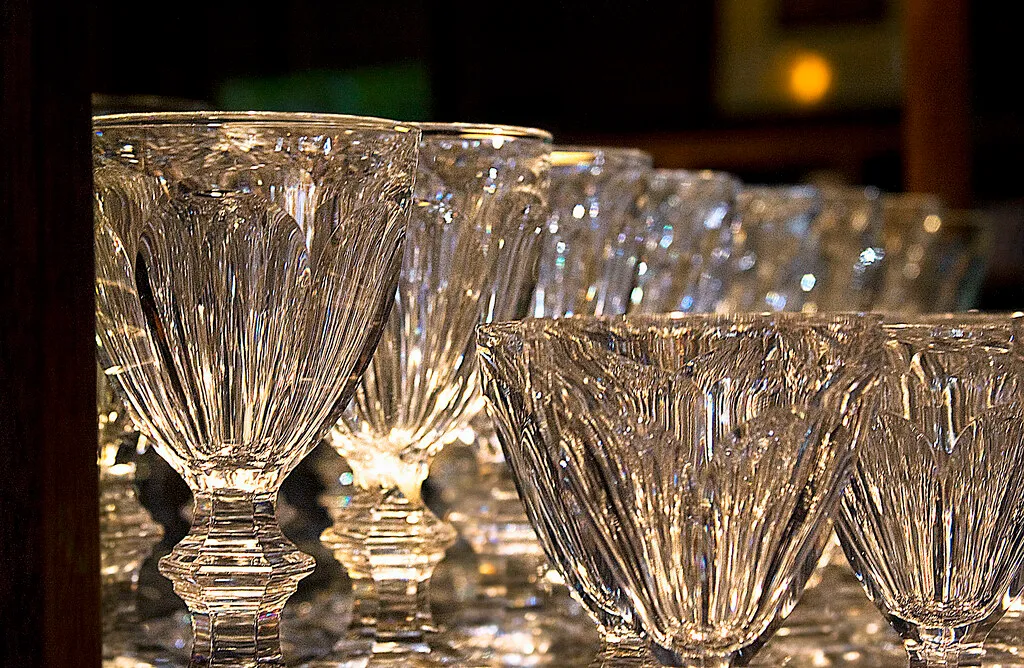
A butler’s pantry is a more defined, more involved space in a home that is distinct from any other room, including a kitchen or dining room, and its purpose is to store more than just food, being almost always equipped for meal preparation. Older homes, with their clearly compartmentalized floor plans and separate rooms for separate functions, were simply designed to accommodate that logic.
In the Victorian era, large houses and estates in Britain maintained the use of separate rooms, each one dedicated to distinct stages of food preparation and cleanup. American homes of the same period took on a similar philosophy, especially in cities like Brooklyn, Boston, and Chicago where large townhouses and estate homes were built in abundance.
The Modern Revival
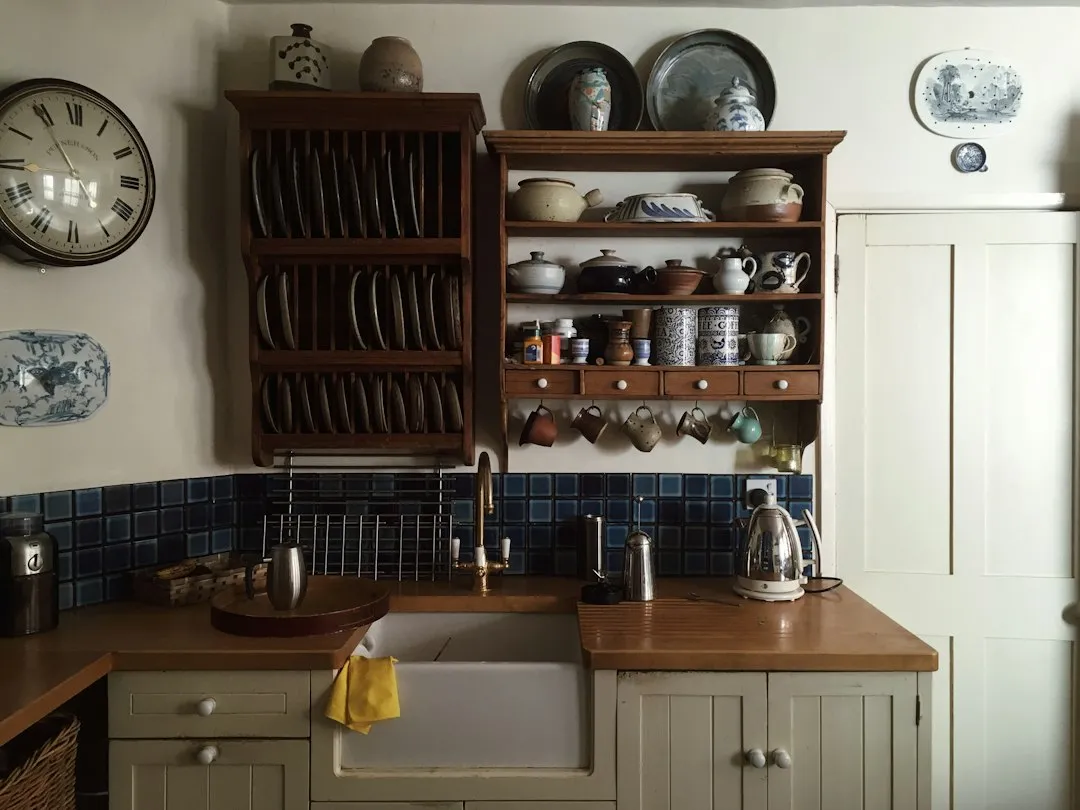
In 2025, kitchens are undergoing a design shift that blends old-world charm with modern convenience, and at the heart of this revival is the butler’s pantry, a once-forgotten space now returning as a luxury design essential, being reimagined for today’s lifestyle.
They were traditionally found within large homes, but increasingly more homeowners are opting for this smart storage solution. The National Association of Realtors has highlighted this tucked-away kitchen addition, which has been popping up in new builds across the country, including at the 2024 Parade of Homes at Timber Banks where it was featured in multiple styles and designs.
Real estate agents note that butler’s pantries are returning as functional spaces hidden away from the main kitchen, reflecting a desire for organization and functionality, especially in open-concept homes where clutter can be more noticeable.
The Takeaway
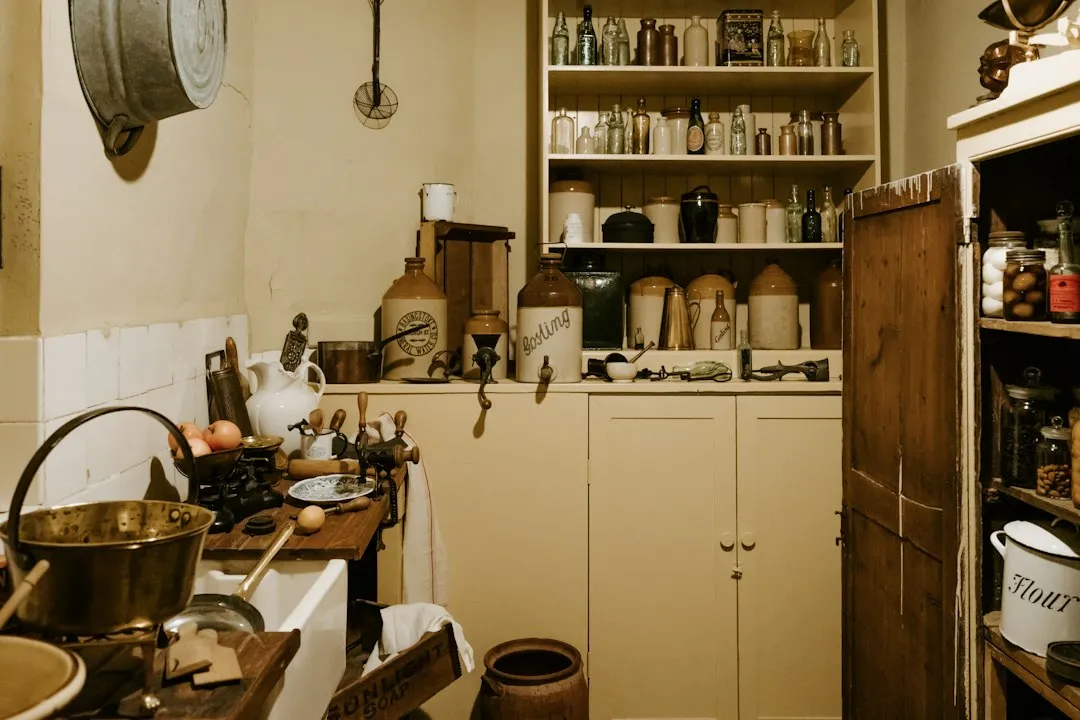
The butler’s pantry is one of those rooms that makes more sense the more you understand it. It wasn’t just a storage closet with a fancy name. It was an architectural response to a specific way of living, one built around hospitality, hierarchy, and the careful management of valuable things.
Many tears have been shed when these original details are gone, while more than a few houses have been purchased in part because of an intact original butler’s pantry. That reaction isn’t just nostalgia. It’s recognition that these rooms were genuinely well thought out.
What older homes with butler’s pantries really preserve is a record of how seriously people once took the act of welcoming guests. The room existed so that hospitality could look effortless, even when it wasn’t. That idea, it turns out, never really goes out of style.
AI Disclaimer: This article was created with the assistance of AI tools and reviewed by a human editor.