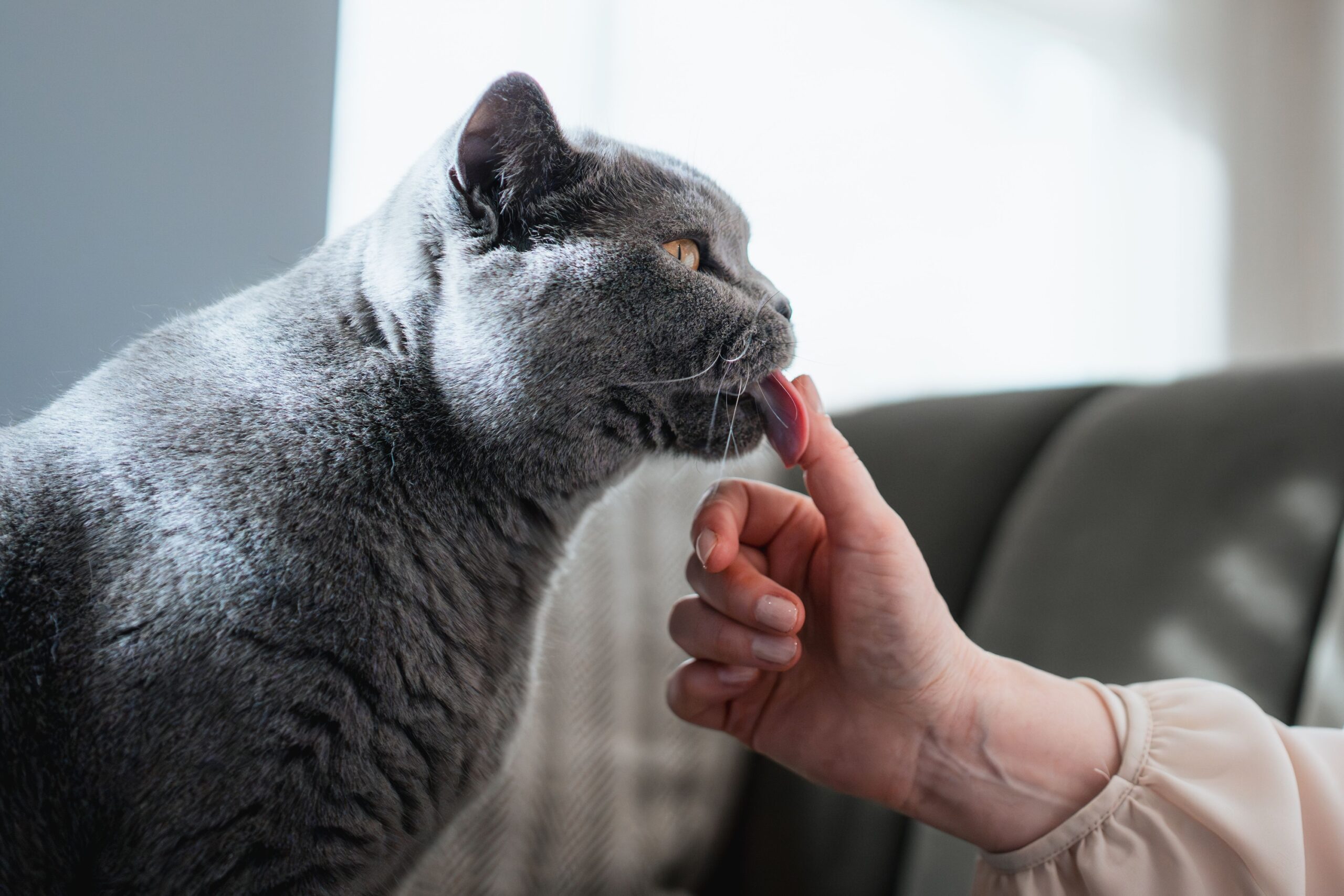

Most cat owners have experienced it at least once. You’re lying still, maybe half-asleep, and suddenly you feel a rough, insistent tongue working through . It’s odd. It’s weirdly endearing. It raises a pretty reasonable question: what on earth is your cat actually doing?
The short answer is that this behavior runs deeper than quirk or coincidence. It connects to how cats communicate, bond, and understand their world through scent and touch. The longer answer is a bit more layered – and well worth knowing.
It’s Called Allogrooming, and It Has a Scientific Basis
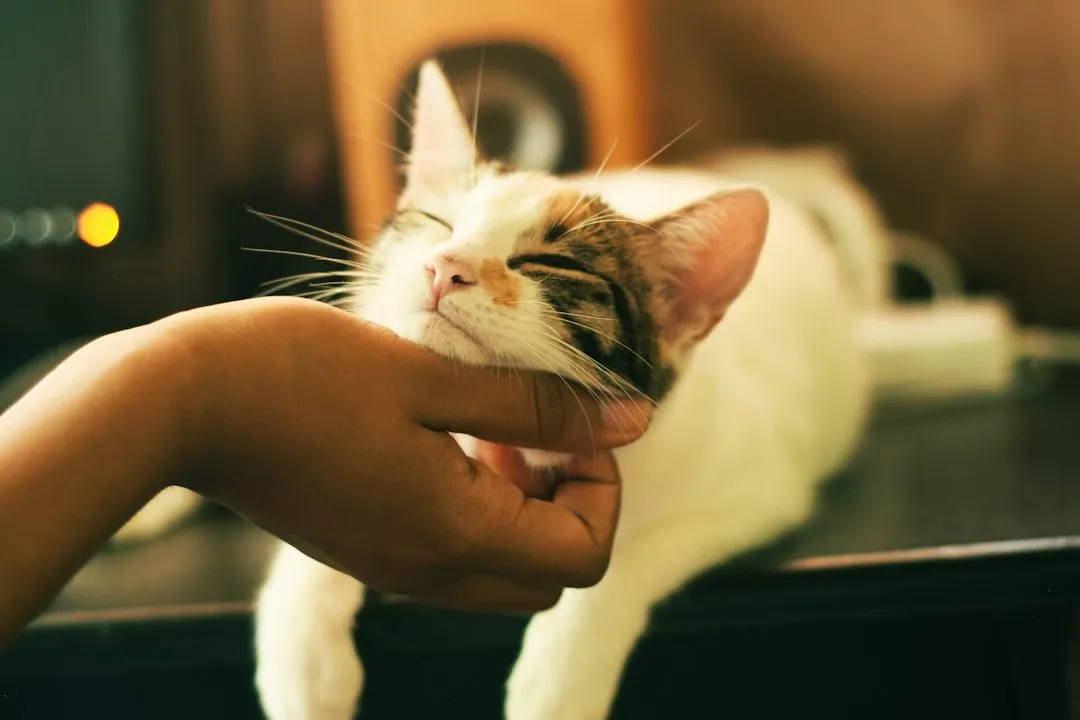
Researchers explain this type of licking as similar to a cat-to-cat behavior known as allogrooming, which is basically mutual grooming. When your cat licks your hair, it’s not random – it’s a recognized social behavior that cats normally reserve for those they trust. The main hypothesis in feline ethology is that allogrooming is used to establish and maintain social bonds.
Researchers at Ghent University and the University of Lincoln investigated this behavior by conducting a citizen science project in which 53 households with two cats were recruited, and caregivers filmed their cats allogrooming. The findings, published in 2026, confirmed what many cat owners already suspected intuitively: grooming behavior is loaded with social meaning.
Your Cat Sees You as Part of the Family
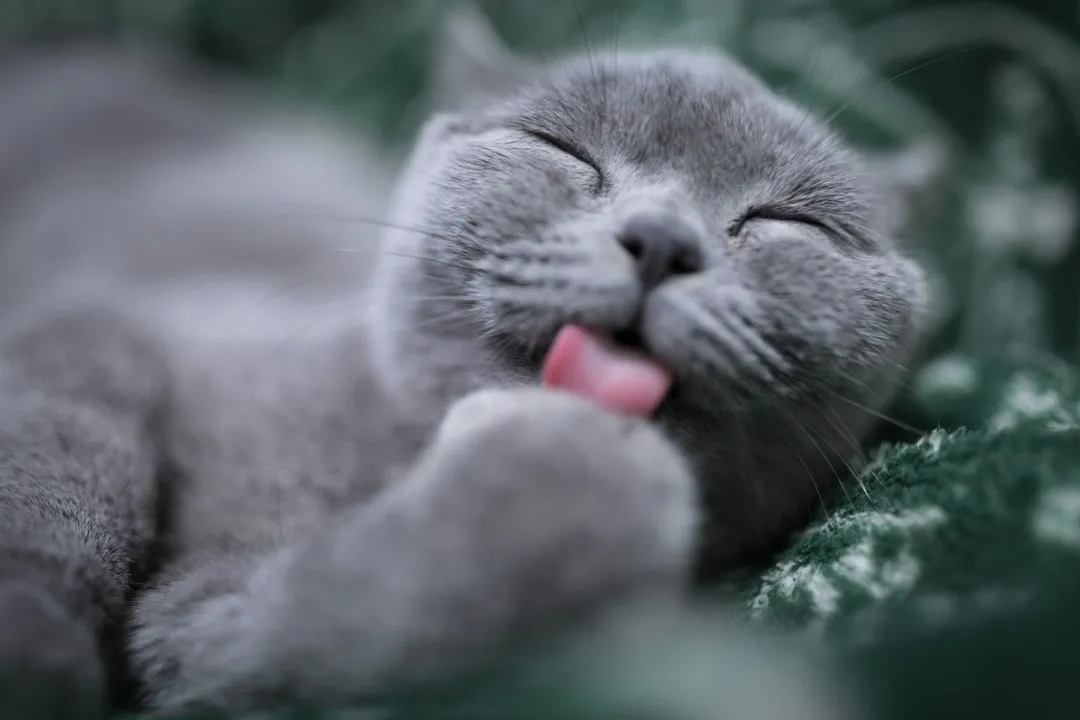
Mutual grooming is a way for felines to mark each other as family. When a cat licks you, she’s probably bonding and showing how much she loves you. This is a genuine extension of cat-to-cat social behavior, not simply a quirk of domestication.
Because of these maternal origins, adult cats will only lick other cats they trust and are not competing with – and this trusting grooming behavior can be transferred to a human. In other words, being groomed by your cat is a form of social acceptance. You’ve passed the trust test.
It Starts with the Mother-Kitten Bond
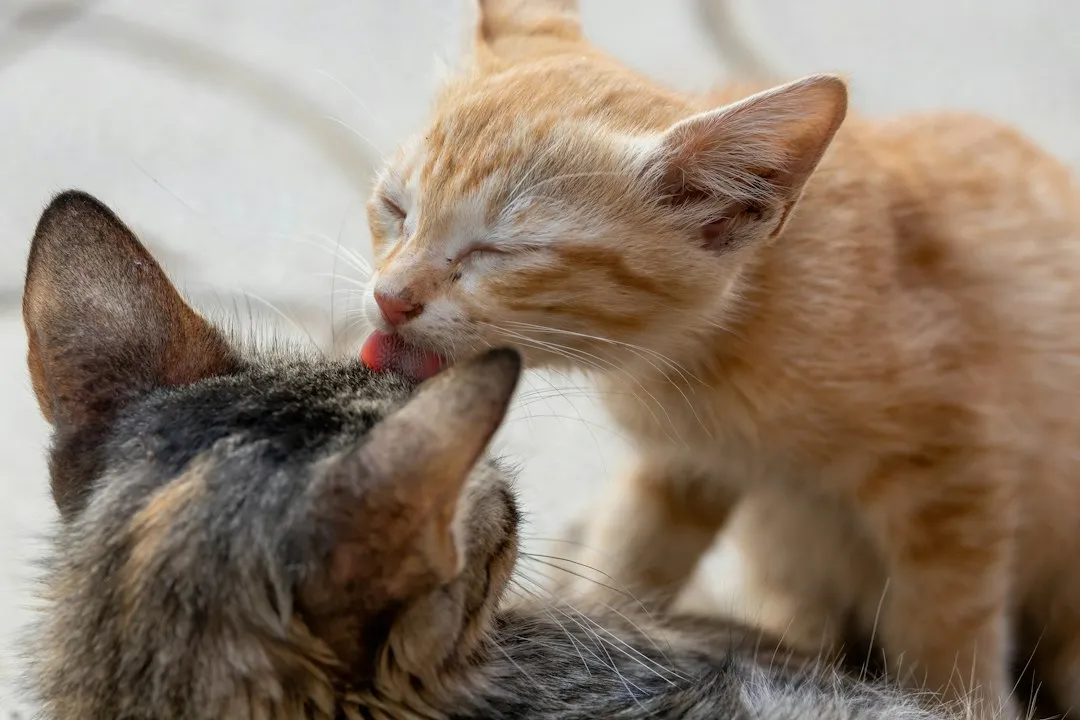
Mother cats lick kittens to stimulate digestion, clean them, and reinforce attachment. As adults, cats replicate this behavior with trusted humans – not to feed or wash us, but to reenact the comfort and reciprocity of early care. There’s real emotional weight behind this. The behavior doesn’t disappear when cats grow up; it simply gets redirected.
Kittens knead and suckle when nursing. If a cat was weaned too early, they may start licking you to seek the comfort reminiscent of nursing. Early-life experiences can quietly shape the intensity and frequency of this behavior well into adulthood.
Scent Marking: You Smell Like Theirs Now
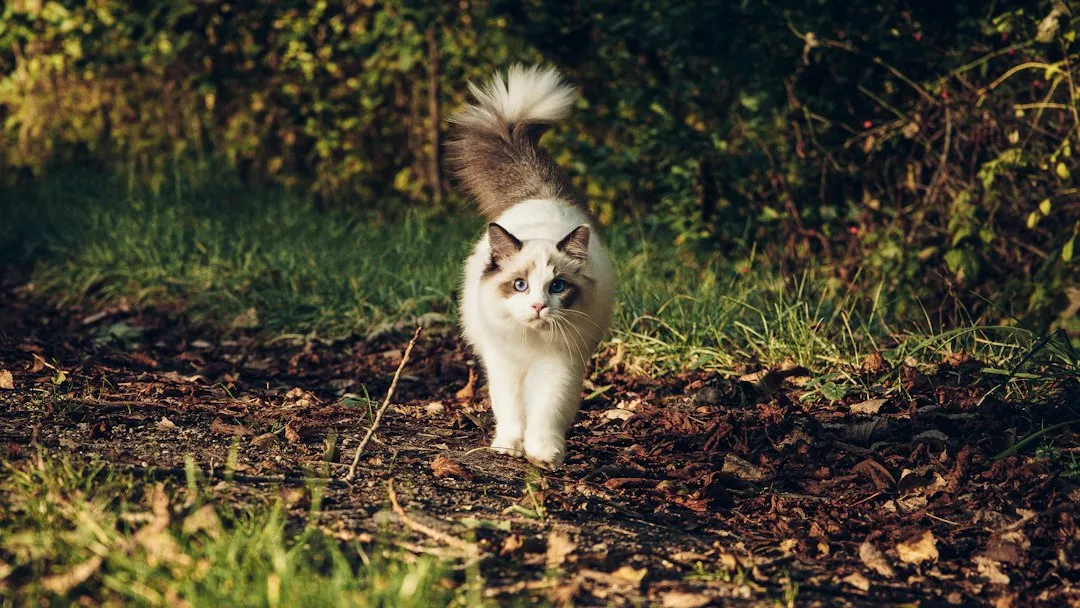
Through a behavior called bunting, cats disperse their pheromones onto you. When cats form a social group, they groom and bunt each other to develop a “group scent” that is familiar to all. Your cat is simply making sure you smell in a way that feels acceptable and makes them feel secure.
After you have washed, your cat may lick and rub your hair to try and re-establish their scent on you. From the cat’s perspective, fresh shampoo has essentially erased the family signature – and that’s something they’d rather fix quickly.
Your Shampoo Might Be Irresistible
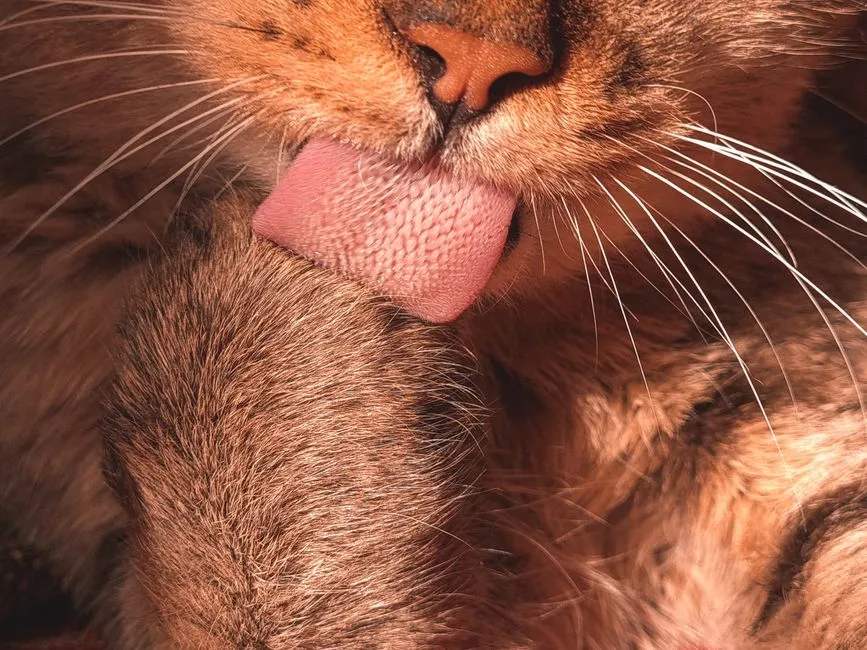
When your hair is wet and freshly washed, it smells more strongly of shampoo and other products than when it’s dry. If this is your cat’s favorite time to lick your hair, they may simply be drawn to the scent of your hair products.
If your shampoo or conditioner contains mint, your cat may be licking your hair as the scent is similar to catnip, which many cats love. If your shampoo contains coconut oil, olive oil, or wheat protein, your head can smell like a fatty snack to a cat. These aren’t trivial triggers. Feline olfactory sensitivity is extraordinary, and what smells mildly pleasant to us can be overwhelming and compelling to them.
Cats Are Drawn to the Texture of Hair
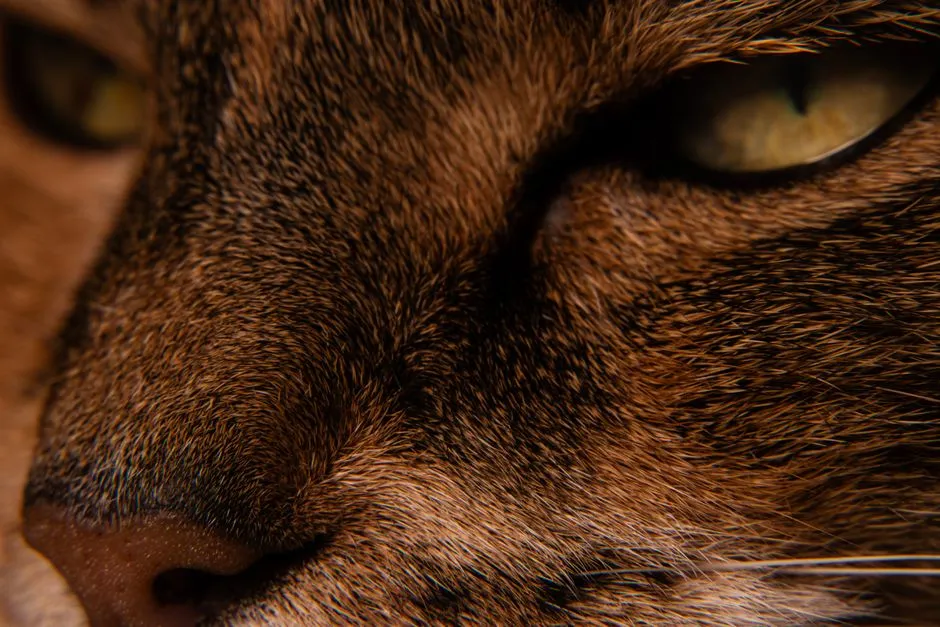
Human hair often has a soft, fibrous texture that can be appealing to cats. Unlike skin, hair holds onto smells and moisture, which makes it doubly interesting from a sensory standpoint. The combination of texture and retained scent makes your head a genuinely compelling destination.
Cats bite and lick the head specifically because it is a massive source of heat and carries your strongest scent. Cats are drawn to warmth, and sitting near your head puts them in what amounts to a “hot zone.” It’s comfort-seeking, feline style.
Allogrooming Isn’t Always Purely Affectionate
The findings published in Applied Animal Behaviour Science revealed that allogrooming is certainly not always a sign of affection. This was one of the more surprising discoveries from the 2026 Ghent University research. Context matters enormously.
The study revealed that allogrooming can alternatively be used to send a tense message without escalating to full-on conflict. An example could be if a cat wants a sunny spot that’s already taken by another. In some cases, allogrooming can strengthen social bonds, serve a hygienic purpose, or help the recipient relax. So yes, context determines meaning – pay attention to what comes before and after the licking.
Stress and Anxiety Can Trigger the Behavior
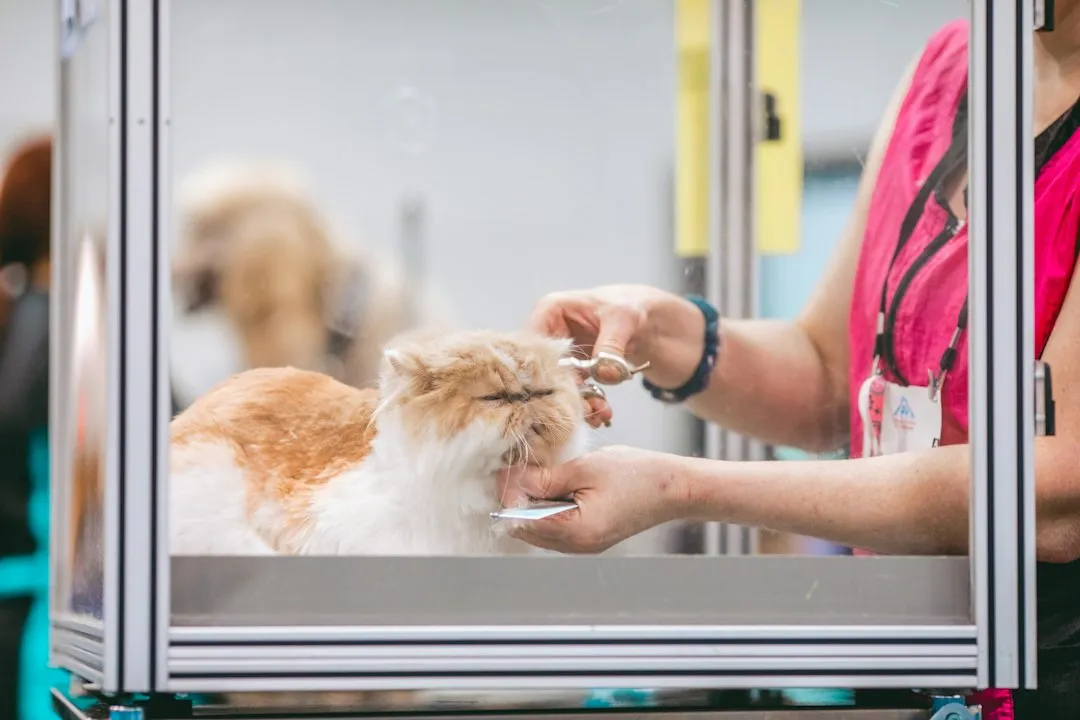
Licking may be something cats do to alleviate stress. Stress more commonly leads to excessive self-grooming, but the licking may be directed toward you as well. When a cat is unsettled, grooming a trusted human can serve as a self-soothing mechanism.
If hair-licking spikes during household changes – new pets, renovations, or travel – it may signal your cat is using the behavior as self-soothing. It helps to determine if there are any triggers for the licking, like visitors in your home or loud noises. If a cat’s anxiety is left untreated, the licking may progress to a compulsive behavior that gets in the way of their daily activities.
Some Cats Are More Prone to It Than Others
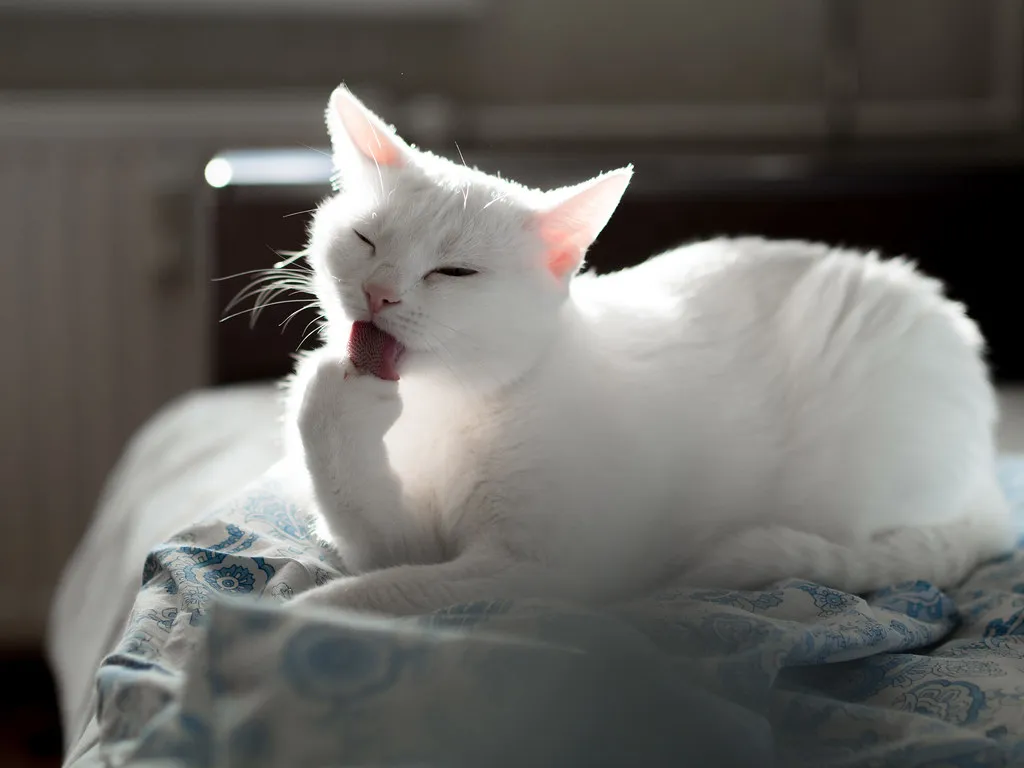
The behavior can be part of a cat’s genetics, with Oriental breeds more prone to this type of grooming behavior. Research has also found that relatedness and familiarity are significantly associated with how often a cat grooms another. For relatives and non-relatives that are equally familiar to a given cat, relatives are significantly more likely to be groomed.
Of the 106 cats represented in the Ghent University study, 60 were classified as “groomers” and 40 as “groomees.” Groomers spent more time grooming both the other cat and themselves. This suggests some cats simply have a stronger grooming drive than others – a personality trait, essentially.
When to Be Cautious: Health Considerations
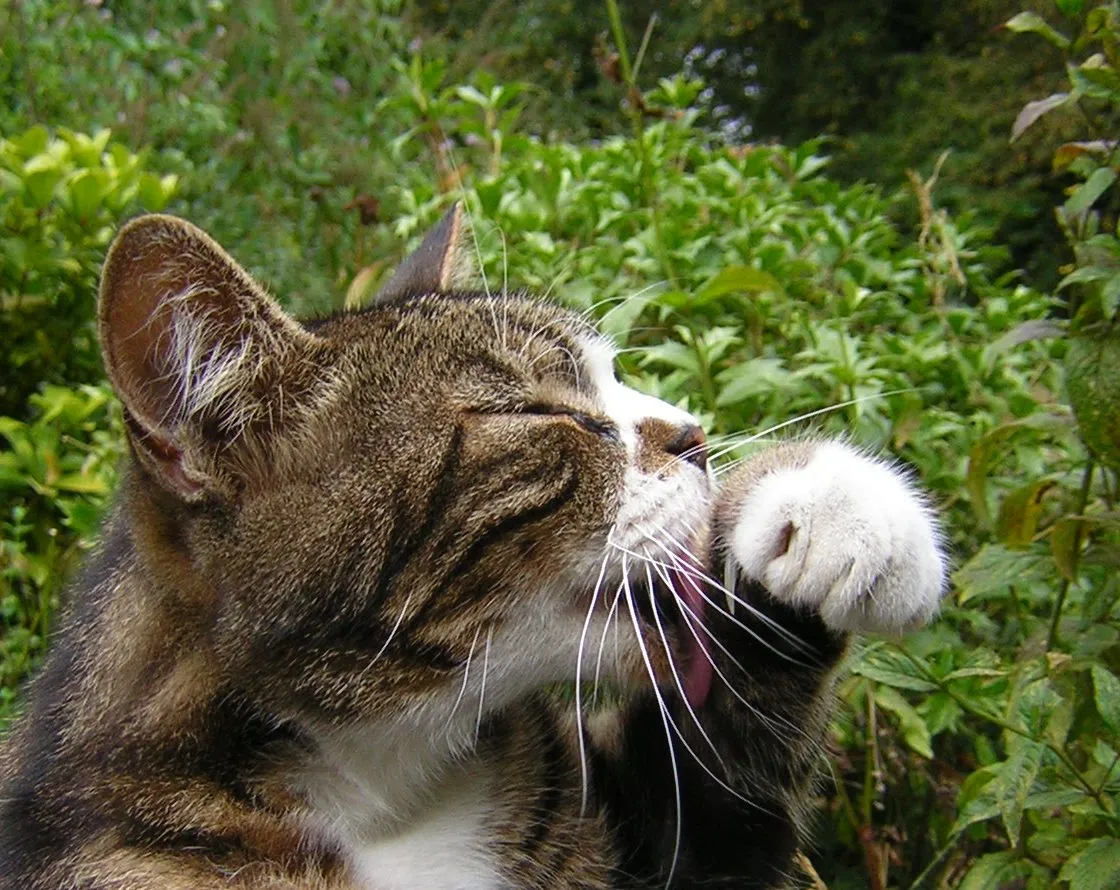
Minoxidil, commonly found in hair growth foam, is lethal to cats. Never let them lick treated hair. This is a serious safety point that many pet owners overlook. Certain topical treatments on hair and scalp can cause real harm if ingested.
Since the consistency of human hair is very different from that of a cat’s fur, the much finer and longer hair gets stuck on the rough surface of their tongue. Because of this, your cat might ingest your hair when trying to dislodge it. As long as none of the products used on your hair or skin are toxic to cats, there aren’t usually health concerns from them licking human hair – but swallowing strands is worth monitoring. If it becomes frequent, a vet conversation is a sensible next step.
What It Really Means for Your Relationship
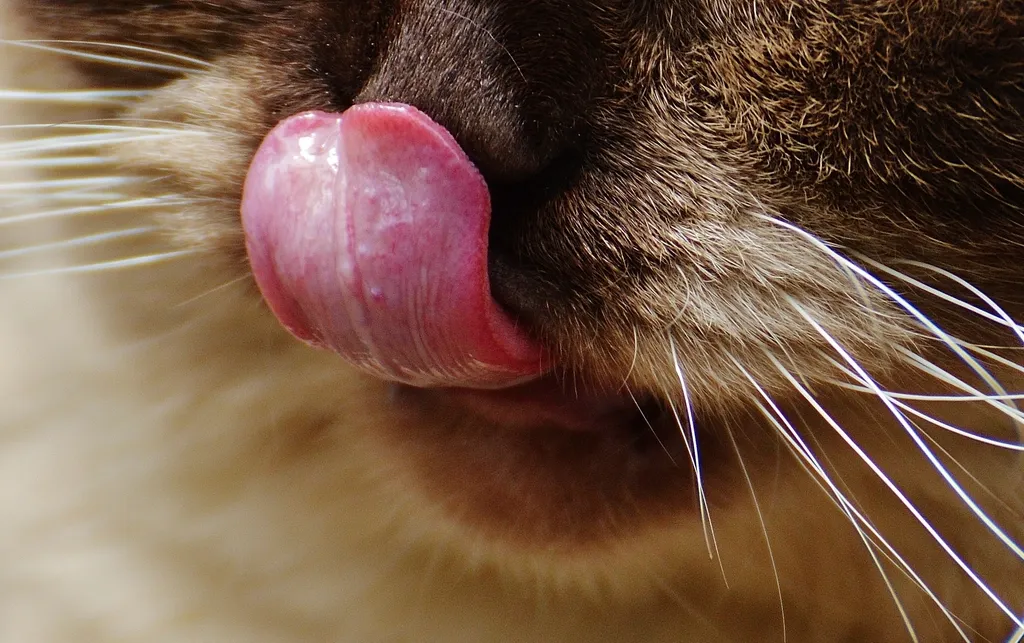
When your cat licks your hair, they’re communicating something that doesn’t translate neatly into human language but is unmistakably social and trusting. Some cats extend grooming behavior to their human companions as a sign that you are an important person in their life, though in other cases it may just be that they love the scent of your hair products.
Research has shown that cats spend a substantially longer time sniffing the odor of an unknown person than that of a known person, indicating the use of their sense of smell to distinguish between individuals. The fact that your cat focuses attention on you – your hair, your warmth, your scent – rather than a stranger’s, says something real about the bond you’ve built. That’s worth appreciating, even at two in the morning when you’d rather just sleep.
AI Disclaimer: This article was created with the assistance of AI tools and reviewed by a human editor.