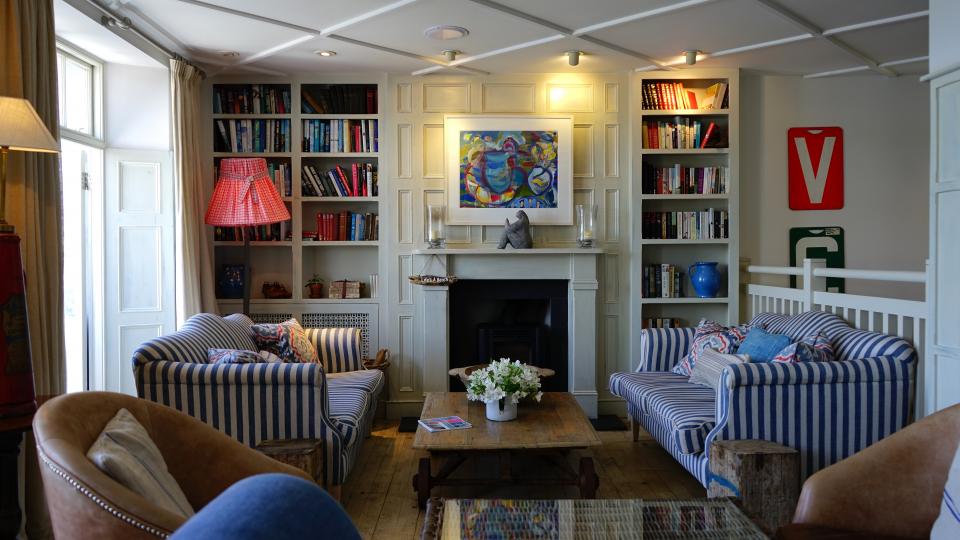

Walk into almost any living room and you’ll notice them before you notice much else. Piled on couches, propped against headboards, arranged with varying degrees of intentionality across armchairs. Throw pillows are everywhere, and the market backs that up. The decorative throw pillow market was valued at USD 1.26 billion in 2025 and is expected to reach USD 2.1 billion by 2035.
What’s less obvious is what all those pillows actually reveal about the person who put them there. Interior psychology, environmental design research, and behavioral studies have been quietly building a case that our spatial choices are rarely random. The number of throw pillows you own might be more telling than you think.
Zero Pillows: The Committed Minimalist
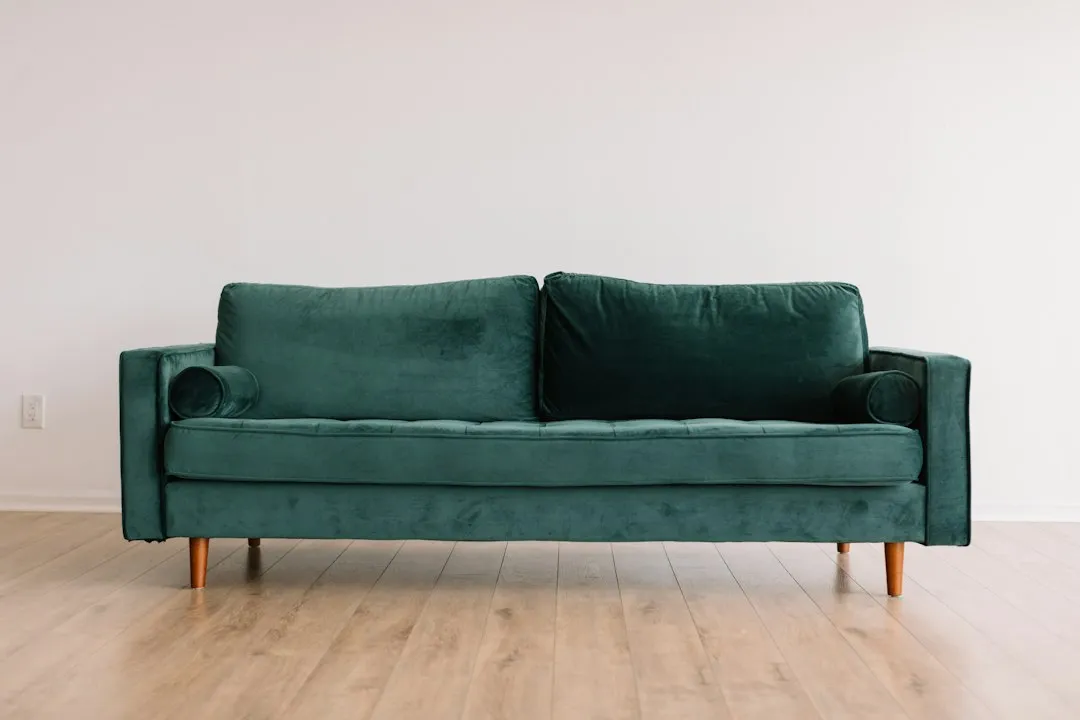
No throw pillows at all is itself a statement, and it tends to be a deliberate one. Individuals high in conscientiousness prefer structured, traditional styles, and a pillow-free sofa is about as structured as it gets. The absence of decorative softness signals that function comes first, full stop.
For the minimalist, the answer is simple: only what matters. To outside observers, a minimalist home may seem cold or unfinished, but it’s a space where mental clarity feels possible. People who keep zero pillows tend to be highly intentional, comfortable with negative space, and not particularly interested in what their sofa communicates to guests.
One or Two Pillows: The Practical Pragmatist
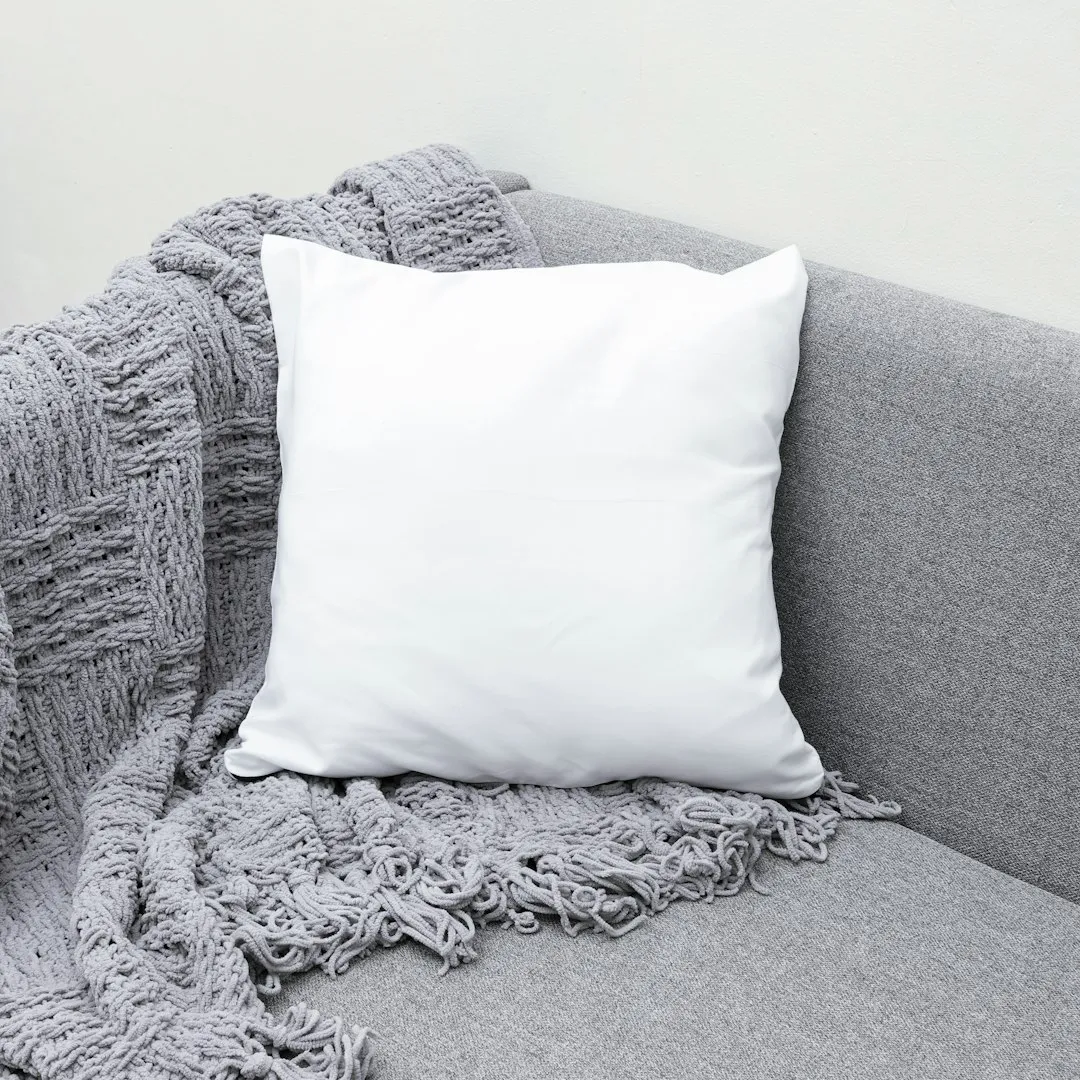
One or two throw pillows is the quiet middle ground. It says: I know pillows exist, I appreciate comfort, but I’m not about to make it a whole thing. Throw pillows are seen as a crucial element for updating home decor and expressing personal style, with designers emphasizing their role in adding color, texture, and personality. One or two pillows acknowledge all of that without fully committing to it.
This person is typically grounded and low-maintenance. They may update their one or two pillows seasonally, swapping covers without much drama. Residential throw pillow demand is driven by seasonal home refresh cycles aligned with spring and autumn interior decor transitions. The one-to-two camp participates in that cycle quietly, on their own terms.
Three to Four Pillows: The Balanced Nester
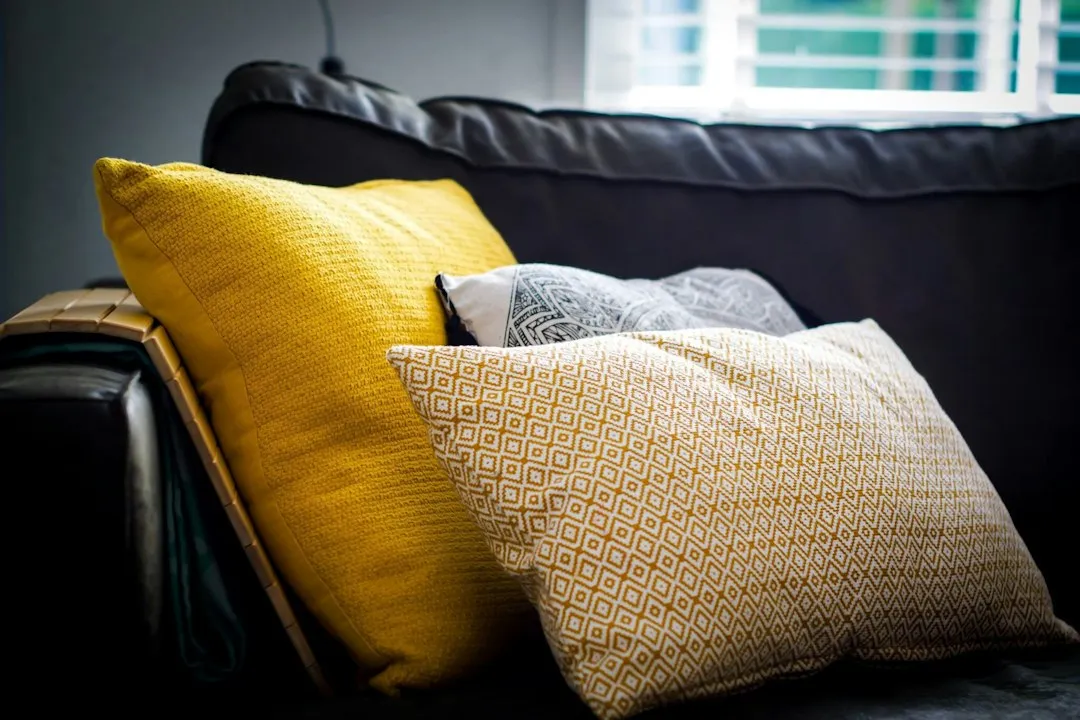
Three or four pillows on a sofa is widely considered the sweet spot among interior designers. It’s enough to create visual warmth without tipping into excess. Research in personality psychology shows that strangers can read someone’s personality fairly accurately just by walking through their bedroom or office. In one well-known study, observers correctly identified traits like openness to experience and conscientiousness, just from the room.
People in this range tend to be agreeable, socially comfortable, and genuinely invested in making their home feel welcoming. Extroverts gravitate towards bold colour, eclectic decor, and spaces that invite social interaction. Three to four pillows, chosen thoughtfully, is often the calling card of someone who entertains often and enjoys it.
Five to Six Pillows: The Aesthetic Enthusiast
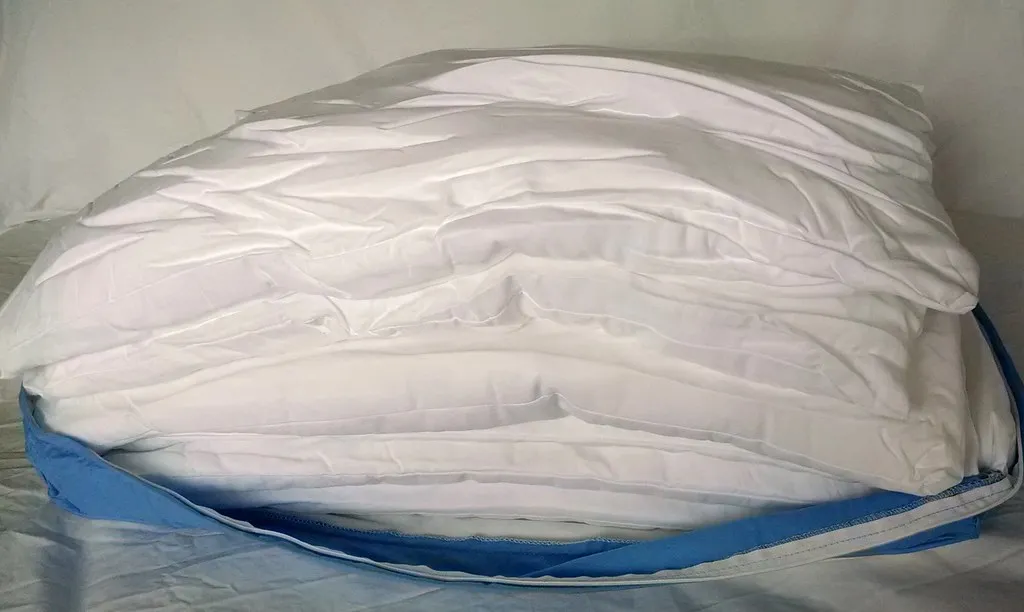
At five or six pillows, things start to get intentional in a more visible way. The arrangement likely follows a logic: different sizes, mixed textures, maybe a pattern or two working together. Web sources emphasize earthy tones, bold patterns, and textured fabrics as key trends, aligning with broader home decor shifts toward personalization and eco-consciousness.
According to research in environmental psychology, people who prefer rich, layered interiors tend to score high in openness to experience, one of the Big Five personality traits associated with creativity, curiosity, and comfort with complexity. Five to six pillows, arranged with care, tracks closely with that profile. This person probably also has opinions about lamp placement and paint undertones.
Seven or More Pillows: The Maximalist with Conviction
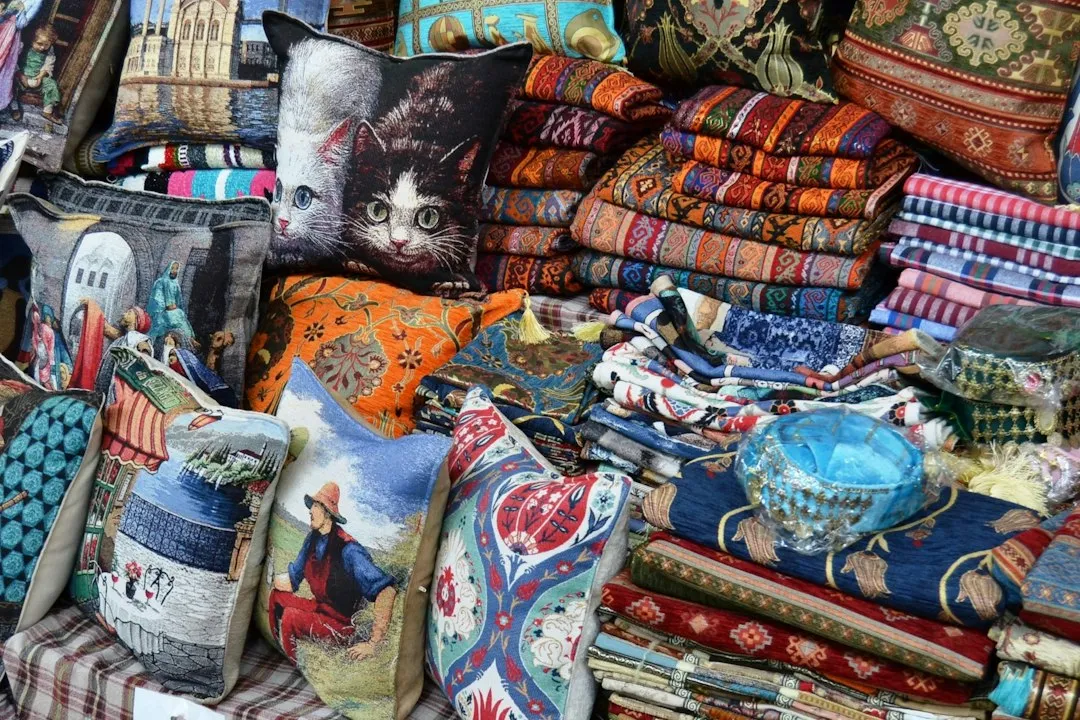
Seven or more throw pillows is not an accident. It’s a worldview. A maximalist home is a biography written in three dimensions. People who prefer rich, layered interiors tend to score high in openness to experience, one of the Big Five personality traits associated with creativity, curiosity, and comfort with complexity.
People who are highly open to experience tend to have distinctive spaces: it’s unconventional, it’s unusual. The person with eight pillows on a bed isn’t confused about what they’re doing. They’ve made peace with abundance and genuinely enjoy living inside a layered, visually rich environment. The only real downside? Finding somewhere to put them all at night.
The Seasonal Switcher: Trend-Driven and Tuned In
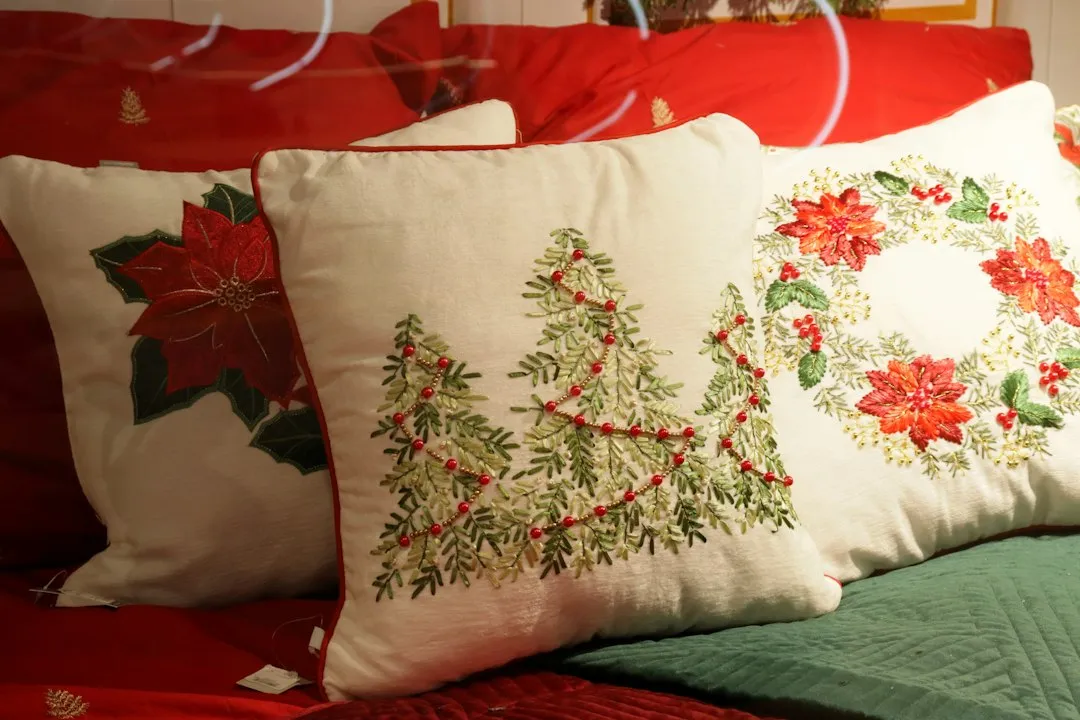
Some people don’t stay at any one pillow count year-round. They rotate. Velvet for winter, linen for summer, something pumpkin-adjacent in October. Search volume for “decorative throw pillows” peaks in January and February, while “velvet throw pillows” sees a significant increase in January. A second, larger peak occurs in August and September for “decorative throw pillows,” indicating a trend of updating home decor for the transition into fall.
The seasonal switcher is engaged with style culture, comfortable spending modestly on small updates, and finds genuine pleasure in the ritual of a home refresh. Life stage events such as home purchases, apartment moves, and household formation by young adults entering independent living often trigger this behavior too. For this personality type, pillows aren’t clutter. They’re tools.
The Matching Set Buyer: Order as Identity
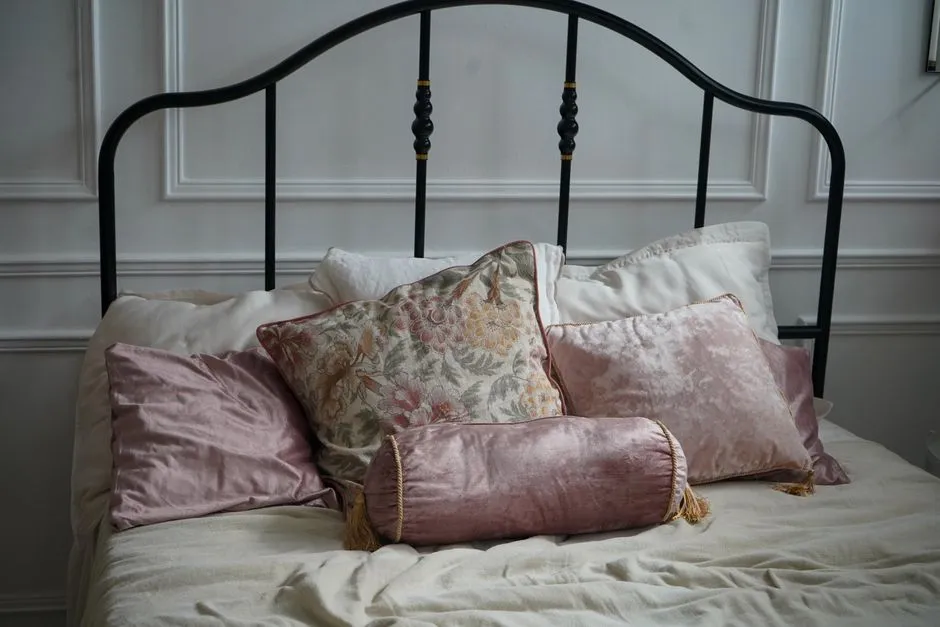
Then there’s the person who buys pillows in coordinated sets, everything matching, everything symmetrical. This tendency connects clearly to conscientiousness, one of the Big Five personality traits. Individuals high in conscientiousness prefer structured, traditional styles. A matching pillow arrangement is a kind of architectural symmetry applied to soft furnishings.
A wall calendar with color-coded blocks signals conscientiousness, and so does a sofa with two perfectly matching pillows on each side. It’s not rigidity necessarily. It’s a preference for visual harmony that reflects a broader tendency to feel most comfortable when things are in their right place.
The Never-Moved Pillow Owner: Comfort Without Curation
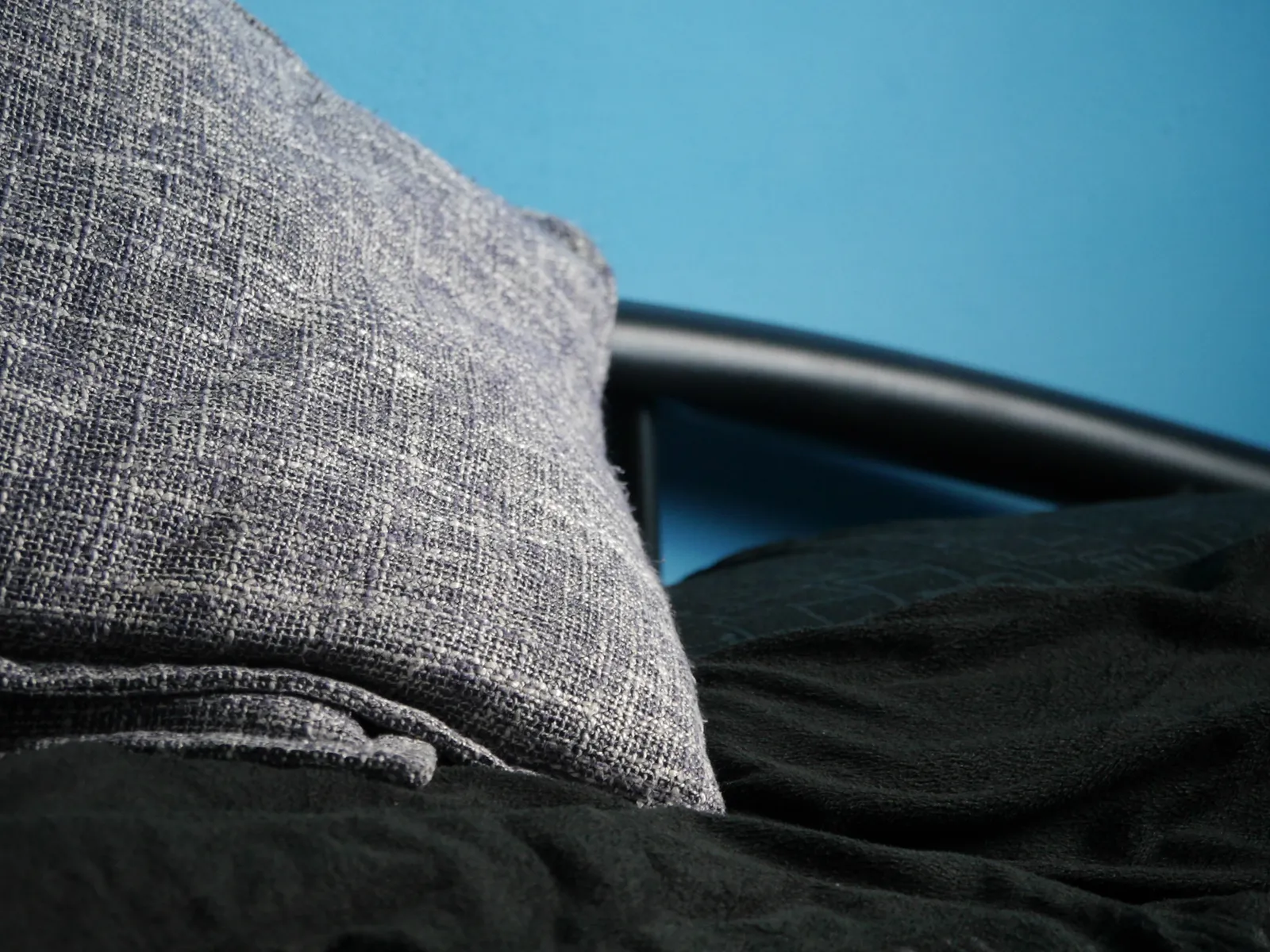
Some people own pillows that haven’t been repositioned in months. They’re on the couch, they’ve always been on the couch, and that’s genuinely fine. Some people simply do not place a high priority on having everything clean, organized, and in its place. In this case, messiness is simply a normal state of affairs. If the house is cluttered and it’s just fine with you, then it’s probably more a sign of your personality and preferences.
While some might suggest that a cluttered home is a sign of a cluttered mind, those who prefer this type of environment are not necessarily disorganized. Some of the most creative and productive people seem to thrive in this type of environment. The never-moved pillow isn’t a red flag. It’s just a different relationship with home objects, one rooted in comfort rather than curation.
The Stressed Pillow Piler: When Accumulation Has Another Explanation
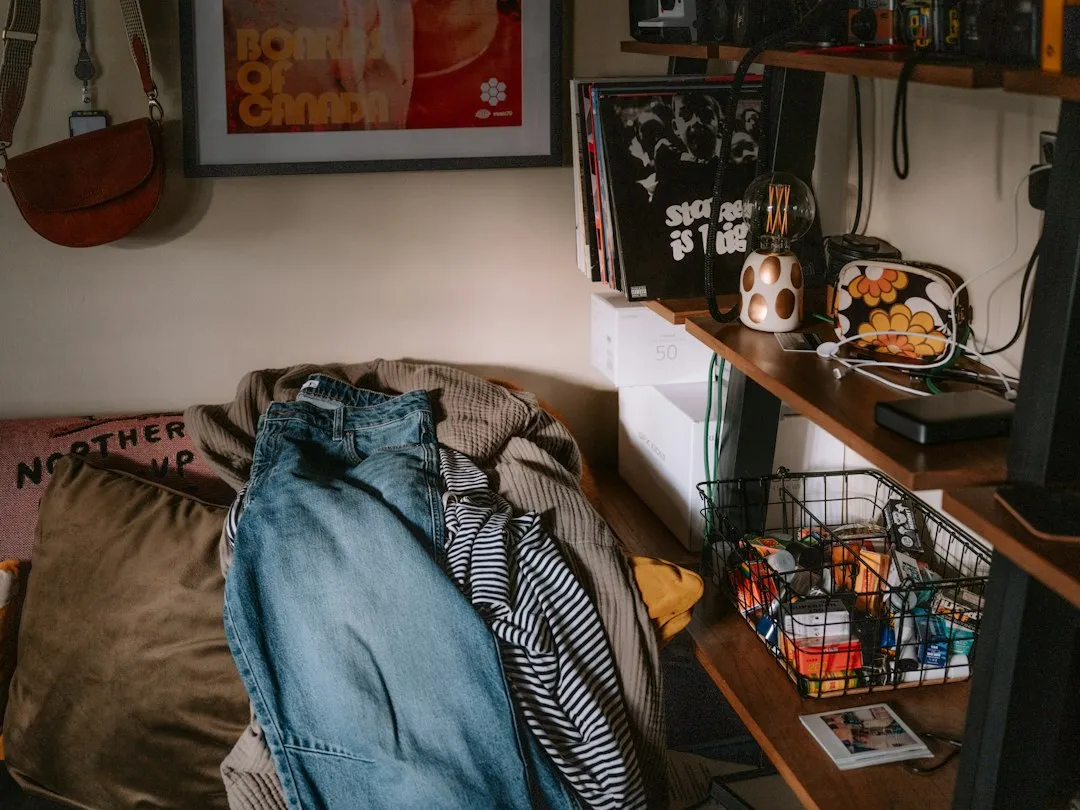
Not every large pillow collection is a personality flex. Sometimes things accumulate because letting go feels harder than holding on. A study published in August 2024 with adults over 50 with hoarding disorder suggests that altruism, a personality trait of wanting to help others, may explain why some people keep items that others might discard.
It’s worth noting that object accumulation in the home carries real psychological weight. A study published in the journal Personality and Social Psychology Bulletin found that women who described their homes as cluttered or unfinished had higher cortisol levels throughout the day than women who described their homes as restful and restorative. There’s a meaningful difference between a deliberately layered maximalist space and one that feels out of control. Pillows can live in either category.
The Pillow as Personal Statement: What the Research Actually Confirms
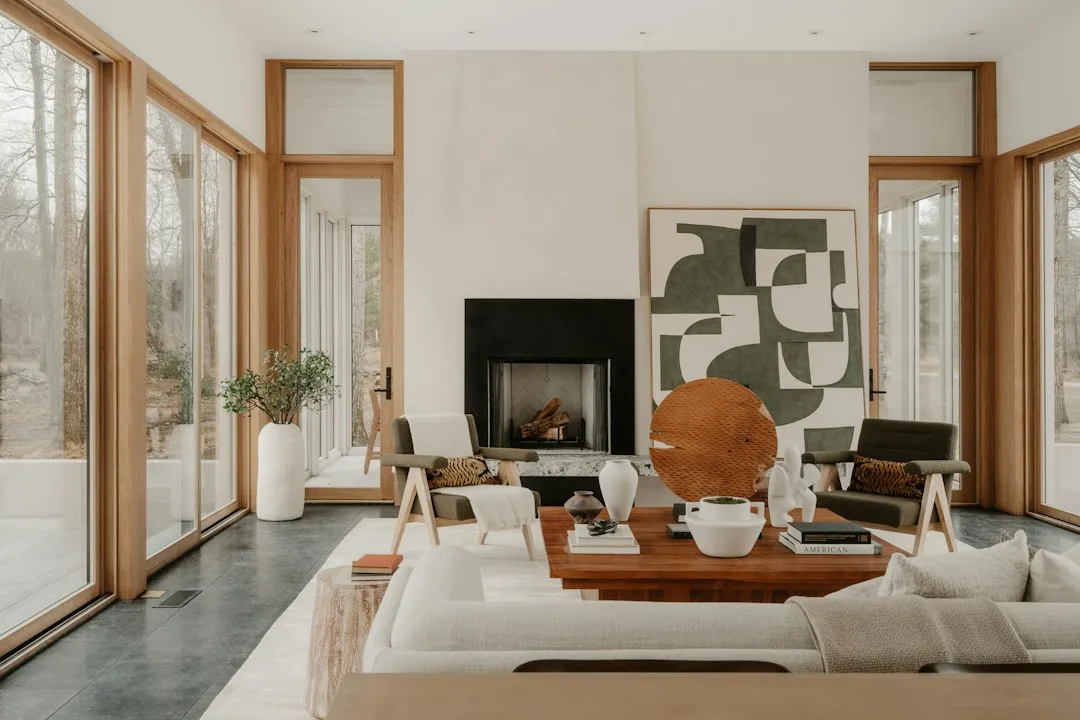
Across all the personality types above, one consistent thread runs through the research: our object choices in the home are rarely as neutral as they feel. According to Samuel Gosling, author of Snoop: What Your Stuff Says About You, every aspect of your home is tied to some element of your identity or persona. Through his research at the University of Texas in Austin, Gosling identified three major markers of home design psychology: identity claims, thought and feeling regulators, and behavioural residue.
Your decor choices reliably signal personality traits like openness and conscientiousness. Research shows strangers can accurately guess your personality traits just by observing your bedroom or office for minutes. Interior psychology, the study of how our spatial choices reflect our inner world, has transitioned from niche academic research into mainstream conversation, and the conclusion is clear: the way we furnish our homes is rarely accidental.
The Takeaway
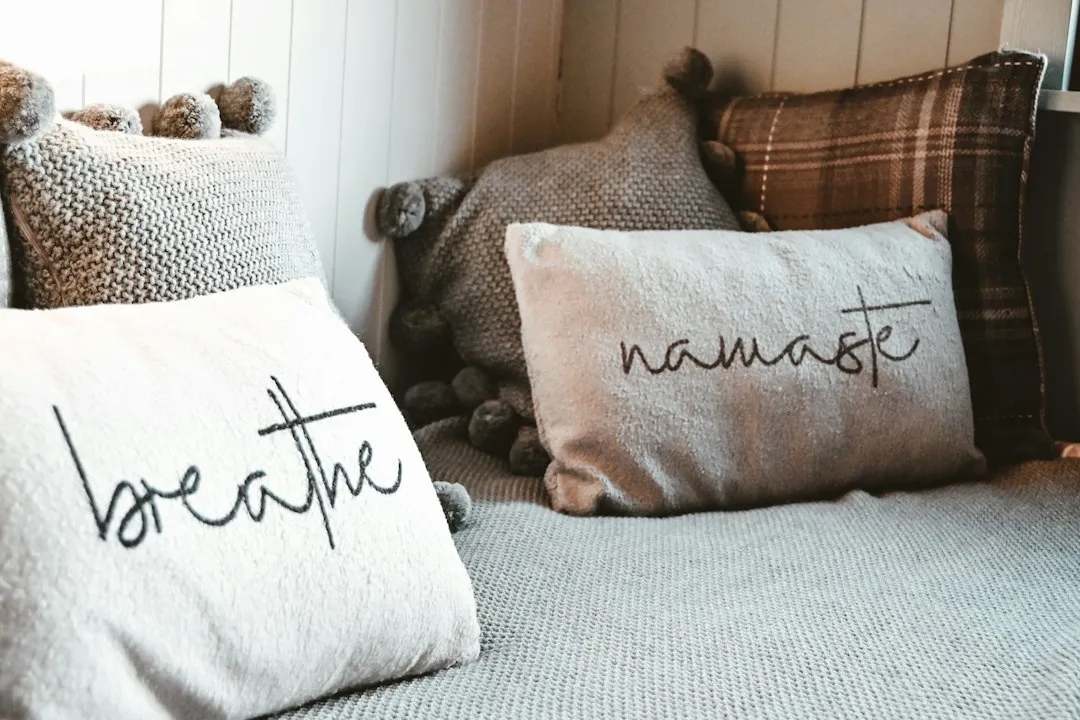
None of this means you should audit your pillow count and draw sweeping conclusions. Personality is far more complex than any couch arrangement can capture. Still, the research is clear that our homes do reflect us, quietly and consistently, in ways we don’t always consciously intend.
Whether you own zero pillows or a small architectural mountain of them, you’re communicating something about how you want to live, what you value in a space, and how much you care about the visual language of comfort. That’s not a small thing. It just tends to go unexamined, which is maybe why the pillows pile up in the first place.
AI Disclaimer: This article was created with the assistance of AI tools and reviewed by a human editor.