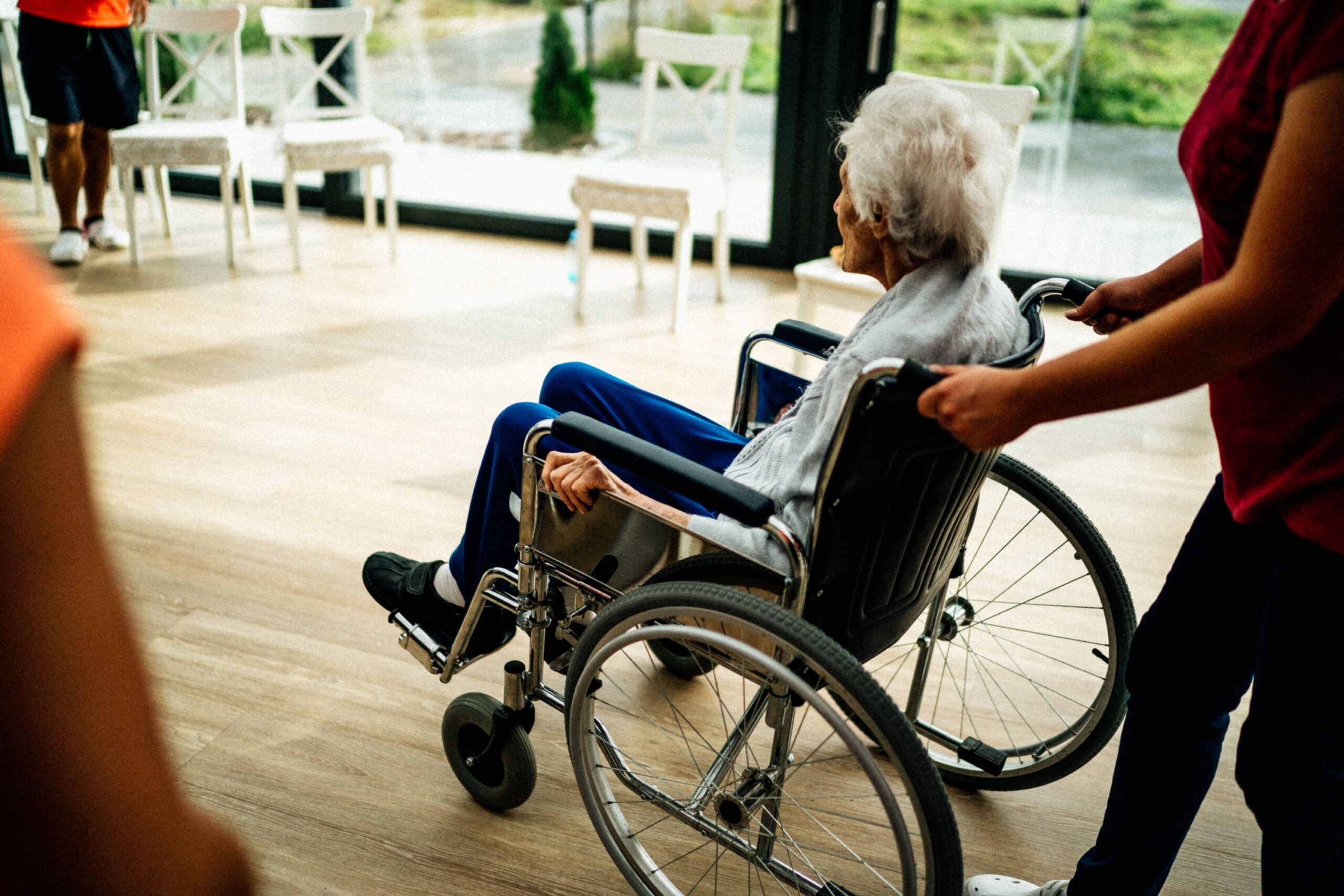

Walk through enough homes where older adults have lived for decades and you’ll notice a quiet pattern. The upstairs becomes a kind of museum floor. Guest rooms stay perfectly made. Bathrooms gather dust. The master bedroom migrates to the living room or a converted office downstairs. Nobody announces this change. It just happens, one flight of stairs at a time.
It’s a shift driven by real, measurable risks and practical calculations rather than any kind of defeat. Understanding why it happens, and how common it truly is, helps families and older adults themselves make smarter decisions about the homes they’re living in and planning to stay in for years to come.
The Fall Risk That Changes Everything
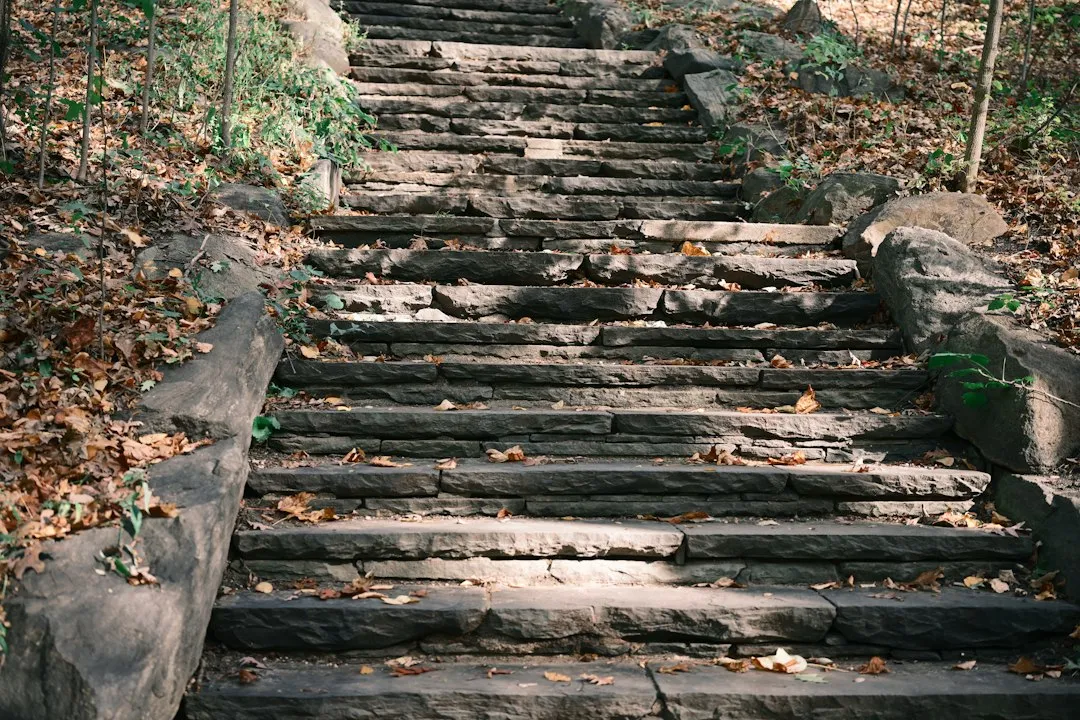
In 2024, falls killed more than 43,000 Americans aged 65 and older, according to the CDC. That’s more than 115 people per day. Those are not abstract numbers. Emergency rooms handled roughly 4.5 million visits from older adults who had fallen that same year, and after adjusting for age, the death rate from falls jumped roughly one fifth between 2018 and 2024.
Stairs sit near the center of that concern. Falls data shows that stairs account for nearly one quarter of all fall locations among older adults. When someone has already had a scare on the staircase, or knows someone who has, the second floor simply stops feeling worth the risk.
The Body Changes That Make Stairs Harder
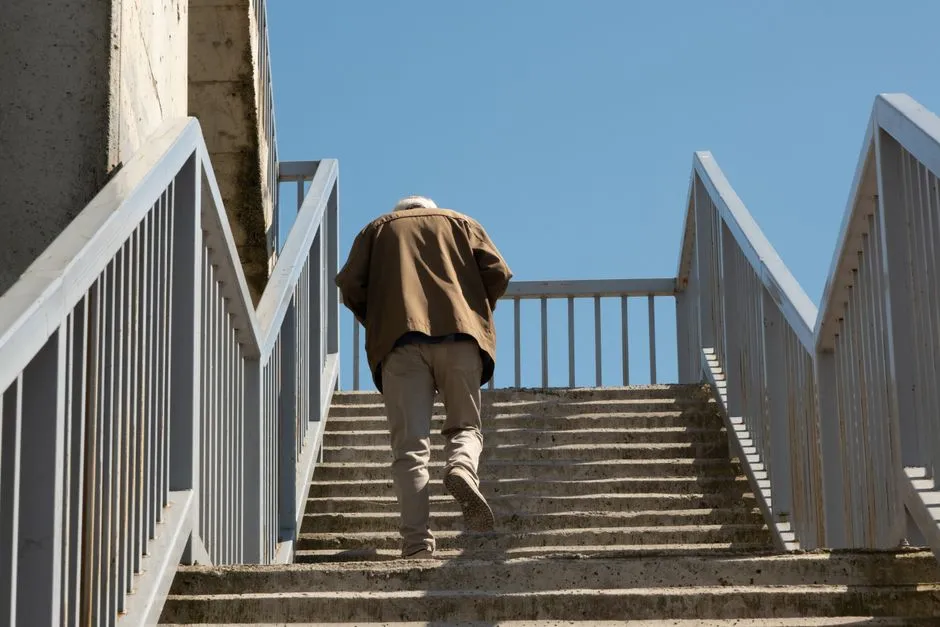
The most common risk factors for falls among older adults are diminished strength, gait, and balance. These aren’t sudden overnight changes. They build gradually over years, often without being fully noticed until stairs become an obvious challenge. The standard home assumes homeowners can easily navigate stairs every day, multiple times a day. As you age, stairs can become painful and even dangerous to use, limiting a senior’s ability to get around their own home.
About 30 percent of community-dwelling older adults have gait or balance problems, increasing the risk for stair and step falls. Conditions like arthritis, Parkinson’s disease, and reduced muscle strength in the legs all compound this. The upper floor stops being accessed regularly, and before long, it stops being accessed at all.
Fear of Falling Is Its Own Risk Factor
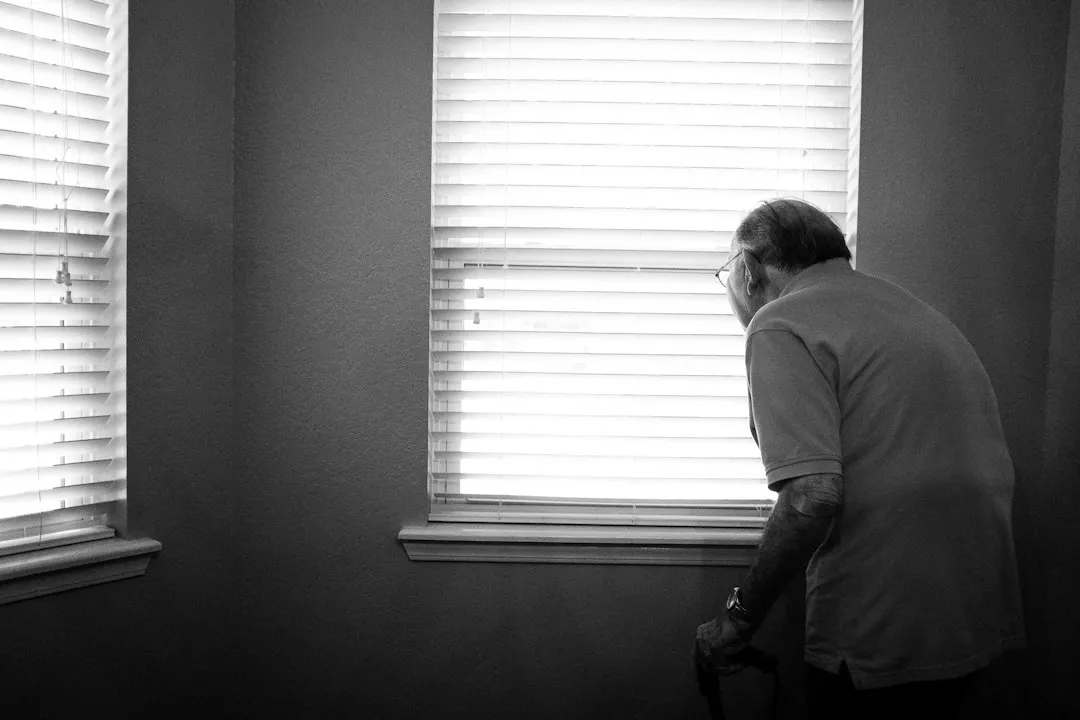
The fear itself matters as much as the physical limitations. Research confirms that fear of falling is an independent fall risk factor in its own right, separate from balance or strength issues. Once an older adult experiences one fall or near-miss on a staircase, that fear can lock in quickly, reshaping how they move through their own home.
Over a third of older adults surveyed in a published study thought their own stairs were unsafe or presented a fall risk. Yet many of those same people had not made any changes to those stairs. The gap between perceiving a risk and acting on it is wide, and in the meantime, the simplest solution is just not going up anymore.
Arthritis and Chronic Pain Make Climbing Exhausting
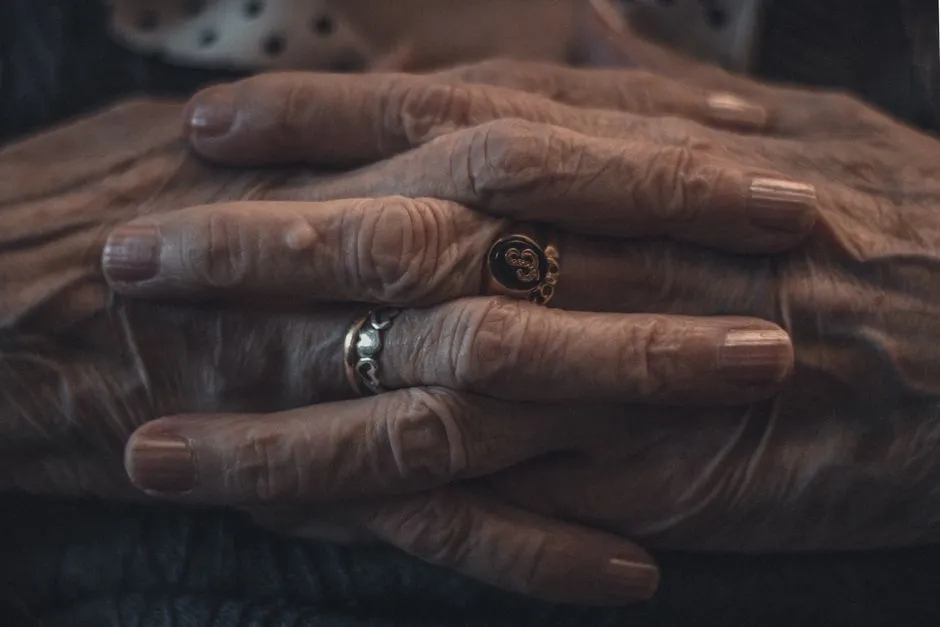
Stairs pose a particular challenge for older adults with a disability or limited mobility caused by arthritis or illness. For someone dealing with joint pain in the knees or hips, climbing a standard residential staircase multiple times a day can be genuinely exhausting and painful, not just mildly inconvenient. The cumulative toll adds up fast.
Chronic pain conditions also affect medication regimens, and that creates its own layer of risk. Sedative medications are associated with increased fall risk in older adults, which can increase the likelihood of stair missteps. When pain medications or sleep aids are part of a daily routine, climbing stairs at night becomes a particularly hazardous prospect.
The Practical Logic of Moving Life Downstairs
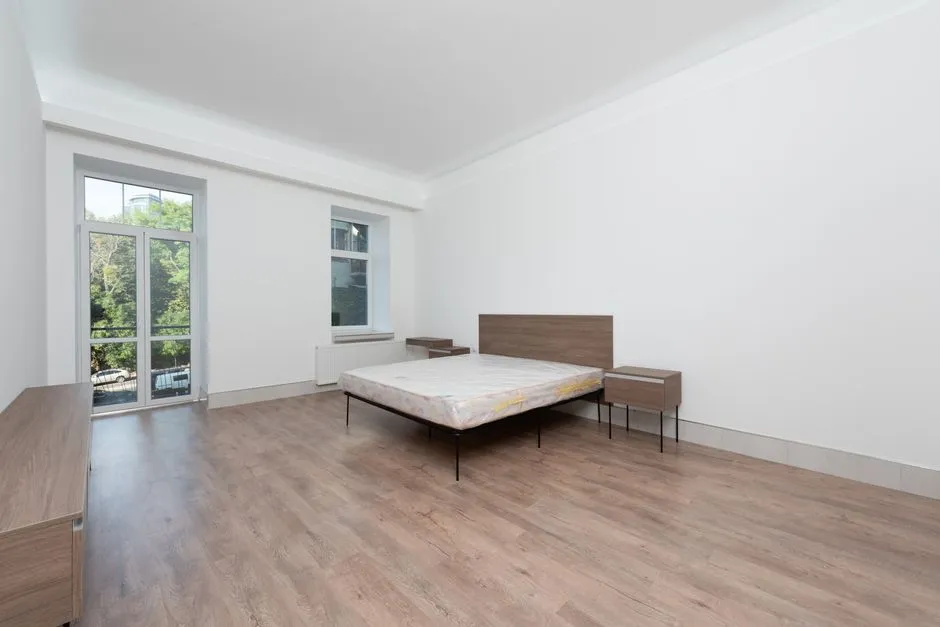
If a bedroom is currently on the second floor, the most impactful single modification an older adult can make is moving it to the ground level. Eliminating stairs from the daily routine removes one of the highest-risk activities in the home entirely. This reasoning is straightforward and well-supported by occupational therapists and aging specialists alike.
One effective solution is designing or renovating homes to feature first-floor bedroom suites. By situating primary living spaces, including a bedroom, bathroom, and if possible a small kitchenette, on the ground floor, families can dramatically reduce the need for an older adult to navigate stairs multiple times daily. Many families do this informally before any professional ever recommends it, simply by converting a home office or dining room into a sleeping space.
The Scale of Aging in Place in Multi-Story Homes
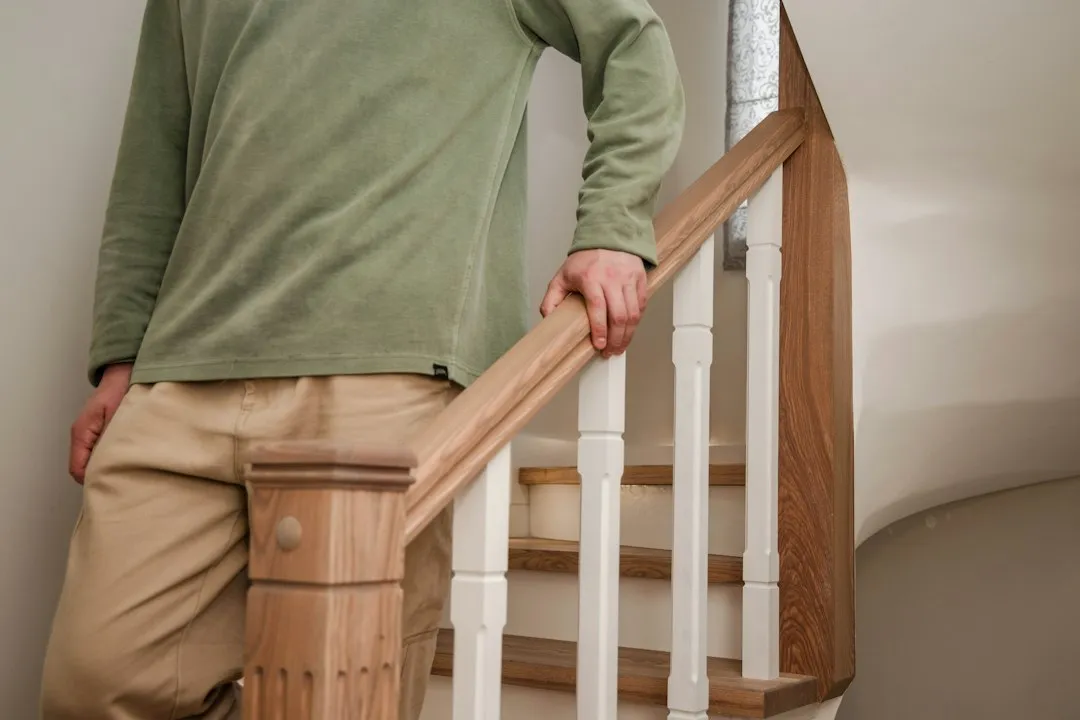
A 2025 survey found that 84 percent of older Americans consider aging in place a priority. The vast majority of those people are not living in purpose-built single-story homes. AARP data shows that roughly two fifths of adults aged 50 and older believe their current homes would need modifications to make them safe and accessible. Two-story layouts are a central part of that problem.
About 38 percent of adults aged 65 and up say they will need to make modifications, or additional modifications, to their home in order to age in place. Stopping daily use of the upper floor is often the first informal modification made, well before any contractor is called or stairlift is installed. It’s low cost, immediate, and effective.
Vision Decline and Poor Lighting Make Stairs Treacherous

Vision loss with age is well-documented and directly relevant to stair safety. Research on stair-fall risk factors identifies visual or sensory problems as one of the top three perceived dangers among older adults themselves. Depth perception deteriorates, contrast sensitivity drops, and stair edges become harder to judge accurately, especially in low light.
Many older homes have staircases with inadequate lighting, no motion-sensor fixtures, and no visual contrast markers on stair edges. Many older adults can use stairs safely with proper handrails on both sides, non-slip treads, good lighting, and light switches at both ends. When those elements are missing, the safest choice often becomes simple avoidance.
Cognitive Changes Add a Layer of Risk

A senior should stop using stairs independently when they have had a fall on the stairs, express fear about using them, or have a condition that significantly affects balance or cognition. Cognitive decline, including early dementia, affects spatial awareness, judgment, and the ability to remember to grip a handrail or slow down on descent. These are subtle impairments that do not announce themselves clearly.
Falls can be a sign of early or underlying health conditions, and they are reliable predictors of subsequent falls. Injurious falls are also strong predictors of future falls requiring medical care. Families caring for a parent with any degree of cognitive decline frequently make the upstairs entirely off-limits as a precaution, sometimes before the parent fully registers the need for it themselves.
The Financial Logic Behind Staying on One Floor

Home modifications for two-story homes are not cheap, but neither is the alternative. In 2022, healthcare spending for nonfatal falls among older adults reached 80 billion dollars, according to a 2024 study published in the journal Injury Prevention. A single hospitalization following a stair fall can cost tens of thousands of dollars, far more than most home adaptations.
A large-scale study tracking over 657,000 older adults in the UK found that home adaptations including stair rails, grab rails, and ramps led to a statistically significant decline in fall-related emergency admissions over time. A longitudinal study using U.S. data found that home accessibility features were associated with a reduction of more than one fifth in serious falls overall, and a reduction of more than a third for those aged 75 and older. Stopping upstairs use costs nothing and delivers an immediate risk reduction.
The Remodeling Industry Is Responding to the Trend

About three quarters of remodelers report increased demand for aging-in-place renovations over the past five years. That demand is driven directly by the reality of multi-story homes and the generation of adults now living in them. The vast majority of older American adults would like to live in their current home and community for as long as possible, according to AARP’s 2024 Home and Community Preferences national survey. However, traditional home layouts often create mobility and safety challenges over time, making aging in place more difficult and even dangerous.
Roughly three in four remodelers report increased demand for aging-in-place renovations over the past five years, with first-floor bedroom conversions and stairlift installations among the most requested projects. In 2025, roughly one third of Medicare Advantage plans offered home-focused benefits covering modifications like grab bars and ramps, reflecting how mainstream this need has become at a policy level too.
The Takeaway
The upstairs going quiet in an older adult’s home is rarely a dramatic event. It’s a gradual, rational response to real changes in the body, the home environment, and the available energy for managing risk each day. Sometimes the best modification isn’t equipment at all. It’s converting a downstairs room into a bedroom so the stairs stop mattering.
Recognizing this shift early, rather than treating it as a quiet surrender, opens up better planning conversations within families. The goal isn’t necessarily to get back upstairs. It’s to build a home life that keeps someone safe, comfortable, and genuinely independent for as long as possible. Sometimes one flight of stairs is simply not worth the gamble.
AI Disclaimer: This article was created with the assistance of AI tools and reviewed by a human editor.