

The “One-Year Rule” Is Officially Outdated

Ask most people how long they have to send a wedding gift, and the answer is almost always “a year.” While the traditional “one-year rule” persists in popular culture, modern etiquette experts confirm this timeline is outdated. It’s the kind of folk wisdom that gets passed down through generations without anyone checking whether it still holds up.
The idea that you have “up to a year” to send a wedding gift has been dismissed by every major etiquette authority, from Emily Post to The Knot. Three months is the real window. The one-year belief likely stuck around because it was once technically permissible, not because it was ever the ideal.
The one-year timeline likely originated from mid-20th century etiquette when couples married younger and guests faced more limited shopping options. In today’s world of online registries, two-day shipping, and couples who have often lived together for years already, that old standard simply doesn’t apply.
The Gold Standard: Send Your Gift Before the Wedding

Sending your gift before the wedding represents the gold standard of wedding gift etiquette according to modern experts. It removes logistical pressure on the couple, ensures nothing gets lost or damaged at the venue, and frankly makes life easier for everyone involved.
Before the wedding, two to three months in advance is ideal, especially if shipping is involved. That gives registry platforms time to process orders, handle any potential delays, and deliver the item before the household chaos of a wedding week begins.
The ideal time to send a gift is two weeks before the wedding, as this gives the couple time to receive it without the stress of managing gifts on the big day. Shipping a registry item directly to their home is now considered the most practical and considerate approach.
The Three-Month Post-Wedding Window

Etiquette experts agree that you have up to three months after the wedding to send a gift. Life gets busy, and most couples understand that. However, do not use this as an excuse to procrastinate indefinitely.
The traditional guideline allows guests to send their present up to one year after the ceremony, though most etiquette experts recommend sending within three months when possible. Think of three months as the outer boundary, not a comfortable default to coast toward.
Ship the gift to the couple’s home before the wedding or within three months, send something even if you can’t attend, and honor a “no gifts, please” request with a heartfelt card instead. These three principles cover the vast majority of situations guests encounter.
Most Guests Are Waiting Until the Last Minute
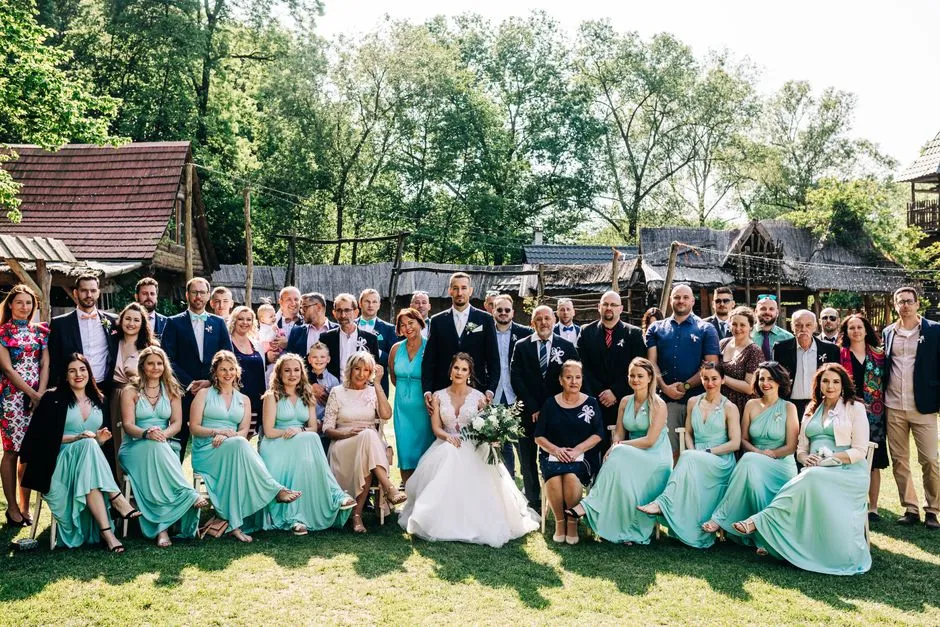
According to WeddingWire’s survey, roughly a third of guests send gifts the week before the event. Earlier gifts help couples write thank-you notes promptly and avoid post-wedding logistics stress. Waiting until the final stretch is common, but it creates a crunch that affects the couple as much as the guest.
Only one in three wedding attendees ships their wedding gift directly to the married couple as opposed to bringing the gift with them to the wedding. That means the majority of guests are still showing up at venues with physical packages in hand, which creates real headaches at the end of a long wedding night.
When you factor in that over 91 percent of all to-be-weds register for gifts, with couples receiving presents from an average of 200 guests, the logistical weight of managing that many physical items at a venue becomes obvious. Shipping ahead isn’t just courteous, it’s genuinely helpful.
Bringing Physical Gifts to the Venue Is Discouraged

If you are giving cash or a card, bring it to the reception and place it in the designated card box. Avoid bringing wrapped physical gifts to the venue – the couple will have enough to manage at the end of the night without loading presents into a car.
For a destination wedding, purchase your gift and send it to the couple’s home in advance so that they’re not transporting a blender back from Bermuda. The same general principle applies to any wedding: a couple leaving their own reception should not be doing so with their arms full of wrapped boxes.
Cash and cards remain perfectly acceptable alternatives when you do attend in person. In The Knot’s 2024 data, about half gave a physical gift, 40 percent gave cash, and 10 percent gave a gift card. So the room is genuinely split, and there’s no single “right” answer when it comes to format.
How Much You Actually Need to Spend

According to The Knot, U.S. wedding guests spent an average of $150 on a gift in 2024, a figure that has held steady for two years running. That number varies considerably depending on your relationship to the couple, your location, and whether you’ve also traveled to attend.
The Knot’s own survey data adds two averages: guests spent about $160 on close friends and family, and about $140 on casual friends. Neither figure is a strict rule, and etiquette consistently emphasizes that spending within your means is always appropriate.
If you’re already spending a significant amount on travel, lodging, and time off, the couple may not expect a large gift. Destination wedding guests in particular should factor in that their presence and travel costs are themselves a meaningful gesture.
Not Attending Doesn’t Mean No Gift Is Expected

If you’re invited to a wedding, it’s customary to give a gift, even if you can’t attend. This is one of the most commonly misunderstood points in wedding etiquette, and skipping the gift entirely because you declined the invitation is generally considered a misstep.
Even if you can’t make it to the ceremony or reception, etiquette suggests sending a gift anyway. It’s a way to celebrate the couple from afar. Something modest from the registry, or a contribution to a group gift, is entirely sufficient in this case.
Your single friend is about ten times more likely to never give a wedding gift than your married friend: roughly one in ten single respondents said they never give wedding gifts, while only about one in a hundred married respondents said the same. Life stage clearly influences gift-giving behavior, though the etiquette standard doesn’t change based on relationship status.
The Thank-You Note Timeline Is Just as Important

Couples often forget that the gift timeline runs in both directions. Wedding thank-you cards should ideally be sent within three months after the wedding day, as this time frame allows the couple to express gratitude while the wedding is still fresh in guests’ minds.
Most etiquette experts recommend sending notes within eight weeks of returning from the honeymoon. For gifts that arrive before the wedding, the standard is tighter: for wedding gifts received before the wedding, the traditional expectation is to send thank-you notes within two to three weeks of receiving the gift.
It is increasingly common for registry gifts to arrive weeks before the wedding day. When that happens, it is perfectly acceptable and encouraged to send your thank-you note as soon as the gift is received. There is no need to wait until after the ceremony.
Group Gifting Is a Legitimate and Growing Option
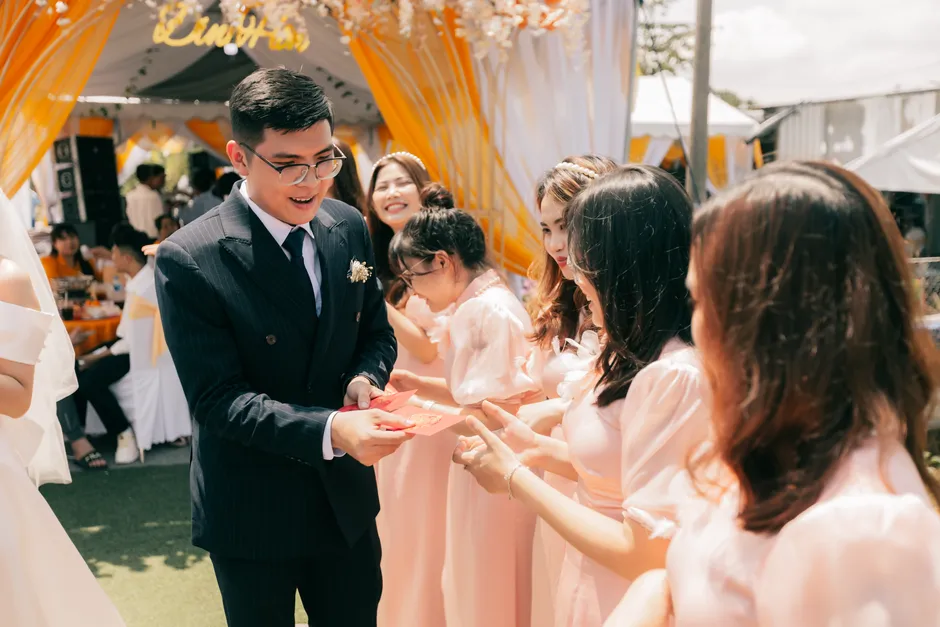
Pooling money is the etiquette-approved way to give the couple the big item, the espresso machine, the luggage set, the honeymoon splurge, without anyone overspending. Organize early: start collecting as soon as invitations land, so the gift can be ordered and shipped before the wedding.
Group gifting has grown notably in recent years, partly driven by the fact that people are marrying later, around age 32 on average according to The Knot, so many already own what a registry would offer. A contribution toward something genuinely meaningful often lands better than a solo purchase of a kitchen item the couple already has.
The average price of a wedding gift is actually higher at the moment, with 99 percent of wedding guests still planning to give a gift despite ongoing financial pressures. Group gifting allows guests to participate meaningfully without straining individual budgets.
When You’re Running Late, Send It Anyway

A belated gift is always better than none. This holds true whether you’re two weeks past the wedding or several months out. The etiquette consensus on this point is remarkably consistent across sources.
It is considered a breach of etiquette to send thank-you cards more than three months after the wedding, but it is far worse to send nothing at all. If you are past the three-month mark, send the cards anyway and include a brief, honest acknowledgment of the delay, one sentence with no excessive apologizing. Most guests will be touched that you made the effort regardless of timing.
The wedding thank-you timeline comes down to one principle: sooner is always better, and done is better than perfect. The same could be said for the gift itself. Thoughtfulness and timeliness travel together, but of the two, timeliness is the one most guests underestimate.
The Takeaway
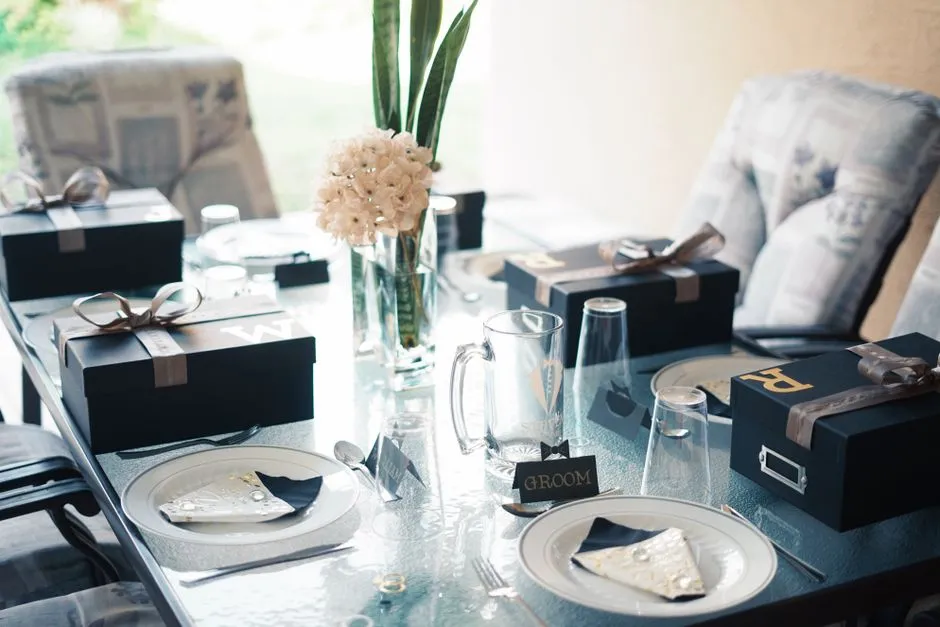
Wedding gift timing isn’t a minor technicality. It affects how much stress a couple carries in the weeks around the most significant day of their lives, and it reflects how much thought a guest has actually put in. The three-month rule is the real standard, with before the wedding being the genuine ideal.
The one-year window that many guests quietly rely on has been retired by virtually every credible etiquette authority. Knowing that changes the calculation. Set the reminder, check the registry early, and ship it to their home. That small adjustment in timing is precisely the kind of thing couples notice, even if they never say so.
AI Disclaimer: This article was created with the assistance of AI tools and reviewed by a human editor.