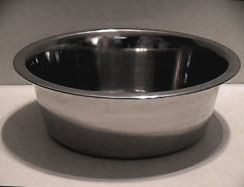

Most dog owners have seen it at least once. You’re sitting on the couch, minding your own business, and suddenly a ceramic bowl appears at your feet, nudged forward by a very earnest nose. The bowl is empty. Your dog is staring at you with an expression that could only be described as pointed. It’s funny, a little baffling, and oddly communicative all at once.
The truth is, this behavior is more layered than it looks. It touches on ancestry, learned habits, social bonding, and some genuinely fascinating research into how dogs communicate with the humans they live with. Here’s what’s actually going on.
It’s a Form of Intentional Communication
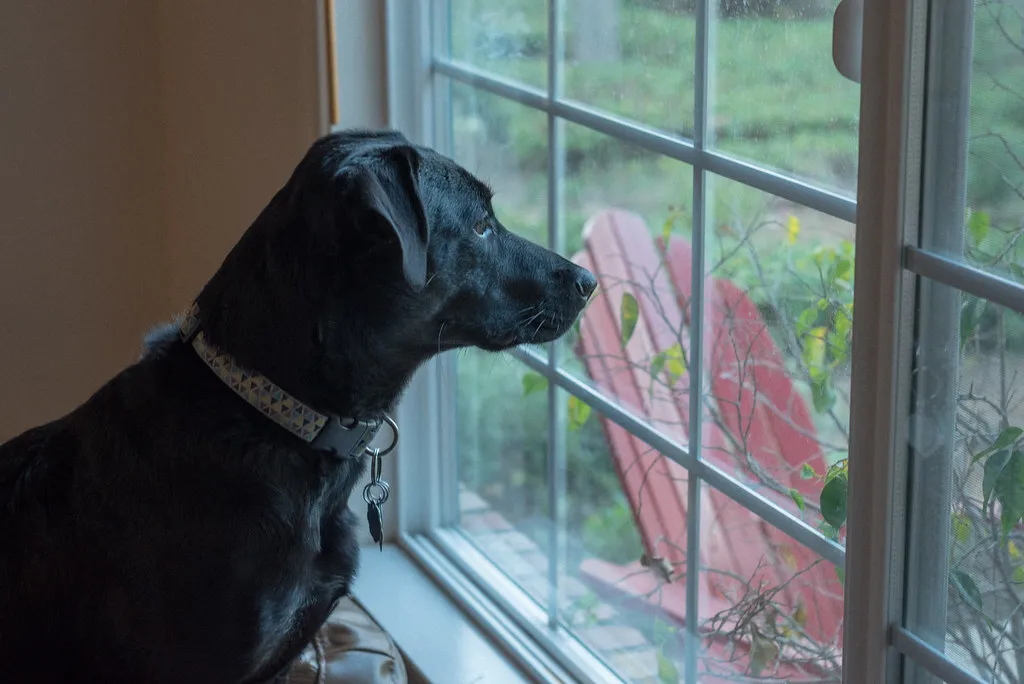
Research has investigated whether dogs are able to communicate by using directional signals toward desirable objects, and found evidence that some dogs’ communicative behaviors can be functionally referential and intentional, with gaze alternation between the owner and food being a particularly strong signal. Bringing you the bowl fits neatly into this category. It’s your dog pointing at something they want, using the only tool available to them.
Communication with humans is a central feature of the social life of pet dogs, and domestic dogs have been described manipulating human partners in order to reach food or toys through signals such as gaze alternation between a recipient and an object. The empty bowl is essentially the canine equivalent of holding up a sign.
The Wolf Ancestry Connection

Your dog’s seemingly insatiable appetite and food-focused behaviors may lie in their ancestry, as today’s canines were domesticated from wolves tens of thousands of years ago but retain some of their lupine instincts. Those instincts run deeper than most people realize.
Researchers studying thousands of canine genomes discovered that wolf DNA is still present in most dog breeds, and this ancient genetic influence shows up in traits like body size, behavior, and environmental resilience. Their analysis revealed that almost two thirds of breed dogs retain wolf ancestry within their nuclear genome from hybridization events that occurred around 1,000 generations ago. So when your dog “asks” for food with an urgency that seems disproportionate, some of that drive is genuinely ancient.
The Reinforcement Loop You Probably Created
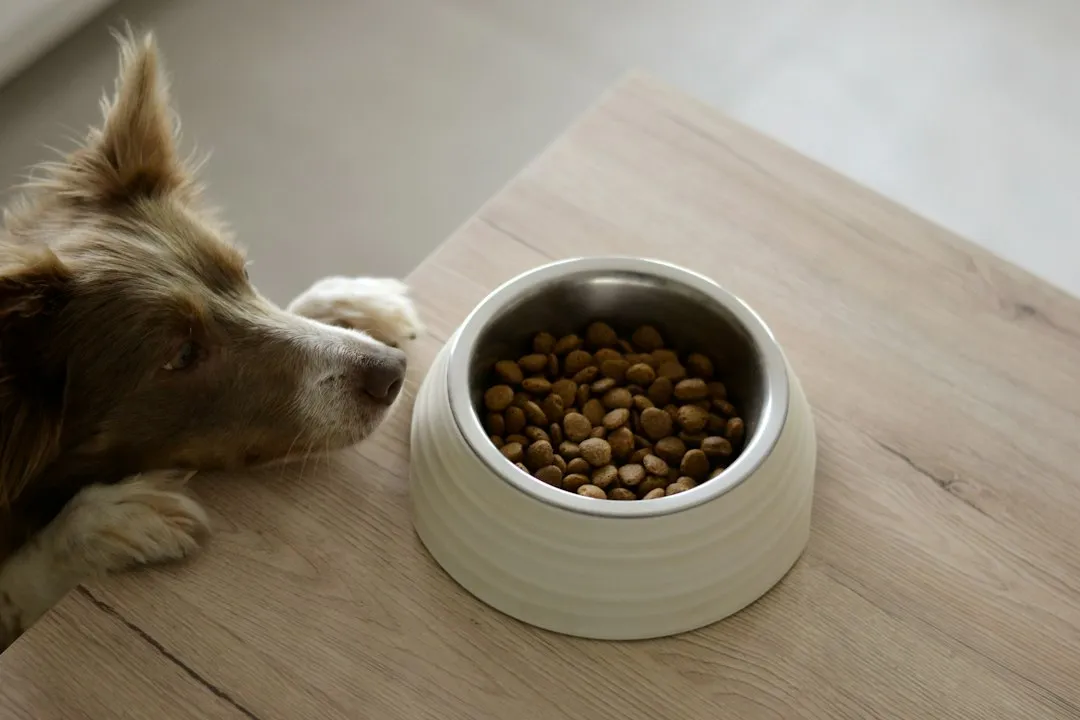
Carrying an empty food bowl around could be your dog’s way of signaling that they want attention or are ready for their next meal, and this behavior might be especially common if your dog has learned that carrying the bowl elicits a response from you, such as filling it with food or giving a pat on the head.
If this behavior results in you filling the bowl or even showering your dog with affection, they’ve likely learned to associate bowl-carrying with gaining your attention, a positive reinforcement that encourages the ongoing behavior. In other words, the first time you smiled and topped up the bowl, you signed a contract your dog intends to hold you to indefinitely.
Because the food in the bowl is reinforcing to the dog, the bowl itself becomes a secondary reinforcer; the dog learns that the bowl has value. Even if there is no food in the bowl, the bowl still functions as a secondary reinforcer.
They’re Genuinely Hungry, Sometimes
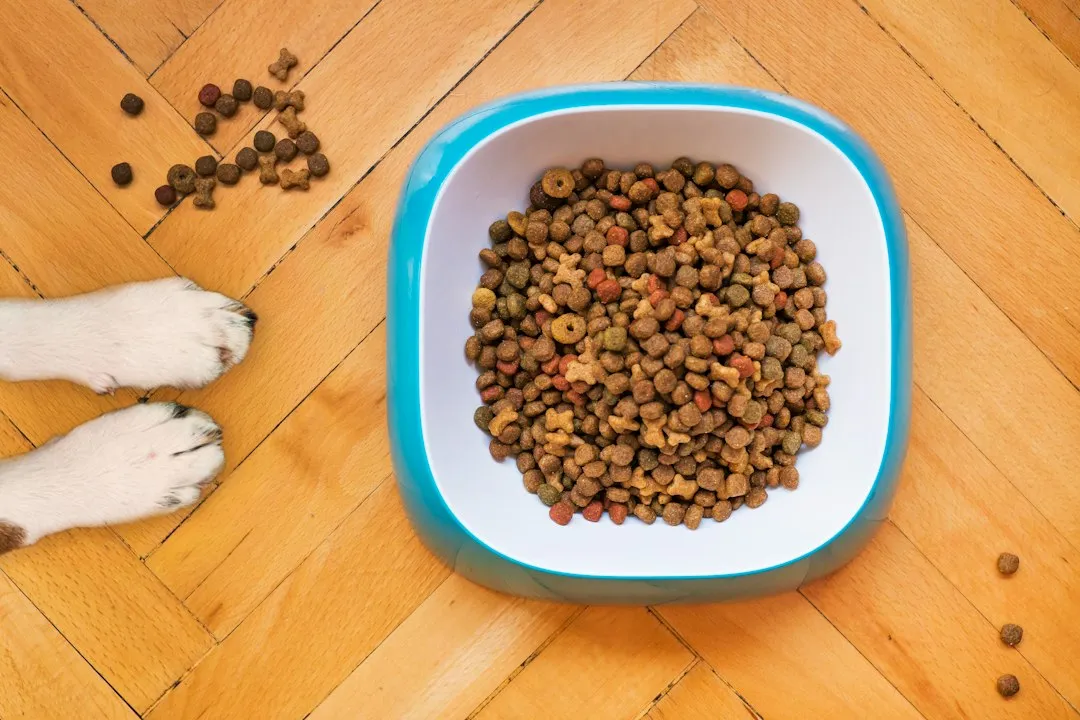
If your dog is still hungry, they might bring you the bowl as a clear request for a refill. This sounds obvious, but it’s worth taking seriously. Not every bowl delivery is a trained trick or a manipulation. Sometimes it’s just accurate reporting of a real situation.
Your dog could also be looking for more food, but the behavior alone doesn’t tell you whether they need a larger portion. If the bowl-bringing is a new behavior or has increased in frequency, it’s worth consulting a vet to rule out medical causes such as increased appetite linked to conditions like diabetes or thyroid issues.
Social Bonding and the Need for Companionship
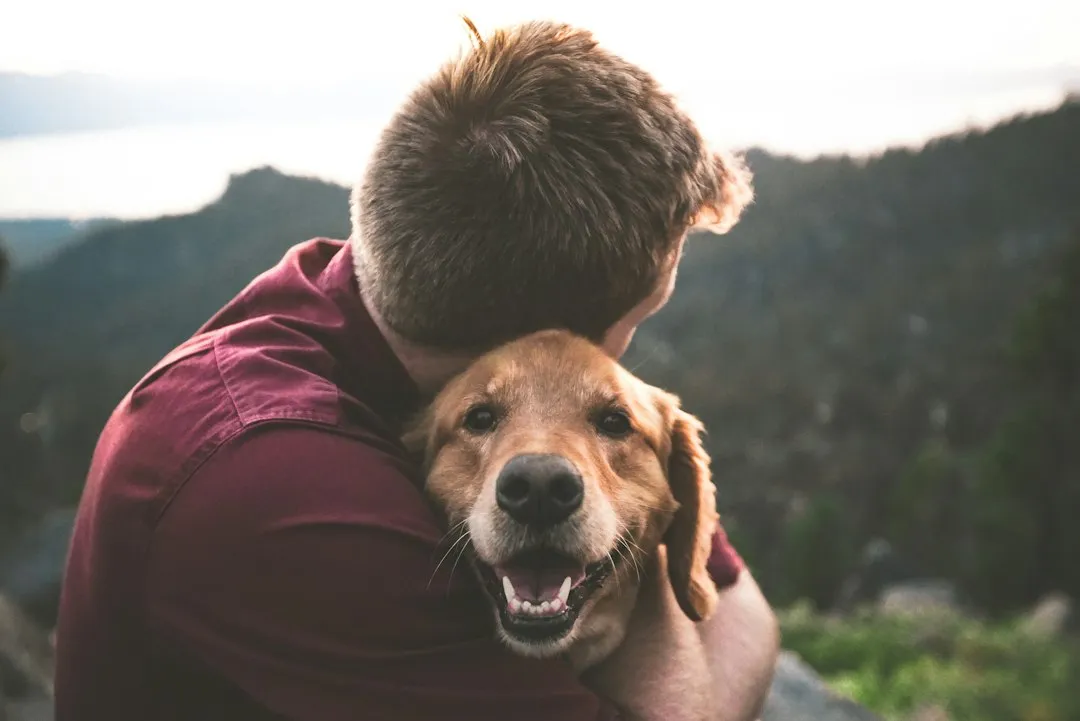
Dogs are inherently social creatures and thrive on connections with their human companions. If your dog often carries their empty bowl to a room where you are, it could signify their desire for companionship during feeding time. The food is partly a pretext. What they really want is to be near you.
Research comparing a conventional feeding bowl to a feeding toy in relation to dog behavior, cortisol levels, and heart rate variability found that the presence of the owner during feeding reduced unwanted behavior and cortisol levels, and increased food consumption and active behaviors. Being around their person while eating matters to dogs on a measurable, physiological level.
Environmental Discomfort Around the Bowl’s Location
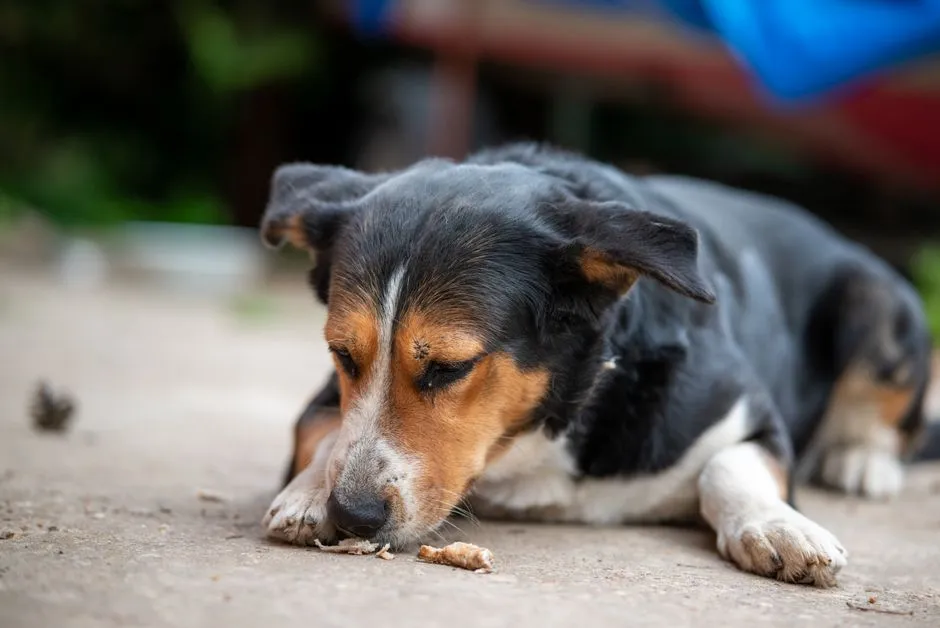
The environment in which dogs eat can significantly impact their behavior. Some dogs feel anxious in a bustling kitchen or might be uncomfortable with the noise created by the type of bowl they use, and a busy household can exacerbate feelings of anxiety.
Some owners report that their dogs bring the food out of the bowl away from a hard floor to a softer surface such as carpet or towels. Sliding bowls, echoing tile floors, or simply a spot that feels exposed can all make a dog reluctant to eat in place. Carrying the bowl toward you is their way of solving the problem themselves.
The Instinct to Cache and Protect Food
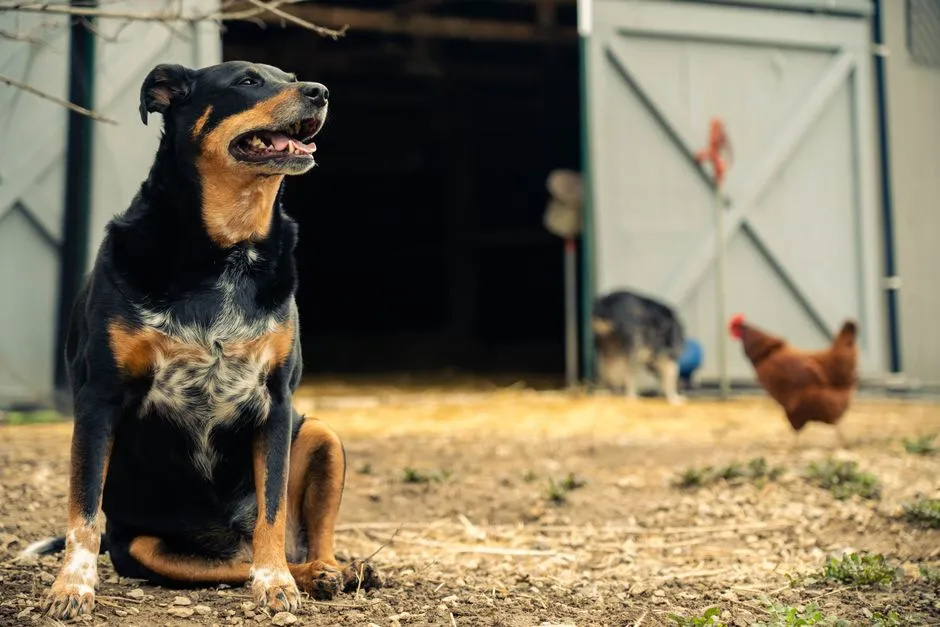
An interesting facet of canine behavior is the tendency to “cache” food. In the wild, dogs would often bury or hide their food for later consumption. Bringing a bowl to you can be a variation of this impulse, an attempt to move a food resource to a safer or more controlled location.
Competition for meals in wolf packs meant protecting your portion or going hungry. Dogs guard their bowl because resource protection ensured survival when food wasn’t guaranteed, and this possessive behavior stems from genuine ancestral necessity. Even with regular feeding schedules, the instinct to defend valuable resources persists in well-fed modern pets.
Boredom and the Need for Mental Stimulation
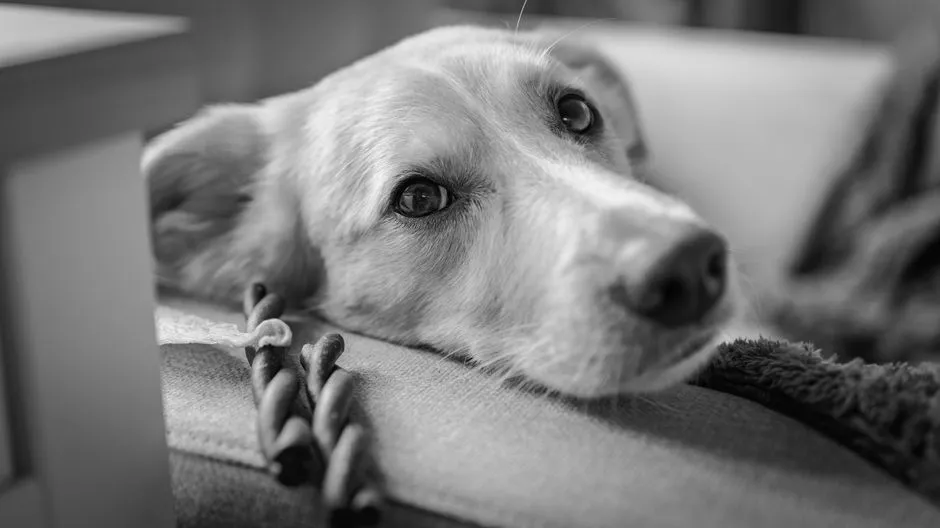
If the behavior is driven by boredom, your dog might just be looking for a job to do. Dogs bred for working roles in particular need occupation. Without it, they create their own activities, and carrying a bowl turns out to be a surprisingly satisfying one.
Feeding enrichment, such as feeding toys, may improve natural hunting behavior, reduce unwanted behaviors, and keep dogs mentally engaged and physically active. If your dog is bowl-carrying out of boredom rather than hunger, a puzzle feeder or a simple change to feeding routine can redirect that energy quickly.
It Can Be a Learned Behavior from Other Dogs
Dogs also pick up behavior learned from others, so it is logical to think that one dog might have taught another this trick. Multi-dog households are particularly fertile ground for this. If one dog figures out that the bowl delivery routine produces results, the others tend to notice.
This behavior might be more pronounced in multi-pet households, where dogs may feel the need to assert their dominance or protect their belongings. What starts as one dog’s quirky habit can become a household routine remarkably fast.
When to Take It Seriously

Recognizing why dogs carry their empty food bowls provides invaluable insights into their behavioral patterns. This behavior can stem from instinctual drives, the need for companionship, or even physical discomfort. The key is to notice whether the behavior is new, escalating, or accompanied by other changes like weight loss, restlessness, or increased thirst.
Canine behavior problems such as separation anxiety, aggression, and fearfulness can disturb overall wellbeing, and separation-related behavior occurs in roughly one in seven to one in five dogs, including destructive behaviors, vocalization, and inappropriate elimination. If bowl-carrying is part of a broader cluster of anxious or obsessive behaviors, a veterinary behaviorist is the right next step.
The Takeaway
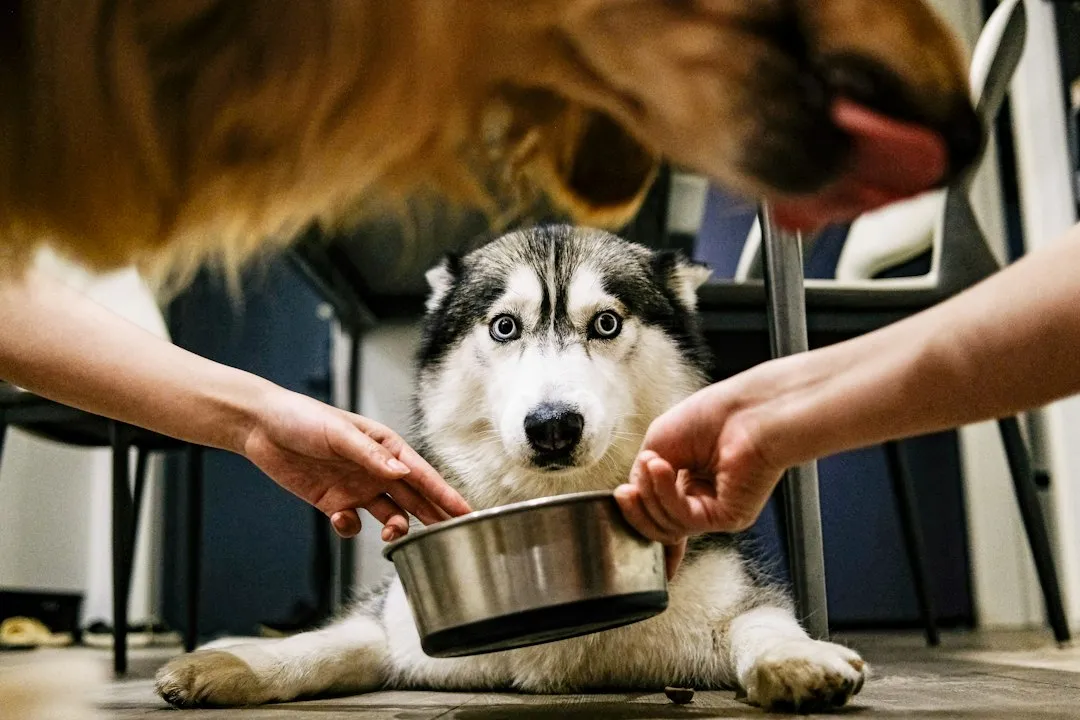
Your dog bringing you an empty bowl isn’t random noise. It’s one of the cleaner, more legible pieces of communication dogs offer us. It’s built from millions of years of survival instinct, thousands of years of living alongside humans, and a very specific record of what has worked with you personally.
The honest answer is that there is rarely one single reason. Usually it’s a mix of learned habit, genuine hunger, the desire for social contact, and a dash of ancestral wiring that no amount of domestication has fully ironed out. Paying attention to context, timing, and any changes in the behavior will tell you more than the bowl itself ever could.
AI Disclaimer: This article was created with the assistance of AI tools and reviewed by a human editor.