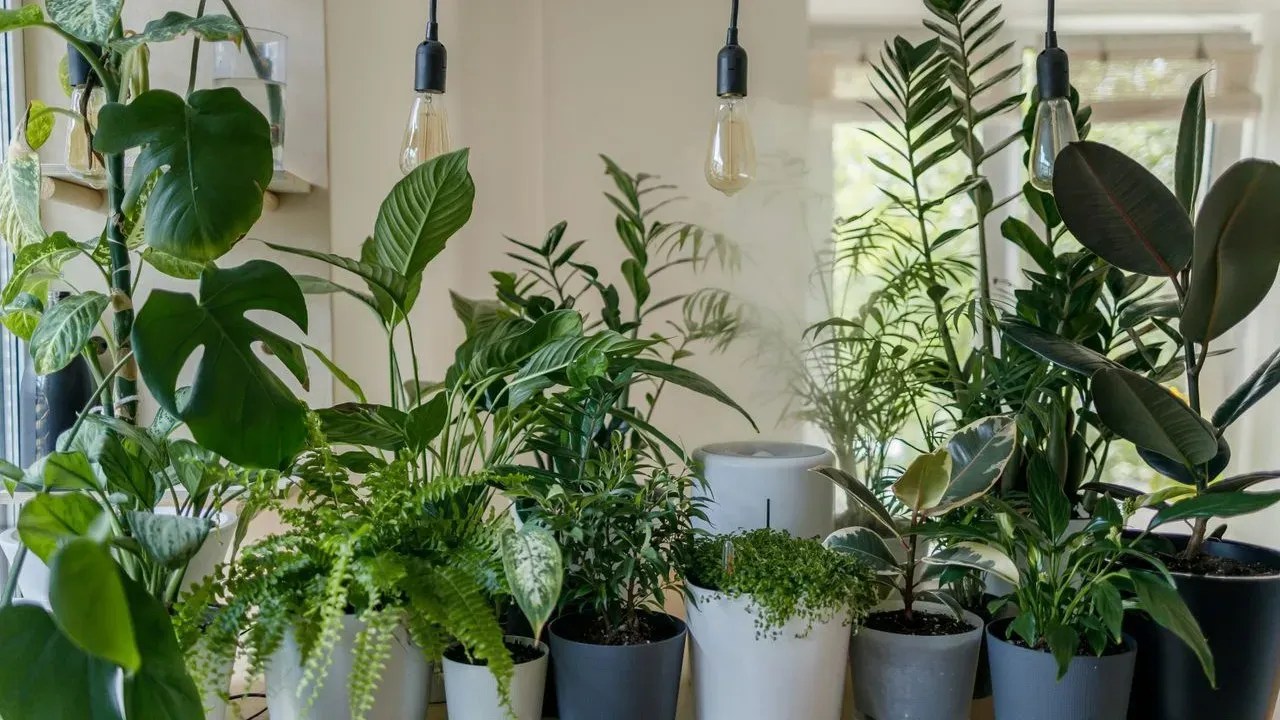

Houseplants that spent the summer on patios, porches, or in garden beds are heading back inside as nights turn colder. Gardener’s Path ([1]) advises planning ahead for this move and acclimating plants step by step so the transition goes smoothly. The stakes are practical: a rushed move can leave a healthy plant bare, and the steps needed to prevent that are straightforward once the timing is clear.
Why the move indoors hits plants so hard
Light is the biggest change. Even a room that looks bright to people usually delivers far less light than a summer spot outdoors, so leaves that formed in open conditions struggle to keep up. Plants often respond to summer sun with a burst of new growth, and indoor light cannot sustain that growth once they come in.
Temperature and humidity add to the strain. Warm, dry indoor air is a sharp departure from the outdoor environment, and the combined shift can show up as yellowing, wilting, or leaves falling off within days.
Timing the move by night temperature rather than the calendar
Gardeners often watch the date, but the thermometer is the better guide. Many tropical houseplants can be damaged once temperatures fall below 50°F, and according to Virginia Cooperative Extension, houseplants should come in before temperatures dip below 55°F, and many foliage plants will be damaged considerably if the temperature drops below 50°F.
A single cool evening is rarely the signal to act. The practical cutoff is a run of sub-50°F nights, not one. Plant types differ as well. Softer, more tender plants like geraniums or coleus need to be carried inside to acclimate when nights hit 45-50F (7-10C), and tropicals like the hibiscus can’t deal with anything below 50F (10C). Hardier herbs such as rosemary can often hold out longer.
A gradual routine that protects the plant
The transition works best as a sequence rather than a single trip through the door. Gardeners can follow four stages:
- Inspect and rinse. Check leaf undersides, stems, leaf joints, soil surface, and drainage holes. Rinse the foliage outdoors and let it dry before the plant comes inside.
- Ease into shade. Over about a week, move plants to increasingly shadier areas before bringing them in.
- Quarantine. Keep the plant apart from other houseplants for 2–4 weeks and watch for leaf drop, pests, overwatering, underwatering, inadequate light, and other signs of stress.
- Settle in the brightest window. Once indoors, the plant should get the best light available, and it should be left in place rather than shifted again and again.
Soil is easy to overlook. Ordinary garden soil can contain pests and pathogens, so it is best kept out of the house with the plants. Pests that live in potting mix, such as fungus gnat larvae and root mealybugs, can go unnoticed for weeks, which is one reason quarantine matters.
What matters now: Watch the forecast rather than the calendar, inspect every plant before it crosses the threshold, and keep newcomers separated while they adjust to lower light.
Leaf drop is not always a sign of failure
Some shedding after the move is expected. Many plants will drop their leaves in response to the drastic decrease in light indoors and then grow new leaves that are better acclimated to low light. Seeing a few leaves fall in the first couple of weeks does not automatically mean the plant is in trouble.
Care habits matter more than the leaf loss itself. Watering on the summer schedule can keep soil wet in a dim room, and the one thing that turns normal leaf drop into a real decline is watering on the old schedule. Adding more water or fertilizer in response to shedding tends to make matters worse. If the decline continues, the plant should be checked for pests, root problems, poor light, or watering issues.
For plants that have spent the summer outdoors, the move indoors is less a single event than a gradual adjustment. A careful schedule, a close inspection, and patience with the first few weeks give most houseplants a reasonable chance of settling in for winter.
AI Disclaimer: This article was created with the assistance of AI tools and reviewed by a human editor.